admin
admin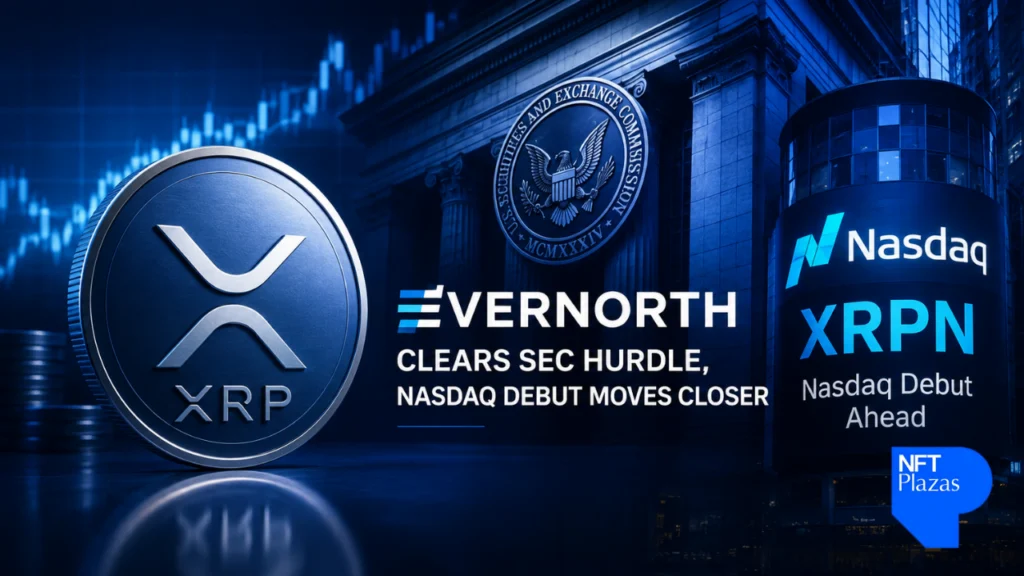
Evernorth Holdings, a pioneering entity aiming to offer public-market exposure to the digital asset XRP through an actively managed corporate treasury, has achieved a critical regulatory milestone. The U.S. Securities and Exchange Commission (SEC) declared its Form S-4 registration statement effective on August 27, marking a pivotal step in its journey to become a publicly traded company. This declaration moves Evernorth’s proposed merger with Armada Acquisition Corp. II into its next crucial phase: a shareholder vote scheduled for September 30. Should investors approve the transaction and all remaining closing conditions and Nasdaq listing requirements be met, the newly combined entity is anticipated to commence trading on Nasdaq under the ticker symbol XRPN.
Regulatory Milestone Achieved: S-4 Effectiveness
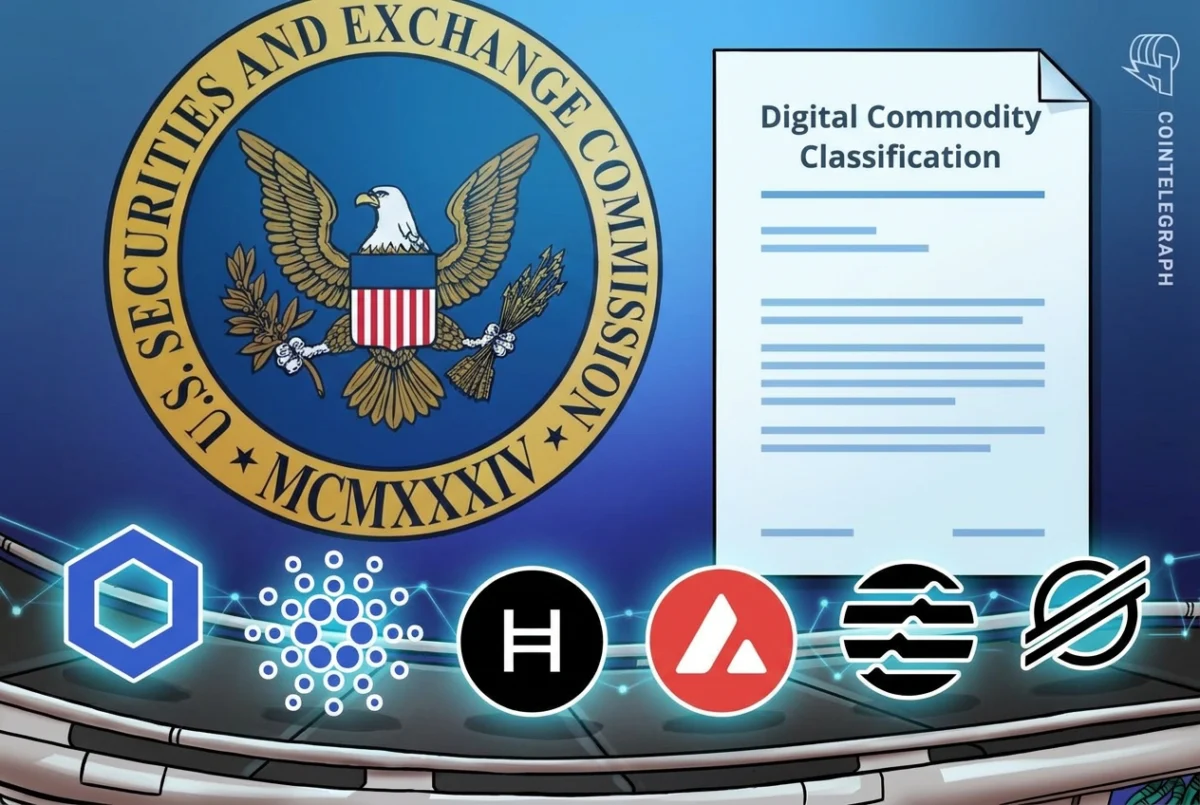
The SEC’s decision to declare the S-4 registration statement effective is a procedural, yet fundamentally important, development. It signifies that the registration statement, which provides comprehensive disclosures about the proposed business combination, meets the SEC’s formal requirements for completeness and clarity. It is crucial to note, as Evernorth highlighted, that this declaration does not constitute an endorsement or approval of the merger itself, its fairness, or its inherent investment merits by the SEC. Instead, it serves as a green light, allowing Armada II to formally proceed with the definitive shareholder vote on the proposed transaction. For a company seeking to list publicly, especially one operating in the nascent and often complex digital asset space, navigating the rigorous SEC review process is a significant undertaking. The effectiveness of the S-4 filing underscores Evernorth’s commitment to transparency and compliance, preparing it for the scrutiny of public markets.
"This vote is one of the last key milestones before Evernorth’s debut as a public company on Nasdaq," Evernorth stated in a press release dated August 27, 2026, emphasizing the imminent nature of this transformational event. The move reflects a broader trend within the cryptocurrency industry where companies are increasingly seeking access to traditional capital markets, providing regulated investment vehicles for mainstream investors wary of direct digital asset custody.
The Path to Public Markets: A SPAC Merger
Evernorth’s strategy for going public involves a merger with Armada Acquisition Corp. II, a special purpose acquisition company (SPAC). SPACs, often referred to as "blank check companies," are publicly traded entities formed with the sole purpose of raising capital through an initial public offering (IPO) to acquire an existing private company, thereby taking the acquired company public without it having to undergo its own traditional IPO process. This mechanism has become a popular route for companies seeking a faster and potentially more predictable path to public listing. Armada II is sponsored by Arrington Capital, a prominent venture capital firm with a strong focus on blockchain and digital assets, signaling a strategic alignment with Evernorth’s mission.
The proposed business combination was first publicly detailed in March when Evernorth filed its initial S-4 registration statement with the SEC. This extensive filing provided prospective investors with an in-depth look at Evernorth’s operational model, financial projections, and its ambitious plan to provide public-market exposure to XRP. The company also disclosed that it had successfully raised over $1 billion in gross proceeds from a diverse group of institutional and strategic investors. This impressive roster includes major players in the blockchain and fintech ecosystem such as Ripple, the company primarily associated with the development of XRP; SBI Holdings, a Japanese financial services giant; Pantera Capital, a leading blockchain investment firm; Kraken, a prominent cryptocurrency exchange; and its SPAC sponsor, Arrington Capital. Such strong backing from established industry participants lends considerable credibility to Evernorth’s business model and its long-term vision.
Evernorth’s Vision: An Active XRP Treasury

At the core of Evernorth’s appeal is its innovative approach to managing digital assets. Unlike passive investment vehicles that simply buy and hold cryptocurrencies, Evernorth positions itself as an active XRP treasury company. Its primary strategic objective is to actively manage its XRP holdings with the explicit goal of increasing the amount of XRP held per share over time. This active management strategy distinguishes it from more straightforward "buy-and-hold" crypto companies or traditional spot ETFs, suggesting a more dynamic and potentially value-accretive operation.
To achieve this ambitious goal, Evernorth plans to engage in a multifaceted approach within the XRP ecosystem. This includes yield generation strategies, such XRP lending to institutional counterparties, liquidity provision across various decentralized finance (DeFi) protocols, and other forms of strategic participation in the broader XRP Ledger (XRPL) ecosystem. By actively deploying its XRP assets, Evernorth aims to generate additional returns beyond mere price appreciation, thereby enhancing its treasury’s value. According to data provided by CoinGecko, Evernorth currently holds approximately 473.2 million XRP. This substantial holding represents about 0.473% of XRP’s total circulating supply, a significant stake that underscores the company’s commitment to the asset. At recent market prices, these holdings are valued at roughly $635 million, solidifying Evernorth’s position as a major player in the XRP landscape.
Beyond direct asset management, Evernorth also intends to strategically deploy capital into infrastructure projects connected to the XRP Ledger. This includes investments in initiatives focused on tokenized assets, on-chain credit systems, and advanced settlement solutions. This broader strategy reflects Evernorth’s foundational thesis: that blockchain infrastructure will play an increasingly pivotal role in the future of institutional finance. Asheesh Birla, CEO and founder of Evernorth, articulated this vision, stating, "Evernorth is designed to accelerate XRP’s role in that work," and further positing that institutional finance will progressively migrate and be built on-chain. This perspective highlights the company’s ambition to be more than just an XRP holder; it aims to be an integral part of the XRP Ledger’s developmental and operational fabric, fostering its utility and adoption in enterprise solutions.
Addressing Investor Needs: Equity Exposure to XRP
Should the merger successfully complete, Evernorth will offer investors a novel avenue to gain exposure to XRP. Instead of requiring direct ownership and custody of the volatile digital token, investors will be able to acquire shares of a publicly traded company. This distinction is particularly compelling for a broad spectrum of investors, especially those within traditional financial institutions, who may seek exposure to digital assets but are constrained by regulatory mandates, internal compliance policies, or simply prefer the familiar structure of public equity. A regulated public-market vehicle tied to XRP provides a layer of institutional comfort and accessibility that direct token ownership often lacks.
Evernorth has consistently emphasized XRP’s potential utility beyond speculative trading, highlighting its fundamental roles in facilitating liquidity, serving as collateral, enabling efficient routing of payments, and underpinning robust settlement systems. The company’s plans extend to supporting a wide array of applications across the XRP Ledger, including the development of infrastructure tailored for institutional participation in tokenized assets and on-chain credit markets. In pursuit of operational excellence and compliance, Evernorth has also forged a partnership with t54, a financial technology company specializing in verification, risk assessment, and compliance tools for AI-powered transactions. This collaboration is designed to bolster the monitoring and management of Evernorth’s automated treasury activities on the XRP Ledger, ensuring robust oversight and risk mitigation in its active management strategy.
However, this strategy inherently carries a different risk profile compared to simply holding XRP directly. Evernorth will be tasked with demonstrating that its active management approach, strategic ecosystem investments, and capital-markets operations can consistently generate value for shareholders. This must be achieved without exposing the company to undue market volatility, operational complexities, or unforeseen regulatory risks. The success of its active management hinges on skillful execution and prudent risk management, areas that will be under constant scrutiny by public investors.
Key Financial Details and Shifting Terms
The financial intricacies of the transaction are laid out in the S-4 filing, covering securities involved in the merger, including up to 34,499,992 Class A common shares and 11,499,992 warrants. These details are crucial for understanding the potential dilution and ownership structure post-merger. As with many complex financial transactions, the economics of Evernorth’s merger have evolved since its initial announcement.

Notably, revised financing terms were unveiled in August, introducing a significant adjustment to how the value of XRP would be benchmarked for certain aspects of the deal. An earlier fixed XRP benchmark of $2.36 was replaced with a volume-weighted average price (VWAP) based on XRP’s market value at the time of closing. This adjustment is not merely a technicality; it has tangible implications. It could directly affect the number of shares issued through the private placement components of the transaction and, consequently, alter the proportional ownership stake represented by Armada II shares. Therefore, the final economics for investors will, to some extent, be contingent on XRP’s trading price when the transaction officially closes.
The recent performance of XRP provides a dynamic backdrop to these revised terms. According to recent market data, XRP has been trading around $1.34, reflecting an approximate 8.4% decline over a seven-day period and a more substantial drop of over 26% over the past month. Despite these recent fluctuations, XRP maintains a considerable market capitalization, standing at roughly $84.3 billion. While the token’s price movements will undeniably influence the immediate valuation dynamics, Evernorth’s longer-term prospects are predicated on more than just XRP’s price appreciation; they hinge on the efficacy of its active management strategy, its role in the XRP ecosystem, and its ability to attract institutional capital through a regulated public listing.
The Broader Landscape of Crypto and Public Listings
Evernorth’s impending public listing is part of a broader trend of digital asset companies seeking mainstream financial integration. The past few years have seen a surge in crypto-native companies, such as Coinbase, going public, and the emergence of various crypto-linked investment products, including Bitcoin and Ethereum ETFs in some jurisdictions. This move by Evernorth signifies a growing maturity in the digital asset market, where innovative business models are being developed to bridge the gap between decentralized technologies and traditional finance.
The institutionalization of XRP, through a vehicle like Evernorth, holds significant implications. It could potentially broaden the investor base for XRP, attracting capital from entities that might not otherwise directly engage with the token due to regulatory or operational constraints. Furthermore, the existence of a publicly traded company actively managing an XRP treasury could lend greater legitimacy and perceived stability to XRP itself, potentially mitigating some of the volatility associated with direct token trading. However, the regulatory environment for digital assets remains fluid and often uncertain, particularly in the United States. The SEC’s ongoing scrutiny of cryptocurrencies, including its long-standing legal battle with Ripple over XRP’s classification, adds a layer of complexity to any venture involving XRP. Evernorth’s ability to navigate this landscape while adhering to public company reporting standards will be crucial for its sustained success.
The Road Ahead: Shareholder Vote and Listing Requirements
While the SEC’s effectiveness declaration has successfully removed a significant procedural obstacle, Evernorth’s transformation into a public company is not yet complete. The upcoming shareholder vote on September 30 is now the paramount milestone. Only if Armada II investors approve the proposed business combination can the parties proceed toward closing the transaction. Following approval, the companies will then work to satisfy all remaining closing conditions and meet the stringent Nasdaq listing requirements. These typically involve minimum share prices, market capitalization thresholds, and corporate governance standards.
For XRP investors and the broader digital asset community, the potential debut of XRPN on Nasdaq would mark a significant development in the institutionalization of the token. It offers a new paradigm: rather than merely buying XRP directly on exchanges, public-market investors could gain exposure through a professionally managed company explicitly built around XRP treasury management and active participation in the XRP Ledger ecosystem. This model, however, remains largely unproven at scale. Its success will depend on Evernorth’s ability to execute its strategy, adapt to market dynamics, and generate shareholder value over time.
For now, all eyes are on the September 30 shareholder vote. An affirmative vote from Armada II investors would position Evernorth within reach of its planned XRPN debut, providing the XRP market with a new, publicly traded treasury vehicle to closely observe and potentially invest in, further cementing the evolving landscape of digital asset finance.