admin
admin
TechCrunch Disrupt 2026 will return to the Moscone Center in San Francisco from October 13 to October 15, marking a significant milestone in the annual technology conference’s history as it continues to serve as a primary catalyst for the global startup ecosystem. Central to the 2026 program is the return of the Builders Stage, a specialized track designed to provide founders, startup operators, and venture capitalists with a tactical roadmap for navigating the complexities of modern business growth. As the technology sector moves beyond the initial fervor of the generative AI boom into a period of rigorous operational scrutiny, the Builders Stage aims to bridge the gap between visionary ideas and sustainable, scalable enterprises.
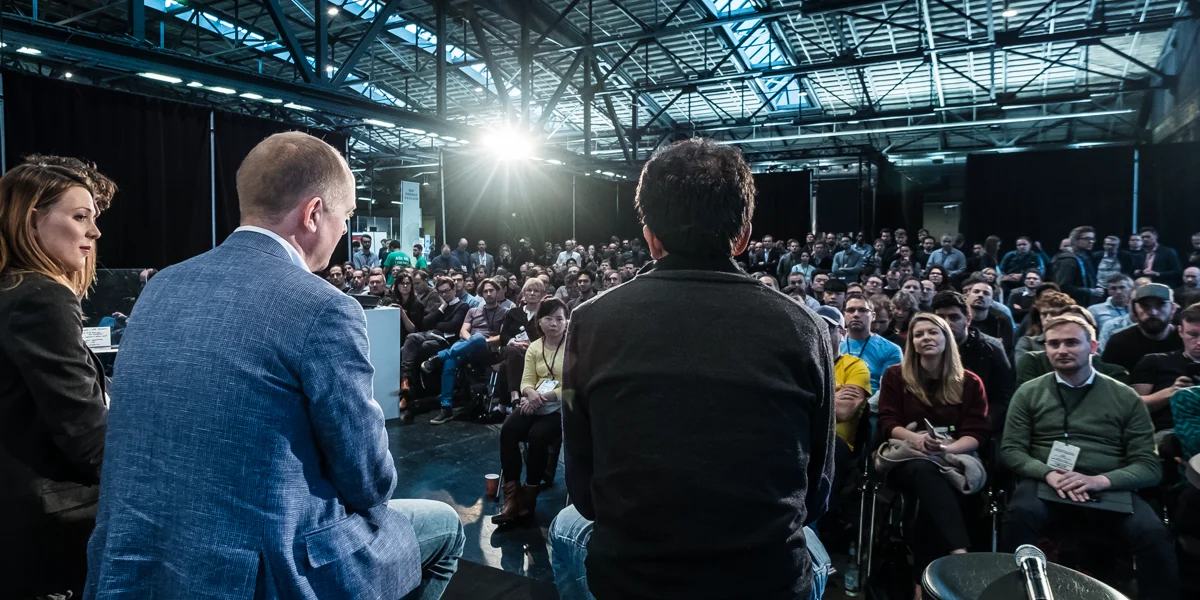
The event is expected to draw more than 10,000 attendees, ranging from early-stage entrepreneurs to seasoned institutional investors. The Builders Stage is one of six industry-focused stages at Disrupt 2026, positioning itself as the "how-to" hub for the conference. While other stages may focus on the philosophical implications of emerging technology or specific sector deep-dives, the Builders Stage is curated to address the immediate, actionable needs of those in the trenches of company building.
The Evolution of TechCrunch Disrupt and the Builders Mission
Since its inception, TechCrunch Disrupt has been synonymous with the "Startup Battlefield," a competition that has launched companies such as Dropbox, Cloudflare, and Mint. However, as the venture landscape has matured, the conference has expanded its remit to support founders beyond the initial pitch. The Builders Stage represents this evolution, recognizing that the challenges of 2026—characterized by a more disciplined capital environment and the rapid integration of artificial intelligence into every layer of the corporate stack—require a different set of survival skills than those of the previous decade.
The 2026 agenda reflects a market that demands efficiency alongside innovation. With venture capital firms increasingly prioritizing "revenue quality" and "retention" over "growth at all costs," the Builders Stage sessions have been structured to address the specific friction points of the current economic cycle. This includes the transition from seed funding to Series A, a milestone that has become increasingly difficult to achieve as investor benchmarks have tightened.
Strategic Navigations in an AI-Centric Market
A significant portion of the Builders Stage agenda is dedicated to the "AI reality check." As foundational models from giants like OpenAI and Anthropic continue to expand their capabilities, many startups face the risk of their entire product roadmap being rendered obsolete by a single platform update.
One of the cornerstone sessions, "What Happens When OpenAI Ships Your Roadmap," features Michel Tricot (CEO of Airbyte), Rob Toews (Partner at Radical Ventures), and Linda Tong (CEO of Webflow). This panel is expected to provide a critical analysis of defensibility in the age of large language models (LLMs). Analysts suggest that for many startups, the "moat" is no longer the technology itself, but the proprietary data and the specific workflow integration they provide.

Furthermore, the agenda acknowledges the "AI fatigue" affecting some corners of the investment world. The session "How to Win When You’re Not Building AI," featuring Shan Shan of Baillie Gifford and Yuri Sagalov of General Catalyst, will address the silent majority of startups that are building essential infrastructure or services without a primary AI focus. This discussion will highlight how disciplined execution and fundamental business metrics can still attract significant capital in a market often distracted by hype.
The 2026 Capital Landscape: From Pre-Seed to M&A
The fundraising environment has undergone a fundamental shift, a topic that permeates the Builders Stage schedule. Data from the first half of 2025 indicated that while total venture funding remained stable, the concentration of capital in "high-conviction" deals has left many mid-tier startups struggling to secure follow-on rounds.
To address this, the session "The Series A in 2027" will bring together Jahanvi Sardana (Index Ventures), Shailendra Singh (Peak XV), and Janelle Teng Wade (Bessemer Venture Partners). These investors will provide a forward-looking perspective on what "fundable" metrics will look like in the coming 12 to 24 months. According to industry reports, the average ARR (Annual Recurring Revenue) required for a Series A has climbed by nearly 40% since 2021, making the "0-to-10M ARR" playbook more critical than ever.
Additionally, the agenda highlights a growing trend: M&A as an early-stage strategy rather than an afterthought. Karl Alomar (M13) and Aklil Ibssa (Coinbase) will lead a discussion on "M&A Is Now an Early-Stage Strategy," exploring how founders can build companies with acquisition in mind from day one. In a market where the IPO window remains unpredictable, strategic acquisitions have become a primary exit path for innovative startups that may lack the scale for a public offering but possess valuable intellectual property or talent.
Operational Excellence and Product Management at Scale
Scaling a product from a Minimum Viable Product (MVP) to a platform serving millions is a recurring theme for the 2026 Builders Stage. Robby Stein, VP of Product at Google, will headline a fireside chat titled "From MVP to Billions of Users." This session is particularly relevant as startups today are reaching global scale faster than ever before due to cloud infrastructure and viral distribution channels. Stein is expected to share insights on how decision-making frameworks must evolve to balance the need for rapid innovation with the responsibility of maintaining system reliability for a massive user base.
The human element of scaling is also addressed through sessions on hiring and culture. The session "Hiring When AI Is a Co-Founder," featuring Josh Reeves (CEO of Gusto), will explore the "hybrid team" model. As AI agents increasingly handle routine engineering and administrative tasks, the definition of an "early hire" is changing. Founders must now decide which roles require human empathy and strategic intuition and which can be automated, a decision that has profound implications for company culture and long-term overhead.
The Psychological Realities of the Founder Journey
In a departure from purely technical and financial topics, TechCrunch Disrupt 2026 will host a candid conversation titled "Yes, It’s Hard to Be a Founder: An Honest Conversation." Featuring Nell Daly (Revenge Capital) and David H. Rosmarin of Harvard Medical School, the session aims to de-stigmatize the mental health challenges associated with high-growth entrepreneurship.

Recent studies have shown that founders are significantly more likely to experience burnout and depression than the general population. By including mental performance and psychological resilience on the Builders Stage, TechCrunch is acknowledging that the "human infrastructure" of a startup is just as vital as its technical or financial components.
Chronology and Logistics for Disrupt 2026
The announcement of the Builders Stage agenda marks the beginning of the final countdown to the October event. The timeline for TechCrunch Disrupt 2026 includes several key milestones for the community:
- July 2026: Initial speaker reveal and early-bird ticket pricing.
- August 2026: Announcement of the Startup Battlefield 200, the top 200 startups selected to exhibit at the event.
- September 2026: Finalization of the full 300+ session agenda across all six stages.
- October 13-15, 2026: Main event at the Moscone Center.
Attendees who register before the next pricing tier increase can save up to $330 on their passes. The conference offers various tiers, including General Admission, Founder, and Investor passes, each providing different levels of access to networking tools and side events.
Market Implications and Broader Impact
The focus of the Builders Stage at Disrupt 2026 reflects a broader stabilization of the tech industry. After the volatility of the early 2020s, the "Builder" ethos represents a return to fundamentals. The emphasis on "Product-Market Fit (PMF) Red Flags," led by experts like Rahul Vohra of Superhuman, suggests that the industry is moving away from vanity metrics toward durable, retention-based growth.
For the San Francisco tech hub, the return of 10,000 attendees to the Moscone Center is also a significant economic indicator. As the city continues its post-pandemic recovery, events like TechCrunch Disrupt reaffirm San Francisco’s status as the "AI Capital of the World" and the central node for the global venture capital network.
The Builders Stage agenda serves as a barometer for the startup world’s priorities. In 2026, those priorities are clear: navigating the AI revolution with defensible strategies, achieving capital efficiency in a demanding funding environment, and maintaining the mental and operational resilience required to scale in a hyper-competitive global market. As founders and investors gather this October, the conversations on the Builders Stage will likely set the tone for the next wave of innovation in the technology sector.