admin
admin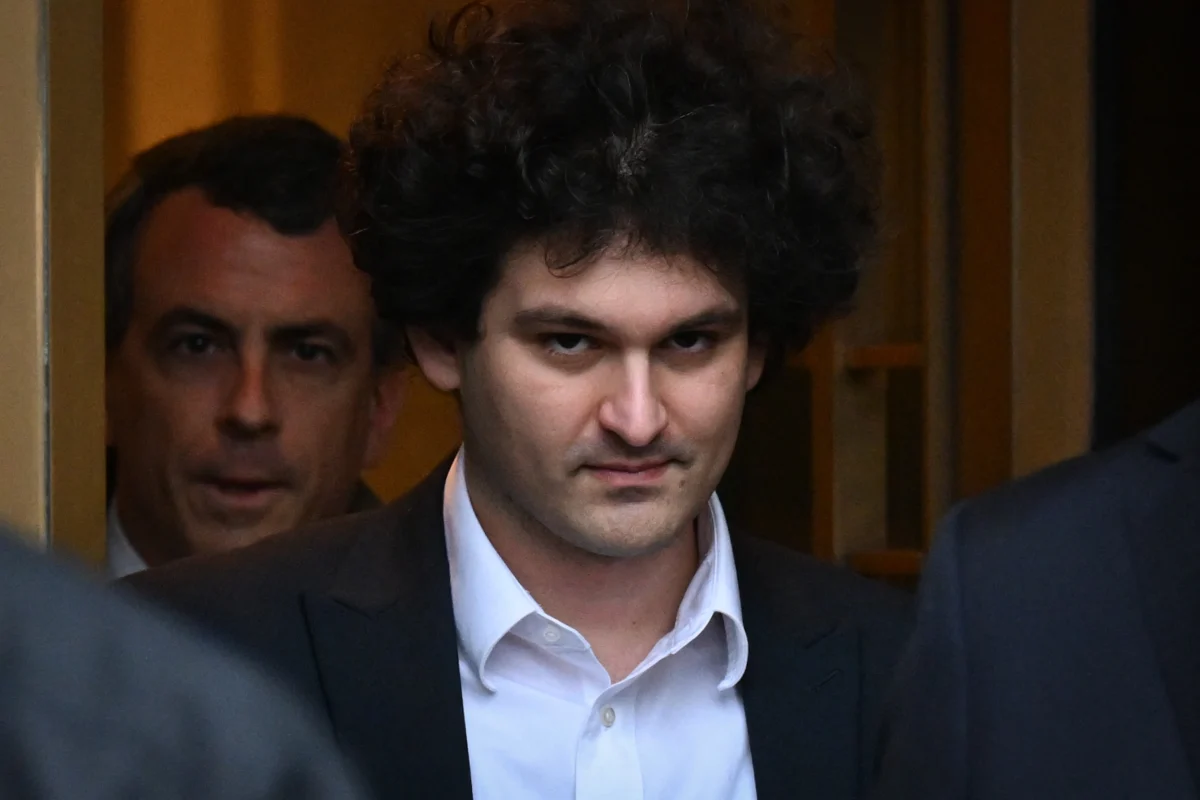
Sam Bankman-Fried, the disgraced co-founder and former CEO of the collapsed cryptocurrency exchange FTX, has officially submitted a petition for a presidential pardon to the United States Department of Justice. The application, which appeared on the website of the Office of the Pardon Attorney, marks a significant legal maneuver for the former billionaire who is currently serving a 25-year federal prison sentence. Bankman-Fried was convicted in late 2023 on seven counts of fraud, conspiracy, and money laundering following the spectacular 2022 collapse of his crypto empire, which resulted in the loss of billions of dollars in customer funds.
The move comes at a time when the use of executive clemency has become a focal point of national political discourse. President Donald Trump, during his second term, has demonstrated a consistent willingness to exercise his Article II constitutional powers to pardon or commute the sentences of individuals convicted of financial crimes. While a substantial portion of recent pardons has been granted to individuals involved in the January 6 Capitol breach, a significant and growing percentage has been directed toward defendants in high-stakes white-collar cases.
The Rise and Fall of the FTX Empire
To understand the gravity of Bankman-Fried’s petition, one must look at the unprecedented scale of the FTX collapse. Founded in 2019, FTX quickly ascended to become one of the world’s largest cryptocurrency exchanges, valued at a peak of $32 billion. Bankman-Fried, often referred to by his initials "SBF," became the face of the industry, appearing on magazine covers and testifying before Congress as a proponent of sensible regulation.
However, the facade crumbled in November 2022 when a report by CoinDesk revealed that Bankman-Fried’s hedge fund, Alameda Research, held a massive position in FTT, a token created by FTX. This revelation triggered a liquidity crisis as customers rushed to withdraw their funds. The subsequent bankruptcy filing exposed a staggering $8 billion deficit in customer accounts. Prosecutors later proved that Bankman-Fried had systematically diverted customer deposits to Alameda Research to cover trading losses, purchase luxury real estate in the Bahamas, and fund over $100 million in political contributions.
During his trial in the Southern District of New York, federal prosecutors characterized the scheme as one of the largest financial frauds in American history. Bankman-Fried’s defense team argued that the losses were the result of market volatility and poor management rather than criminal intent, but a jury took less than five hours to return a unanimous guilty verdict on all counts.
The 25-Year Sentence and the Legal Threshold for Clemency
In March 2024, U.S. District Judge Lewis Kaplan sentenced Bankman-Fried to 25 years in prison, significantly less than the 40 to 50 years sought by prosecutors but far more than the six years requested by the defense. Judge Kaplan noted during sentencing that Bankman-Fried had committed perjury during his testimony and showed a "disturbing" lack of remorse for the victims of the fraud.
A presidential pardon is an extraordinary form of relief that effectively wipes out a federal conviction, while a commutation shortens the duration of a sentence. For Bankman-Fried, a full pardon would restore his civil rights and remove the legal stigma of his conviction, whereas a commutation would allow for his early release from the Federal Correctional Institution in Mendota, California.
The formal application through the Justice Department’s Office of the Pardon Attorney is the traditional route for clemency. This process typically involves a thorough investigation by the DOJ and a recommendation to the President. However, President Trump has frequently bypassed this bureaucratic channel, granting pardons based on personal appeals, media coverage, or recommendations from political allies.
Analysis of Recent Pardon Trends and White-Collar Crime
Bankman-Fried’s application enters a political environment where white-collar defendants have found success in obtaining executive mercy. An analysis by NBC News conducted in early 2025 revealed that more than 50% of the individual pardons granted during the current administration were for non-violent financial crimes. These include convictions for bank fraud, wire fraud, and money laundering—the very charges for which Bankman-Fried was convicted.
According to the data, these pardons have collectively forgiven hundreds of millions of dollars in court-ordered restitution and fines. Critics of this trend argue that it undermines the deterrent effect of the justice system and creates a "two-tiered" legal framework where wealthy or politically connected individuals can escape the consequences of their actions. Supporters of the President’s clemency strategy, however, often argue that the Department of Justice overreaches in financial prosecutions and that executive intervention is a necessary check on "prosecutorial zeal."
The Bloomberg report highlighting Bankman-Fried’s application noted that he is one of the few high-profile petitioners to follow the official DOJ protocol. Many other recipients of Trump’s pardons did not have active files with the Pardon Attorney’s office at the time their clemency was announced.
Chronology of the Bankman-Fried Case
The timeline of Sam Bankman-Fried’s legal journey provides context for his current petition:
- May 2019: FTX is founded in Hong Kong, later moving its headquarters to the Bahamas.
- November 2, 2022: A leaked balance sheet reveals the interconnectedness between FTX and Alameda Research.
- November 11, 2022: FTX, Alameda Research, and roughly 130 affiliated companies file for Chapter 11 bankruptcy.
- December 12, 2022: Bankman-Fried is arrested in the Bahamas at the request of the U.S. government.
- August 11, 2023: Bankman-Fried’s bail is revoked after Judge Kaplan finds he attempted to witness-tamper by sharing the private journals of Caroline Ellison with the New York Times.
- November 2, 2023: After a month-long trial, Bankman-Fried is convicted on all seven counts of fraud and conspiracy.
- March 28, 2024: Judge Kaplan sentences Bankman-Fried to 25 years in prison and orders the forfeiture of $11 billion.
- Early 2025: Bankman-Fried formally files for a presidential pardon through the Department of Justice.
Political Contributions and Public Reaction
The petition is likely to face intense scrutiny due to Bankman-Fried’s history as a prolific political donor. During the 2022 election cycle, he was one of the largest contributors to Democratic candidates and causes, though he later claimed in interviews that he also made "dark money" donations to Republicans to maintain a balanced public image.
The prospect of a pardon for Bankman-Fried has already drawn sharp reactions from across the political and financial spectrum. Consumer advocacy groups and representatives of the thousands of FTX creditors—many of whom lost their life savings—have expressed outrage at the possibility.
"A pardon for Sam Bankman-Fried would be a slap in the face to every victim who was lied to and defrauded," said one legal analyst specializing in financial crimes. "The justice system worked in this case; the evidence was overwhelming, and the sentence was appropriate for the scale of the theft."
Conversely, some proponents of the cryptocurrency industry have argued that Bankman-Fried was unfairly singled out as a scapegoat for broader market failures. While few defend his specific actions, there is a segment of the "crypto-libertarian" community that views federal oversight of digital assets as an unconstitutional overreach, potentially providing a thematic opening for a clemency argument focused on government over-regulation.
Implications for the Justice System and Crypto Industry
The outcome of this pardon application will have lasting implications for both the American legal system and the future of the cryptocurrency industry. If granted, it could signal a shift in how the federal government views "financial innovation" versus "financial fraud." It would also likely spark a renewed debate over the limits of the presidential pardon power.
From a regulatory standpoint, the FTX collapse was the primary catalyst for the current "regulation by enforcement" era led by the Securities and Exchange Commission (SEC) and the Commodity Futures Trading Commission (CFTC). A pardon for the central figure of that collapse could complicate ongoing efforts to establish a rigorous regulatory framework for digital assets, as it might be perceived as a softening of the government’s stance on industry accountability.
Furthermore, the petition highlights the role of the Pardon Attorney’s office in the modern era. If the President chooses to act on this formal application, it would reinforce the traditional clemency process. If he acts independently of it, or ignores it entirely, it will continue the trend of the pardon power becoming a more personal and political instrument of the executive branch.
As of the current filing, the White House has not issued a formal statement regarding the Bankman-Fried petition. The Justice Department typically does not comment on pending clemency applications. Bankman-Fried remains incarcerated at the Mendota facility, awaiting a decision that could either uphold his 25-year term or grant him a controversial return to freedom.