admin
admin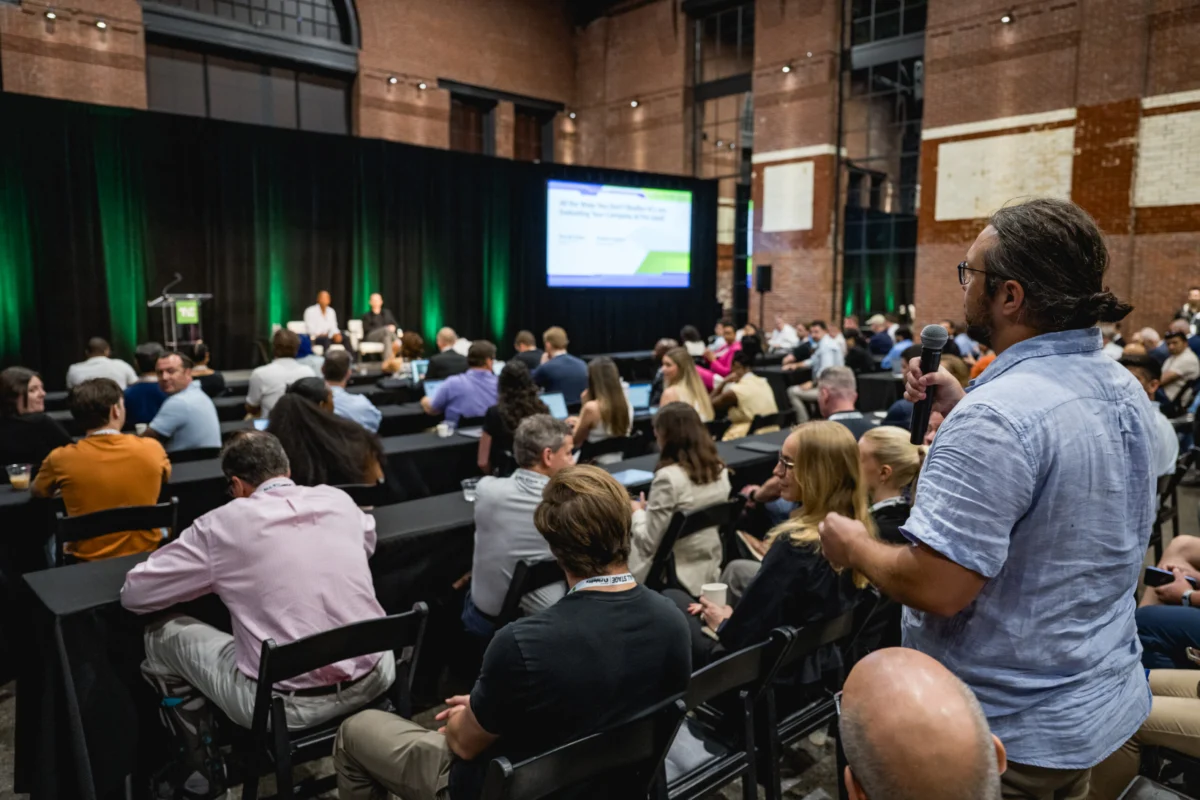
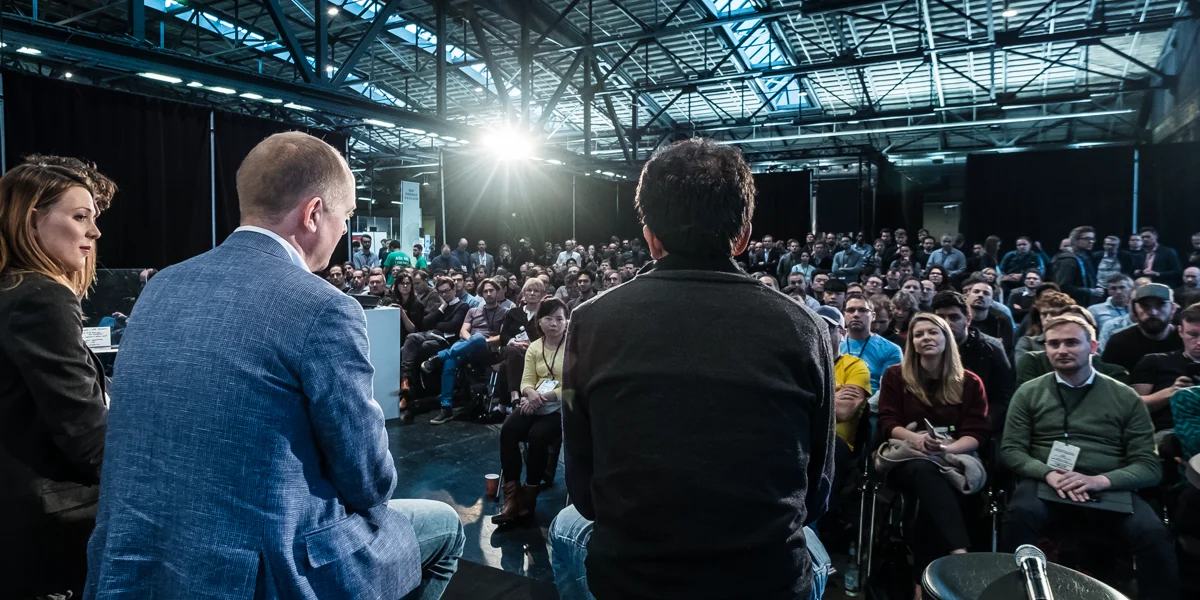
The global startup ecosystem is currently navigating a transformative period characterized by shifting venture capital priorities and an increased emphasis on sustainable growth models. In this context, the TechCrunch Founder Summit 2026 has emerged as a critical focal point for entrepreneurs seeking to refine their operational strategies and secure the necessary resources for long-term viability. Scheduled to take place on November 4, 2026, in Boston, the summit is designed to serve as a high-density networking and educational hub for more than 1,000 founders and investors. As the event approaches, organizers have issued a final call for the Early Bird registration phase, which offers significant cost savings for participants who secure their passes before the June 26 deadline.
The TechCrunch Founder Summit distinguishes itself from broader technology conferences by maintaining a rigorous focus on the specific needs of the founder. While traditional industry expos often prioritize product showcases and consumer-facing announcements, this summit is architected around the "founder journey." This includes the granular challenges of early-stage fundraising, the complexities of scaling revenue in a volatile market, and the human capital requirements of building a resilient team. By concentrating on these core pillars, the event aims to provide actionable intelligence rather than theoretical abstractions.
Strategic Timing and the Early Bird Deadline
The immediate priority for the startup community is the impending expiration of Early Bird ticket pricing. Founders and investors have until June 26 at 11:59 p.m. PT to take advantage of reduced rates, which offer savings of up to $190 per individual pass. Furthermore, the event encourages collaborative attendance through group discounts, allowing teams of four or more to save up to 30% on registration costs.
This tiered pricing structure reflects a broader trend in the professional events industry, where early commitment allows organizers to better tailor the curriculum to the specific demographics of the attendees. Historically, those who register early for TechCrunch summits gain earlier access to networking platforms and the ability to influence the event’s "Call for Content," a democratic process where the audience helps select the breakout sessions and roundtable topics that will define the November agenda.
Chronology of the 2026 Summit Cycle
The road to the TechCrunch Founder Summit 2026 follows a structured timeline designed to maximize engagement and content relevance. The cycle began in early 2026 with the announcement of Boston as the host city, a move that signals a strategic embrace of the East Coast’s robust deep-tech and life sciences corridors.

Following the June 26 Early Bird deadline, the summit enters its mid-cycle phase, during which the full speaker lineup and specific session tracks are finalized. During this period, the "Call for Content" remains a vital component. By allowing founders to submit and vote on topics, TechCrunch ensures that the discussions on November 4 reflect the most pressing concerns of the current year, such as the integration of generative AI into B2B workflows or navigating the regulatory landscape of 2026.
By late September, the event’s digital networking tools are expected to go live, enabling attendees to schedule one-on-one meetings in advance. This lead-up culminates in the full-day summit on November 4, featuring a mix of keynote presentations, moderated roundtables, and high-intensity networking blocks.
The Boston Ecosystem as a Strategic Backdrop
The selection of Boston as the venue for the 2026 summit is a calculated decision that reflects the city’s status as a premier global hub for innovation. While Silicon Valley remains a dominant force, Boston’s ecosystem offers a unique synergy between academic excellence and industrial application. Home to institutions such as MIT and Harvard, the city has become a magnet for venture capital, particularly in sectors requiring high technical sophistication, such as robotics, biotechnology, and advanced materials.
Data from the previous fiscal years indicates that the Boston metropolitan area consistently ranks among the top regions for venture capital investment in the United States. For founders, the proximity to specialized investors who understand long-term R&D cycles is a significant advantage. The Founder Summit leverages this local expertise by drawing on Boston-based operators and venture firms—such as Underscore VC and Glasswing Ventures—to provide localized insights that have global applicability.
Programmatic Focus: Practicality Over Theory
The curriculum of the Founder Summit is built on the premise that "founders don’t grow alone." The sessions are categorized into several critical tracks designed to address different stages of the startup lifecycle.
Fundraising and Capital Allocation
In 2026, the fundraising environment has moved away from the "growth at all costs" mentality of the early 2020s. Today’s investors are looking for "efficient growth" and clear paths to profitability. Summit sessions are expected to cover the nuances of Series A and B rounds in this new climate, including how to manage cap table pressure and the rise of alternative financing models.

Operational Scaling and Revenue Growth
Scaling a company from a ten-person team to a hundred-person organization involves significant structural risks. Past summit topics, which serve as a blueprint for the 2026 agenda, have included "Hiring Your First 100 Employees" and "Scaling Revenue Beyond the Initial Product-Market Fit." These sessions are often led by operators who have recently navigated these transitions, providing a "view from the trenches" that is often missing from academic business literature.
Peer-to-Peer Learning and Roundtables
Perhaps the most valued aspect of the Founder Summit is its emphasis on peer-to-peer exchange. Roundtable discussions are limited in size to ensure that every participant can contribute to the conversation. This format allows founders to discuss sensitive issues—such as founder-CEO transitions or pivot strategies—in a candid, professional environment.
Supporting Data: The Impact of Mentorship and Networking
The necessity of events like the Founder Summit is supported by data regarding startup success rates. Industry research consistently shows that founders who have access to a robust network of mentors and peers are significantly more likely to scale their businesses successfully. According to various longitudinal studies of tech ecosystems, startups with "connected" founders—those who actively participate in industry-specific summits and mentorship programs—experience higher rates of follow-on funding and are more resilient during economic downturns.
Furthermore, the 2026 summit arrives at a time when the "loneliness of the founder" is increasingly recognized as a business risk. By facilitating 1,000+ connections in a single day, the event provides a concentrated dose of social and professional capital that might otherwise take months to accumulate.
Broader Impact and Industry Implications
The TechCrunch Founder Summit 2026 is more than just a regional gathering; it is a barometer for the health of the broader startup economy. The themes that emerge from the Boston summit often signal the priorities for the upcoming investment year. If the 2026 discussions focus heavily on sustainable unit economics, it is a clear indicator that the venture community will continue to reward fiscal discipline over raw user acquisition.
Additionally, the summit’s "Call for Content" serves as a crowdsourced intelligence report. By analyzing the topics that receive the most votes from the founder community, industry analysts can identify emerging pain points and opportunities. This feedback loop ensures that the summit remains an evolving entity, directly responsive to the shifts in the technological and economic landscape.

Historical Context and Legacy of Excellence
TechCrunch has a long-standing history of producing events that define the tech industry’s narrative. From the high-stakes competition of Startup Battlefield to the expansive reach of Disrupt, the organization has consistently provided a platform for innovation. The Founder Summit represents the evolution of this legacy—a more intimate, focused iteration designed for the serious builder.
Previous speakers at TechCrunch events have included some of the most influential figures in technology and finance, representing firms like Sequoia Capital, Greylock, and Precursor Ventures. While the 2026 lineup is currently being finalized, the involvement of these high-tier organizations ensures that the advice provided is grounded in the realities of high-stakes company building. The presence of these firms also provides founders with a rare opportunity to engage with the individuals who hold the keys to the next stage of their company’s growth.
Final Logistics and Participation Benefits
As the June 26 Early Bird deadline approaches, the urgency for founders to finalize their plans is increasing. Beyond the financial incentives, early registration allows participants to integrate the summit into their long-term strategic planning for the fourth quarter of 2026.
The event’s structure is optimized for efficiency, recognizing that a founder’s time is their most precious resource. The full day of programming in Boston is designed to deliver a high return on time invested, providing a year’s worth of insights and connections in a single, well-organized window.
For those interested in shaping the conversation, the window to submit topics for breakouts and roundtables remains open. This participation ensures that the 2026 summit is not just an event for founders, but an event by founders. Whether a startup is preparing for its first major milestone or scaling toward an exit, the TechCrunch Founder Summit 2026 offers the tools, the network, and the strategic insights necessary to navigate the complexities of the modern business world.
In summary, the TechCrunch Founder Summit 2026 stands as a pivotal event for the entrepreneurial community. By securing a pass before the June 26 Early Bird deadline, founders can ensure their place at the table in Boston this November, joining a cohort of over 1,000 peers and investors dedicated to the art and science of building the future.