admin
admin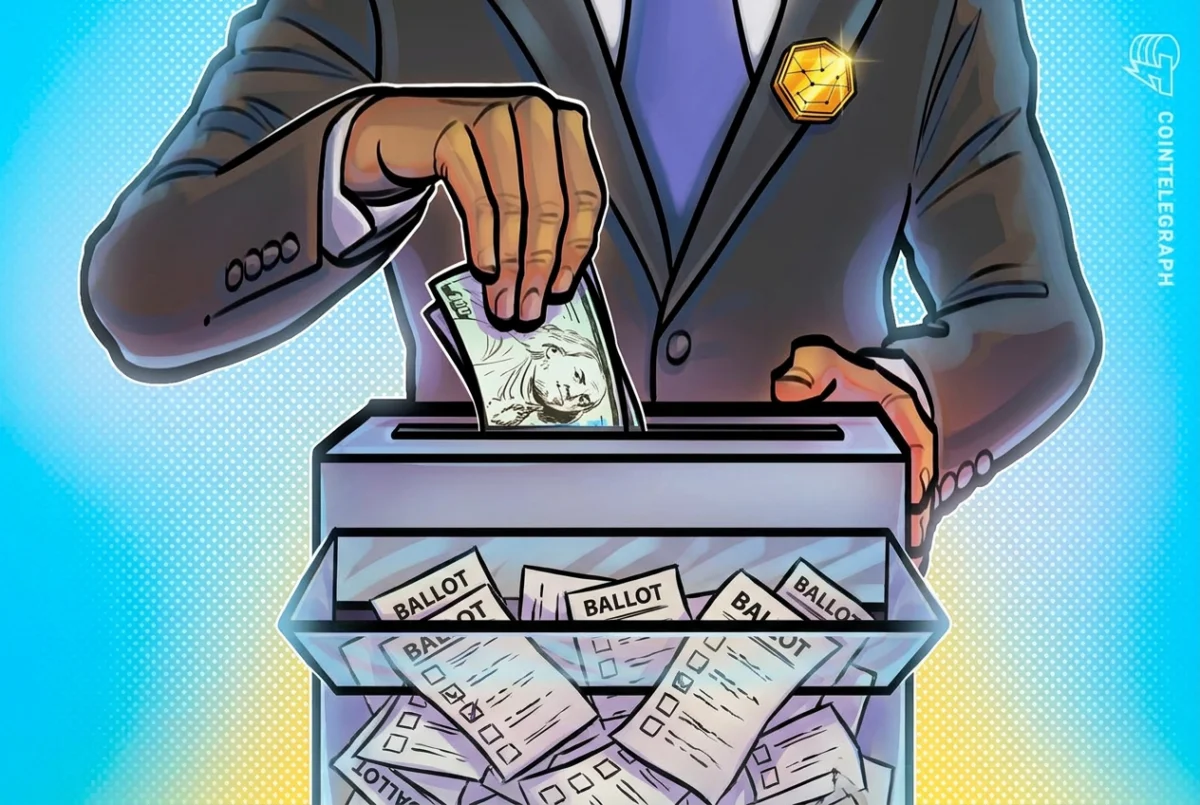
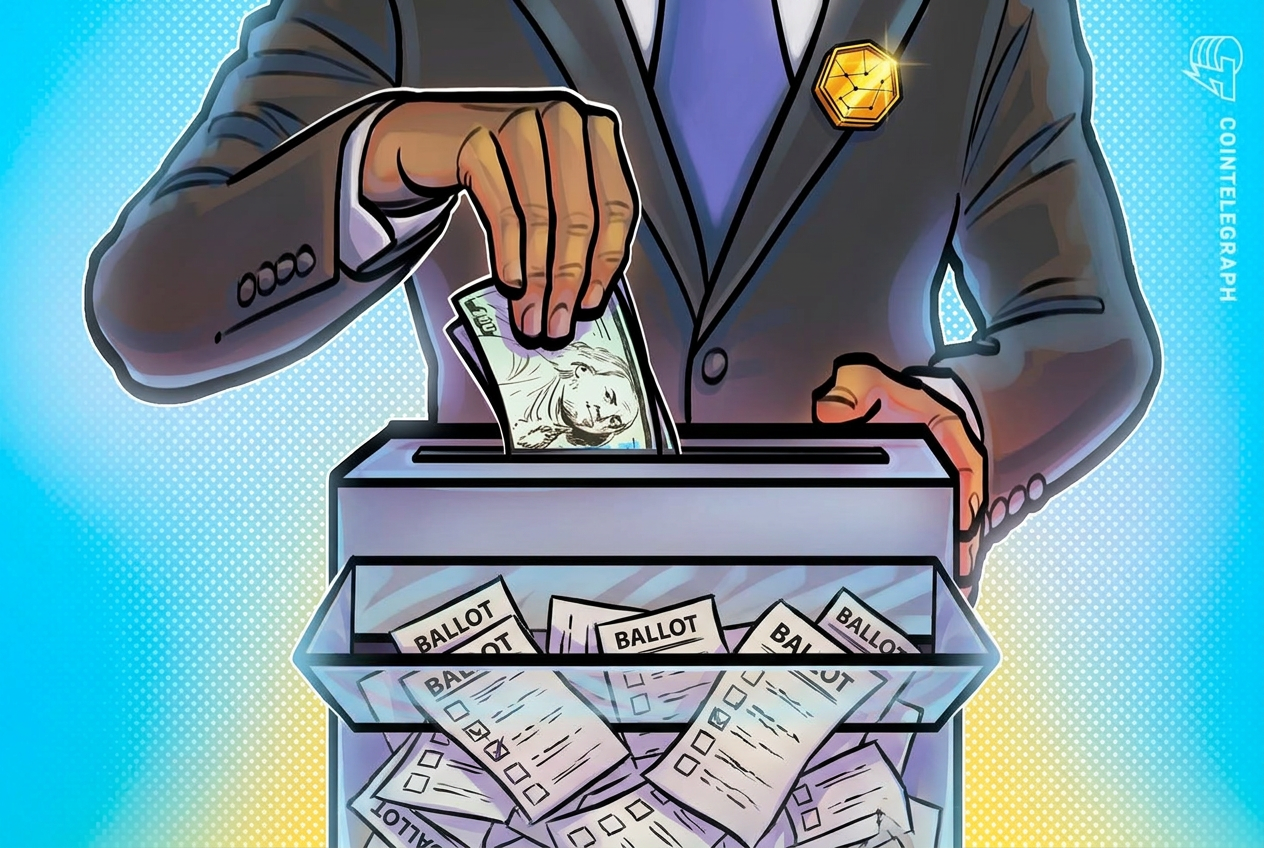
An affiliate of a political action committee (PAC) largely funded by significant contributions from cryptocurrency giants Ripple Labs and Coinbase has dramatically escalated its spending on advertisements for the upcoming primary race in Michigan’s 13th Congressional District. This surge in financial commitment underscores a broader, intensifying effort by the cryptocurrency industry to shape the political landscape and influence legislative outcomes across the United States.
According to Federal Election Commission (FEC) filings updated as of Thursday, the Protect Progress PAC has now spent more than a combined $2 million on media campaigns. These expenditures are strategically directed to bolster support for Michigan Representative Shri Thanedar, the incumbent Democrat in the 13th district, while simultaneously opposing his primary challenger, Donavan McKinney. The most recent filings reveal a substantial acceleration in spending, effectively doubling the amount the PAC had reported just a week prior. This latest injection of funds includes an additional $884,240 dedicated to pro-Thanedar ads and more than $150,000 aimed at discrediting McKinney, highlighting the PAC’s aggressive engagement in this particular primary contest.
The Expanding Footprint of Crypto PACs in U.S. Elections
The increased financial activity in Michigan is not an isolated incident but rather a potent illustration of the cryptocurrency industry’s burgeoning political power and its strategic, multi-state approach to influencing elections. PACs like Protect Progress, an affiliate of the formidable Fairshake PAC, represent a new and well-funded force in American politics, channeling significant capital into races deemed critical for advancing crypto-friendly policies.
Political action committees (PACs) are organizations that pool campaign contributions from members and donate those funds to campaigns for or against candidates, ballot initiatives, or legislation. Super PACs, like Fairshake and its affiliates, are particularly potent because they can raise and spend unlimited amounts of money to support or oppose political candidates, as long as they do not coordinate directly with the campaigns. This structure allows them to deploy vast sums rapidly, often with considerable impact on public perception and candidate viability.
The cryptocurrency industry, having matured significantly over the past decade, now faces a complex and often uncertain regulatory environment. Proponents argue that clear, consistent, and innovation-friendly regulations are crucial for the sector’s continued growth and for establishing the United States as a global leader in blockchain technology. This desire for regulatory clarity and a supportive legislative framework is the primary driver behind the formation and aggressive spending of these crypto-backed PACs. They aim to elect candidates who understand the technology, appreciate its potential, and are willing to legislate in a manner that fosters its development rather than stifles it.
Fairshake PAC itself has emerged as a dominant player in this space, responsible for spending more than $170 million in the 2024 U.S. election cycle alone, primarily through media campaigns supporting candidates aligned with its crypto industry-friendly policy agenda. The Michigan primary, scheduled for Tuesday, August 6th, represents just one battleground in a much broader strategy. Fairshake and its affiliates have already committed millions of dollars to upcoming 2026 races in key states such as Texas, Illinois, and others, signaling a long-term commitment to shaping legislative bodies at all levels.
Shri Thanedar’s Legislative Record and Industry Support
Representative Shri Thanedar’s legislative actions during his tenure in the U.S. House of Representatives clearly align with the objectives of the crypto industry. He has consistently voted in favor of legislation designed to provide regulatory clarity and support for digital assets. Notably, Thanedar supported the stablecoin-focused GENIUS Act, a bill aimed at establishing a comprehensive regulatory framework for stablecoins, which are cryptocurrencies pegged to stable assets like the U.S. dollar. Such legislation is critical for the crypto market, as stablecoins are often used as a bridge between traditional finance and the volatile cryptocurrency markets, and their regulatory status has been a significant point of contention.
Furthermore, Thanedar backed the Digital Asset Market Clarity (CLARITY) Act, a crypto market structure bill currently under consideration in the Senate. The CLARITY Act seeks to define and categorize various digital assets, aiming to provide a clearer regulatory pathway for crypto companies and investors. This type of legislation is highly sought after by the industry, which has long grappled with a fragmented and often ambiguous regulatory landscape, leading to uncertainty and hindering innovation.
In an additional show of support for the burgeoning blockchain ecosystem, Thanedar also co-sponsored the Promoting Innovation in Blockchain Development Act. This bill is designed to protect developers within the blockchain space, potentially shielding them from certain liabilities and fostering an environment conducive to technological advancement without undue legal burdens. Collectively, these legislative efforts demonstrate Thanedar’s consistent alignment with the policy priorities championed by the cryptocurrency sector, making him a natural recipient of significant PAC funding.
Challenger Donavan McKinney’s Accusations and the Trump Connection
The substantial influx of crypto PAC money into the Michigan primary has not gone unnoticed by Thanedar’s challenger, Donavan McKinney. In a scathing statement issued on July 21, McKinney directly criticized the PAC spending, asserting that "the crypto lobby is paying my opponent back for helping Trump make over $1 billion since taking office." This pointed accusation draws a direct line between Thanedar’s legislative support for crypto and alleged financial gains by former President Donald Trump, linking the local primary race to national political controversies.
McKinney’s reference to Trump likely stems from widely reported financial disclosures indicating that the former U.S. President earned more than $1.4 billion from crypto investments in 2025. These earnings reportedly included profits from his own memecoin, Official Trump (TRUMP), and through his family’s business, World Liberty Financial. Many Democrats and political observers have raised concerns that Trump has used his position to profit from the presidency, and legislation like the GENIUS Act, which Thanedar supported, has been cited by some critics as potentially contributing to an environment where such profits could be realized. While McKinney’s statement suggests a quid pro quo, it reflects a broader narrative among some critics that the crypto industry’s political donations are designed to secure favorable legislation that benefits specific individuals or entities, potentially at the expense of broader public interest.
Both Cointelegraph, the original publisher of this report, and other news outlets attempted to reach out to the campaigns of both Representative Thanedar and Donavan McKinney for comments regarding the PAC expenditures. However, as of the time of reporting, neither campaign provided an immediate response to the inquiries, a common occurrence when campaigns navigate sensitive topics like external financial support.
Broader Reach: Fairshake’s Strategy Beyond Michigan
The influence of Fairshake and its affiliates extends far beyond the Michigan 13th Congressional District. The consumer advocacy group Public Citizen, a non-profit organization focused on corporate accountability, reported in June that Fairshake and its associated PACs were responsible for an astonishing $82 million out of the approximately $189 million that crypto companies had collectively spent in the 2026 election cycle. This highlights Fairshake’s singular dominance in crypto political spending. As of January, Fairshake itself reported holding a staggering $193 million war chest, positioning it as one of the most financially potent special interest groups in contemporary American politics. This substantial reserve indicates the PAC’s capacity for sustained and expansive intervention in future electoral contests.
The strategic deployment of these funds is evident in other upcoming primary races. In addition to Michigan, the Fairshake affiliate Defend American Jobs PAC has also focused its resources on Washington’s 4th congressional district. FEC filings reveal that Defend American Jobs spent over $65,000 on media to support a Republican candidate in that race, where primaries are scheduled for the same day as Michigan’s. This bipartisan spending strategy demonstrates the crypto lobby’s commitment to supporting candidates, regardless of party affiliation, who are perceived as favorable to their policy agenda.
Alabama, with its primaries slated for August 11, has similarly become a focal point for Fairshake’s efforts. FEC filings show that Defend American Jobs poured more than $511,000 into media campaigns to support Jerry Carl Jr., a Republican who previously represented the state’s 1st congressional district from 2021 to 2025. Carl’s background is noteworthy; he was among the wealthiest members of Alabama’s House delegation, with a reported net worth of up to $15 million in 2023. Supporting candidates with established financial acumen and a track record in Congress might be seen as a strategic move to ensure experienced advocates for crypto policies in legislative chambers.
Implications for the Electoral Process and Regulatory Future
The immense and rapidly deployed financial resources of crypto-backed PACs like Fairshake and its affiliates raise significant questions about the future of U.S. elections and the legislative process.
Impact on Electoral Outcomes: The sheer volume of spending in specific primary races can profoundly influence voter perception and candidate visibility. In lower-turnout primary elections, even a few hundred thousand dollars in targeted advertising can significantly sway results, potentially overshadowing grassroots efforts or less well-funded campaigns. This raises concerns about whether such spending allows a well-funded special interest group to effectively "buy" influence or even election outcomes, rather than allowing voters to decide based purely on a candidate’s merits or local issues.
Regulatory Capture Concerns: Critics often warn about the risk of regulatory capture when an industry exerts such overwhelming financial influence on the political process. The fear is that legislation designed to provide regulatory clarity might ultimately favor industry players’ interests at the expense of consumer protection, financial stability, or anti-money laundering efforts. The balance between fostering innovation and ensuring robust oversight is delicate, and heavy PAC spending can tilt that balance.
Bipartisan Strategy and Long-Term Influence: The willingness of these PACs to support candidates from both major parties (as seen with Thanedar, a Democrat, and Republicans in Washington and Alabama) indicates a sophisticated, long-term strategy aimed at building a broad base of support for crypto-friendly policies across the political spectrum. This approach seeks to normalize the industry’s legislative priorities, making them less susceptible to partisan gridlock and more likely to pass into law.
Transparency and Accountability: While FEC filings provide some level of transparency regarding PAC spending, the ultimate sources of funding and the precise nature of the influence exerted remain subjects of ongoing debate. Advocacy groups continue to push for greater transparency in political donations and spending to ensure public awareness of who is funding political campaigns and why.
The intensified spending by crypto-backed PACs in Michigan and other key primary races across the U.S. marks a significant moment in the intersection of technology, finance, and politics. As the industry continues to mature and seek regulatory certainty, its financial muscle is becoming an increasingly potent force in shaping the composition of Congress and the legislative agenda. The outcomes of these primary races will serve as crucial indicators of the crypto lobby’s effectiveness and the broader implications for American democracy and the future of digital asset regulation.