admin
admin
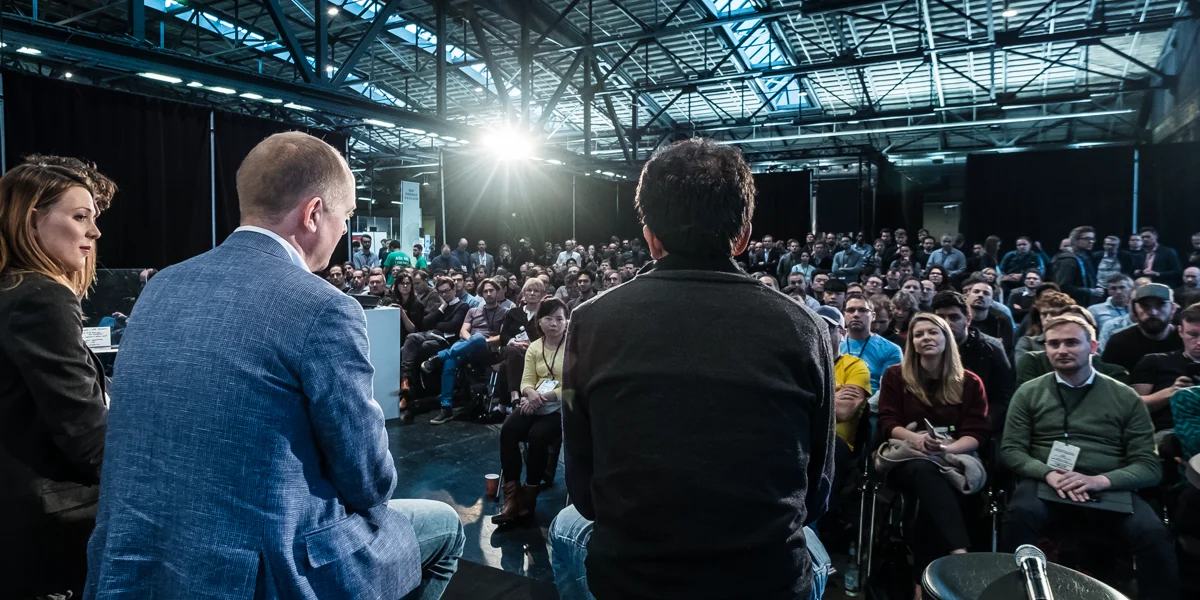
The global technology ecosystem is currently focusing its attention on a critical milestone in the 2026 venture capital and startup calendar. With only five days remaining until the Early Bird registration deadline on May 29 at 11:59 p.m. PT, thousands of founders, investors, and industry operators are moving to secure their participation in TechCrunch Disrupt 2026. Scheduled to take place at Moscone West in San Francisco from October 13 to October 15, 2026, the event represents a pivotal gathering for the advancement of early-stage companies and the facilitation of high-level deal flow.
The urgency surrounding the May 29 deadline is underscored by a significant price adjustment; registrants who act within this window can realize savings of up to $410 per ticket. Historically, TechCrunch Disrupt has served as a primary barometer for the health of the global startup economy, and the 2026 iteration arrives at a time when the industry is navigating a complex landscape of rapid artificial intelligence integration and shifting fundraising dynamics.
The Evolution of TechCrunch Disrupt: A Legacy of Innovation
Since its inception, TechCrunch Disrupt has evolved from a niche gathering of Silicon Valley insiders into a massive international summit that dictates market trends. The event is perhaps most famous for its "Startup Battlefield" competition, a high-stakes pitch contest that has historically served as a launchpad for some of the world’s most influential technology companies. Previous participants and winners of the Battlefield include industry giants such as Dropbox, Cloudflare, and Mint, which have collectively gone on to raise billions in follow-on funding and achieve multi-billion-dollar exits.
By 2026, the event has expanded its scope to address the entire lifecycle of a startup, from the "idea stage" to the initial public offering (IPO). The move to Moscone West, one of San Francisco’s most prestigious convention venues, signals a continued commitment to the city as the epicenter of the global tech industry, despite ongoing debates regarding geographic decentralization in the post-pandemic era.
Strategic Value and the Compression of Fundraising Cycles
In the current venture environment, the traditional methods of fundraising—characterized by cold outreach, delayed introductions, and extended periods of waiting for investor feedback—have become increasingly inefficient. TechCrunch Disrupt 2026 is designed to address these bottlenecks by facilitating direct, face-to-face access between capital providers and innovators.

Industry analysts suggest that the primary value of the summit lies in its ability to compress fundraising cycles. What typically requires months of back-and-forth communication via digital platforms can often be initiated and advanced within the three days of the conference. The 2026 event is expected to host more than 10,000 attendees, including a curated group of over 300 early-stage startups showcasing their technologies on the exhibition floor.
By providing a physical space for proximity, Disrupt allows investors to evaluate founders not just on their pitch decks, but on their real-time responses, vision, and operational intelligence. This "in-person signal" is increasingly viewed as a critical differentiator in an era where digital communication can sometimes obscure the nuances of leadership and technical viability.
Detailed Event Chronology and Key Programming
The structure of TechCrunch Disrupt 2026 is organized to maximize networking efficiency and educational depth. The three-day summit follows a rigorous schedule:
Day One: Opening Keynotes and Technical Tracks
The event typically commences with high-profile keynote addresses from major figures in the technology world. Past speakers have included luminaries such as Vinod Khosla, whose insights into long-term venture cycles and the future of AI have historically set the tone for the conference. The first day also opens the technical tracks, focusing on specialized sectors such as SaaS, Fintech, and Sustainability.
Day Two: The Startup Battlefield and Investor Receptions
The second day is centered on the Startup Battlefield competition, where a selected group of companies pitches to a panel of expert judges. Simultaneously, structured networking events and investor receptions begin to facilitate formal deal-making.
Day Three: Final Competitions and Scaling Strategies
The final day focuses on the "how-to" of scaling operations. Sessions led by active operators and top-tier investors provide tactical advice on navigating late-stage growth, managing international expansion, and preparing for M&A activity or public listings.

Throughout all three days, the event utilizes advanced matchmaking technology to facilitate over 20,000 curated meetings. This data-driven approach ensures that founders are paired with investors whose portfolios and interests align with their specific sectors and stages of growth.
Supporting Data: The Economic Impact of the Disrupt Ecosystem
The significance of TechCrunch Disrupt is supported by a substantial body of historical data. According to previous event reports, companies that have participated in the Startup Battlefield have collectively raised more than $9 billion in funding. Furthermore, the event’s influence extends beyond the main stage at Moscone West.
In 2026, the summit is expected to be complemented by more than 80 "Side Events" throughout the San Francisco Bay Area. these satellite gatherings—ranging from intimate workshops to large-scale social mixers—extend the networking reach of the Disrupt ticket and contribute millions of dollars in economic activity to the local hospitality and service sectors.
The attendee demographic for 2026 is projected to include:
- Founders: 45% (primarily Seed to Series B)
- Investors: 25% (Venture Capital, Private Equity, and Angel Investors)
- Corporate Operators: 20% (M&A, Strategy, and Innovation officers)
- Others: 10% (Media, Government, and Academia)
Inferred Industry Reactions and Market Sentiment
While official statements from the 2026 speaker lineup are typically released closer to the event date, market sentiment among the venture capital community suggests a high level of anticipation. Prominent investors often view Disrupt as an "efficiency tool." Rather than traveling globally to scout for talent, the concentration of 300+ startups in a single venue allows for a comprehensive overview of emerging trends in a fraction of the time.
Founders, conversely, view the Early Bird deadline as a strategic financial decision. For a bootstrapped startup, a $410 saving per ticket can be reallocated toward product development or marketing. More importantly, securing a spot early allows companies to begin utilizing the event’s networking app and scheduling tools well in advance of the October start date.

Broader Implications for the San Francisco Tech Hub
The hosting of TechCrunch Disrupt 2026 at Moscone West serves as a powerful statement regarding San Francisco’s enduring status as a technology capital. In recent years, the city has faced scrutiny over its economic recovery and the departure of some major firms. However, the continued commitment of premier events like Disrupt indicates that the "density of talent" in the Bay Area remains an unparalleled draw for the global tech community.
The influx of 10,000 tech professionals in October 2026 will likely provide a significant boost to the local economy. Moreover, the discussions held during the summit often influence the regulatory and ethical frameworks surrounding new technologies, particularly in the realms of artificial intelligence and data privacy.
Conclusion: The Cost of Delay
As the May 29 deadline approaches, the message from the organizers and the broader tech community is clear: the advantage lies with those who secure their access early. TechCrunch Disrupt 2026 is not merely a conference but a marketplace of ideas and capital. The $410 in potential savings represents only the immediate financial benefit; the long-term value is found in the proximity to influence, the compression of fundraising timelines, and the opportunity to stand at the center of the startup ecosystem.
With the Early Bird pricing set to expire at 11:59 p.m. PT on May 29, the window for founders and investors to optimize their 2026 strategy is closing. As the industry moves toward a future defined by rapid disruption, those who position themselves early in the room where deals are made will likely be the ones to lead the next generation of global technology companies.