admin
admin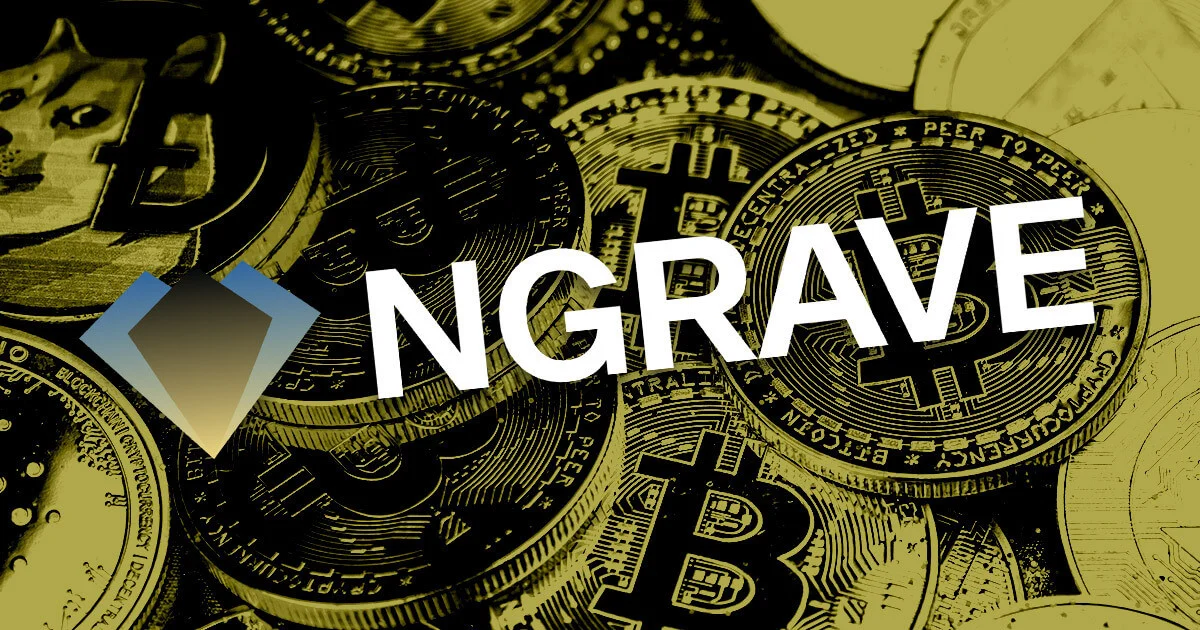
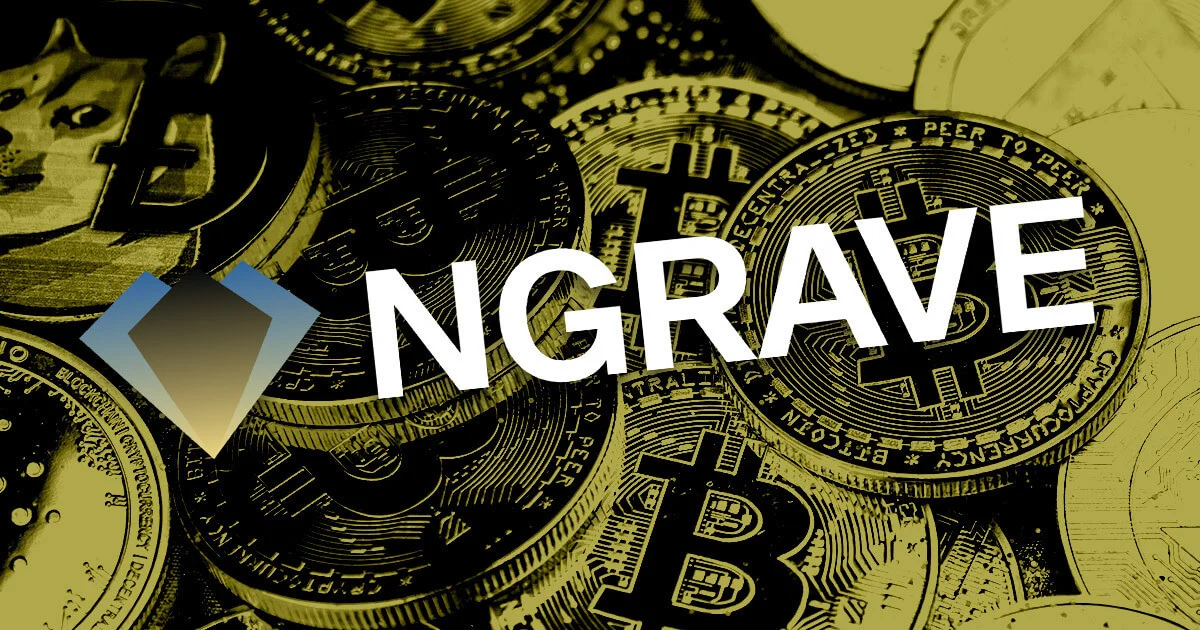
Hardware wallet manufacturer NGRAVE has officially launched its third annual Security Self-Audit, a strategic initiative designed to provide cryptocurrency investors with a comprehensive framework for evaluating the robustness of their digital asset protection strategies. As the digital asset ecosystem continues to navigate a volatile landscape characterized by both market fluctuations and increasingly sophisticated cyber threats, the need for rigorous individual security protocols has never been more critical. The launch of this self-audit tool comes at a time when the industry is still reeling from a series of high-profile exchange collapses and record-breaking decentralized finance (DeFi) exploits, which have collectively underscored the inherent risks of custodial solutions and poor private key management.
The initiative serves as an educational and diagnostic resource, offering a free, anonymous four-minute survey that evaluates a user’s current security posture. Upon completion, participants receive tailored recommendations and actionable insights intended to mitigate vulnerabilities. To further encourage participation and foster a culture of proactive security, NGRAVE has partnered with other industry leaders to offer a suite of prizes, including the NGRAVE Combo set—comprising the flagship ZERO hardware wallet and the GRAPH stainless steel backup—as well as yearly mobile plans from Efani, a secure telecommunications provider, and platinum accounts from DieFi, a platform specializing in digital asset inheritance and recovery.
The Escalating Landscape of Cryptocurrency Crime
The necessity for such an audit is rooted in the alarming statistics surrounding digital asset theft. According to data from blockchain analytics firm Chainalysis, 2022 marked a historic peak for crypto-related crime, with hackers successfully siphoning approximately $3.8 billion from various protocols and platforms. This figure represents a significant escalation from previous years, driven largely by the vulnerability of DeFi protocols, which accounted for more than 82% of all stolen funds during that period.
The anatomy of these thefts reveals a diverse range of attack vectors. While high-level smart contract exploits often dominate headlines, a substantial portion of losses can be traced back to fundamental user errors and social engineering. Phishing attacks, insecure storage of seed phrases, and the use of "hot wallets" (wallets connected to the internet) for long-term holdings remain the primary contributors to individual fund depletion. By launching the Security Self-Audit, NGRAVE aims to address the "human element" of security, which is often cited by cybersecurity experts as the weakest link in any cryptographic system.
A Chronology of Security and the Shift to Self-Custody
The evolution of the cryptocurrency market has been punctuated by a series of systemic failures that have gradually shifted the narrative toward self-custody. The timeline of these events illustrates a clear trend: as the value of the market grows, so too does the sophistication of those seeking to exploit it.
In 2014, the collapse of Mt. Gox, which at the time handled over 70% of all Bitcoin transactions, served as the first major wake-up call regarding the risks of centralized exchanges. This was followed by the 2016 Bitfinex hack and the 2019 collapse of QuadrigaCX. However, the events of 2022—specifically the bankruptcies of Celsius Network, Voyager Digital, and the catastrophic downfall of FTX—triggered a paradigm shift in investor behavior. These events demonstrated that even large, seemingly regulated entities could fail, leading to the total loss of user funds due to commingling of assets and lack of transparency.
In the immediate aftermath of the FTX collapse in November 2022, hardware wallet manufacturers reported record-breaking sales. NGRAVE, alongside competitors like Ledger and Trezor, saw a massive influx of users seeking to move their assets off exchanges and into "cold storage." This period marked the beginning of a "flight to safety," where the mantra "not your keys, not your coins" moved from a niche enthusiast slogan to a mainstream financial imperative. NGRAVE’s current audit initiative is a direct continuation of this movement, seeking to ensure that those who have transitioned to self-custody are implementing their tools correctly.
Supporting Data: Understanding the Vulnerabilities
To understand why a self-audit is necessary, one must look at the specific data points defining the current threat environment. Beyond the $3.8 billion headline figure, the distribution of exploits suggests a targeted approach by malicious actors.
- Cross-Chain Bridge Vulnerabilities: In 2022 alone, nearly $2 billion was stolen from cross-chain bridges. These protocols, which allow users to move assets between different blockchains, often have centralized points of failure or complex code that is difficult to audit perfectly.
- Oracle Manipulation: Attackers have increasingly used price oracle manipulation to trick DeFi protocols into allowing under-collateralized loans or skewed swaps, leading to hundreds of millions in losses.
- Seed Phrase Compromise: While harder to quantify on a macro scale, individual reports of "drained wallets" often lead back to users storing their 12 or 24-word seed phrases in unencrypted digital formats, such as "notes" apps, emails, or cloud storage, where they are easily harvested by malware.
NGRAVE’s audit tool specifically targets these individual-level risks. By questioning users on their backup methods and interaction with decentralized applications (dApps), the survey identifies whether a user is inadvertently exposing their private keys to the internet—a mistake that renders even the best hardware wallet ineffective.
Technical Standards and the NGRAVE Philosophy
NGRAVE has positioned itself at the high end of the security spectrum, emphasizing "EAL7-certified" security. In the world of cybersecurity, Evaluation Assurance Levels (EAL) are a numerical grade assigned to an IT product or system following a Common Criteria security evaluation. While many hardware wallets achieve EAL5 or EAL6, NGRAVE’s ZERO wallet is designed to meet the EAL7 standard, which is the highest level of security assurance globally.
The philosophy behind NGRAVE’s product suite is "complete air-gapping." Unlike wallets that connect via USB or Bluetooth, the NGRAVE ZERO utilizes QR code technology to communicate with the companion app. This ensures that the device never has a physical or wireless connection to the internet, effectively eliminating the possibility of remote digital attacks. The Security Self-Audit extends this philosophy by educating users on the "Perfect Key" generation—a process that involves user interaction and environmental randomness to ensure that not even the manufacturer knows the private key of the device.
Industry Reactions and the Importance of Education
Industry analysts suggest that the proactive approach taken by NGRAVE reflects a maturing industry. "Security is not a one-time setup; it is a continuous process," says one cybersecurity consultant specializing in blockchain. "The biggest risk to the average investor isn’t a sophisticated zero-day exploit on the blockchain itself, but rather the erosion of security hygiene over time. Tools like the NGRAVE audit force users to re-evaluate their habits."
The inclusion of partners like Efani and DieFi in the giveaway indicates a holistic view of security. Efani addresses the "SIM-swapping" threat, where hackers take over a victim’s phone number to bypass two-factor authentication (2FA). DieFi addresses the "inheritance problem," ensuring that in the event of a user’s passing, their beneficiaries can access the funds without compromising the security of the keys during the user’s lifetime. These partnerships highlight that crypto security is part of a broader digital identity protection strategy.
Official Responses and Market Context
While NGRAVE has not released a formal "response" to specific market events within this campaign, the timing of the audit—launched during the tail end of a harsh bear market—is a calculated move. Historically, bear markets are periods where infrastructure is built and security practices are refined, away from the "FOMO" (fear of missing out) and haste of bull market cycles.
A spokesperson for NGRAVE noted that the goal of the annual audit is to "democratize high-level security knowledge." By making the survey free and anonymous, the company removes the barrier to entry for novice investors who may feel overwhelmed by the technical complexities of cold storage. The March 2023 prize drawing serves as a tactical incentive to ensure the survey reaches a wide demographic, beyond just the existing NGRAVE user base.
Broader Impact and Implications for the Future
The move toward self-conducted security audits may signal a broader trend in the fintech and crypto space. As regulatory bodies like the SEC in the United States and ESMA in Europe tighten their grip on centralized service providers, the onus of responsibility is shifting back to the individual. This "self-sovereign" model of finance requires a level of technical literacy that the general public currently lacks.
Initiatives like the NGRAVE Security Self-Audit act as a bridge, translating complex cryptographic principles into manageable checklists. If successful, such programs could lead to a significant reduction in the "low-hanging fruit" thefts that currently plague the industry. Furthermore, as institutional investors enter the space, the demand for standardized security audits—both for individuals and for the protocols they use—is expected to rise.
In the long term, the success of the cryptocurrency ecosystem depends on its ability to prove that digital assets can be held more securely than traditional fiat currency. While the $3.8 billion stolen in 2022 is a sobering figure, it also serves as a catalyst for innovation. The development of air-gapped hardware, stainless steel backup solutions, and comprehensive audit tools are all components of a maturing defense-in-depth strategy.
As users participate in the NGRAVE audit throughout the first quarter of 2023, the data collected (while anonymous) will likely provide NGRAVE and the broader community with valuable insights into the current state of global crypto hygiene. This data will be instrumental in shaping the next generation of security products, ensuring they are not only impenetrable but also user-friendly enough for mass adoption.
The ultimate implication is clear: in the decentralized world, the user is the bank. And just as a bank must undergo regular audits to ensure the safety of its deposits, the individual crypto holder must now adopt a similar rigor. The NGRAVE Security Self-Audit is a significant step toward making that rigor a standard practice rather than an exception. By identifying the gaps between current habits and best practices, investors can move forward with the confidence that their portfolios are protected against the ever-evolving threats of the digital age.