admin
admin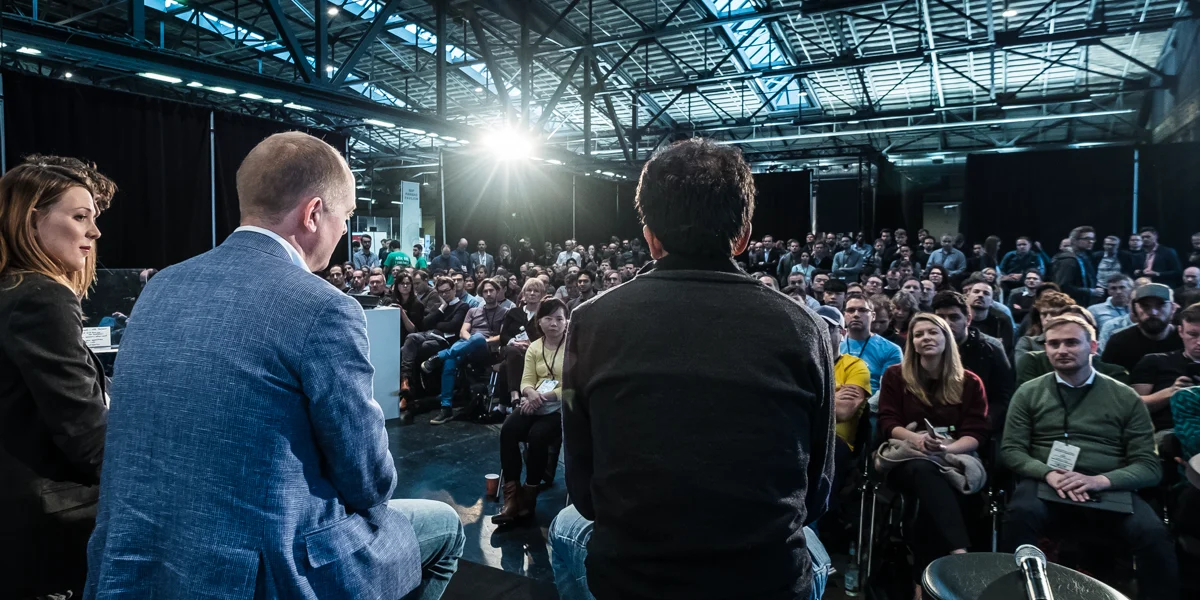
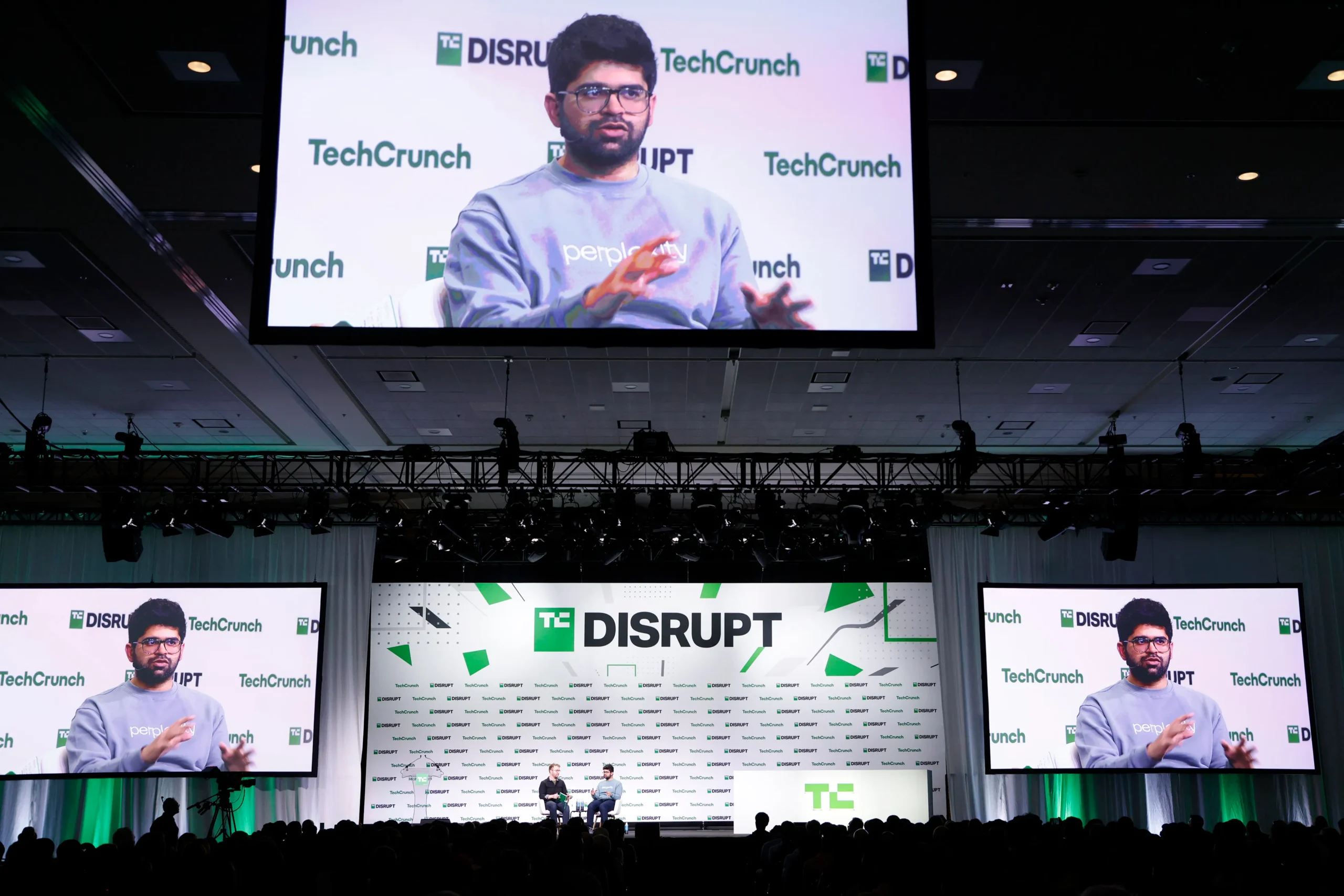
The window for industry leaders, visionary founders, and seasoned venture capitalists to secure a speaking slot at one of the global technology sector’s most prominent gatherings is rapidly closing, with the final deadline for the TechCrunch Disrupt 2026 Call for Content set for 11:59 p.m. PT tonight. As the tech ecosystem prepares to descend upon Moscone West in San Francisco from October 13 to October 15, 2026, the event organizers have issued a final summons for experts capable of shaping the discourse around the next generation of innovation. This year’s conference is expected to draw more than 10,000 attendees, ranging from early-stage startup founders to managing partners at top-tier venture capital firms, all seeking clarity in an increasingly complex technological landscape defined by rapid advancements in artificial intelligence, robotics, and financial infrastructure.
The Strategic Importance of the 2026 Call for Content
The "Call for Content" serves as the primary mechanism through which TechCrunch Disrupt curates its educational and inspirational programming. Unlike many industry conferences that rely solely on invitation-only keynotes, Disrupt maintains a tradition of meritocratic selection, allowing emerging voices to compete for stage time alongside established industry titans. The application process is open to a broad spectrum of the technology community, including operators who have scaled companies through turbulent markets, investors with unique theses on the future of capital, and technical experts who can demystify the hardware and software layers of modern infrastructure.
For the 2026 iteration, the stakes are particularly high. The technology sector is currently navigating a pivotal transition from the speculative phase of generative AI to a more pragmatic era focused on deployment, unit economics, and vertical integration. Consequently, the editorial team is seeking speakers who can provide actionable insights rather than high-level platitudes. The objective is to populate the Disrupt stages with content that addresses the immediate challenges of scaling a business in 2026, including navigating the complexities of sovereign AI, managing the "higher-for-longer" interest rate environment’s impact on fintech, and addressing the supply chain requirements of the burgeoning robotics industry.
Defined Session Formats: Breakouts and Roundtables
The 2026 event structure emphasizes two distinct styles of engagement, each designed to cater to different learning preferences and networking goals. Applicants must choose between the Breakout Session and the Roundtable format, both of which offer unique opportunities for visibility and thought leadership.
Breakout Sessions: Scalable Education
Breakout Sessions are designed for high-impact presentations and panel discussions. These sessions are scheduled for 30 minutes of prepared content, followed by a 20-minute interactive Q&A period with the audience. With a capacity for up to 100 attendees, these sessions allow for a maximum of four speakers, including a moderator. This format is ideal for deep dives into specific market sectors—such as the evolution of cybersecurity in a post-quantum world or the shifts in Series B fundraising—where a structured narrative can help the audience synthesize complex information.

Roundtables: Intimate High-Level Discussion
In contrast to the formal nature of Breakout Sessions, Roundtables are designed for collaborative, speaker-led group discussions. These are limited to 40 participants and strictly prohibit the use of slides or audiovisual aids. The goal of the Roundtable is to foster a "closed-door" atmosphere where participants can engage in candid conversations about the realities of the tech industry. For a speaker, this format provides a unique opportunity to build direct relationships with a highly targeted group of peers and potential partners. The 30-minute sessions are prized for their ability to generate high-level networking and peer-to-peer problem-solving.
The Selection Chronology and Audience Choice Component
The path from application to the Disrupt stage is a multi-phased process governed by both editorial oversight and community feedback. Once the application window closes tonight at 11:59 p.m. PT, the TechCrunch editorial team will begin an intensive review process. Each proposal is evaluated based on its relevance to current industry trends, the speaker’s depth of expertise, and the potential for the session to provide tangible value to the audience.
A unique feature of the TechCrunch Disrupt selection process is the "Audience Choice" vote. After the initial editorial screening, a shortlist of finalists is presented to the public. TechCrunch readers and prospective event attendees are invited to vote on the sessions they find most compelling. This democratic element ensures that the final agenda reflects the actual interests and pain points of the tech community. This process typically occurs in the mid-summer months, leading to a final schedule announcement as the event nears its October dates.
Historical Context: Disrupt’s Role in the Innovation Lifecycle
To understand the significance of the 2026 event, one must look at the historical trajectory of TechCrunch Disrupt. Since its inception, the conference has served as a launchpad for some of the most influential companies in the modern economy. Previous iterations have seen the debut of platforms like Dropbox, Fitbit, and Cloudflare. The "Startup Battlefield," the conference’s signature competition, has historically been a bellwether for venture capital trends, with participating companies having collectively raised billions of dollars in follow-on funding.
The move to Moscone West in San Francisco reinforces the city’s enduring status as the epicenter of global tech, despite the decentralization trends seen during the early 2020s. For 2026, the venue choice is a strategic statement, placing the event in the heart of the "AI Boom" and providing proximity to the headquarters of major tech incumbents and venture firms. The 10,000+ expected attendees represent a significant increase in scale compared to previous years, reflecting a renewed appetite for in-person deal-making and collaborative innovation.
Thematic Pillars for 2026: AI, Fintech, and Beyond
The 2026 agenda is expected to be anchored by several core pillars that represent the most active areas of investment and research. Organizers have highlighted the following sectors as primary areas of interest for the Call for Content:

- Artificial Intelligence and Machine Learning: Moving beyond the "hype cycle," the 2026 event will focus on the infrastructure required for agentic AI, the ethics of automated decision-making, and the integration of AI into legacy industries like manufacturing and healthcare.
- Fintech and Decentralized Finance: As traditional banking continues to merge with digital-native solutions, sessions will likely cover the regulatory landscape of 2026, the role of stablecoins in cross-border payments, and the evolution of consumer lending.
- Robotics and Automation: With labor shortages persisting in many global markets, the role of robotics in logistics, agriculture, and domestic settings has moved to the forefront. Experts in computer vision and hardware scaling are in high demand for the 2026 stage.
- Scaling and Operations: In an era where "growth at all costs" has been replaced by "efficient growth," the event will feature sessions on unit economics, international expansion strategies, and the psychology of leadership during market pivots.
Broader Industry Implications and Economic Impact
The timing of TechCrunch Disrupt 2026 is critical for the broader economy. By October 2026, the industry will be nearly four years into the generative AI revolution, and many of the "hype-driven" startups will be facing their first major tests of sustainability. The conference provides a venue for the industry to course-correct, share best practices, and identify the next true breakthroughs.
From a venture capital perspective, Disrupt serves as a concentrated period of deal-flow generation. Many investors use the event to scout for "under-the-radar" talent from outside the traditional Silicon Valley bubbles, as the Call for Content attracts applications from across the globe. The diversity of speakers—ranging from international founders to specialists in emerging markets—contributes to a more robust and inclusive global tech ecosystem.
Furthermore, the economic impact on the city of San Francisco is substantial. Large-scale tech conferences like Disrupt drive significant revenue for the local hospitality and service sectors, contributing to the city’s ongoing efforts to revitalize its downtown core. The presence of 10,000 tech professionals over three days creates a micro-economy of networking events, satellite meetups, and recruiting fairs that extend far beyond the walls of Moscone West.
Final Instructions for Applicants
Prospective speakers are reminded that the application form requires detailed information regarding the proposed session’s objectives, the specific expertise of the speakers, and a clear explanation of why the topic is relevant to the 2026 audience. The editorial team has emphasized that they are looking for "high-impact" speakers who can deliver "real-world experience."
As the clock ticks toward the 11:59 p.m. PT deadline, the technology community faces its final opportunity to influence the narrative of TechCrunch Disrupt 2026. Whether through a large-scale Breakout Session or an intimate Roundtable discussion, the voices selected tonight will be the ones defining the future of innovation this October in San Francisco. Applicants are encouraged to submit their proposals via the official TechCrunch Disrupt Call for Content portal before the window closes permanently.