admin
admin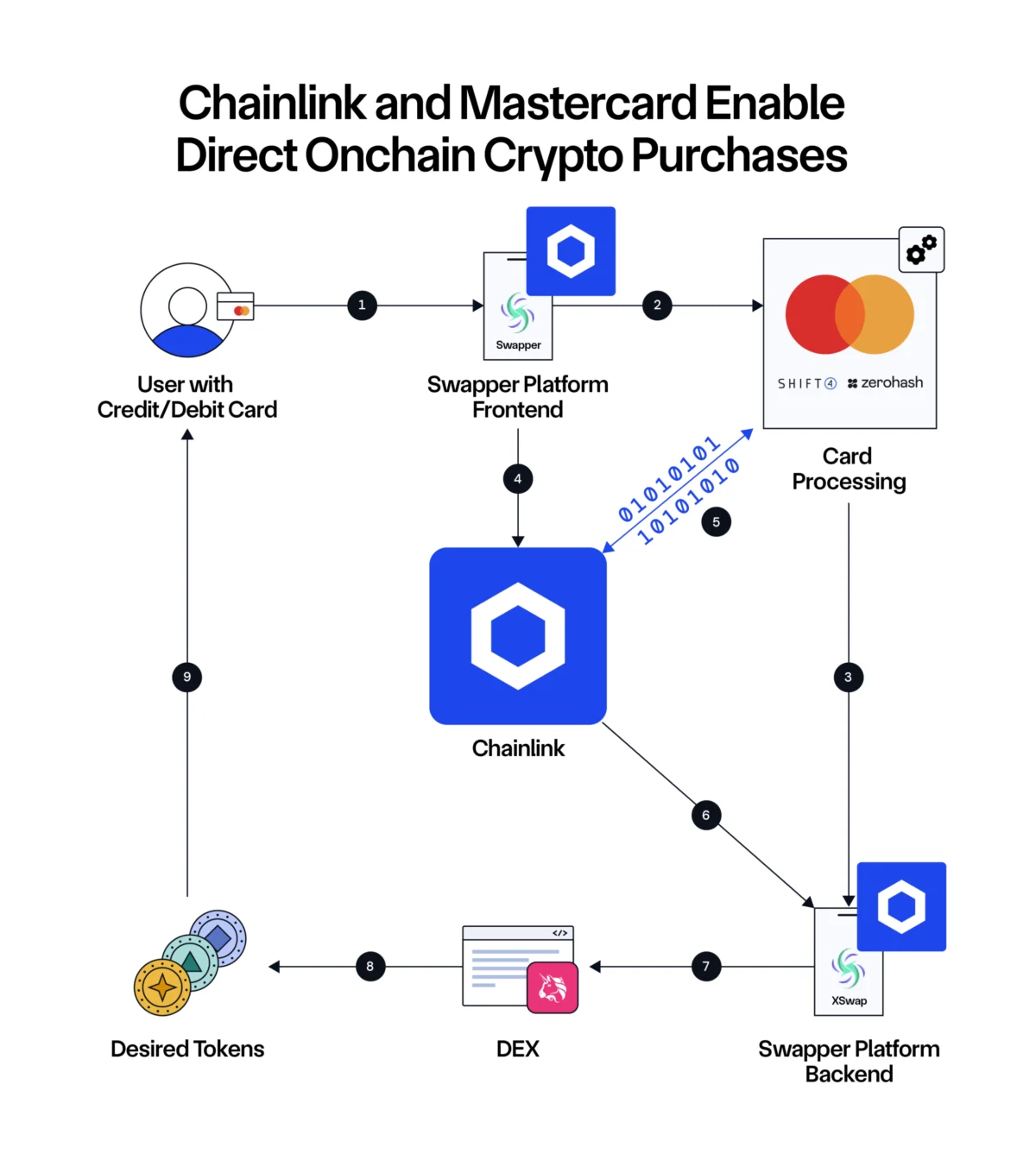
This article, dated January 29, 2026, details the monumental strides made by Chainlink throughout 2025, which have irrevocably reshaped the landscape of on-chain finance and digital asset integration within the broader global economy. The past year witnessed an unprecedented convergence of traditional finance (TradFi) and decentralized finance (DeFi), largely facilitated by Chainlink’s critical infrastructure. From high-level regulatory engagements to groundbreaking institutional partnerships and a dramatic expansion of its decentralized oracle network, Chainlink has emerged as the indispensable connective tissue enabling secure, reliable, and interoperable smart contract applications across diverse blockchain environments. This period of rapid innovation and adoption has laid a robust foundation for 2026, which is anticipated to be a year of continued scaling and deeper integration into the core mechanisms of global commerce and financial markets. The strategic advancements in 2025 have not only validated Chainlink’s vision but also underscored its pivotal role in the ongoing paradigm shift towards a more efficient, transparent, and digitally native financial future.
A Year of Unprecedented Growth and Strategic Partnerships (2025 Overview)
The year 2025 marked a pivotal period for Chainlink, characterized by a relentless drive towards establishing the necessary infrastructure for a truly interconnected global financial system. The focus was firmly placed on enhancing on-chain finance, expanding the utility of decentralized oracle networks, and forging deep integrations with key players in both the traditional and nascent digital asset sectors. This strategic thrust resulted in significant advancements across several critical domains, including regulatory engagement, institutional adoption, DeFi expansion, and the continuous evolution of core Chainlink services. The overarching theme of 2025 was the tangible realization of Chainlink’s vision: to securely connect the vast off-chain world of data and legacy systems to the burgeoning on-chain economy. This was achieved through a series of high-profile collaborations and technological breakthroughs that demonstrably proved the network’s resilience, scalability, and security in real-world, high-value applications.
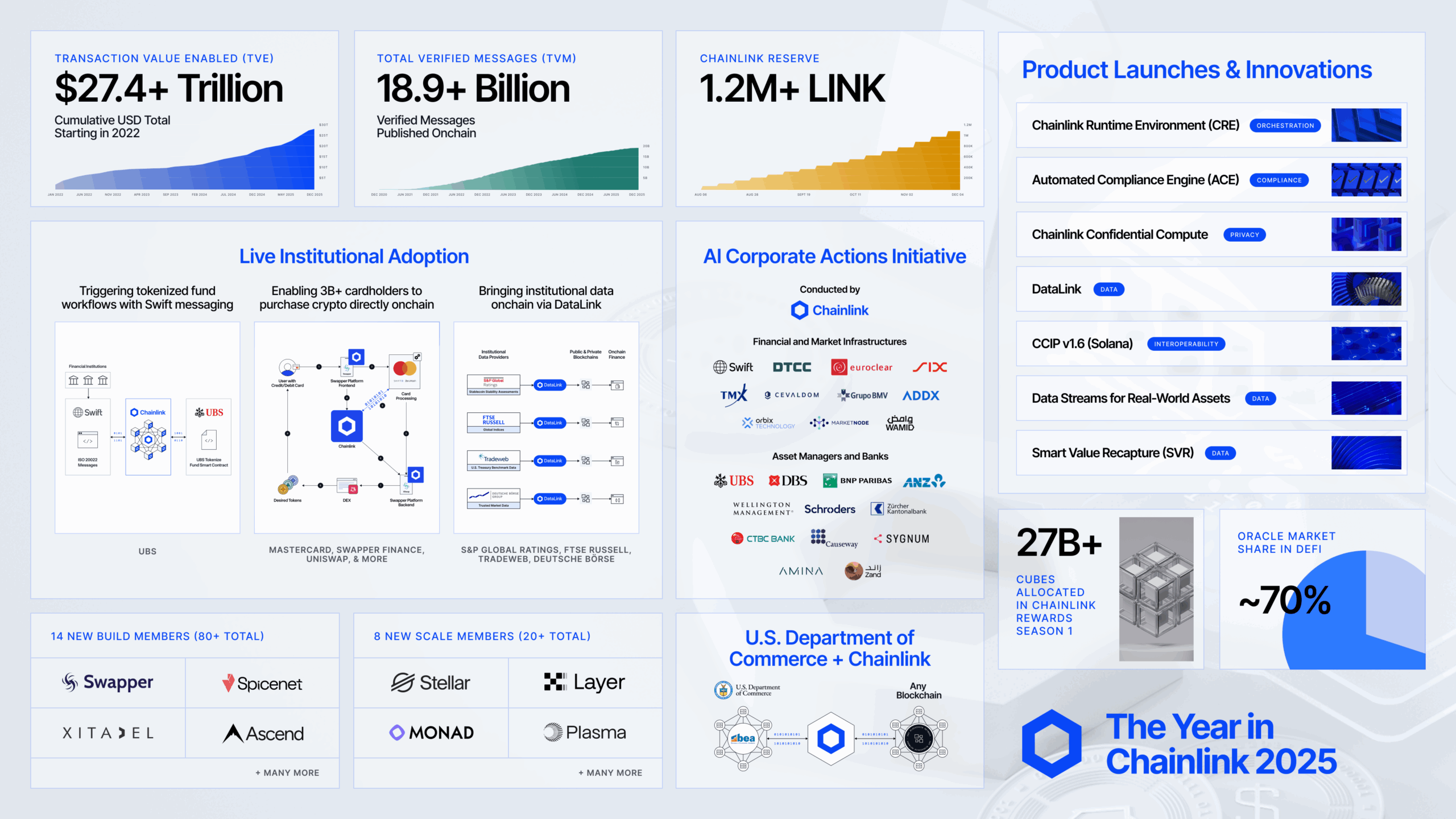
High-Stakes Regulatory Engagement: The White House Digital Asset Summit
A defining moment for Chainlink and the broader blockchain industry in 2025 was the White House Digital Asset Summit, where Chainlink Labs CEO Sergey Nazarov delivered opening remarks to President Donald J. Trump. This landmark event, held in mid-2025, signified a crucial turning point in the relationship between governments and the rapidly evolving digital asset space. The summit provided a high-level platform for industry leaders to engage directly with policymakers, articulating the transformative potential of blockchain technology and outlining pathways for responsible innovation.

Sergey Nazarov’s address reportedly emphasized the critical role of secure and reliable data in facilitating mainstream adoption of digital assets and smart contracts. He highlighted Chainlink’s decentralized oracle networks as foundational middleware, capable of bringing real-world data and computation onto blockchains while maintaining the highest standards of security and transparency required by regulated entities. Sources close to the discussions indicated that Nazarov’s presentation focused on how Chainlink’s robust infrastructure, particularly its Cross-Chain Interoperability Protocol (CCIP), could enable secure cross-border payments, facilitate the tokenization of real-world assets, and enhance the integrity of financial markets—all areas of keen interest to global policymakers.
The handshake between President Trump and Sergey Nazarov, widely publicized after the event, became an iconic symbol of the growing acknowledgment and engagement of top governmental bodies with leading blockchain innovators. This interaction underscored a significant shift from mere observation to active dialogue, laying the groundwork for potential future regulatory frameworks that could foster innovation rather than stifle it. The summit’s discussions revolved around key themes such as consumer protection, financial stability, and national competitiveness in the digital economy. The positive reception at such a high level provided invaluable validation for Chainlink’s mission and set a precedent for ongoing collaboration between the public and private sectors in shaping the future of finance. The implications were profound, suggesting a future where digital assets are not just tolerated but actively integrated into national economic strategies, with Chainlink positioned as a key enabler of this transition.
Bridging Traditional Finance with Blockchain: Institutional Adoption Accelerates
The year 2025 saw Chainlink forge deeper and more extensive connections with the traditional financial sector, demonstrating its unparalleled ability to act as the secure bridge between legacy systems and the burgeoning on-chain economy. These partnerships were not merely exploratory; they represented concrete steps towards integrating blockchain technology into core financial operations.
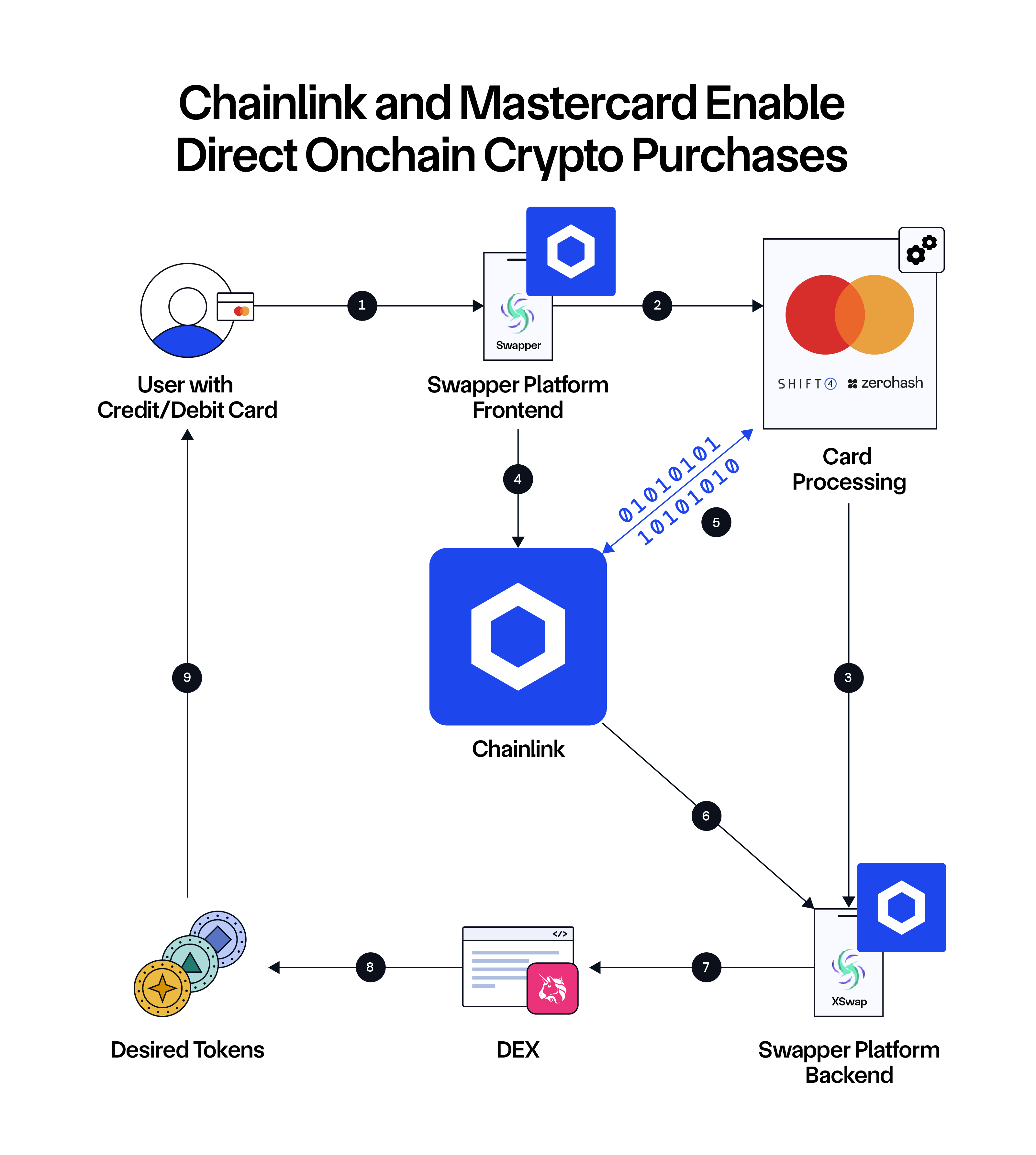
Mastercard’s On-Ramp Innovation: A monumental achievement was the collaboration between Chainlink and Mastercard, announced in late 2025. This partnership enabled over 3 billion Mastercard payment cardholders globally to directly purchase crypto assets on-chain, eliminating significant friction points that previously hindered mainstream access. Leveraging Chainlink’s robust data feeds and secure infrastructure, Mastercard integrated an on-ramp solution that simplified the conversion of fiat currency to various digital assets, making crypto acquisition as seamless as any other online purchase. This move was celebrated as a critical catalyst for mass adoption, as it brought the convenience and familiarity of traditional payment rails directly into the decentralized ecosystem. Analysts estimate this initiative alone could onboard tens of millions of new users into the digital asset space over the next two years, significantly expanding the total addressable market for on-chain finance.
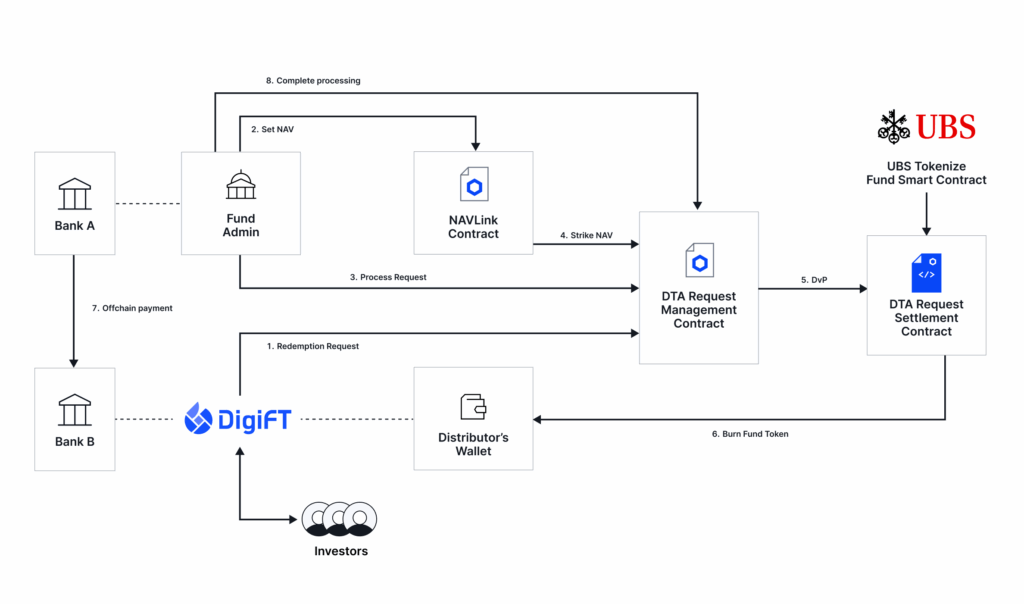
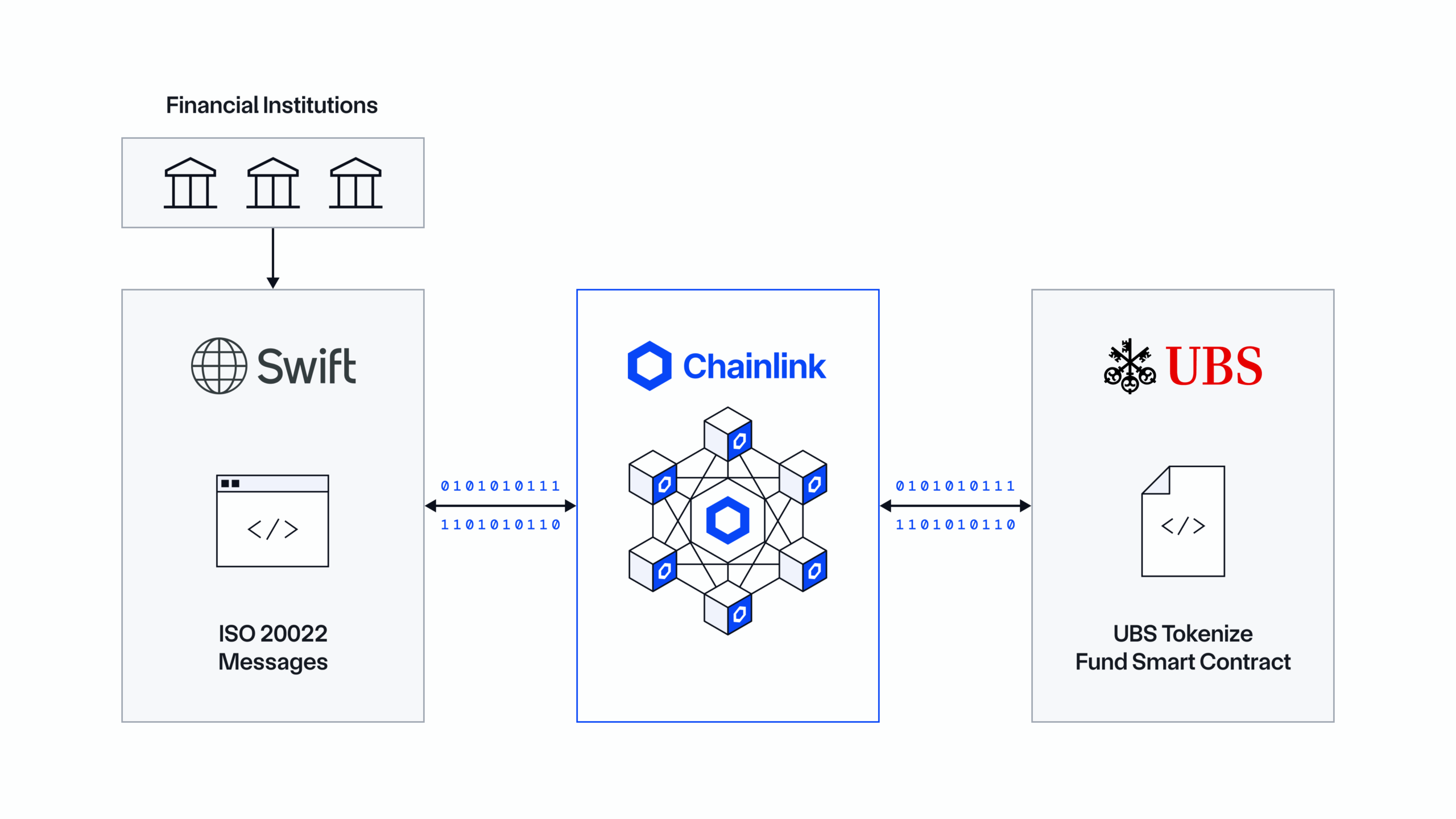
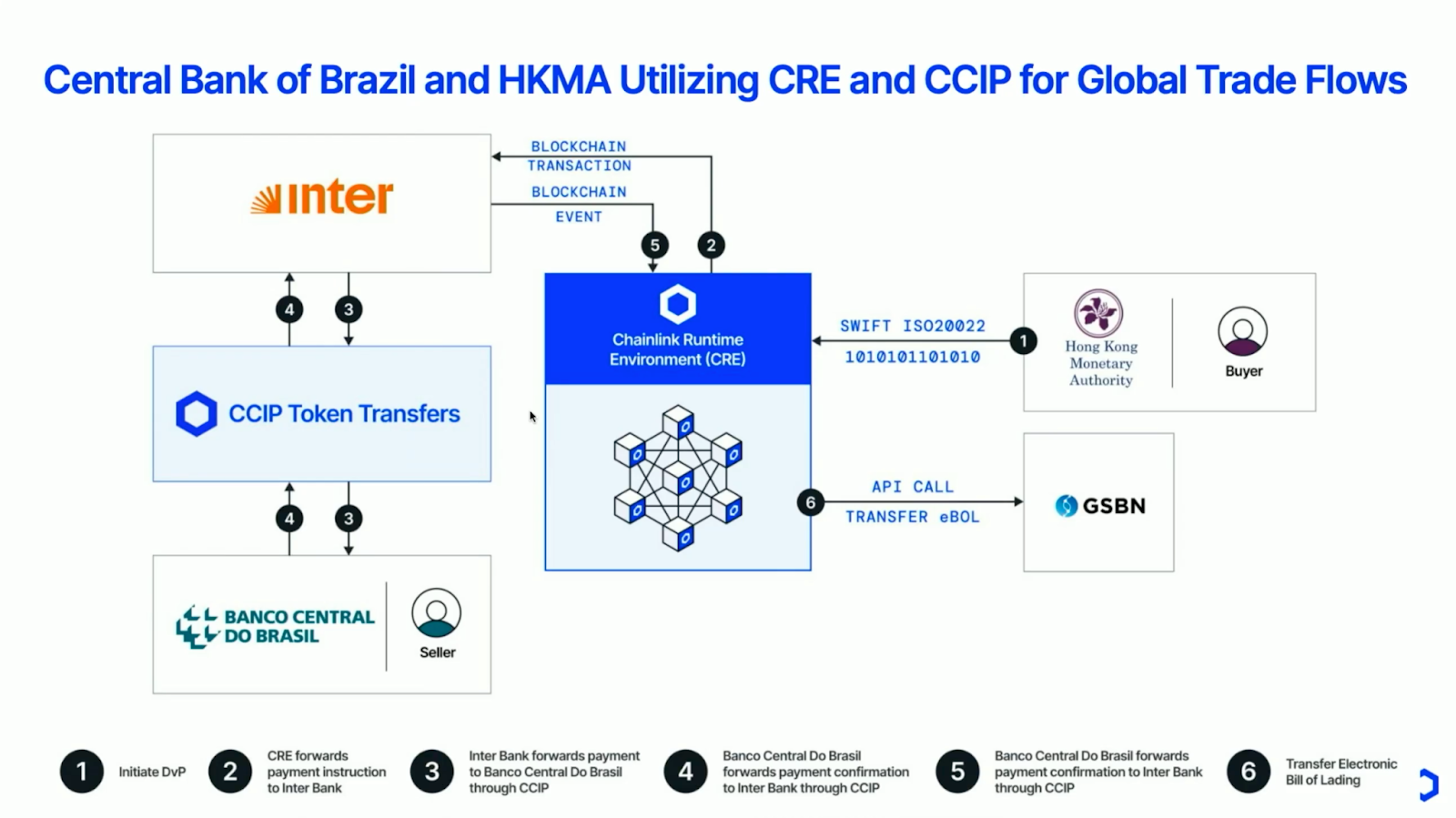
UBS and Tokenized Funds via SWIFT Integration: Another cornerstone partnership involved UBS, one of the world’s largest wealth managers, utilizing Chainlink’s infrastructure for its tokenized funds. By Q3 2025, UBS had successfully implemented Chainlink’s Cross-Chain Interoperability Protocol (CCIP) to facilitate on-chain subscription and redemption workflows for tokenized fund shares. Crucially, this system integrated with SWIFT’s ISO 20022 messaging standard, allowing traditional financial institutions to send standard payment messages that Chainlink’s Chainlink Risk Evaluation (CRE) service could then interpret and trigger corresponding on-chain actions. This breakthrough demonstrated how legacy financial communication protocols could seamlessly interact with blockchain networks, providing a robust, compliant, and efficient mechanism for managing tokenized real-world assets. The implications for institutional liquidity, fractional ownership, and automated fund management were immediately evident, positioning Chainlink as essential for the future of capital markets.
Global Banking Collaborations and CBDC Development (JPMorgan, ANZ, HKMA): Chainlink’s role in Project Guardian, a multi-bank initiative exploring the tokenization of financial assets, deepened significantly in 2025. JPMorgan, a key participant, continued to leverage Chainlink’s CCIP for secure interbank transfers of tokenized deposits and other digital assets. This collaboration demonstrated Chainlink’s capacity to support complex, multi-jurisdictional financial operations, ensuring both security and regulatory compliance.
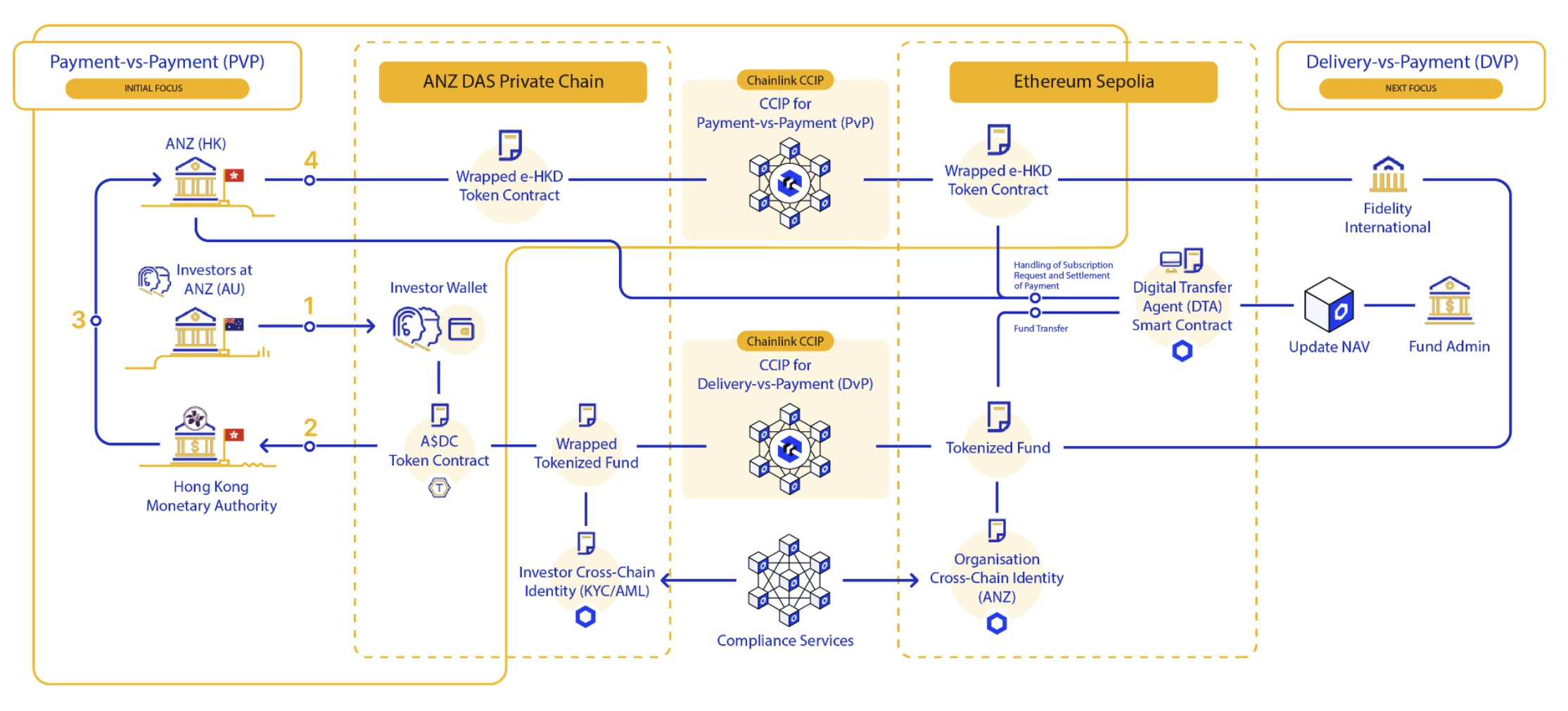
Furthermore, Chainlink played a crucial role in advancing Central Bank Digital Currency (CBDC) initiatives. A notable example was its collaboration with ANZ Bank and the Hong Kong Monetary Authority (HKMA) on a cross-border CBDC pilot. This project, which went live in early 2025, showcased the exchange of an Australian stablecoin (A$DC) against a Hong Kong CBDC using Chainlink CCIP. This facilitated efficient, near-instantaneous cross-border payments, cutting down settlement times and costs, and demonstrating a viable path for the interoperability of national digital currencies. This capability is paramount for a future where diverse CBDCs need to interact seamlessly on a global scale, solidifying Chainlink’s position as a critical enabler of this new financial paradigm.
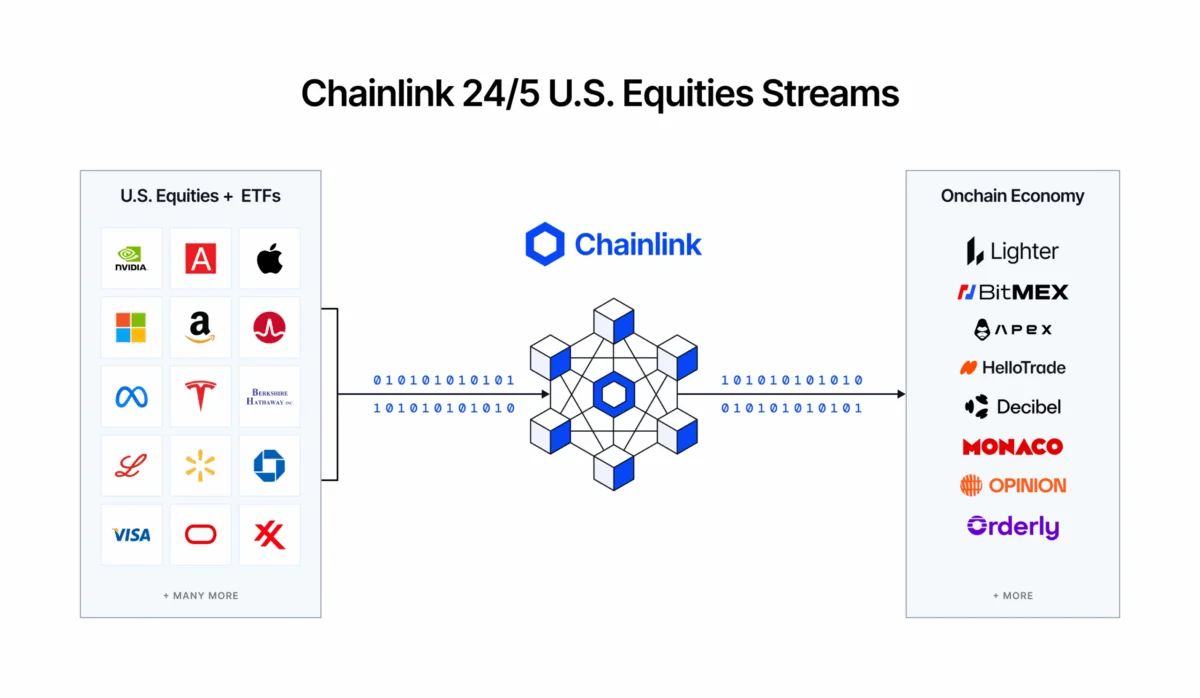
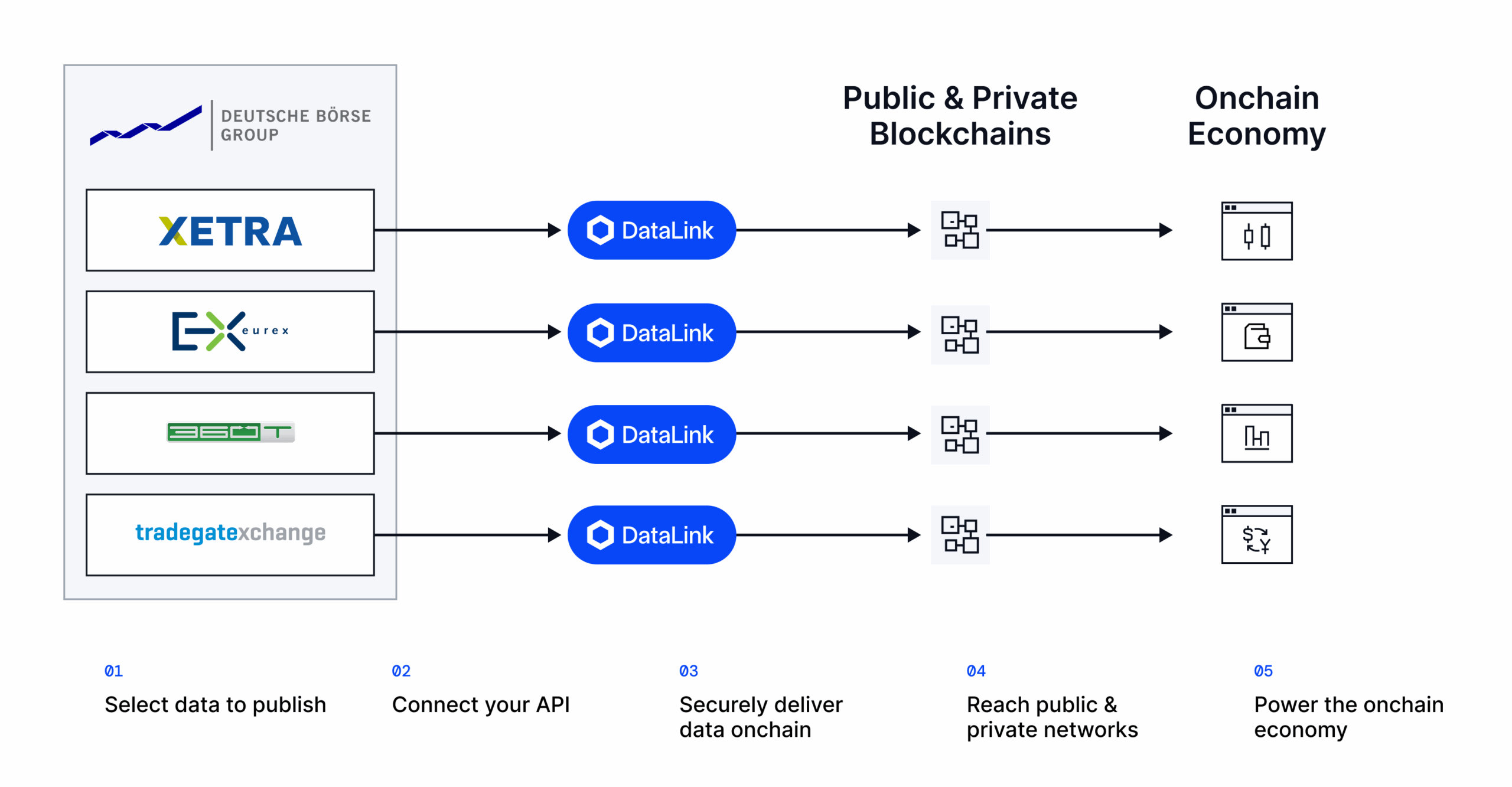
Deutsche Börse and DataLink: In a move that underscored the increasing demand for high-integrity, on-chain data in traditional markets, Deutsche Börse, one of the world’s leading exchange organizations, launched its DataLink service powered by Chainlink in late 2025. This initiative provided institutional clients with access to a wide array of high-quality, real-time market data directly on-chain, enabling sophisticated smart contract applications for trading, risk management, and compliance. DataLink, utilizing Chainlink’s decentralized oracle infrastructure, ensured the tamper-proof delivery of crucial financial information, thereby enhancing transparency and reducing counterparty risk in complex financial derivatives and structured products.
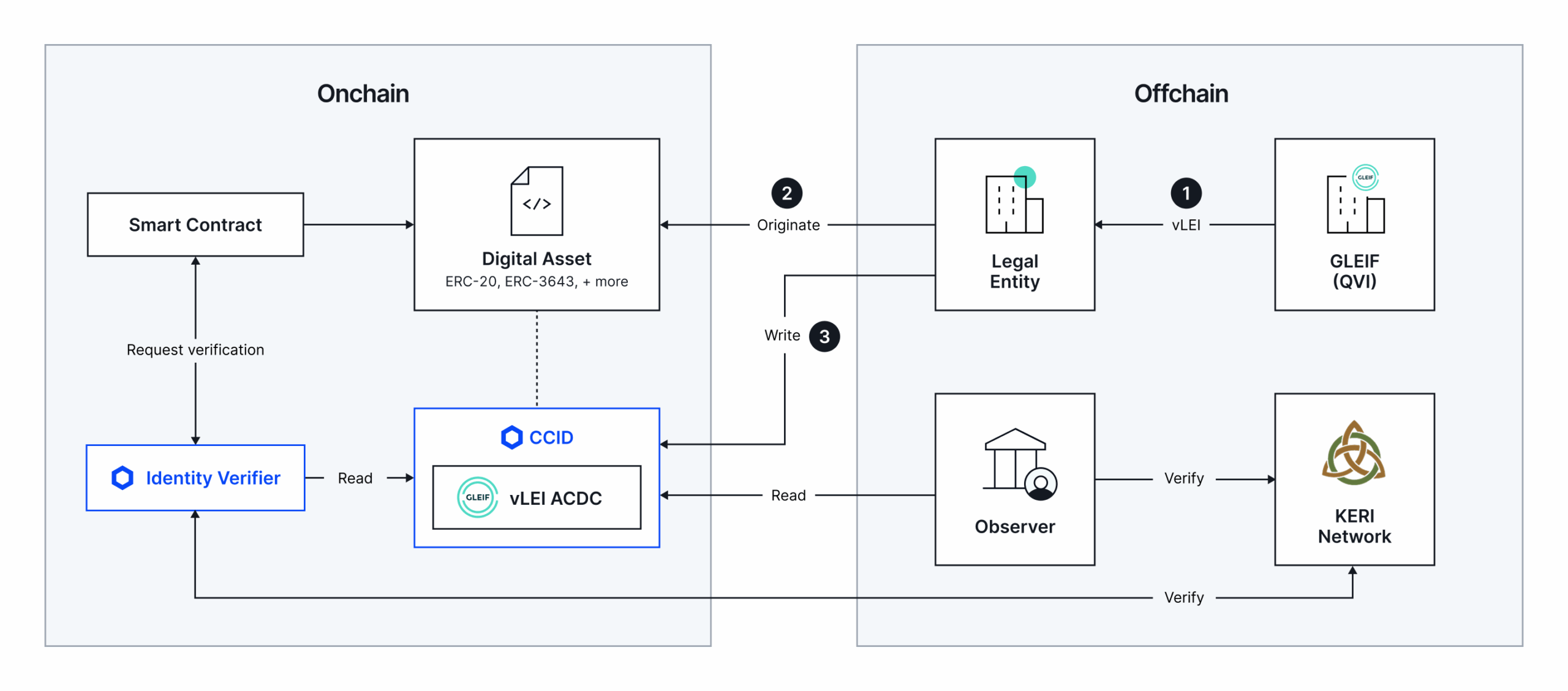
GLEIF and Digital Identity: Recognizing the paramount importance of verifiable identity in regulated financial ecosystems, Chainlink partnered with the Global Legal Entity Identifier Foundation (GLEIF) in Q3 2025. This collaboration integrated GLEIF’s vLEI (verifiable Legal Entity Identifier) credentials with Chainlink’s oracle networks, enabling secure and verifiable on-chain identity for legal entities. This was a critical step towards meeting Know Your Customer (KYC) and Anti-Money Laundering (AML) requirements in the digital asset space, fostering trust and compliance for institutional participants. By connecting verifiable off-chain identities to on-chain transactions, Chainlink further solidified its role in building a compliant and secure digital financial infrastructure.

Dominance in Decentralized Finance (DeFi) and Oracle Services
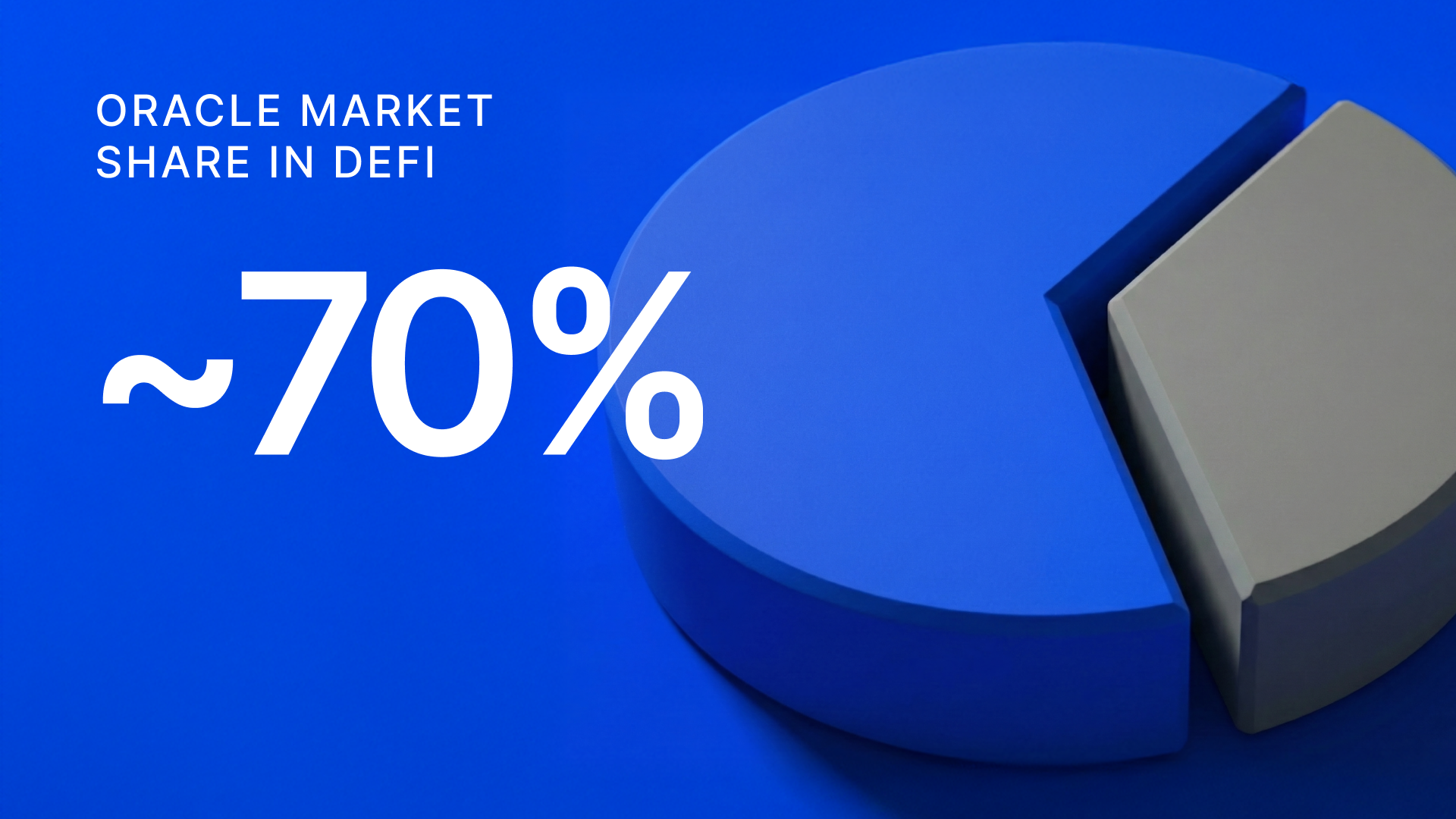
While expanding its footprint in TradFi, Chainlink maintained and significantly strengthened its dominance within the decentralized finance (DeFi) sector throughout 2025. The decentralized oracle network continued to be the most widely adopted and trusted source of external data for smart contracts across virtually every major blockchain and layer-2 solution. By year-end 2025, Chainlink’s market share in the oracle space exceeded 90% in terms of total value secured (TVS) and number of integrations, a testament to its unparalleled reliability and security.
The expansion was not just in quantity but also in the diversity and sophistication of services. Chainlink Price Feeds continued to be the gold standard for DeFi applications, providing highly accurate and tamper-proof price data for thousands of assets. Beyond price data, Chainlink VRF (Verifiable Random Function) saw increased adoption for gaming, NFTs, and other applications requiring provably fair randomness. Chainlink Keepers automated critical smart contract functions, ensuring the timely execution of tasks and improving the overall efficiency and robustness of DeFi protocols. The Cross-Chain Interoperability Protocol (CCIP) also became the leading solution for secure cross-chain messaging and token transfers within DeFi, enabling seamless liquidity and composability across fragmented blockchain environments. The continuous innovation in these services ensured that DeFi developers had access to the most secure and advanced oracle solutions available, fostering an environment of rapid development and increased capital efficiency.
Ecosystem Expansion and Cutting-Edge Innovation: The CRE and ACE Programs
Chainlink’s strategic initiatives in 2025 also focused on fostering a robust ecosystem and pushing the boundaries of oracle innovation. The introduction and expansion of programs like the Chainlink Risk Evaluation (CRE) and the Automation-as-a-Service (ACE) framework were central to this effort.
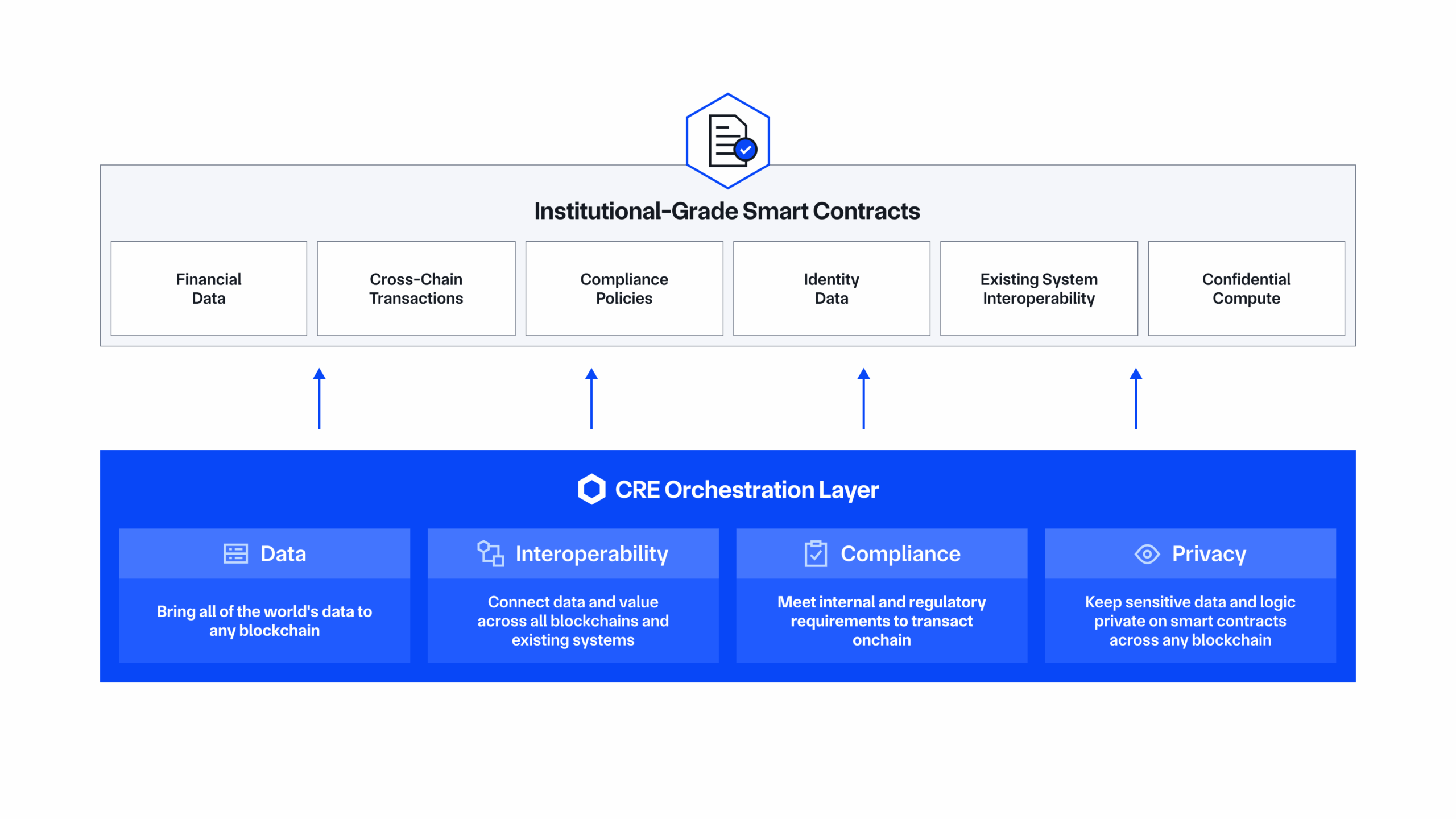
The Chainlink Risk Evaluation (CRE) evolved significantly in 2025, becoming an indispensable orchestration layer for enterprises navigating the complexities of blockchain integration. The CRE framework provided comprehensive risk assessments for on-chain data, smart contract execution, and cross-chain interactions, allowing institutions to confidently engage with decentralized networks. Its orchestration layer capabilities enabled seamless integration of various Chainlink services, providing a unified and secure interface for complex enterprise blockchain solutions. This meant that businesses could leverage the full power of Chainlink’s oracle network with built-in risk management and compliance features, drastically reducing the barrier to entry for large-scale adoption.
The Automation-as-a-Service (ACE) Program also gained considerable traction, expanding Chainlink’s partnerships beyond traditional data providers to include specialized automation and infrastructure providers. ACE focused on empowering developers and enterprises to build highly automated and sophisticated smart contract applications, offloading the operational burden of running custom oracle infrastructure. Through ACE, Chainlink facilitated the development of custom oracle solutions for niche data requirements, advanced computation, and complex automation workflows, further diversifying the utility of its network. By the end of 2025, the ACE program had fostered over 150 new integrations, significantly enhancing the functionality and reach of Chainlink-powered applications across various industries, from supply chain management to insurance and real estate. This strategic expansion underscored Chainlink’s commitment to creating a self-sustaining and ever-growing ecosystem capable of meeting the diverse demands of a digitally transforming world.
Network Value and Community Growth
The quantifiable growth of the Chainlink network in 2025 was staggering. The Total Value Secured (TVS) by Chainlink’s oracle networks surpassed $200 billion, representing a 150% increase from the previous year. This metric highlighted the immense trust placed in Chainlink by hundreds of decentralized applications and institutional partners. The number of active Chainlink nodes grew by 40%, reaching over 2,500 independent node operators, further enhancing the decentralization and resilience of the network. Integrations across various blockchains and layer-2 solutions also saw a substantial increase, with Chainlink services now powering over 1,500 projects.
Beyond raw numbers, the Chainlink community flourished. Developer activity on the network reached an all-time high, with a vibrant ecosystem of builders leveraging Chainlink tools to create innovative applications. Educational initiatives, hackathons, and community grants further solidified Chainlink’s position as a hub for blockchain innovation. The continued investment in research and development, coupled with a highly engaged global community, ensured that Chainlink remained at the forefront of oracle technology.
The Road Ahead: Chainlink’s Vision for 2026
Looking into 2026, Chainlink is poised for even greater milestones, building upon the formidable foundation established in 2025. The strategic engagements with global institutions and regulatory bodies are expected to mature into widespread production deployments, further embedding on-chain finance into the fabric of the global economy.
Sergey Nazarov, in a recent address, articulated Chainlink’s primary objectives for 2026: "Our focus for 2026 is clear: to scale our interoperability solutions, particularly CCIP, to meet the surging demand from financial institutions and enterprises worldwide. We anticipate a significant increase in the tokenization of real-world assets, and Chainlink will be the secure backbone enabling their lifecycle management and seamless transfer across various blockchain and traditional environments." He further emphasized the importance of enhancing Web3 security through advanced oracle services and expanding the capabilities of the Chainlink Risk Evaluation (CRE) to become the industry standard for on-chain risk management.
Key areas of development for 2026 include:
- Massive Scaling of CCIP: Expect further enhancements and deployments of CCIP to support trillions of dollars in value transfer across multiple chains and traditional financial networks. This includes expanding CCIP’s reach to more Layer 1 and Layer 2 blockchains, as well as enabling deeper integration with legacy financial infrastructure.
- Advanced Oracle Services for Web3 Security: Introduction of new oracle services focused on smart contract security, decentralized identity verification, and enhanced privacy solutions for institutional use cases. This will include sophisticated attestation services and zero-knowledge proof integrations.
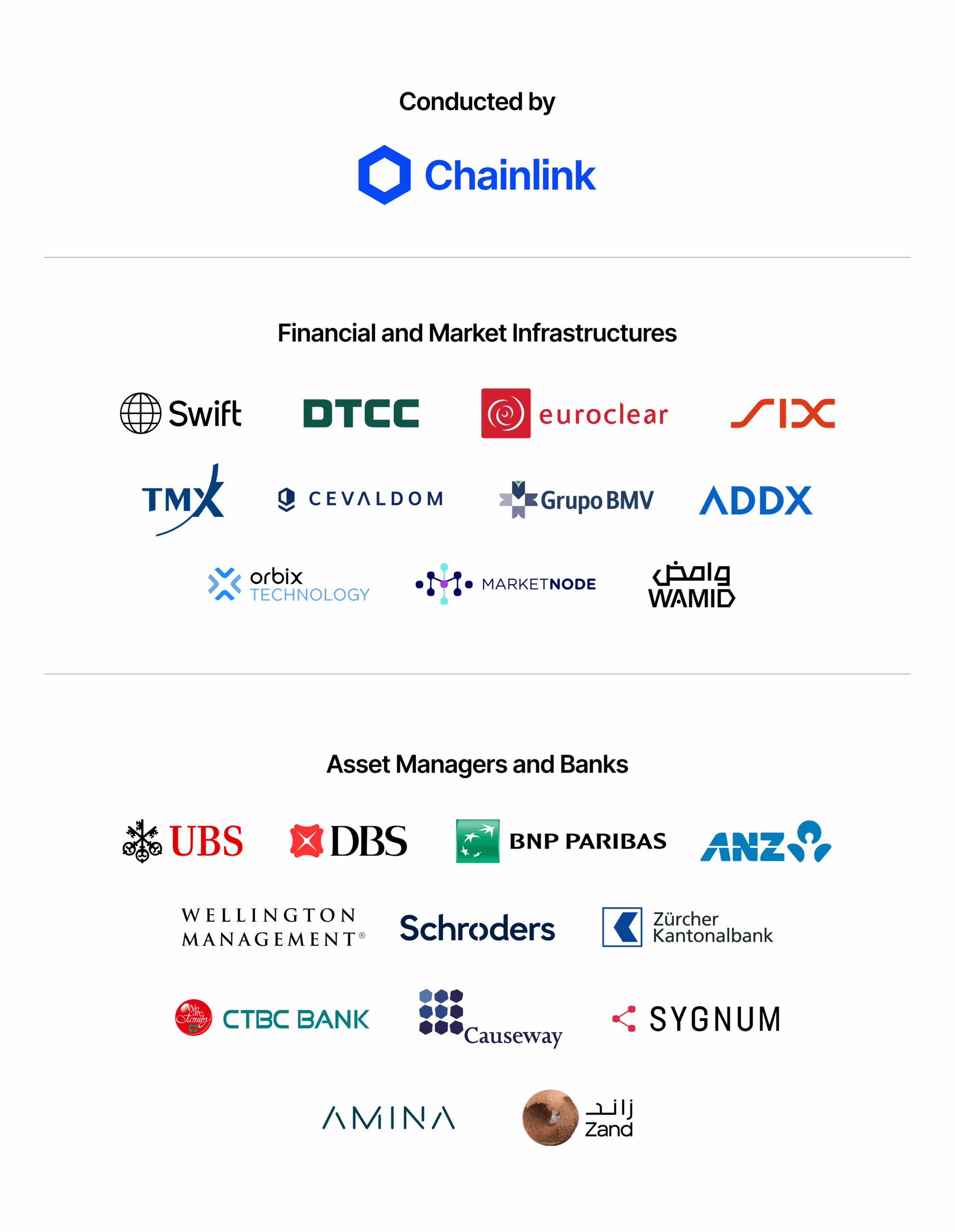
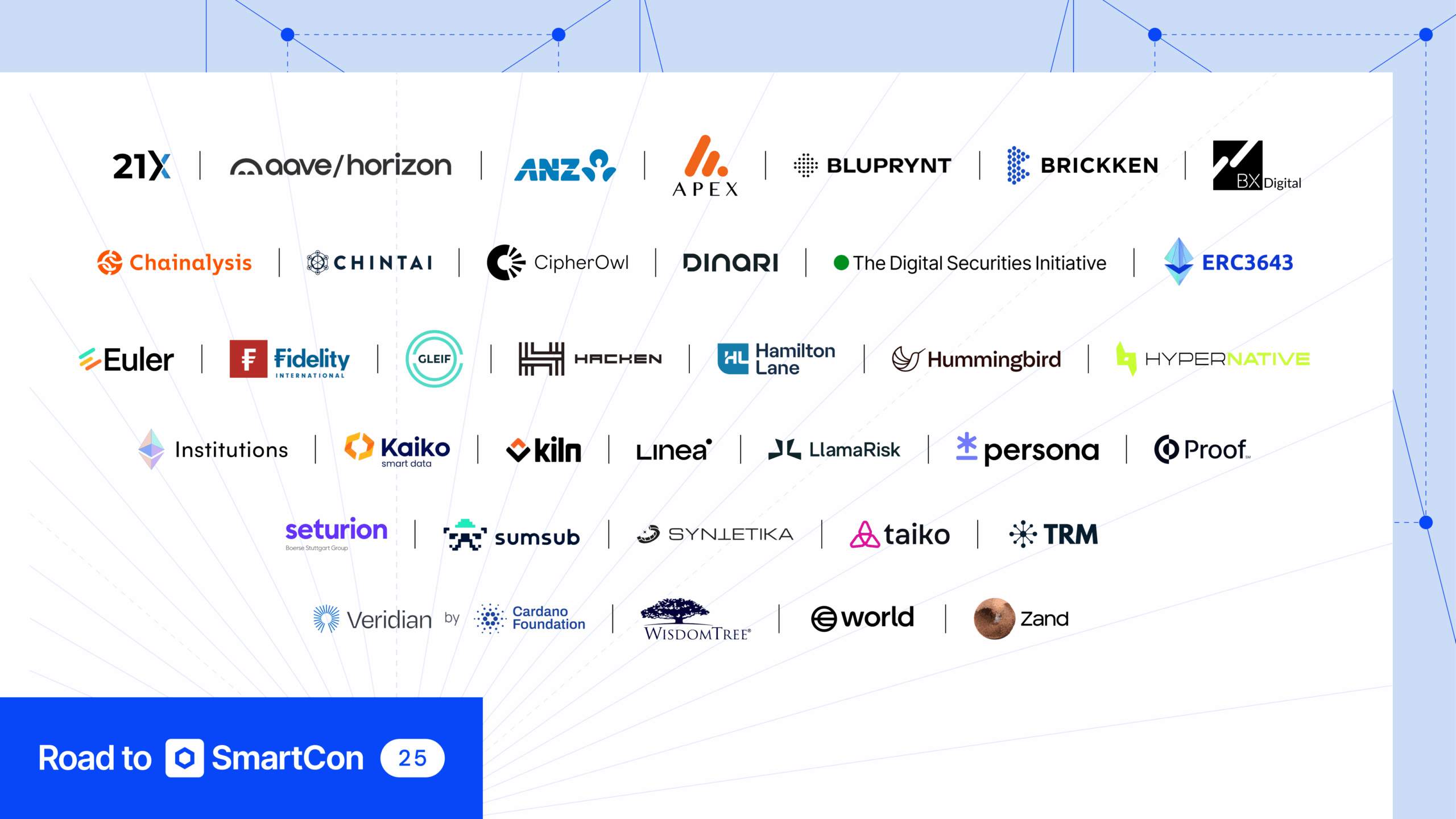
- Deepening Institutional Integration: Continued partnerships with global banks, asset managers, and market infrastructure providers to tokenize a wider array of assets, from real estate to private equity, and integrate them into automated, on-chain workflows.
- Expansion of Regulatory Compliant Solutions: Working closely with regulators globally to develop and deploy tools that enable compliant on-chain activities, including enhanced KYC/AML solutions and robust audit trails for digital assets.
- Growth of the Chainlink BUILD Program: Continued investment in the Chainlink BUILD program, supporting early-stage projects that leverage Chainlink services, thereby fostering innovation and expanding the overall ecosystem.
Chainlink’s trajectory from 2025 into 2026 clearly outlines a future where its decentralized oracle networks are not merely a component of the digital economy but its very foundation. By securely connecting the on-chain and off-chain worlds, Chainlink is paving the way for a more efficient, transparent, and globally accessible financial system. The journey through 2025 has been a testament to its pivotal role, and 2026 is set to further cement Chainlink’s status as a critical global infrastructure.
For a comprehensive understanding of Chainlink’s offerings and future vision, please visit: chain.link/everything