admin
admin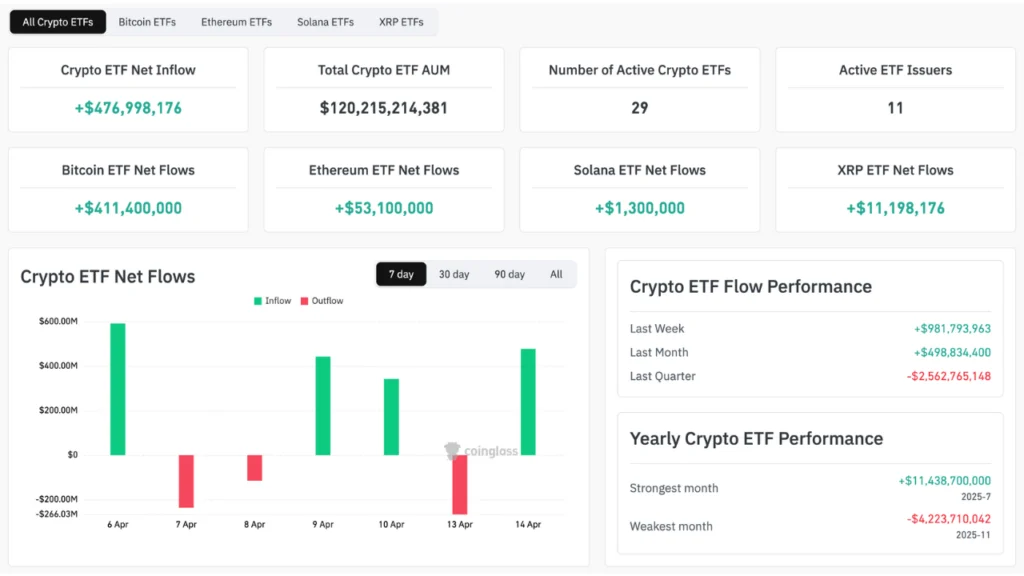
A dramatic and unexpected shift in the global geopolitical landscape has swiftly reinvigorated momentum across the cryptocurrency market, culminating in one of the most significant short squeezes observed in recent months. The catalyst was a widely reported ceasefire announcement between the United States and Iran, an event that sent immediate ripples through global financial markets and triggered the overnight liquidation of over $600 million in bearish crypto positions. This decisive move propelled Bitcoin back above the critical $72,000 threshold, injecting a renewed sense of optimism into a market previously constrained by pervasive uncertainty and macroeconomic headwinds. The market’s response was not merely a reactive rally but appeared to signify a structural reset, characterized by forced buying, a palpable shift in investor sentiment, and a burgeoning appetite for risk assets across the digital frontier.
The Geopolitical Trigger: From Tensions to Truce
For weeks leading up to this market pivot, global financial markets had been gripped by a profound sense of unease, largely stemming from escalating tensions in the Middle East. The region, a historically volatile flashpoint, saw heightened concerns particularly around the Strait of Hormuz. This narrow waterway, a critical chokepoint, is indispensable for the transit of approximately one-fifth of the world’s total petroleum consumption, making it a vital artery for global oil supply. Any disruption or perceived threat to this route has immediate and far-reaching implications for energy prices and, by extension, global inflation.
The prevailing market sentiment had been one of caution, with investors de-risking portfolios amid fears of potential supply chain disruptions, energy price spikes, and broader economic instability. Bitcoin, often touted as a "digital gold" or a hedge against traditional market volatility, had paradoxically found itself correlated with risk-on assets, suffering alongside equities and other speculative investments during periods of heightened geopolitical risk.
However, the unexpected news of a two-week ceasefire agreement between the U.S. and Iran acted as an immediate and powerful de-escalatory signal. The reaction across global commodities markets was instantaneous: oil prices, which had been elevated due to supply concerns, dropped sharply. This decline eased pervasive inflation concerns that had been a major macroeconomic headwind for risk-on assets, including cryptocurrencies. The alleviation of these pressures immediately improved the investment climate, reducing the likelihood of aggressive interest rate hikes or sustained economic contraction, thereby making digital assets more appealing.

Immediate Market Response: A Cascade of Gains
The impact on the cryptocurrency market was swift and dramatic. Bitcoin, the flagship digital asset, surged past the $71,000 mark within hours of the ceasefire announcement. This upward trajectory continued, pushing it beyond $72,000, a level many analysts considered a crucial psychological and technical barrier. Ethereum (ETH), the second-largest cryptocurrency by market capitalization, mirrored Bitcoin’s strength, climbing over 6% and reclaiming the significant $2,200 – $2,300 price range. This synchronized upward movement across the leading digital assets signaled a broad-based recovery.
Concurrently, the total cryptocurrency market capitalization experienced a substantial surge, vaulting past the $2.5 trillion mark. This metric serves as a key indicator of overall capital inflow into the digital asset space, and its rapid expansion underscored a significant return of investor confidence and capital. While the price action was undeniably impressive, market observers were quick to point out a crucial nuance: a substantial portion of this rally was not purely driven by organic, spot-market buying demand. Instead, derivatives markets played a pivotal role, setting the stage for a classic short squeeze.
The Mechanics of a $600 Million Short Squeeze
The primary engine behind this rapid market surge was a colossal liquidation of bearish positions on various cryptocurrency derivatives exchanges. Short selling, a trading strategy where an investor borrows an asset and sells it, hoping to buy it back later at a lower price to profit from the difference, had become prevalent during the period of geopolitical uncertainty. Traders, anticipating further price declines in Bitcoin and other digital assets, had accumulated significant short positions.
As prices began to rise sharply following the ceasefire news, these bearish bets quickly moved into unprofitable territory. When the price of an asset moves against a short seller’s position beyond a certain point, they are often faced with a margin call – a demand from their broker to deposit additional funds to cover potential losses. If they fail to meet this call, their positions are automatically liquidated, meaning the exchange forcibly buys back the underlying asset to close the short position. This forced buying creates a powerful feedback loop: as prices rise, more short positions get liquidated, which in turn drives prices even higher, triggering further liquidations.
According to market data providers, hundreds of millions of dollars in short positions were wiped out almost overnight. Specific data from analytics platforms indicated that over $600 million worth of short positions were liquidated across various exchanges within a 24-hour window following the news. This massive forced buying acted as a potent fuel for Bitcoin’s upward momentum, transforming what might have been a modest relief rally into a spectacular price surge. While effective in driving sharp, short-term price spikes, this phenomenon raises an important question for market participants: how sustainable is a rally predominantly driven by liquidations rather than sustained organic demand?

Bitcoin’s Position: Breakout Potential or Continued Consolidation?
For the preceding two months, Bitcoin had largely traded within a well-defined range, oscillating between approximately $64,000 and $74,000. This pattern is often interpreted by technical analysts as a consolidation phase, a period where the market digests previous moves and gathers strength before its next directional shift within broader market cycles. The recent short squeeze has pushed BTC towards the upper boundary of this established range, rekindling hopes of a decisive breakout.
However, many analysts remain cautious, highlighting that a sustained breach significantly above $78,000 would likely require a more robust and enduring catalyst than a short-term geopolitical de-escalation. While the immediate price action is strong, a deeper look into market metrics reveals a mixed picture. Spot trading volumes, which represent actual buying and selling of the underlying asset rather than speculative derivatives bets, remain relatively weak compared to historical bull market norms. This divergence suggests that while prices are indeed rising, the underlying conviction from long-term holders and new entrants, particularly in the spot market, may not yet be fully established to support a prolonged uptrend.
Some bullish forecasts, fueled by the recent momentum, suggest that Bitcoin could imminently test resistance levels between $75,000 and $80,000. These projections often point to decreasing macroeconomic uncertainty and the upcoming Bitcoin halving event as potential drivers. Conversely, more conservative analyses warn that if the current momentum fades and spot demand fails to materialize, a retracement towards lower support levels, potentially around $54,000, remains a distinct possibility. This ongoing debate reflects a broader uncertainty within the market: has Bitcoin truly found its bottom, or is this merely a relief rally within a larger corrective or bearish structure?
Institutional Signals: A Complex Narrative
Adding another layer of complexity to the unfolding narrative is the evolving landscape of institutional activity. Recent reports indicate that a major digital asset investment firm successfully raised over $1 billion specifically for accumulating Bitcoin. Such an event is widely interpreted as a strong vote of confidence from sophisticated investors in Bitcoin’s long-term trajectory and its potential as a store of value. This capital inflow, while not directly impacting spot prices overnight, signals a deepening institutional conviction that could provide foundational support for future price appreciation.
However, the picture painted by Bitcoin Exchange-Traded Fund (ETF) flows presents a more nuanced and somewhat mixed perspective. While Bitcoin spot ETFs initially saw unprecedented inflows upon their launch, recent weeks have shown notable outflows. This could be attributed to profit-taking by early investors, rebalancing of portfolios, or a temporary shift in sentiment. In contrast, Ethereum ETFs are beginning to attract steady inflows, particularly from jurisdictions where they have recently been approved or are anticipating approval. This divergence in ETF performance could signal a subtle but significant rotation within the broader crypto markets, where institutional investors might be diversifying their exposure or shifting preference towards assets with perceived greater immediate growth potential or regulatory clarity, rather than a simple, unified bull trend across all digital assets.

Ethereum’s Quiet Strength Beneath Resistance
Ethereum’s performance during this period has been particularly noteworthy, extending beyond mere price action. Several on-chain indicators suggest a strengthening of its underlying fundamentals. ETH is currently trading near its "realized price," a key metric that represents the average cost basis of all existing ETH holders. Historically, this level has acted as significant resistance during periods of weak market trends, often rejecting price attempts to move higher. However, when market sentiment improves and buying pressure increases, the realized price can flip into a crucial support level, providing a solid floor for further gains.
Furthermore, the Coinbase Premium Index, a metric that measures the price difference between Coinbase (a major U.S. exchange) and Binance (a global exchange), has remained positive in recent days. A positive premium on Coinbase typically indicates stronger buying interest and demand from U.S. institutional and retail investors, suggesting sustained capital inflow from a key market segment.
Despite these encouraging signs, risks persist for Ethereum. Funding rates in derivatives markets have recently turned negative, suggesting that a significant portion of speculative traders are still leaning bearish, anticipating a price decline. Combined with the immediate technical resistance zone near $2,388, Ethereum faces a critical juncture. The coming days will determine whether it can decisively break above this resistance and confirm its underlying strength, potentially initiating a new leg up, or whether it will face rejection and re-enter a period of consolidation.
The Return of High-Risk Capital: Pepeto and Beyond
While Bitcoin and Ethereum often dominate mainstream headlines, the current market cycle is also witnessing a discernible resurgence of speculative capital flowing into early-stage and presale tokens. This segment of the market, characterized by higher risk and potentially higher reward, tends to flourish when broader macroeconomic uncertainty recedes and investor confidence returns.
Among the projects gaining traction, Pepeto has emerged as a notable example, reportedly raising over $8.8 million during a period that was otherwise marked by extreme market fear. The project positions itself as an infrastructure-focused ecosystem, touting features such as zero-fee trading tools and cross-chain capabilities designed to enhance interoperability within the decentralized finance (DeFi) landscape. Its successful fundraising during a bearish period underscores a recurring pattern in crypto cycles: as macro uncertainty fades, capital often rapidly expands from established assets into more nascent, higher-risk, and higher-reward opportunities. Investors, now less worried about systemic collapse, begin to seek out projects with significant growth potential, often accepting greater volatility in exchange.

However, this segment of the market inherently carries substantial risks. The rapid influx of new tokens and projects, particularly in presale phases, increases the likelihood of encountering vulnerabilities, outright scams, or projects built on unsustainable tokenomics. The speculative nature of these early-stage investments necessitates rigorous due diligence, particularly concerning smart contract audits, team transparency, and the viability of the project’s proposed technology and use case. The increased activity also draws regulatory scrutiny, which can be a double-edged sword for nascent projects.
Market Psychology: Fear, Greed, and the Art of Timing
Perhaps the most profound takeaway from this latest rally is psychological rather than purely technical or fundamental. Cryptocurrency markets are uniquely sensitive to shifts in sentiment. Periods of extreme fear can suppress prices far below their intrinsic value or long-term potential, creating opportunities for contrarian investors. Conversely, a significant positive catalyst, such as a geopolitical de-escalation, can trigger rapid, outsized rebounds as fear dissipates and greed begins to re-emerge.
The Crypto Fear and Greed Index, a composite measure of market sentiment, had recently hovered at "extreme fear" levels, often signaling capitulation among retail investors. Historically, such conditions have frequently marked accumulation phases for long-term, strategic investors who view depressed prices as buying opportunities. The recent surge, therefore, can be seen as a powerful illustration of this dynamic: the market’s capacity for rapid reversals when the psychological tide turns.
Yet, as seasoned investors frequently attest, timing remains paramount in these volatile markets. Early participants in previous cycles, those who positioned themselves before major catalysts or during periods of maximum pessimism, have historically captured the majority of gains. Whether this pattern will repeat in the current cycle will depend on a complex interplay of evolving macro conditions, future regulatory developments, and the sustained inflow of both institutional and retail capital. The challenge lies in discerning whether the current shift represents a fundamental change in market direction or merely a temporary reprieve.
What Comes Next? Key Factors to Watch
Looking ahead, several critical factors will undoubtedly shape the trajectory of the cryptocurrency market in the coming months:

- Global Macroeconomic Stability: Continued de-escalation of geopolitical tensions and sustained easing of inflation concerns will be crucial. Central bank policies, particularly regarding interest rates, will heavily influence risk appetite.
- Regulatory Clarity: Developments in cryptocurrency regulation across major jurisdictions, particularly the United States and Europe, will provide much-needed clarity for institutional adoption and product development.
- Institutional Adoption & ETF Flows: The sustained performance of Bitcoin and Ethereum ETFs, along with broader institutional engagement, will be a key indicator of long-term capital inflow. Any significant shift in institutional sentiment could impact market direction.
- Technological Developments: Major upgrades or breakthroughs in blockchain technology, particularly for Ethereum (e.g., further scaling solutions like sharding), could drive fundamental value and adoption.
- Bitcoin Halving Impact: The upcoming Bitcoin halving event, which reduces the supply of new Bitcoin, is historically a bullish catalyst, though its effects are often priced in over time.
- Retail Participation: The return of broader retail investor interest, often indicated by increased trading volumes on consumer-facing platforms and social media sentiment, will be vital for sustained market growth.
For now, the cryptocurrency market finds itself at a significant crossroads. The $600 million short squeeze has delivered a powerful reminder of the market’s inherent volatility and its capacity for rapid reversals in response to external events. However, whether this marks the definitive beginning of a sustained uptrend, or merely a temporary relief rally within a broader period of consolidation, remains an open and hotly debated question among analysts and investors alike.
Final Take: Navigating Opportunity and Volatility
The ceasefire-triggered rally has undeniably reignited momentum across the cryptocurrency landscape, dispelling some of the pervasive gloom that had settled over the market. Yet, it has also exposed the somewhat fragile foundation beneath these recent gains, highlighting the significant role of derivatives-driven liquidations rather than purely organic spot demand. Short squeezes, while spectacular in their immediate impact, are often transient; lasting bullish trends necessitate genuine, sustained buying pressure from a diverse range of market participants.
Bitcoin is currently testing the upper boundaries of its established trading range, presenting a critical juncture for its next directional move. Ethereum, meanwhile, continues to show encouraging signs of structural strength, underpinned by robust on-chain metrics and growing institutional interest in its ecosystem. Concurrently, the resurgence of speculative plays, epitomized by projects like Pepeto, underscores the market’s perennial appetite for higher-risk, higher-reward opportunities when sentiment shifts towards optimism.
For astute investors, the message emanating from this dynamic environment is clear: significant opportunity is indeed returning to the digital asset space, but it arrives hand-in-hand with persistent volatility. In this evolving landscape, the ultimate winners will not simply be those who react first to price movements, but rather those who possess a profound understanding of the complex interplay of geopolitical events, macroeconomic forces, market mechanics, and underlying fundamental shifts that collectively drive the market’s direction. Prudence, informed analysis, and a long-term perspective will be paramount in navigating what promises to be an eventful period for cryptocurrencies.