admin
admin
The landscape of global commerce is undergoing a profound transformation, driven by the rapid advancement and mainstream adoption of digital currencies. As businesses increasingly seek to expand their payment options and tap into a burgeoning market of cryptocurrency holders, the role of a robust crypto payment gateway has become indispensable. These specialized platforms are not merely tools for accepting Bitcoin and other digital assets; they are critical infrastructure enabling seamless transactions, fostering broader customer bases, enhancing operational efficiency, and positioning enterprises at the forefront of the evolving digital economy. Choosing the optimal gateway is a strategic decision, directly impacting security, transaction speed, cost-effectiveness, and ultimately, customer satisfaction.
The journey into accepting digital payments can appear complex, fraught with considerations from technical integration to regulatory compliance. This comprehensive guide aims to demystify the process by exploring the leading crypto payment gateways available today, offering a structured approach to their evaluation, outlining the practical steps for implementation, and providing insight into the key criteria that define excellence in this dynamic sector. Whether operating a nascent e-commerce startup or managing a large-scale enterprise, understanding these crucial elements is vital for making an informed choice that aligns with specific business objectives and future growth ambitions.
The Rise of Digital Payments and the Imperative for Crypto Gateways
The advent of Bitcoin in 2009 marked a pivotal moment, introducing the world to decentralized digital currency. In the ensuing years, the cryptocurrency ecosystem has diversified dramatically, encompassing thousands of altcoins, stablecoins, and innovative blockchain technologies. Initially perceived as a niche interest, cryptocurrencies have steadily garnered legitimacy, with institutional investment growing, regulatory frameworks beginning to emerge, and public awareness expanding. This shift has catalyzed a demand from consumers who wish to transact using their digital assets, compelling businesses to adapt.

Traditional payment systems, while robust, often come with high transaction fees, slow international transfers, and geographical limitations. Cryptocurrencies, conversely, promise lower fees, near-instantaneous global transactions, and enhanced privacy, addressing several pain points for both merchants and consumers. However, the inherent technical complexities of managing blockchain transactions, coupled with market volatility, present significant barriers for businesses. This is where crypto payment gateways step in, acting as essential intermediaries that abstract away these complexities, allowing businesses to accept digital payments as easily as they would traditional fiat. They handle the conversion, ledger management, and often, the regulatory compliance, effectively bridging the gap between the decentralized crypto world and conventional business operations. The global crypto payment market size, valued at approximately $1.5 billion in 2022, is projected to grow at a compound annual growth rate (CAGR) of over 20% through 2030, underscoring the escalating demand for these services.
Key Criteria for Evaluating Crypto Payment Gateways
The selection of a crypto payment processor is a strategic decision that demands careful consideration of several critical factors. These criteria collectively determine a gateway’s suitability for a business’s unique operational needs, customer base, and risk appetite.
1. Supported Cryptocurrencies: A gateway’s ability to support a broad array of cryptocurrencies is paramount for businesses aiming to cater to diverse audiences. While Bitcoin (BTC) and Ethereum (ETH) are foundational, support for popular stablecoins like USDC and DAI, alongside a selection of high-liquidity altcoins, offers greater flexibility. Gateways with auto-conversion features further simplify transactions, allowing merchants to receive payments in their preferred currency while customers pay with any supported token. This adaptability is crucial in an ever-evolving crypto landscape.
2. Transaction Fees: The cost structure is a primary concern for any business. Crypto payment gateways typically charge transaction fees ranging from 0.5% to 1% per transaction, significantly lower than the 2-3% or more often associated with traditional credit card processing. Transparency in fee structures is vital; hidden costs for settlement, withdrawals, or advanced features can quickly erode profitability. Gateways offering flat-rate fees provide predictability, while others may offer tiered or custom pricing for high-volume merchants, necessitating a detailed cost-benefit analysis.
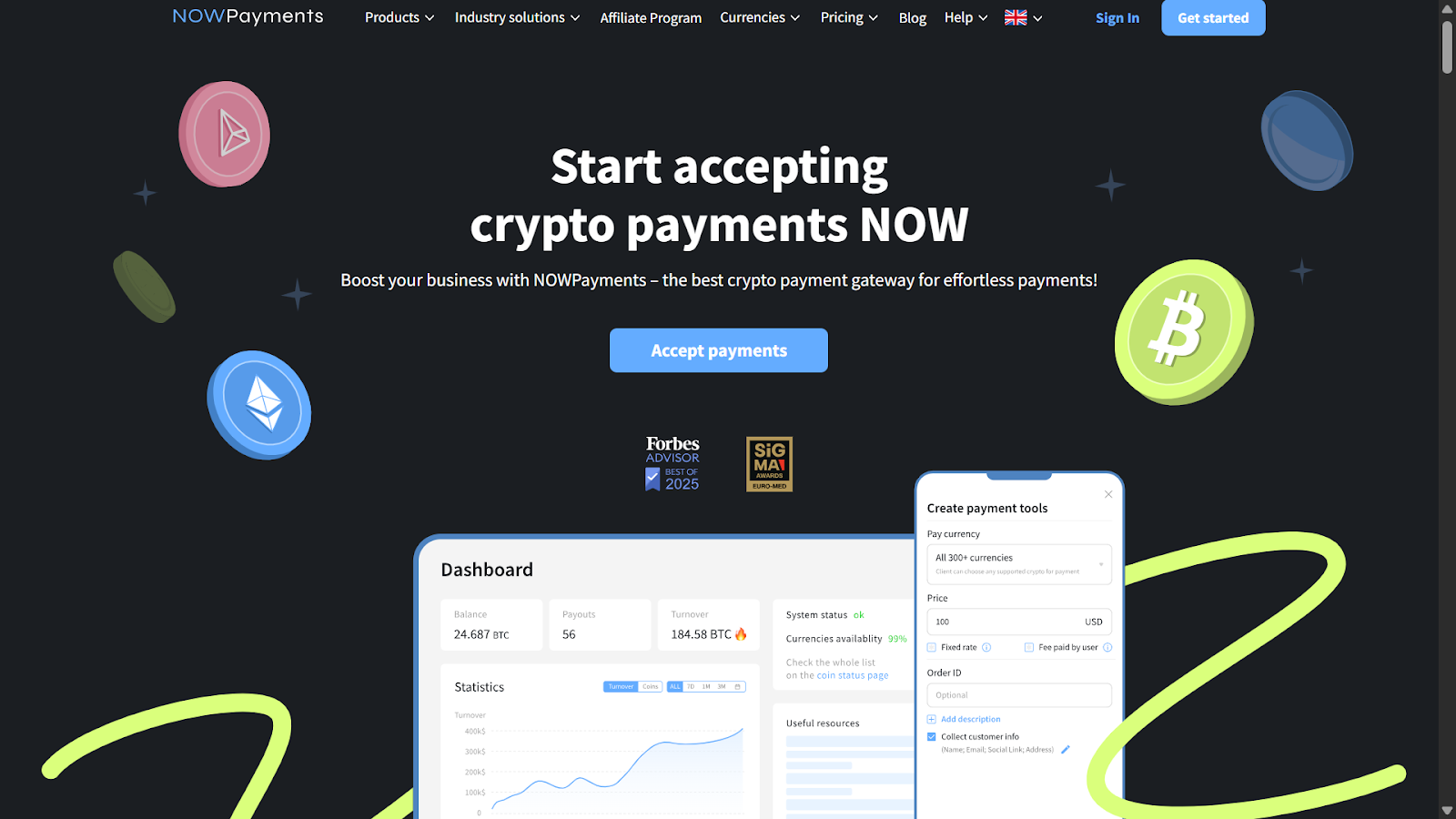
3. Security and Custodial Models: Security is non-negotiable in the crypto space. Robust measures, including advanced encryption, multi-factor authentication (MFA), and sophisticated fraud detection systems, are essential. Furthermore, the custodial model of the gateway dictates the level of control a business retains over its funds.
- Non-custodial gateways allow businesses to maintain direct control of their private keys and funds, transferring crypto directly to their own wallets. This offers maximum security against platform hacks but places the responsibility of wallet management and security squarely on the business.
- Custodial gateways hold funds on behalf of the merchant, often simplifying management and offering features like instant fiat conversion and chargeback protection. However, this model introduces counterparty risk, as the business relies on the gateway’s security infrastructure. The choice between custodial and non-custodial often hinges on a business’s technical expertise and risk tolerance.
4. Ease of Use and Integration: A user-friendly interface and a straightforward setup process are critical for seamless adoption. Gateways offering ready-made plugins or robust APIs for popular e-commerce platforms like Shopify, WooCommerce, Magento, and custom websites significantly reduce integration time and technical overhead. Comprehensive documentation, responsive customer support, and intuitive dashboards for transaction tracking and reporting further enhance the user experience.
5. Fiat Conversion Options: For many businesses, minimizing exposure to cryptocurrency price volatility is a key priority. Gateways that offer automatic or partner-based fiat conversion allow merchants to instantly convert crypto payments into traditional currencies like USD, EUR, or GBP. This feature hedges against market fluctuations and simplifies accounting and tax compliance, making crypto payments a more practical option for daily business operations.
6. Cross-Chain Functionality and Advanced Features: While less common, some advanced gateways are beginning to explore cross-chain capabilities, allowing for transactions across different blockchain networks. Other valuable features include recurring billing for subscription services, invoicing tools, point-of-sale (POS) solutions for physical stores, and detailed analytics. The availability of these features can significantly enhance a gateway’s utility for specific business models.
Top Bitcoin & Crypto Payment Gateways: A Detailed Review
Understanding the foundational criteria, we now delve into a detailed examination of leading crypto payment gateways, highlighting their strengths and ideal use cases.
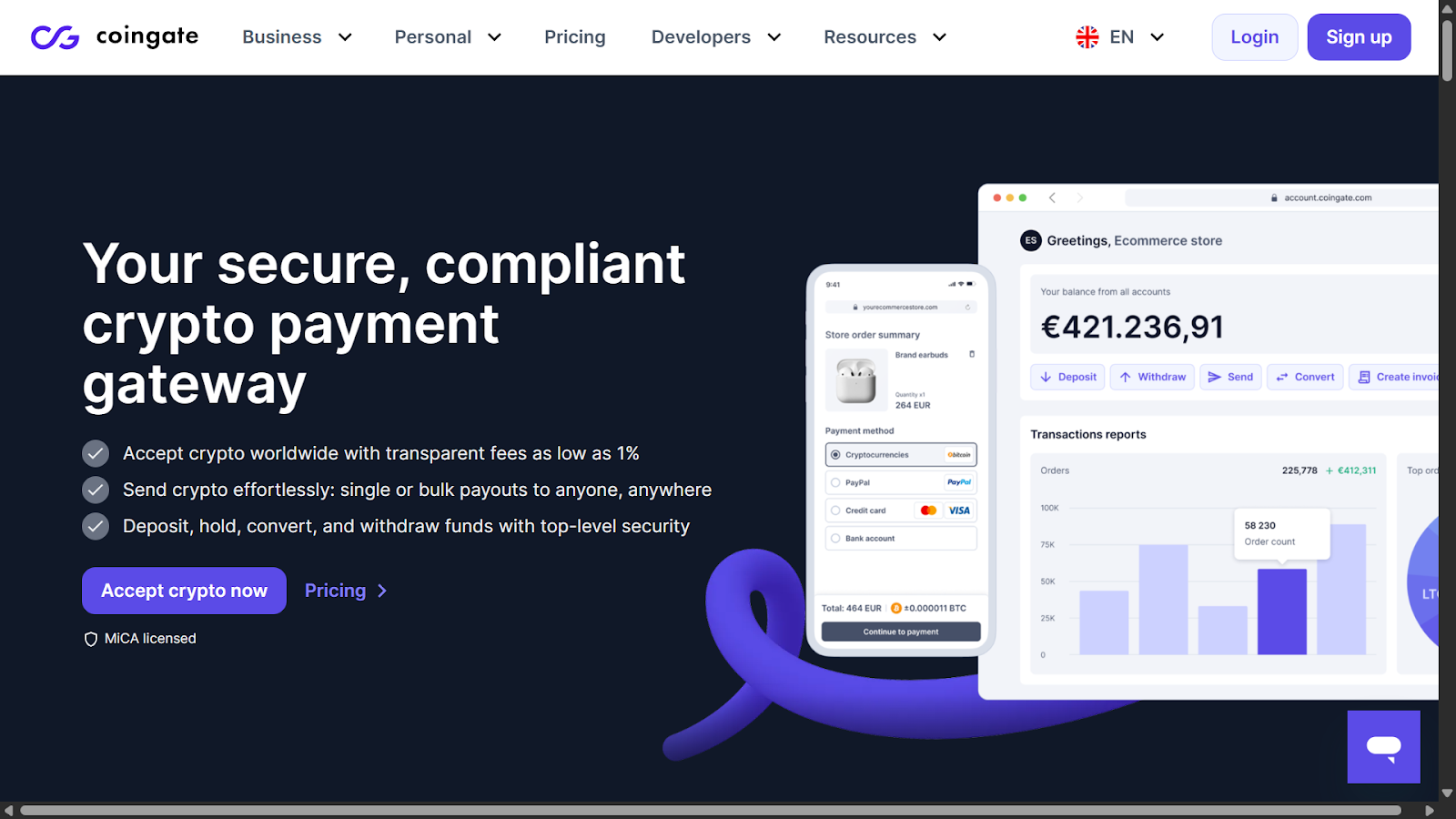
1. NOWPayments — Best Overall Crypto Payment Gateway
NOWPayments distinguishes itself with unparalleled flexibility, supporting over 200 cryptocurrencies. This extensive altcoin compatibility makes it an excellent choice for SaaS platforms, e-commerce stores, and global services aiming to cater to a broad spectrum of crypto users. Its auto-conversion feature streamlines transactions, allowing businesses to accept diverse tokens while receiving their preferred currency. NOWPayments offers optional non-custodial features, giving businesses control over their funds, and boasts easy integration with popular platforms like Shopify and WooCommerce. While it requires a third-party partner for direct fiat settlement, its low transaction fees (0.5% to 1%) and support for subscription billing make it a highly competitive and versatile option.
- Pros: Broadest altcoin support, auto-conversion, flexible custodial options, low fees, recurring billing.
- Cons: No direct fiat settlement, less established enterprise track record compared to veterans.
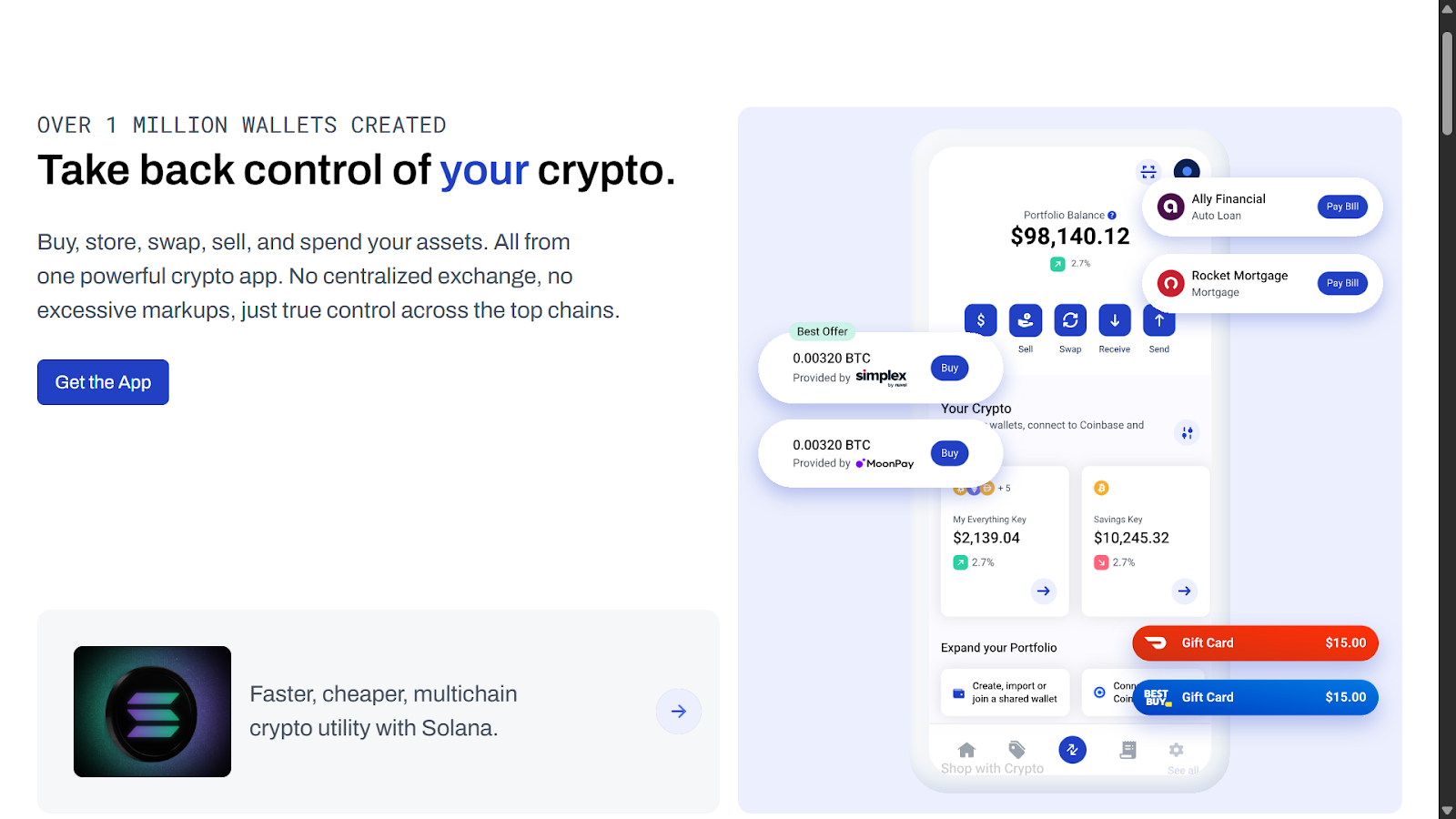
2. CoinGate — Best for Wide Crypto Selection with Fiat Support
CoinGate provides a balanced solution for businesses, supporting over 70 cryptocurrencies, including major tokens. Its simple 1% transaction fee structure, devoid of hidden costs, appeals to both small businesses and larger enterprises. CoinGate’s user-friendly interface and robust integration options via plugins and APIs make it a go-to solution. A notable feature is its fiat conversion capability for EUR and USD, alongside the option to purchase gift cards with crypto, adding versatility. While operating on a custodial model, its reliability and comprehensive features position it as a strong contender.
- Pros: Wide crypto support, simple 1% fee, fiat conversion (EUR/USD), gift card options.
- Cons: Custodial model, limited advanced enterprise features.
3. BitPay — Best for Enterprise-Grade Bitcoin Payments
As one of the pioneers in crypto payment processing, BitPay is renowned for its enterprise-grade reliability and strong focus on Bitcoin transactions, alongside support for select other cryptocurrencies. It simplifies the process of accepting digital assets with features like daily bank settlement, allowing businesses to quickly convert crypto into fiat. BitPay’s 1% transaction fee is straightforward, and its robust security measures have earned the trust of large businesses. Ideal for those prioritizing stability, compliance, and rapid fiat conversion, BitPay remains a benchmark for professional crypto payment solutions, though its altcoin support is more limited.
- Pros: Enterprise-level reliability, daily bank settlement for fiat, strong security, trusted brand.
- Cons: Custodial model, limited altcoin support compared to some competitors, 1% fee slightly higher than the lowest.
4. Coinbase Commerce — Best for Beginners and Ease of Use
Leveraging the trusted brand of Coinbase, Coinbase Commerce offers an excellent entry point for businesses new to crypto payments. It supports a variety of popular cryptocurrencies like Bitcoin, Ethereum, USDC, and DAI. Its optional custody model provides flexibility, allowing businesses to manage their funds or rely on Coinbase’s secure handling. A managed plan is available for fiat conversion, simplifying financial reconciliation. The intuitive interface and seamless integration make it particularly appealing for small businesses and startups seeking a straightforward and reputable gateway.
- Pros: User-friendly for beginners, trusted brand, optional custody, supports popular cryptos.
- Cons: Fiat conversion only via managed plan, limited advanced features for complex operations.
5. OpenNode — Best for Lightning Network Bitcoin Payments
OpenNode specializes in Bitcoin and Lightning Network payments, making it a prime choice for businesses prioritizing speed and extremely low transaction costs. The Lightning Network enables near-instant, high-volume microtransactions, which is ideal for online gaming, content monetization, or high-frequency retail. Operating on a non-custodial model, OpenNode ensures businesses retain full control over their funds. Its custom pricing structure caters to businesses of all sizes, emphasizing efficiency and Bitcoin-centric operations.
- Pros: Leverages Lightning Network for speed and low cost, non-custodial, custom pricing.
- Cons: Limited exclusively to Bitcoin and Lightning, no altcoin support.
6. CryptoWoo — Best for WooCommerce Users
CryptoWoo is a highly specialized payment gateway designed for seamless integration with WooCommerce, the popular e-commerce plugin for WordPress. It supports Bitcoin, Ethereum, and a selection of other cryptocurrencies, catering specifically to online retailers built on the WordPress platform. Its non-custodial model allows businesses to manage their funds independently, offering full control. While it does not offer fiat conversion directly, its deep integration with WooCommerce and compatibility with leading crypto wallets make it a powerful tool for this specific user base.
- Pros: Deep WooCommerce integration, non-custodial, supports major cryptos.
- Cons: Limited to WooCommerce, no direct fiat conversion.
7. Plisio — Best for Low-Fee Crypto Payments
For businesses primarily focused on minimizing transaction costs, Plisio stands out with a flat 0.5% transaction fee. It supports over 50 cryptocurrencies, including Bitcoin and Ethereum, making it an affordable option for small to medium-sized businesses. Plisio operates on a custodial model and does not offer direct fiat conversion, which simplifies its service offering and contributes to its low-cost structure. Its user-friendly interface ensures easy integration for cost-conscious merchants.

- Pros: Very low 0.5% transaction fee, good altcoin support, user-friendly.
- Cons: Custodial model, no fiat conversion.
8. TripleA — Best for Robust Fiat Conversion
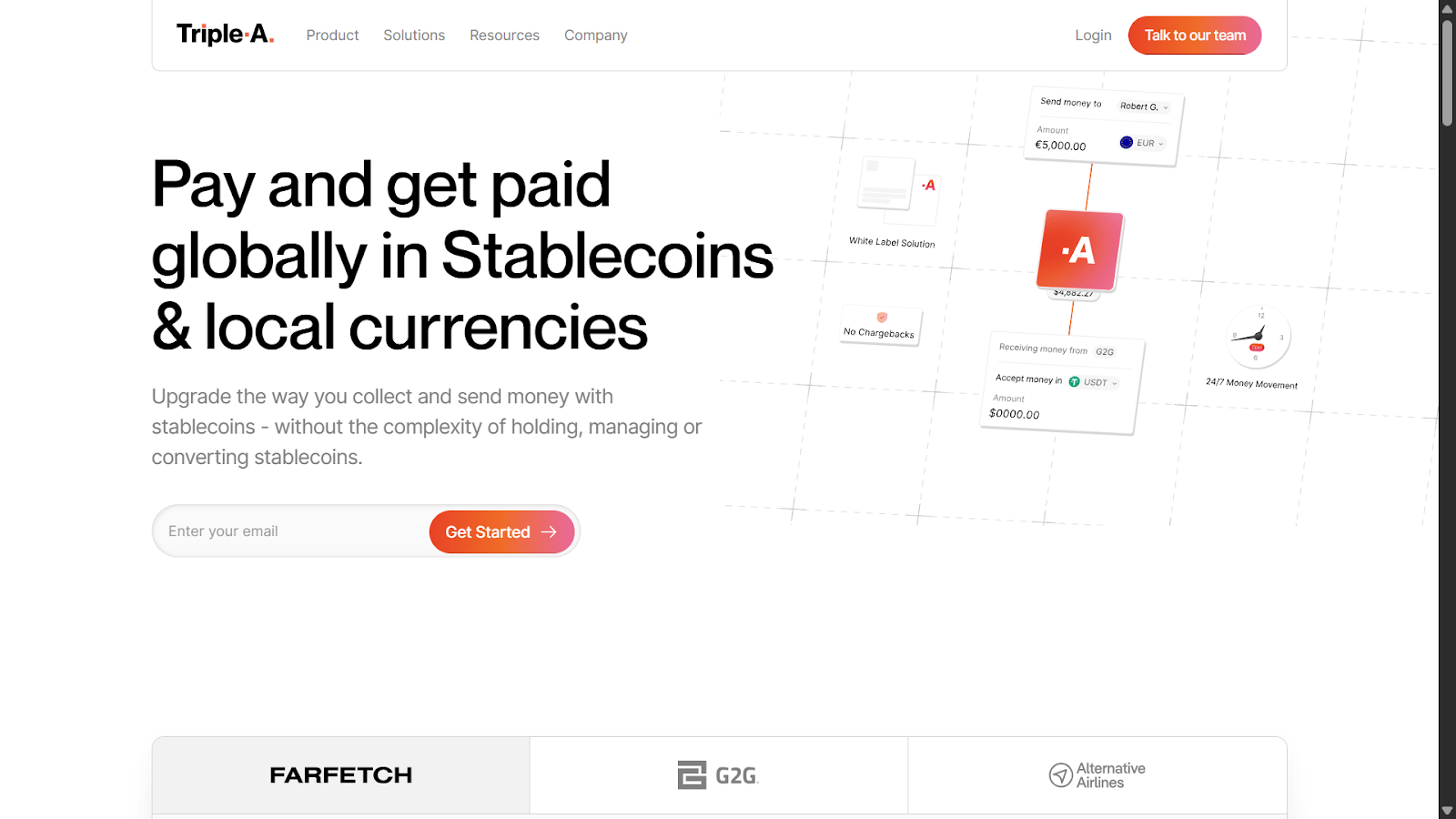
TripleA is designed for businesses where seamless and reliable fiat conversion is a top priority. It supports Bitcoin, Ethereum, and other cryptocurrencies, offering efficient conversion into traditional fiat currencies. Operating on a custodial model, TripleA securely manages funds, providing peace of mind for businesses concerned with regulatory compliance and hedging against crypto volatility. Custom pricing ensures flexibility for various business scales, making it a strong choice for those who value rapid and secure fiat off-ramps.
- Pros: Excellent fiat conversion, reliable and secure fund management, custom pricing.
- Cons: Custodial model, altcoin support may be less extensive than some.
9. Crypto.com Pay — Best for Crypto.com Ecosystem Users
Crypto.com Pay offers a tailored payment solution for businesses and consumers deeply embedded in the Crypto.com ecosystem. It supports CRO (Crypto.com Coin), Bitcoin, Ethereum, and other cryptocurrencies with an attractive flat 0.5% transaction fee. While it doesn’t offer direct fiat conversion, its seamless integration with the broader Crypto.com platform – which includes exchanges, wallets, and debit cards – makes it a convenient choice for existing users. It operates on a custodial model, ensuring secure fund management within a familiar environment.
- Pros: Low 0.5% transaction fee, seamless integration with Crypto.com ecosystem, user-friendly.
- Cons: Custodial model, no direct fiat conversion, most beneficial for existing Crypto.com users.
10. Strike — Best for Pure Bitcoin & Lightning Payments
Similar to OpenNode, Strike specializes in Bitcoin and Lightning Network transactions, prioritizing speed and minimal costs. It’s an excellent choice for businesses that want to exclusively accept Bitcoin and leverage the efficiency of the Lightning Network. Strike operates on a custodial model, ensuring secure fund management while providing custom pricing to suit various business needs. Its streamlined focus on Bitcoin makes it an efficient and focused solution for BTC-centric operations.
- Pros: Fast and low-cost Lightning Network payments, custom pricing, efficient Bitcoin processing.
- Cons: Limited to Bitcoin and Lightning only, custodial model, no altcoin support.
Setting Up a Crypto Payment Gateway: A Step-by-Step Guide
Implementing a crypto payment gateway involves a structured process, ensuring seamless integration and secure operations.

1. Choose the Right Platform: Begin by conducting thorough due diligence. Evaluate gateways based on the criteria discussed earlier: supported cryptocurrencies, transaction fees, security protocols (custodial vs. non-custodial), ease of integration, and fiat conversion options. Select a platform that aligns best with your business model, technical capabilities, and long-term strategic goals. Consider scalability and the gateway’s ability to adapt to future market changes.
2. Set Up Your Wallet Infrastructure: Regardless of whether you choose a custodial or non-custodial gateway, you will need a cryptocurrency wallet. For non-custodial solutions, you’ll set up and manage your own hot or cold wallets to receive funds directly. For custodial solutions, the gateway typically manages the primary wallet, but you’ll still need to link a withdrawal address for fiat or crypto payouts. Understanding wallet address functionality and implementing robust security practices for your chosen wallet(s) is paramount.
3. Integrate with Your Website or Store: Most leading gateways provide comprehensive tools for integration. This often includes:
- Plugins: Ready-made solutions for popular e-commerce platforms like Shopify, WooCommerce, Magento, and PrestaShop. Installation typically involves downloading and configuring the plugin within your platform’s backend.
- APIs (Application Programming Interfaces): For custom websites or more complex integrations, gateways offer APIs that allow developers to programmatically connect the payment processing functionality directly into your site’s code. This offers greater customization but requires technical expertise.
- Payment Buttons/Widgets: Simple embeddable code snippets for basic payment acceptance on any webpage.
Follow the gateway’s documentation meticulously to ensure correct setup and avoid potential vulnerabilities.
4. Configure Payment Settings and Compliance: Once integrated, configure the gateway’s settings according to your business requirements. This includes:

- Currency Preferences: Specify which cryptocurrencies you wish to accept and in what currency you prefer to receive settlements (e.g., direct crypto to your wallet, or converted to fiat).
- Transaction Fees: Understand how fees are applied and displayed to customers.
- Notifications: Set up alerts for successful payments, failed transactions, and other critical events.
- KYC/AML (Know Your Customer/Anti-Money Laundering): Depending on your jurisdiction and the gateway’s policies, you may need to complete KYC/AML verification. This is particularly common for gateways offering fiat conversion. Ensure compliance with all relevant financial regulations.
5. Test and Launch: Before making your crypto payment option live, conduct thorough testing. Perform several test transactions using different cryptocurrencies and payment scenarios. Verify that payments are processed correctly, funds arrive in the designated wallets, and all integrations function as expected. Check for accurate display of prices, fees, and order statuses. Once satisfied with the functionality and security, officially launch your crypto payment gateway, promoting it to your customer base.
Transaction Fees: A Comparative Look
As highlighted, transaction fees are a critical component of choosing a crypto payment gateway. These fees, typically a percentage of the transaction value, represent a significant advantage over traditional payment processing methods. For instance, credit card processors often charge 2.5% to 3.5% or more, plus a per-transaction fixed fee (e.g., $0.30). In contrast, crypto gateways commonly charge between 0.5% and 1%.
- Flat-Rate Fees: Many gateways, such as NOWPayments and Plisio, offer competitive flat-rate fees (e.g., 0.5% to 1%), providing clear predictability for merchants.
- Custom Pricing: Gateways like OpenNode, Strike, and TripleA may offer custom pricing models, especially for high-volume businesses. This can result in even lower rates as transaction volume increases, making them attractive for large enterprises.
- Additional Costs: It’s important to scrutinize for potential additional charges, which might include:
- Fiat Conversion Fees: If a gateway offers fiat settlement, there might be a small spread or fee for the conversion.
- Withdrawal Fees: Fees for withdrawing funds from the gateway’s custodial account to your bank account or external crypto wallet.
- Network Fees (Gas Fees): While typically borne by the customer or absorbed by the gateway, understanding how network fees for blockchain transactions are handled is important.
- Subscription Plans: Some gateways may offer tiered services with monthly subscription fees for advanced features.
The lower fee structure of crypto payment gateways translates directly into higher profit margins for businesses and can even enable new business models, such as micropayments, which are often uneconomical with traditional systems.
Broader Implications and Future Outlook
The adoption of crypto payment gateways carries significant implications beyond mere transaction processing.

Economic Empowerment and Financial Inclusion: By enabling global, borderless transactions, crypto payments can open up new markets for businesses, particularly in regions with underdeveloped banking infrastructure or high cross-border remittance costs. This fosters financial inclusion, allowing individuals and businesses in underserved areas to participate more readily in the global digital economy.
Enhanced Efficiency and Reduced Fraud: Blockchain technology’s inherent transparency and immutability can significantly reduce instances of fraud and chargebacks, a common pain point for traditional e-commerce. The finality of crypto transactions, once confirmed on the blockchain, provides greater security for merchants.
Innovation and New Business Models: Lower transaction fees and faster settlement times can spur innovation, enabling new business models such as pay-per-second streaming, decentralized autonomous organizations (DAOs) accepting contributions, and more efficient cross-border supply chain payments.
Challenges and Regulatory Landscape: Despite the benefits, challenges remain. Market volatility continues to be a concern, although stablecoins and instant fiat conversion features mitigate this risk. Regulatory uncertainty also poses a hurdle; governments worldwide are still developing comprehensive frameworks for digital assets, which can impact compliance requirements for payment gateways. However, as the industry matures, clearer regulations are expected, providing greater stability and legitimacy.
Looking ahead, the integration of crypto payments is poised to deepen. We can anticipate further advancements in cross-chain compatibility, the emergence of central bank digital currencies (CBDCs) offering government-backed digital payment options, and even more sophisticated fraud prevention mechanisms leveraging AI and machine learning. As the digital economy continues its inexorable expansion, crypto payment gateways will remain pivotal in shaping how businesses and consumers interact financially, solidifying their role as essential components of modern commerce.
Conclusion
The strategic integration of a cryptocurrency payment gateway is no longer a futuristic concept but a present-day necessity for businesses aiming to thrive in the digital economy. These platforms unlock access to a growing global customer base, streamline transaction processes, and offer significant cost advantages over traditional payment methods. By meticulously evaluating factors such as supported cryptocurrencies, transaction fees, security models, ease of integration, and fiat conversion capabilities, businesses can select a gateway that not only meets their immediate operational needs but also positions them for future growth and innovation. Embracing crypto payments is a proactive step towards greater efficiency, expanded market reach, and a resilient presence in the ever-evolving landscape of global commerce. The future of payments is undeniably digital, and the right gateway is the key to unlocking its full potential.
FAQs
Which is the best crypto payment gateway for business?
The "best" gateway depends on specific business needs. NOWPayments is often cited as the best overall for its extensive token support and low fees, while BitPay is preferred by enterprises for its reliability and fiat settlement.
How to accept Bitcoin payments on your website?
To accept Bitcoin payments, integrate a crypto payment gateway (e.g., BitPay, Coinbase Commerce, OpenNode) using their provided plugins for e-commerce platforms like Shopify or WooCommerce, or their APIs for custom website integration.

Can I use a crypto payment gateway without KYC?
Some crypto payment gateways, particularly those operating on a non-custodial model or focusing purely on crypto-to-crypto transactions, may allow businesses to operate without extensive KYC for certain services. However, features like fiat conversion almost always require KYC compliance due to financial regulations.
What is the cheapest crypto payment gateway?
Plisio is recognized as one of the cheapest, offering a flat 0.5% transaction fee. Other gateways like NOWPayments also offer competitive rates starting from 0.5%.
What is the difference between a crypto wallet and a payment gateway?
A crypto wallet is a software or hardware device used to store, send, and receive cryptocurrencies, essentially holding your private keys. A crypto payment gateway is a service that facilitates the acceptance and processing of crypto payments for businesses, often handling currency conversion, transaction tracking, and integration with e-commerce systems, acting as an intermediary between the customer’s wallet and the merchant’s wallet.