admin
admin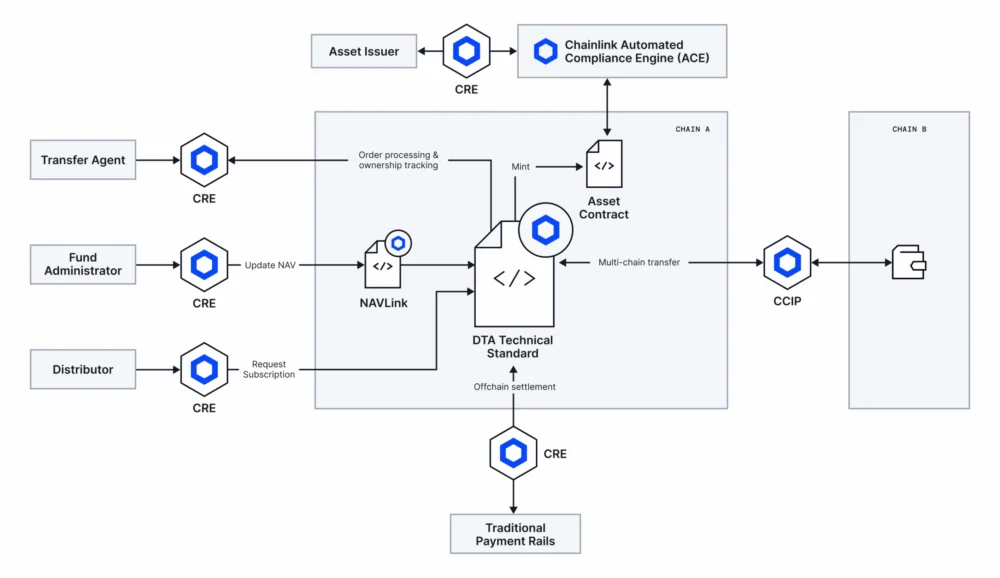
The United Kingdom is unequivocally embarking on a transformative, practical phase in the evolution of tokenized financial assets, moving beyond conceptual exploration to concrete implementation. With its deeply entrenched capital markets, globally influential asset management sector, and a historical reputation as a pivotal hub for financial market infrastructure, the UK is uniquely positioned to seamlessly integrate tokenization into its existing financial ecosystem. This approach signals a strategic decision to view digital assets not as a parallel, experimental venture, but as a fundamental evolution of the very infrastructure underpinning global finance. This perspective, articulated by industry leaders such as Jorge Lesmes, Global Head of Partnerships at Chainlink Labs, underscores a collaborative and measured shift towards a more efficient and interconnected financial future.
The UK’s Strategic Position and Regulatory Foresight
The UK’s journey into tokenization is underpinned by its inherent strengths. London, as a financial capital, manages trillions of pounds in assets and facilitates vast cross-border capital flows, making it an ideal testbed for innovations promising greater efficiency and transparency. The strategic embrace of tokenization by the UK’s financial authorities—including the Financial Conduct Authority (FCA), HM Treasury, and the Bank of England—has been central to shaping this trajectory. Rather than adopting a reactive stance, these bodies have pursued a deliberately sequenced approach, characterized by issuing comprehensive guidance, conducting thorough consultations, and establishing innovation sandboxes. This proactive framework allows for controlled experimentation and innovation while steadfastly upholding stringent standards of market conduct, consumer protection, and operational resilience. This regulatory environment has been instrumental in fostering a market perception where tokenization is seen as an infrastructural upgrade, compatible with established financial principles, rather than a speculative departure.
This structured regulatory engagement has empowered market participants to translate policy into tangible action. Major index providers, prominent asset managers, agile fintech firms, and critical infrastructure providers are now actively transitioning from theoretical pilots to targeted, production-grade implementations. These initiatives are designed to address specific, real-world operational needs and inefficiencies within the financial system, focusing on areas ripe for automation and streamlining.
Tokenization as an Engine for Efficiency and Connectivity
In the UK context, tokenization is not primarily about inventing entirely new financial instruments but rather about fundamentally re-engineering the operational mechanics of existing ones. Representing traditional assets such as funds, securities, and critical reference data on a blockchain creates unprecedented opportunities to automate processes that currently remain costly, cumbersome, and fragmented. This is particularly true for post-trade operations, data dissemination, and the complex coordination required across multiple platforms and jurisdictions.
The potential benefits of these efficiencies are profoundly relevant for a market of the UK’s scale and global reach. Improving the speed, accuracy, and consistency with which assets, data, and instructions traverse institutional boundaries promises to reduce friction not only within the domestic market but also across the intricate international value chains intrinsically linked to London’s financial ecosystem. Industry reports often cite that post-trade processing can account for a significant portion of operational costs in financial institutions, with inefficiencies leading to delays, errors, and increased capital requirements. Tokenization offers a technological solution to mitigate these long-standing issues.
Crucially, this transformative shift does not necessitate the wholesale abandonment of existing, robust infrastructure. Instead, tokenization is being strategically layered onto current systems, demanding robust and seamless integration between nascent blockchain networks, traditional custodians, established data providers, and existing compliance frameworks. This hybrid approach ensures continuity and mitigates systemic risks during the transition.
Foundational Infrastructure: The Bedrock of Tokenization’s Success
As tokenization initiatives in the UK gain maturity, a consistent and critical theme has emerged: the ultimate success of tokenized assets hinges less on the token itself and more on the robustness and reliability of the supporting infrastructure.
Data Integrity and Accessibility: High-quality market data forms the foundational requirement for virtually every institutional financial activity, from sophisticated portfolio construction and precise risk management to accurate valuation and regulatory reporting. Recognizing this imperative, FTSE Russell, a global leader in index provision and a vital part of the London Stock Exchange Group, made a significant move by deciding to publish its globally recognized indices on-chain via Chainlink’s DataLink. This groundbreaking initiative makes trusted benchmark data—data that underpins the tracking and management of trillions of pounds in assets globally—directly available on blockchain networks. This ensures that tokenized products can rely on the identical, high-integrity inputs as their traditional counterparts, fostering confidence and consistency across both worlds. This step is crucial for institutional adoption, as it bridges the trust gap between established financial data sources and emerging blockchain environments.
Programmable Compliance and Policy Enforcement: Compliance stands as another paramount structural priority. UK financial institutions operate within some of the world’s most robust governance and supervisory frameworks. Consequently, tokenized assets must adhere to these same exacting expectations. This has spurred growing interest in programmable compliance and policy enforcement mechanisms that can operate consistently across diverse blockchain environments while remaining fully aligned with established regulatory requirements. Infrastructure solutions such as Chainlink’s Automated Compliance Engine (ACE) exemplify this direction. ACE enables compliance rules, eligibility checks, and policy controls to be embedded directly into on-chain workflows and enforced consistently across multiple networks. This capability is further complemented by collaborations with market participants in the UK who are building sophisticated case management and regulatory reporting workflows on top of this programmable compliance infrastructure, working closely with Chainlink to ensure ACE aligns perfectly with established regulatory frameworks for digital securities. These concerted efforts illustrate a clear pathway for compliance, reporting, and governance to evolve in lockstep with tokenization, without any compromise on regulatory standards.
Seamless Interoperability: Interoperability serves as the vital connective tissue, linking all these disparate elements. In practical terms, tokenized assets in the UK will inevitably interact with a multitude of blockchains, legacy systems, and international counterparties. Standardized interoperability frameworks, such as Chainlink’s Cross-Chain Interoperability Protocol (CCIP), and advanced orchestration tools like the Chainlink Runtime Environment (CRE), are increasingly being recognized as enabling technologies. They facilitate the secure and reliable movement of assets, data, and complex workflows across these heterogeneous environments, breaking down silos and fostering a truly integrated financial landscape.
Institutional Momentum Across the UK Ecosystem
The shift towards practical implementation is evident across various segments of the UK financial ecosystem.
Modernizing Asset Management and Operations: Schroders, a prominent global asset manager, actively participated in the Corporate Actions Lifecycle Management (CALM) project. This significant initiative, led by Chainlink in collaboration with over twenty leading financial market participants, is laser-focused on modernizing corporate actions processing. This area remains one of the most operationally complex and costly aspects of securities servicing, plagued by fragmented data flows and manual reconciliation. By leveraging blockchain-based workflows and verifiable data infrastructure, the CALM project aims to automate key lifecycle events, drastically improve data accuracy and timeliness, and significantly reduce operational risk. This closely aligns with the UK market’s overarching emphasis on efficiency, transparency, and resilience. The success of such projects could unlock substantial cost savings and reduce settlement times, benefiting the entire value chain.
Bridging Traditional Finance and Decentralized Finance (DeFi): The collaborative work between Chainlink and entities like Aave Labs and Euler Labs highlights another burgeoning direction: the careful integration of institutional-grade data, stringent risk controls, and robust compliance considerations into on-chain lending and liquidity markets. For globally operating, UK-based institutions, such integrations offer a viable pathway to access the innovative potential of programmable financial primitives while meticulously maintaining appropriate safeguards and adhering to regulatory dictates. This hybrid model represents a critical step in bringing the benefits of DeFi to a regulated institutional environment.
These diverse examples collectively underscore a clear, strategic shift toward production-oriented use cases. The focus is now firmly on addressing specific, quantifiable market inefficiencies rather than engaging in broad, exploratory pilots, marking a mature phase in the UK’s tokenization journey.
A Regulatory Environment Designed for Gradual Scale
The UK’s pragmatic and carefully considered regulatory approach has been a crucial enabler of this measured progress. Rather than attempting to prescribe specific technological solutions, regulators have focused on defining desired outcomes—such as maintaining market integrity, safeguarding consumers, and ensuring operational resilience—while affording firms the necessary flexibility in how they achieve these standards.
The FCA’s proactive work on fund tokenization, coupled with its proposals for a dedicated financial market infrastructure (FMI) sandbox, unequivocally signals an openness to innovation, but always within clearly defined boundaries. This approach actively encourages institutions to invest in tokenization initiatives that are inherently compatible with existing governance models, rather than forcing disruptive and potentially destabilizing change. Within this framework, emerging infrastructure such as Chainlink’s Digital Transfer Agent (DTA) technical standard illustrates how core fund administration functions—including ownership records, transfer restrictions, and lifecycle events—can be automated and synchronized across both on-chain and traditional systems, all while remaining fully aligned with stringent regulatory and operational requirements. This standard could dramatically reduce the administrative overhead associated with managing funds and securities.
Crucially, this forward-thinking regulatory stance also explicitly supports interoperability with other international jurisdictions. This foresight allows UK-based firms to actively participate in and contribute to the development of global tokenized markets as international standards gradually converge, solidifying the UK’s role as a global financial leader in the digital age.
Implications for UK Decision-Makers and the Future of Finance
For banks, asset managers, infrastructure providers, and policymakers across the UK, tokenization is increasingly becoming a question of execution rather than mere experimentation. The industry focus is rapidly shifting towards the critical selection of infrastructure that can genuinely scale, the seamless integration of digital assets into existing workflows, and ensuring that governance and risk management frameworks evolve in parallel with technological advancements.
Successful initiatives consistently emphasize the foundational importance of trusted data, standardized connectivity, and the early, proactive integration of compliance considerations. Neutral infrastructure providers, such as Chainlink Labs, that enable these capabilities without locking institutions into proprietary, closed ecosystems are playing an increasingly pivotal role in the market’s development. Their ability to provide open, secure, and reliable middleware is essential for fostering a competitive and innovative tokenized financial landscape.
As the UK continues to solidify its position in the global digital asset space, its measured, infrastructure-first approach, combined with a supportive regulatory environment, positions it to lead in creating a more efficient, transparent, and resilient financial system. This strategic direction not only enhances the UK’s domestic financial capabilities but also reinforces its long-standing influence and competitiveness on the international stage, ensuring its relevance in the evolving landscape of global finance. The integration of tokenized assets is not merely a technological upgrade but a strategic imperative for maintaining London’s status as a leading financial hub.