admin
admin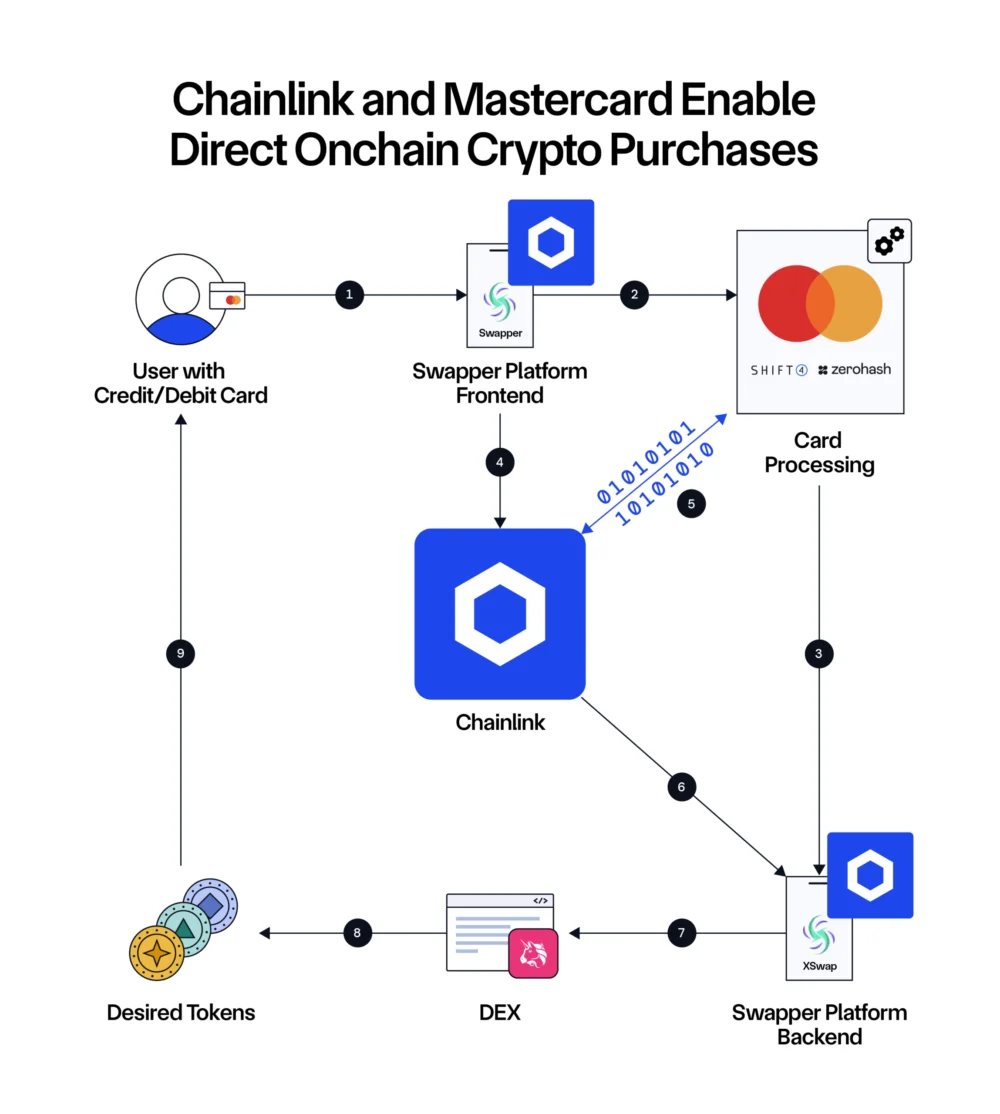
The year 2025 marked an undeniable turning point for Chainlink, solidifying its position as the foundational middleware layer connecting the burgeoning on-chain economy with traditional financial systems. As the world navigated the complexities of digital asset integration, Chainlink’s suite of decentralized services proved indispensable, facilitating unprecedented collaboration between established financial institutions and the innovative landscape of decentralized finance (DeFi). This period saw significant advancements in cross-chain interoperability, real-world asset (RWA) tokenization, and enterprise adoption, laying the groundwork for a truly global, interconnected financial future in 2026 and beyond.
A New Era of Financial Integration: The 2025 Overview
Throughout 2025, Chainlink played a pivotal role in accelerating the convergence of traditional finance (TradFi) and the blockchain ecosystem. The widespread adoption of Chainlink’s oracle networks, its Cross-Chain Interoperability Protocol (CCIP), and its emerging automation services acted as the critical infrastructure enabling secure, reliable, and scalable on-chain finance. This integration was not merely theoretical but manifested in tangible, production-level deployments across various sectors, from global payments to institutional asset management and sovereign digital currencies.
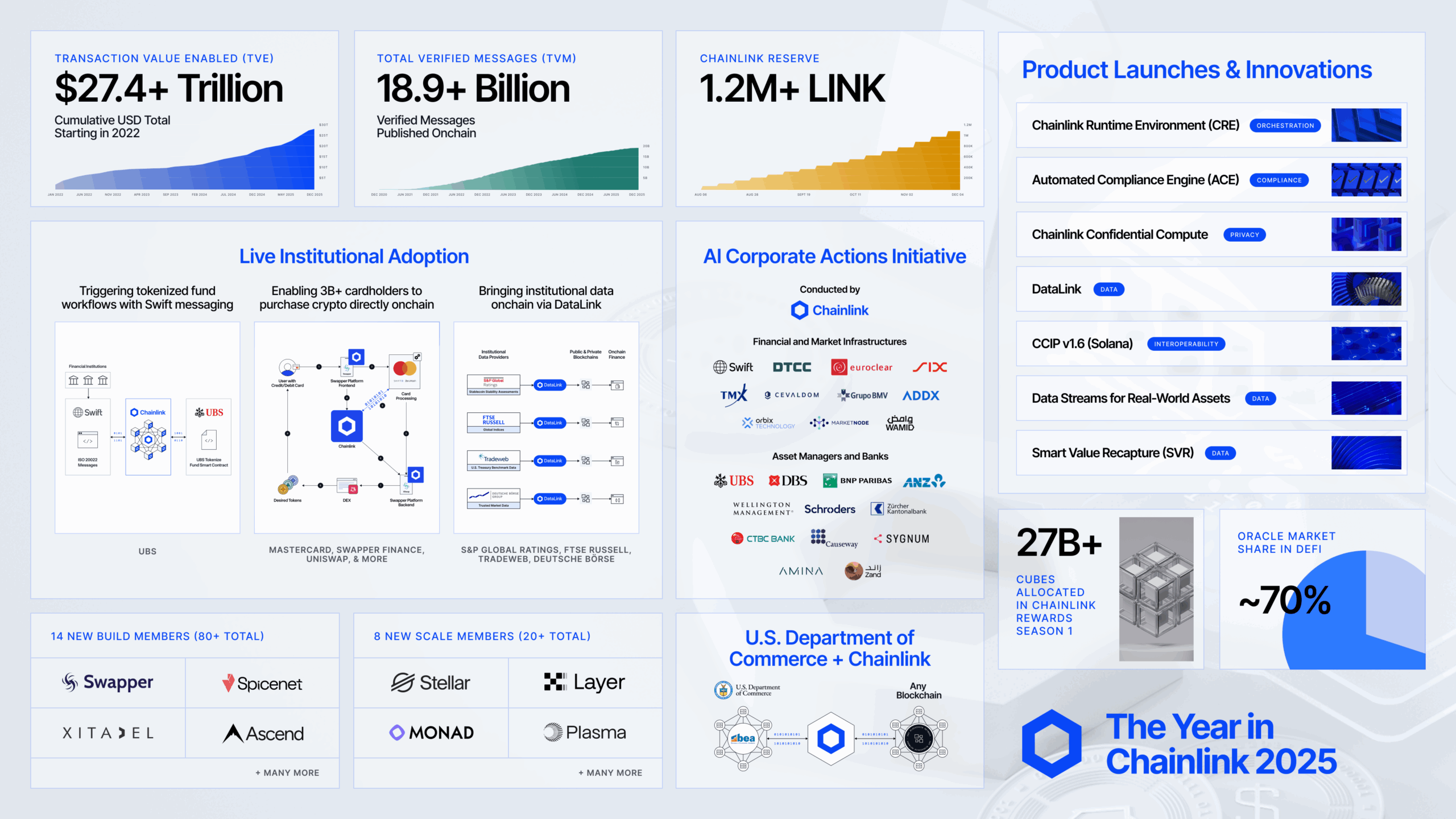
Chainlink’s comprehensive approach addressed key challenges faced by financial institutions seeking to engage with blockchain technology: data reliability, secure connectivity across diverse networks, and the automation of complex smart contract workflows. By providing a robust, decentralized framework for these essential services, Chainlink empowered enterprises to confidently explore and implement blockchain solutions, transitioning from experimental phases to concrete, impactful applications that are now shaping the new global financial system. The scale of this transformation was evident in the rapid increase in total value secured by Chainlink, which soared past the $100 billion mark by Q4 2025, reflecting its trusted status across the entire digital asset landscape.
High-Level Engagement: The White House Digital Asset Summit

A defining moment in 2025 was the unprecedented engagement at the highest levels of government. Sergey Nazarov, co-founder of Chainlink, delivered opening remarks to President Donald J. Trump at the White House Digital Asset Summit. This event underscored the growing recognition of blockchain technology’s strategic importance and Chainlink’s central role in its mainstream adoption. Nazarov’s address highlighted the potential of decentralized infrastructure to enhance financial stability, transparency, and global competitiveness.
"The dialogue initiated at the White House summit represents a crucial step towards fostering a collaborative environment between policymakers, regulators, and innovators," Nazarov stated in a subsequent press briefing. "Our discussions focused on how secure, interoperable blockchain solutions, powered by Chainlink, can underpin critical national infrastructure, from secure digital identities to more efficient cross-border payments, all while ensuring robust regulatory compliance and consumer protection. This is about building the financial operating system of the future, together." The image of President Trump and Sergey Nazarov shaking hands, circulated globally, symbolized this historic moment of mainstream validation for the blockchain industry and Chainlink’s leadership within it. This high-profile endorsement signalled a clear path for digital assets to move beyond niche markets into the core of national economic strategies, encouraging further institutional investment and regulatory clarity.
TradFi Transformation: Accelerating Institutional Adoption
The year 2025 witnessed a surge in traditional financial institutions leveraging Chainlink to bridge their operations with on-chain capabilities. These partnerships demonstrated a clear shift from exploratory pilots to live, impactful deployments, primarily driven by the demand for enhanced efficiency, transparency, and access to new markets.
-
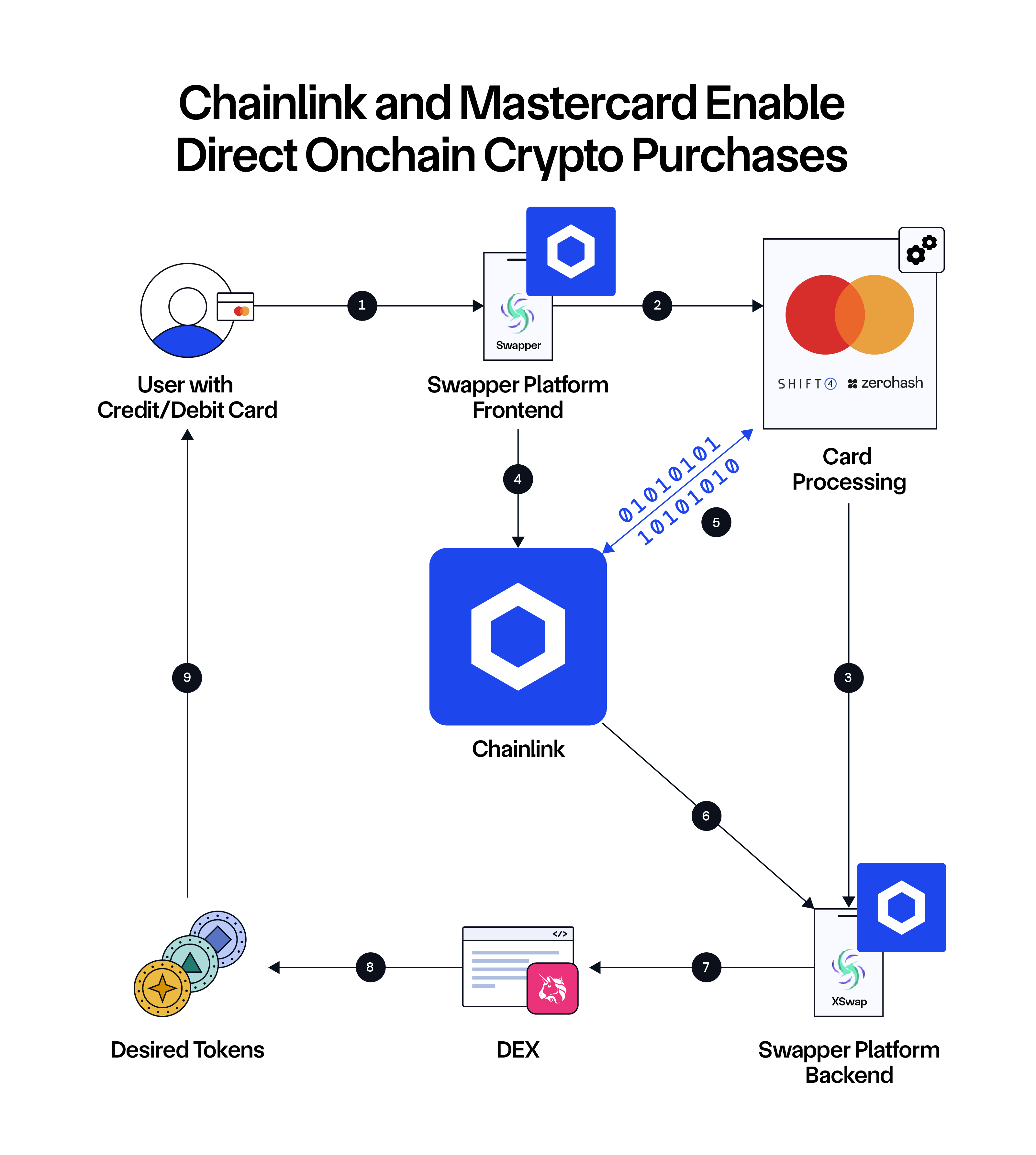
Mastercard’s On-Chain Payments Revolution: In a landmark collaboration, Chainlink and Mastercard announced an initiative enabling over 3 billion payment cardholders globally to purchase crypto assets directly on-chain. This integration bypassed traditional, often cumbersome, fiat-to-crypto gateways, offering unparalleled ease of access to digital assets. Mastercard’s CEO, Michael Miebach, commented, "Our partnership with Chainlink is a game-changer for digital asset accessibility. By integrating on-chain purchase capabilities directly into our payment network, we are not just simplifying crypto transactions; we are democratizing participation in the digital economy for billions of users, fostering financial inclusion and innovation at an unprecedented scale." The system leveraged Chainlink oracles to provide real-time price feeds and verify transaction details, ensuring secure and efficient conversions.
-
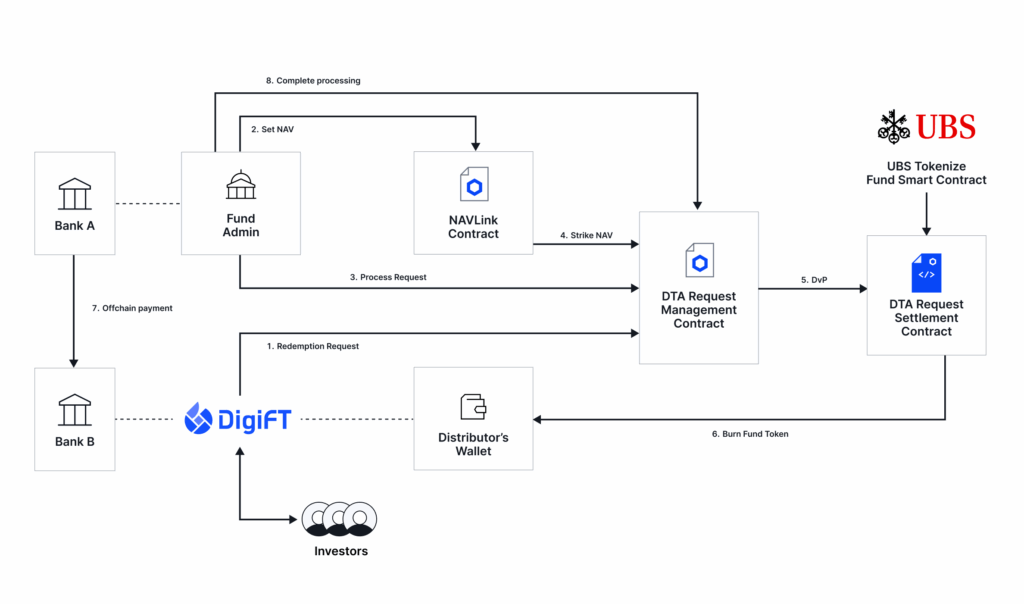
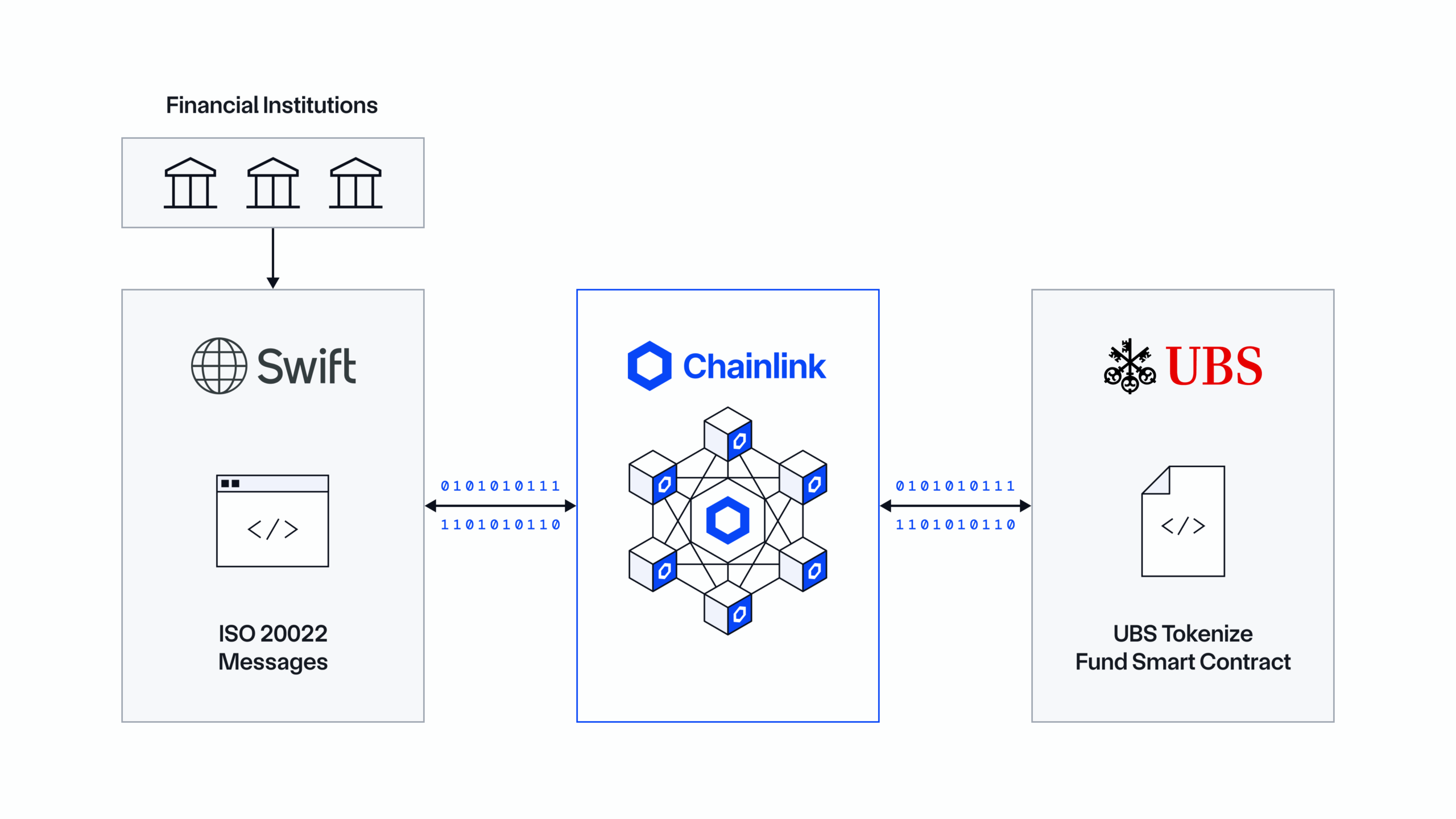
UBS and SWIFT: Tokenized Funds and ISO 20022 Integration: A pivotal development for institutional finance was the collaboration between UBS, SWIFT, and Chainlink. This initiative demonstrated how financial institutions could send ISO 20022 messages via SWIFT, which Chainlink’s services—specifically its Cross-Chain Interoperability Protocol (CCIP) and a new Chainlink Reference Data Environment (CRE)—then used to trigger on-chain subscription and redemption workflows for a UBS tokenized fund. This showcased a seamless integration of legacy financial messaging with blockchain-native asset management. "Bridging SWIFT’s global messaging network with the efficiency of tokenized assets on a blockchain, via Chainlink, is a monumental step," stated a UBS spokesperson. "This proof-of-concept has moved rapidly into production, proving that on-chain finance can seamlessly integrate with existing institutional frameworks, unlocking new levels of automation and reducing operational friction for fund management." The integration with ISO 20022, the new global standard for financial messaging, positioned Chainlink as a critical enabler for future cross-border transactions and interbank settlements in the digital age.
-
JPMorgan’s On-Chain Ambitions: Building on its Project Onyx initiatives, JPMorgan further deepened its engagement with Chainlink in 2025, exploring expanded use cases for tokenized deposits, interbank payment systems, and wholesale funding markets. The bank utilized Chainlink’s oracle services to ensure the integrity of off-chain data feeds required for complex financial instruments and to automate compliance checks for its on-chain operations. This strategic alignment underscored the growing confidence of major financial institutions in Chainlink’s ability to provide the secure and reliable infrastructure necessary for enterprise-grade blockchain applications.
-
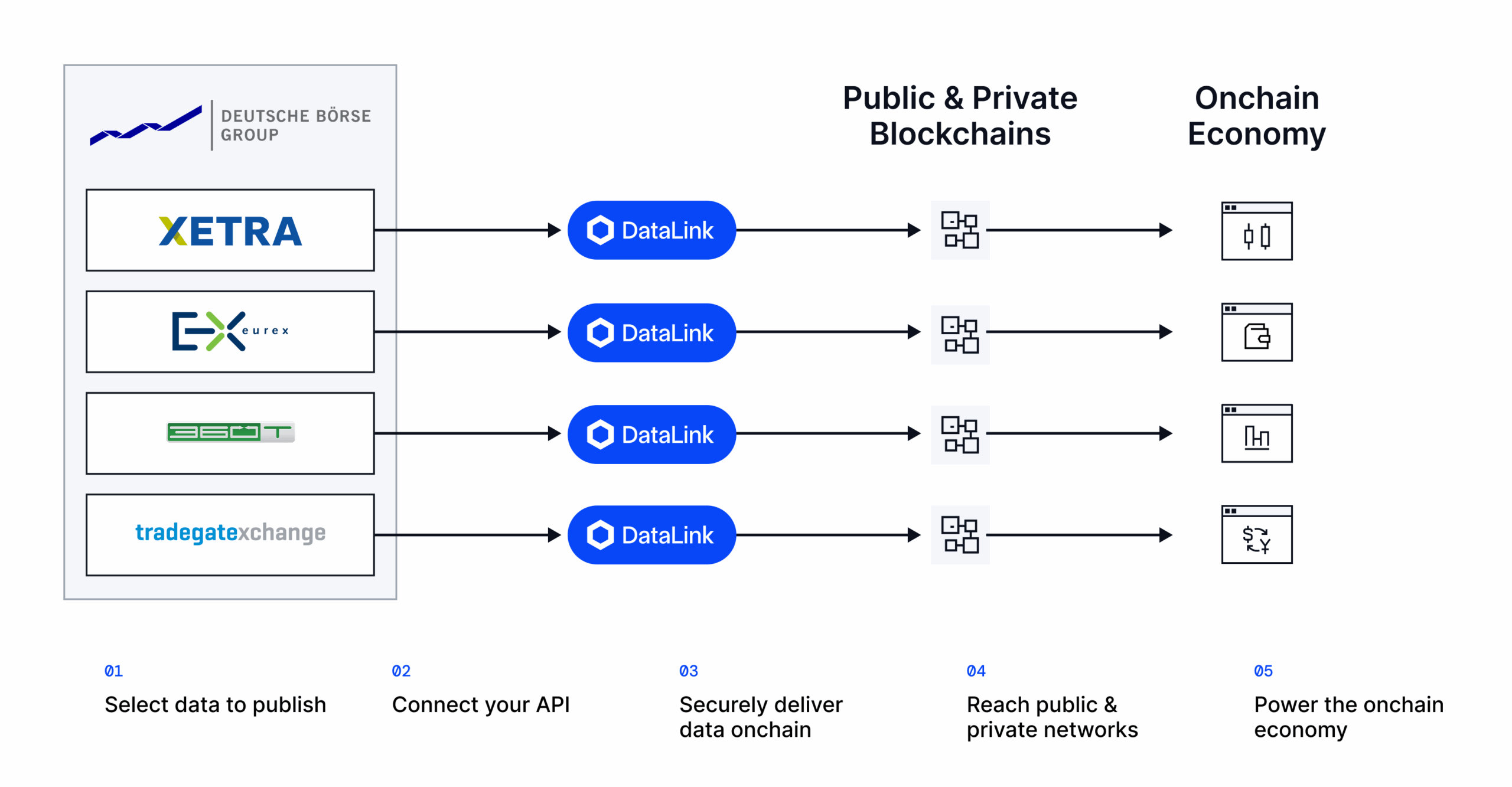
Deutsche Börse DataLink: The partnership with Deutsche Börse saw the launch of "DataLink," a service powered by Chainlink that provides high-quality, tamper-proof market data directly to smart contracts. This was crucial for institutional DeFi, enabling the creation of more sophisticated derivatives, structured products, and automated trading strategies with verifiable data provenance. "Reliable, real-time market data is the lifeblood of financial markets," commented a Deutsche Börse executive. "Chainlink DataLink ensures that on-chain applications receive the same institutional-grade data integrity as our traditional systems, fostering greater trust and innovation in the digital asset space."
-
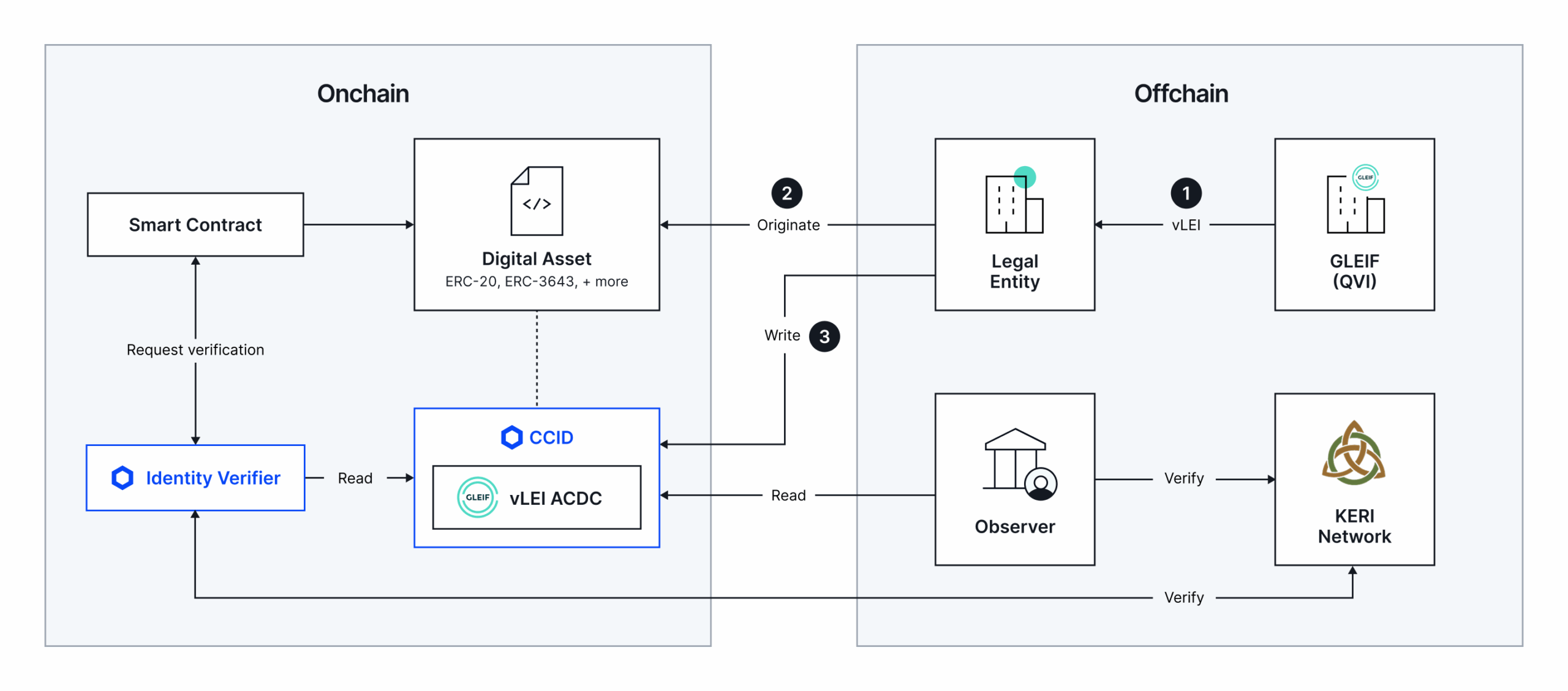
GLEIF and Verifiable Legal Entity Identifiers (vLEI): Addressing the critical need for robust identity verification in the on-chain economy, Chainlink integrated with the Global Legal Entity Identifier Foundation (GLEIF) to enable verifiable Legal Entity Identifiers (vLEI) for institutional participants. This move significantly enhanced compliance, anti-money laundering (AML), and know-your-customer (KYC) processes for entities operating in the decentralized landscape, paving the way for broader regulatory acceptance of blockchain-based financial services.
-
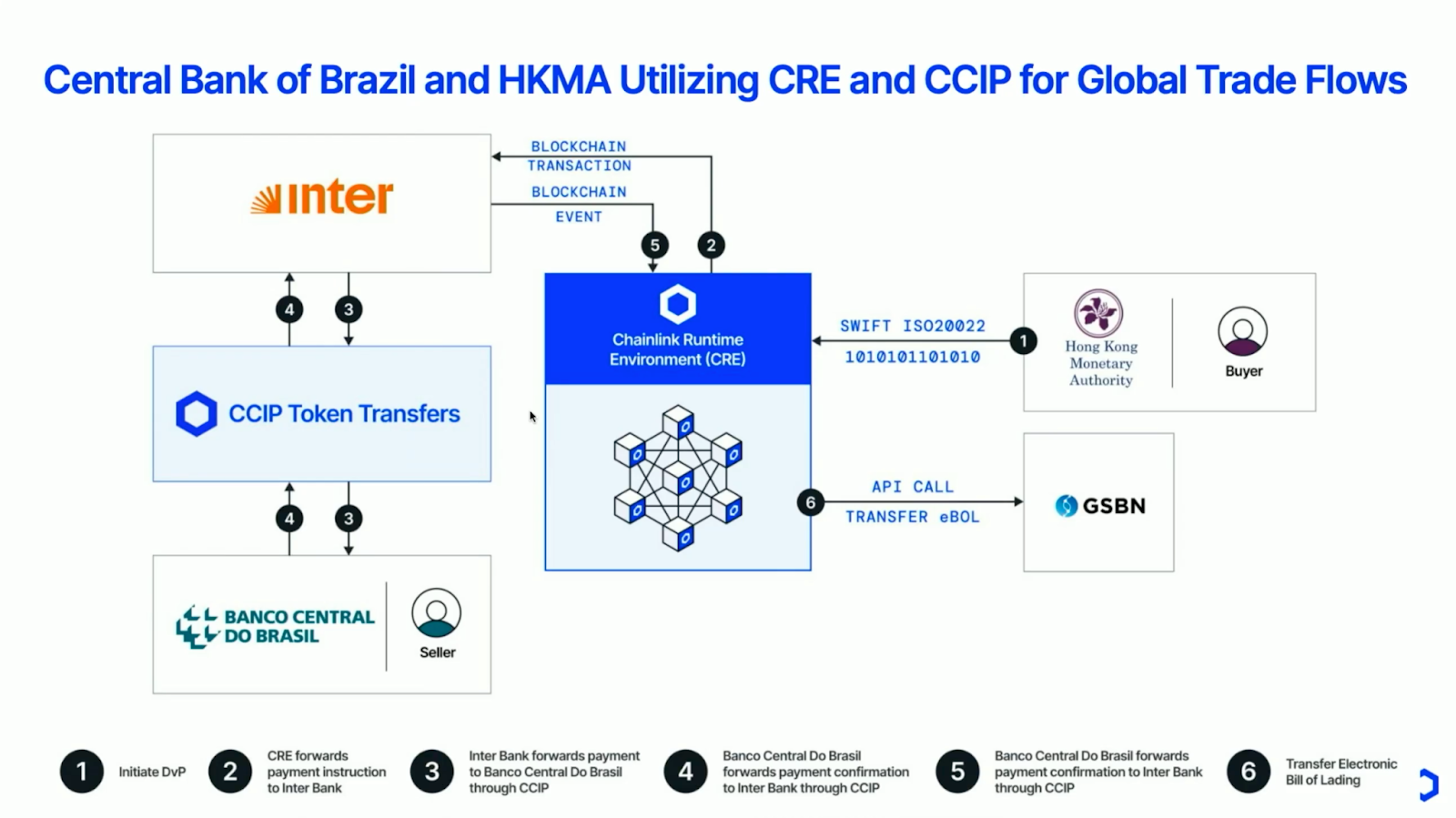
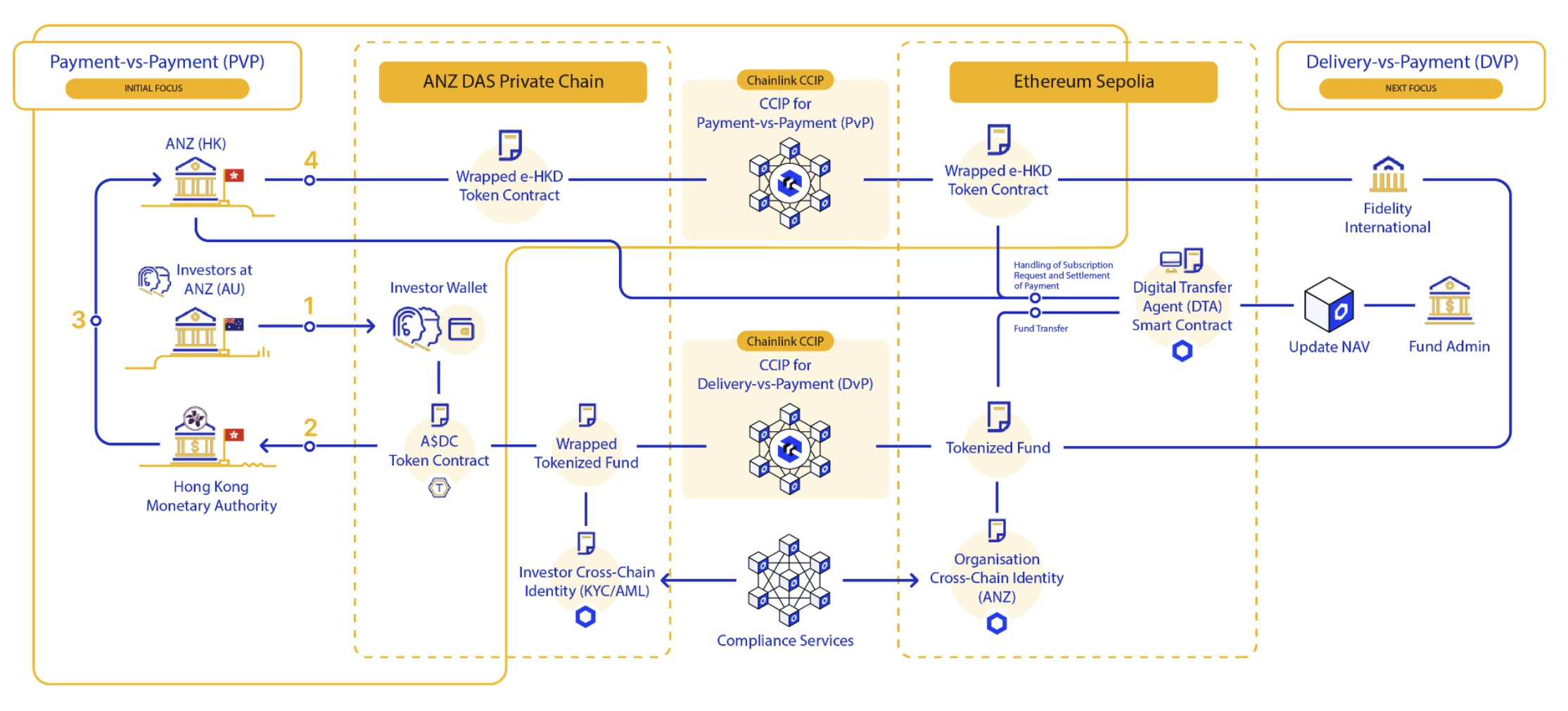
CBDCs and Cross-Border Payments Innovation: Chainlink’s CCIP emerged as a crucial component in the burgeoning Central Bank Digital Currency (CBDC) landscape. A notable pilot project demonstrated the seamless exchange of an Australian stablecoin (A$DC) against a Hong Kong CBDC using CCIP, showcasing its potential to revolutionize cross-border payments. This integration proved CCIP’s ability to facilitate atomic swaps and secure messaging between disparate sovereign digital currencies, promising dramatically reduced transaction costs, increased speed, and enhanced transparency for international trade and remittances. This marked a significant step towards a multi-CBDC world.

Reinforcing DeFi and Web3 Leadership
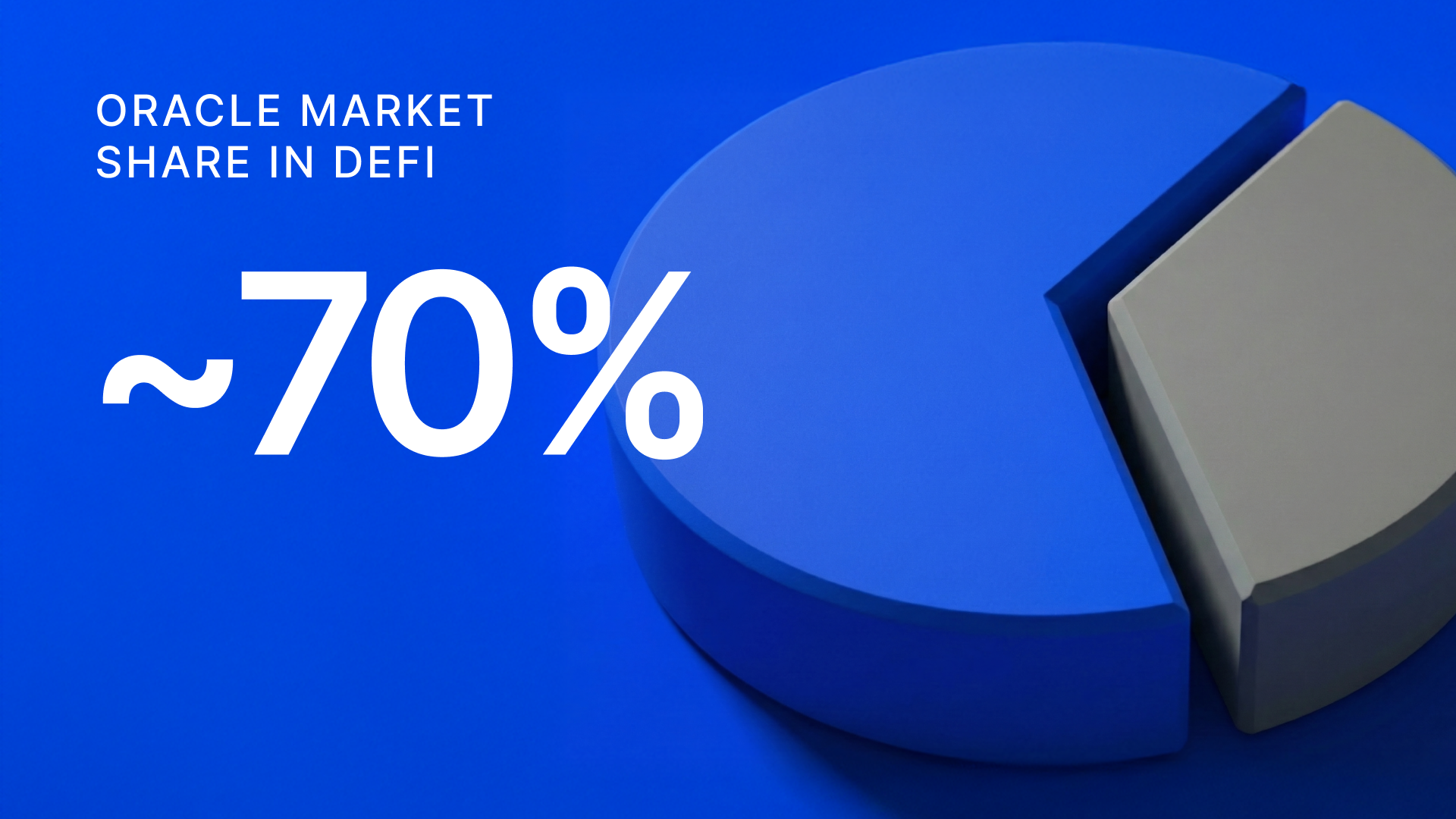
While making inroads into TradFi, Chainlink simultaneously reinforced its leadership in the native blockchain ecosystem. In 2025, Chainlink maintained its dominant market share in the oracle space, serving over 80% of all on-chain data requests for DeFi protocols. This dominance was a testament to its unparalleled security, reliability, and the breadth of its decentralized oracle networks.
-
Oracle Dominance and DeFi Innovation: Chainlink’s robust data feeds continued to be the backbone of countless DeFi applications, securing billions in value across lending platforms, decentralized exchanges, and insurance protocols. The introduction of new, highly specialized data feeds for exotic assets, real-world indices, and environmental data enabled the creation of next-generation DeFi primitives, expanding the utility and sophistication of decentralized financial instruments. This solidified Chainlink’s position as the trusted information layer for all Web3 development.
-
Web3 Gaming and Dynamic NFTs: Beyond finance, Chainlink’s verifiable randomness function (VRF) and automation services found increasing adoption in Web3 gaming and dynamic NFTs. Game developers utilized VRF to ensure fair gameplay mechanics and to create truly unpredictable in-game events, while automation enabled NFTs to react to real-world data, changing their appearance or utility based on external factors like weather, sports scores, or stock prices. This demonstrated the versatility of Chainlink’s infrastructure in powering dynamic and engaging Web3 experiences.
Advancements in Cross-Chain Interoperability and Automation
2025 was the year Chainlink’s Cross-Chain Interoperability Protocol (CCIP) achieved widespread adoption, becoming the industry standard for secure and reliable cross-chain messaging and value transfer. CCIP facilitated the movement of over $50 billion in value across various blockchain networks, demonstrating its critical role in unifying a fragmented multi-chain ecosystem.
-
CCIP as the Interoperability Standard: The protocol enabled developers to build truly multi-chain applications, allowing assets and data to flow seamlessly between Ethereum, Polygon, Avalanche, Arbitrum, and many other networks. This eliminated the previous silos between blockchains, fostering a more fluid and efficient digital asset landscape. The secure design of CCIP, backed by Chainlink’s decentralized oracle networks, provided an unprecedented level of trust for cross-chain transactions, mitigating the risks associated with bridge exploits that plagued earlier solutions.
-
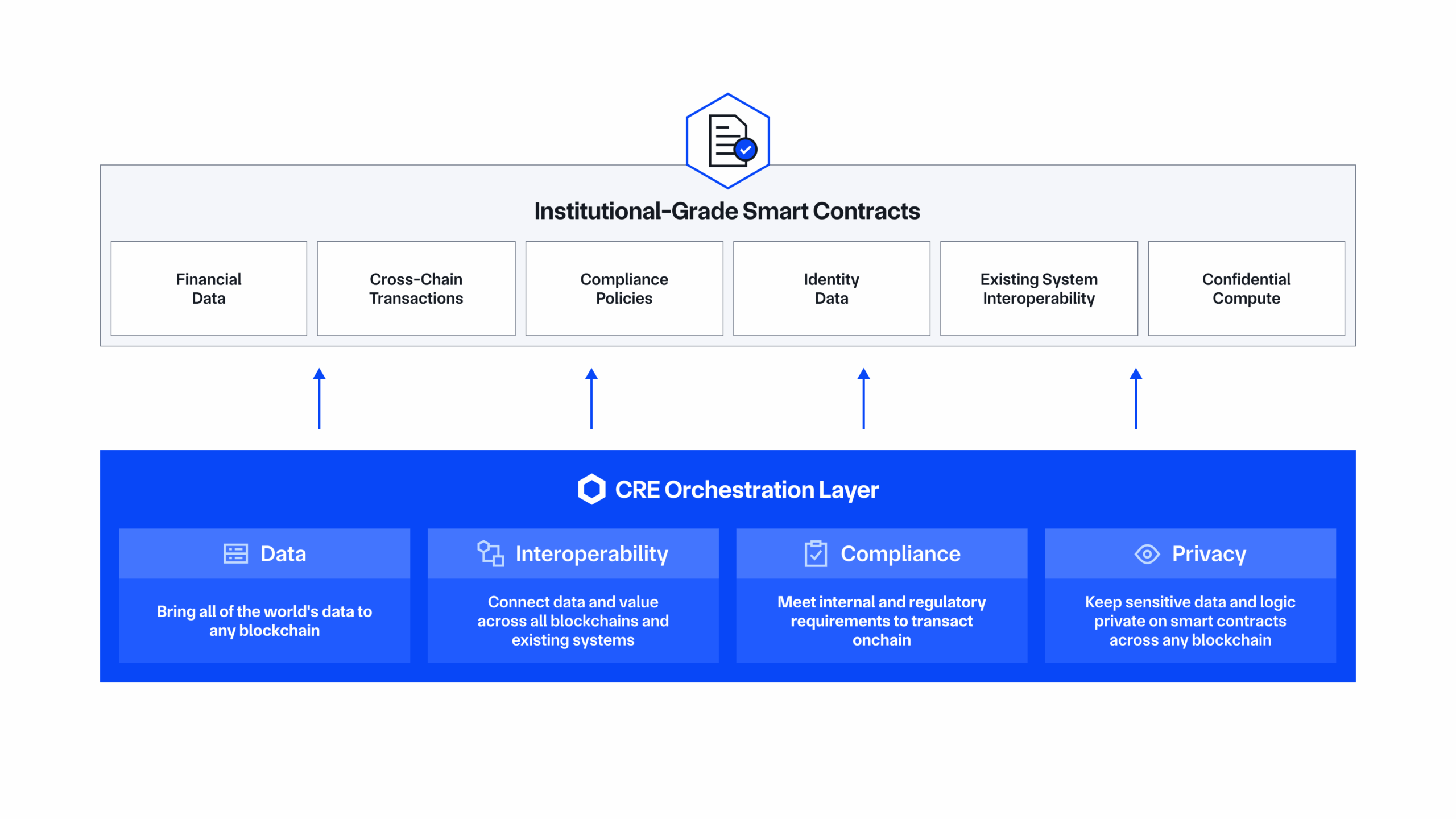
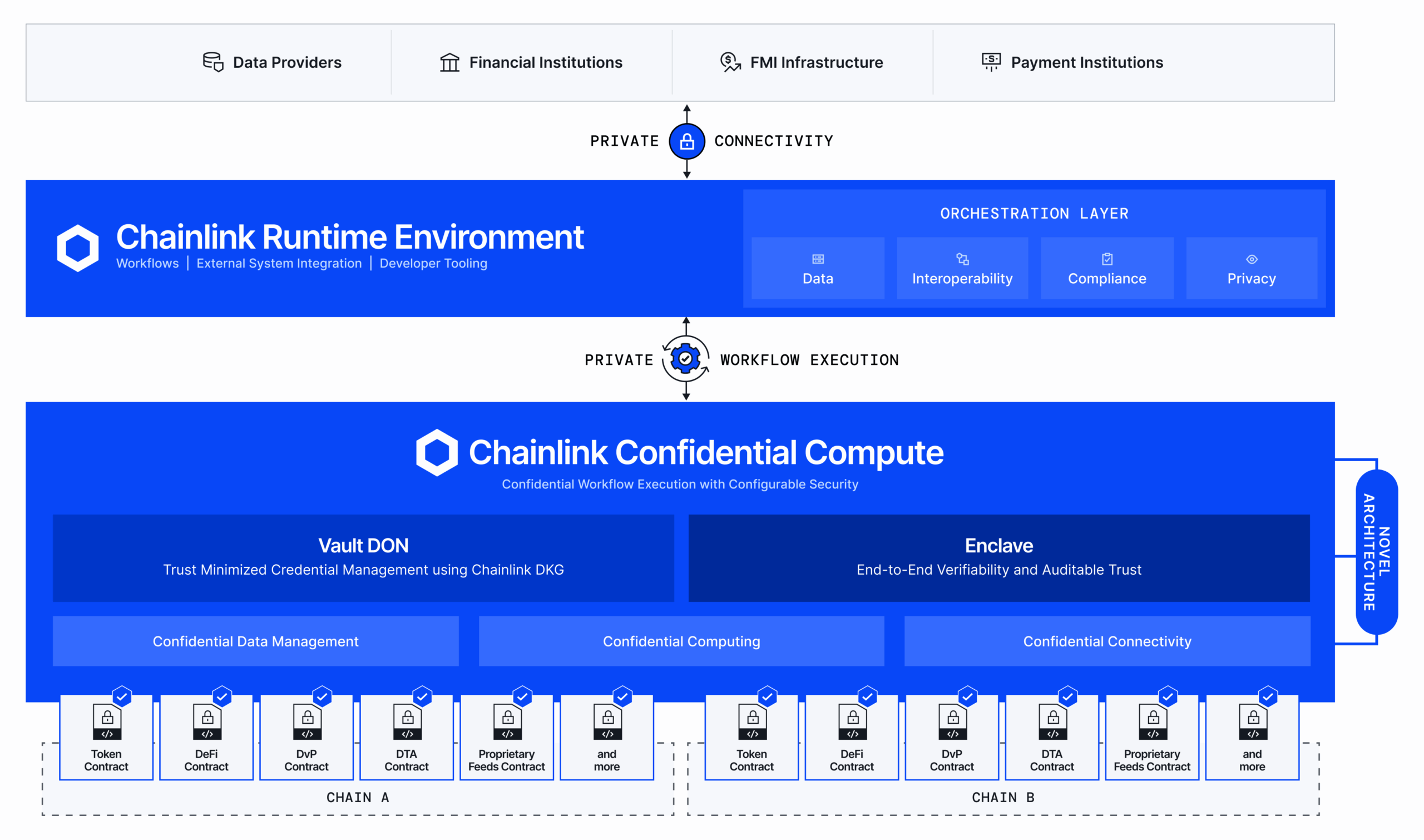
Chainlink Automation and Orchestration: Chainlink Automation evolved significantly, becoming a crucial tool for developers to schedule and trigger smart contract functions based on predefined conditions, eliminating the need for manual intervention. Furthermore, the introduction of the Chainlink Reference Data Environment (CRE) emerged as a powerful orchestration layer, simplifying complex multi-party workflows for enterprises. CRE acted as middleware, allowing traditional systems to interact with multiple blockchain networks and smart contracts through a single, secure interface. This greatly reduced the technical overhead for enterprises engaging with decentralized applications, accelerating their integration timelines. The "Road to SC25" (SmartCon 2025) showcased numerous "ACE" (Automation, Cross-Chain, and Ecosystem) partnerships, highlighting the growing utility and collaborative efforts around Chainlink’s advanced services.
Ecosystem Growth and Community Engagement
The Chainlink ecosystem experienced exponential growth in 2025, attracting a vibrant community of developers, builders, and users. The "Chainlink Build Program" expanded significantly, fostering innovation by providing grants, technical support, and mentorship to projects leveraging Chainlink’s infrastructure. Over 500 new projects integrated Chainlink services throughout the year, bringing the total number of integrations to well over 3,000 across more than 50 different blockchains.
The network’s value flow diagram illustrated a healthy and expanding ecosystem, where LINK token holders benefited from increased network activity, staking rewards, and the broader utility of Chainlink services. The community’s active participation in governance and security enhancements further strengthened the network’s decentralized nature, ensuring its resilience and adaptability. Educational initiatives and hackathons sponsored by Chainlink Labs continued to onboard new talent, ensuring a robust pipeline of innovation for the years to come.
A Secure and Decentralized Foundation
Chainlink’s unwavering commitment to security and decentralization remained paramount throughout 2025. The network continuously enhanced its cryptographic guarantees, expanded its network of independent node operators, and implemented advanced anomaly detection systems to protect against potential vulnerabilities. Audits from leading blockchain security firms consistently affirmed the robustness of Chainlink’s infrastructure, providing peace of mind to both DeFi users and institutional partners alike. The "Network Ecosystem Metrics 2025" report demonstrated sustained decentralization across all key metrics, from data source diversity to node operator distribution, reinforcing the network’s resistance to single points of failure.
The Vision for 2026: A Fully Integrated Financial Future
Looking ahead to 2026, Chainlink is poised for even greater impact. The foundational work of 2025—spanning high-level regulatory engagement, unprecedented TradFi partnerships, and continued Web3 innovation—has set an irreversible trajectory for the global financial system. The coming year is expected to witness the full-scale deployment of many pilot projects, driving significant transaction volume and value through Chainlink’s CCIP and oracle networks.
The focus will shift towards further deepening enterprise integrations, expanding RWA tokenization across a broader range of asset classes (from private equity to real estate), and fostering the proliferation of truly multi-chain applications. The maturation of CCIP and automation services will enable increasingly complex and efficient on-chain financial products, making blockchain technology an invisible yet indispensable layer of global commerce. Chainlink’s role in securing and connecting the new global financial system will become even more pronounced, as it continues to innovate, expand its ecosystem, and provide the essential infrastructure for a future where all value and agreements are verifiable on-chain.
For an in-depth exploration of Chainlink’s comprehensive capabilities and its role in the evolving digital economy, visit chain.link/everything.