admin
admin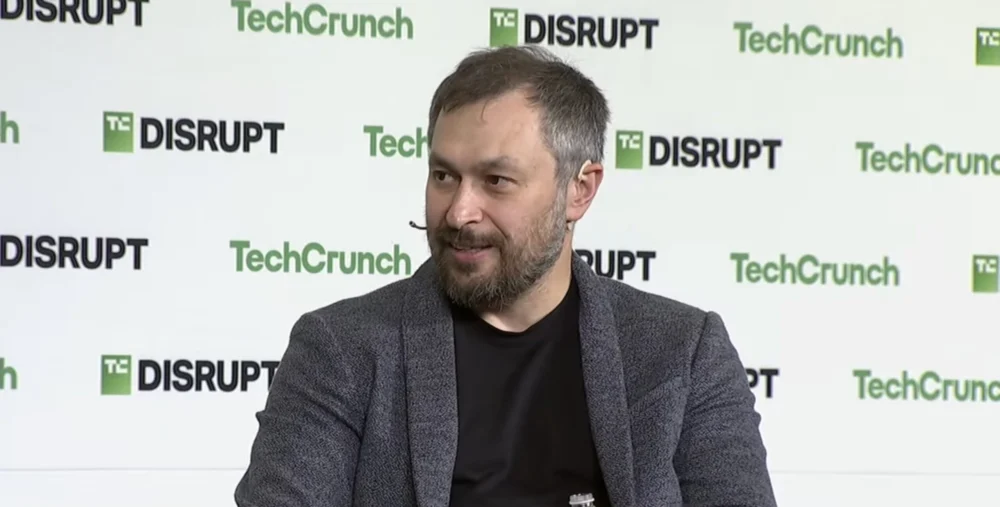
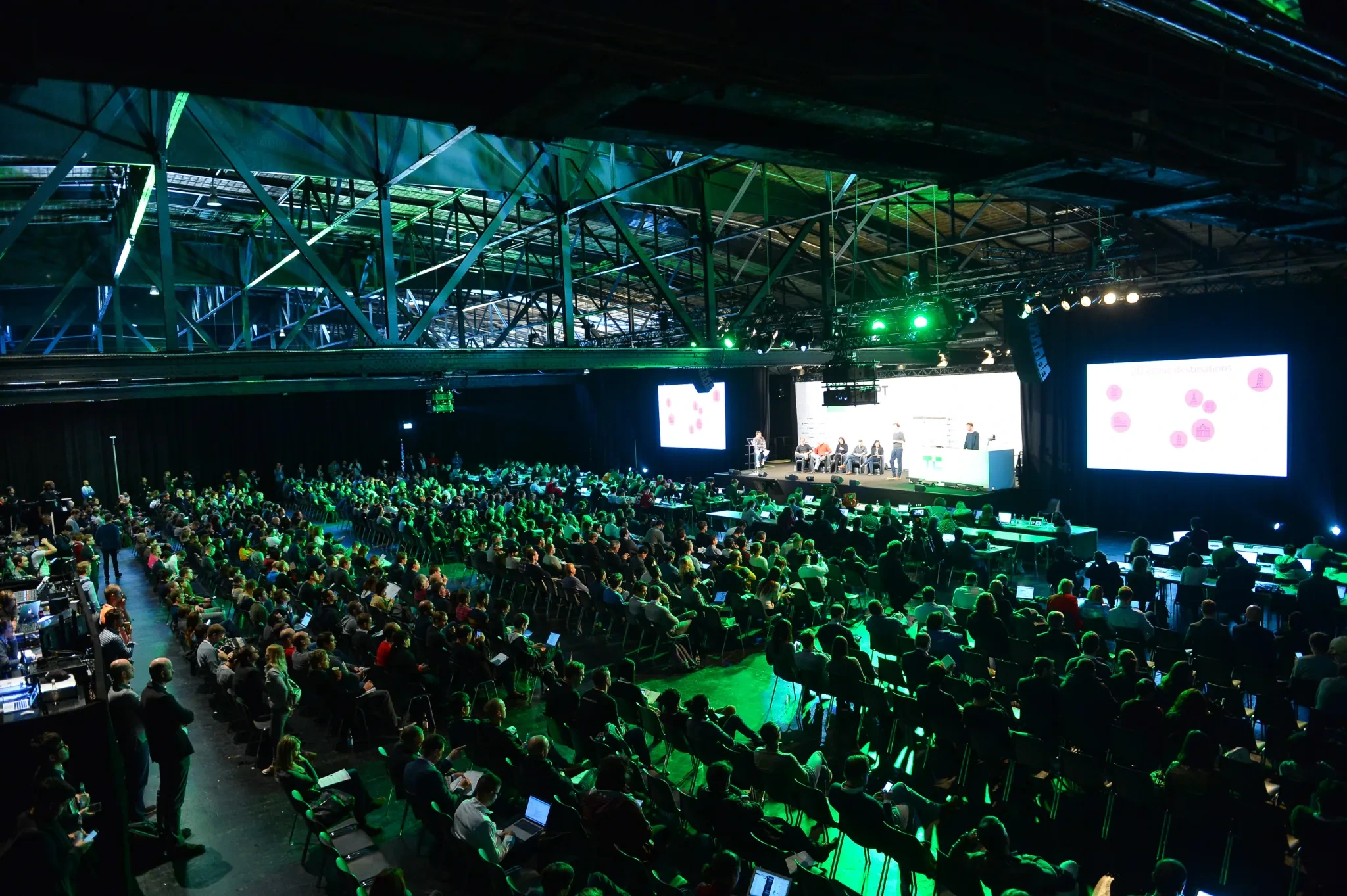
The landscape of software engineering is undergoing a fundamental transformation driven by agentic artificial intelligence, a shift that is being felt even at the highest echelons of the technology sector. Speaking at the TechCrunch Disrupt conference in San Francisco, Solana Labs CEO Anatoly Yakovenko provided a candid look into how high-level AI agents have altered his personal workflow and the broader operational philosophy of the Solana ecosystem. Yakovenko, a veteran engineer with over 15 years of experience in systems programming and distributed networks, revealed that he has become increasingly comfortable delegating core development tasks to AI, marking a significant departure from the hands-on coding culture traditionally associated with blockchain founders.
For Yakovenko, the transition to using agentic coding tools—specifically Anthropic’s Claude—has turned the development process into a supervisory role. He described the technology as a "force multiplier" for experts who already possess a deep understanding of the underlying architecture. By utilizing these tools, Yakovenko noted that he can now observe the AI "churning through" complex coding tasks in real-time. This shift has reached a point where his focus during high-level meetings is often diverted by the progress of the AI agents he has deployed. This evolution in workflow highlights a broader trend in Silicon Valley, where the role of the senior architect is moving away from syntax and implementation toward high-level logic verification and strategic oversight.
The Evolution of Agentic Coding in the Blockchain Sector
The term "agentic coding" refers to AI systems that do not merely suggest snippets of code, but can autonomously plan, execute, and debug multi-step software development tasks. While previous generations of AI assistants functioned like sophisticated autocomplete tools, agentic systems can navigate entire repositories, identify dependencies, and resolve complex logic errors. Yakovenko’s reliance on these systems underscores the maturity of the technology. He remarked that after a decade and a half of manual development, he has developed an intuition for the process, claiming he can "almost smell" when the AI is beginning to deviate from the intended path or "go off the rails."
This shift has profound implications for the speed of development within the Solana ecosystem. Solana, known for its high-throughput capabilities and unique "Proof of History" consensus mechanism, requires extremely precise low-level programming to maintain its performance metrics. The integration of AI agents allows for rapid prototyping and testing of new features, potentially reducing the time-to-market for protocol upgrades. However, it also raises questions about the future of entry-level engineering roles, as the "force multiplier" effect described by Yakovenko primarily benefits those who already possess the expertise to audit the AI’s output.
Financial Milestones and the Institutional Pivot
While the discussion on AI captured the technical audience, the financial performance of the Solana protocol remains the primary focus for the broader investment community. Yakovenko’s appearance followed a period of unprecedented growth for the network. Earlier this month, Solana reported $2.85 billion in annual revenue, a figure largely driven by the explosion of decentralized finance (DeFi) activity and high-frequency trading platforms hosted on its infrastructure. This revenue milestone places Solana among the most profitable decentralized protocols in the history of the industry, challenging the dominance of Ethereum in the smart-contract space.
The momentum was further bolstered by the launch of the first Solana-based exchange-traded fund (ETF) by Bitwise. Debuting just one day before Yakovenko took the stage at TechCrunch Disrupt, the fund saw immediate market validation with nearly $70 million in inflows within its first 24 hours of trading. This institutional interest represents a "sea change" in how traditional finance views high-performance blockchains. Yakovenko attributed this success to a narrowing gap between the crypto industry and conventional financial services.
"If you are a back-office finance person, you actually get crypto much, much faster," Yakovenko stated during his session. He explained that professionals in traditional finance are intimately familiar with the complexities of settlement risk and banking risk—the very problems that blockchain protocols aim to solve through automated, transparent ledgers. By providing near-instant finality and reducing the need for intermediary clearinghouses, Solana offers a technological solution to the "T+2" (trade date plus two days) settlement cycle that has long burdened the global financial system.
The Controversy of Open Protocols and Political Influence
Despite the technical and financial triumphs, the Solana ecosystem has recently become the center of a heated debate regarding the ethical implications of decentralized infrastructure. The protocol has been used to host various controversial assets, most notably "Trumpcoin," a digital asset that has reportedly funneled an estimated $350 million to the former president. Critics and legal observers have characterized these flows as a modern form of public bribery, particularly given the timing of high-profile presidential pardons for figures within the crypto industry, such as Tron founder Justin Sun and Binance founder Changpeng Zhao.
The controversy poses a significant reputational challenge for Solana Labs, yet Yakovenko maintained a firm stance on the neutrality of the underlying technology. He compared the Solana protocol to the basic infrastructure of the internet, such as the SMTP protocol used for email. "I could send you an email with a link to Trumpcoin or Fartcoin," Yakovenko explained, "and both of those are protocols—both the email and the underlying protocol that creates that market."
This "protocol neutrality" argument is a cornerstone of the decentralization movement. From Yakovenko’s perspective, as long as Solana remains an open, permissionless network, the developers of the protocol have no more control over the tokens created on it than a highway department has over the cargo in the trucks using its roads. However, this stance continues to clash with the growing demand for regulatory oversight and corporate responsibility in the wake of massive, politically sensitive capital flows.
Chronology of Solana’s Recent Development
To understand the context of Yakovenko’s remarks, it is essential to look at the timeline of events leading up to the 2025-2026 TechCrunch Disrupt event:
- Late 2024: Solana begins to see a massive surge in network activity, driven by the popularity of "meme coins" and the launch of several high-speed trading interfaces.
- Early 2025: Annual revenue projections for the protocol are revised upward as transaction fees from DeFi protocols exceed expectations.
- Mid-2025: Political controversy intensifies as Trumpcoin and other politically themed assets gain significant market cap, leading to public inquiries into the nature of crypto-based political contributions.
- October 12, 2025: Bitwise officially launches the Solana ETF, marking the first time the asset is available to a broad range of retail and institutional investors through traditional brokerage accounts.
- October 13-15, 2025: TechCrunch Disrupt takes place in San Francisco, where Yakovenko delivers his keynote on AI agents and protocol neutrality.
Analysis of Implications: The Future of Software and Finance
The intersection of agentic AI and decentralized finance, as described by Yakovenko, suggests a future where the barriers to entry for creating complex financial systems are lower than ever. If an expert can use an AI agent to "churn through" the development of a blockchain protocol, the pace of innovation—and the pace of potential risk—will accelerate.
The success of the Bitwise ETF suggests that the "institutionalization" of Solana is well underway. For the finance industry, the appeal lies in the efficiency of the network. For the crypto industry, the appeal lies in the massive liquidity that traditional markets provide. However, the Trumpcoin controversy highlights the friction that remains. As protocols become more powerful and more integrated into the global economy, the pressure on founders like Yakovenko to implement some form of governance or filtering will likely increase, even if such measures contradict the core principles of decentralization.
Ultimately, Yakovenko’s "hands-off" approach to both coding and content moderation reflects a specific vision of the future: one where humans act as the strategic directors of autonomous AI agents, and where protocols act as the neutral plumbing for a global, digital economy. Whether the public and regulators will accept this level of neutrality in the face of multi-million-dollar political influence remains the most significant unanswered question for the Solana ecosystem. As the industry moves forward, the "smell" of the code and the "smell" of the politics will continue to be the primary concerns for those at the helm of the world’s most powerful blockchains.