admin
admin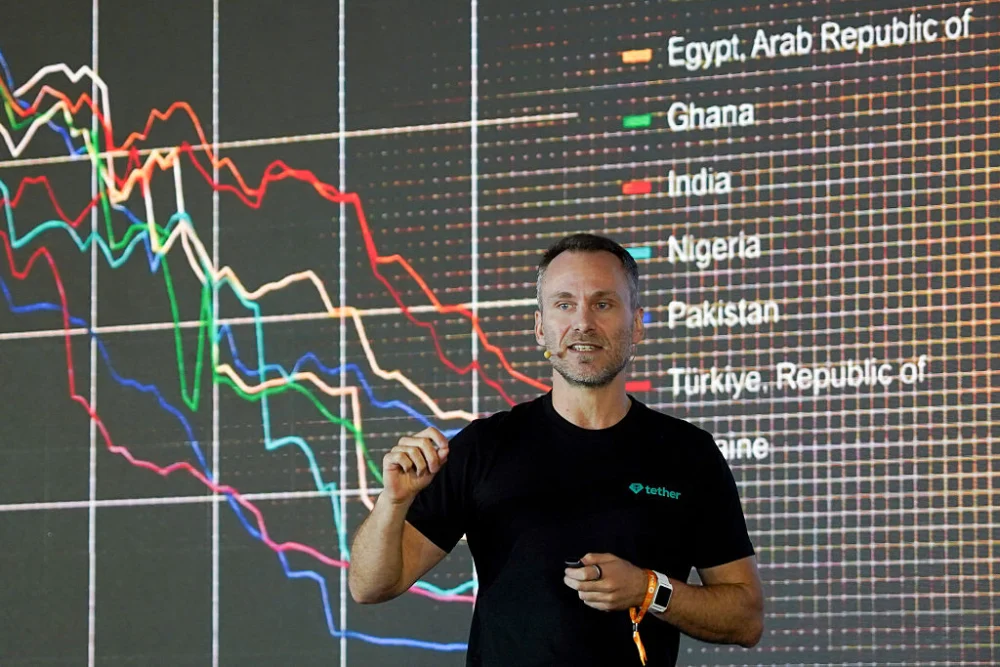
The landscape of the global digital asset market is undergoing a fundamental transformation as Tether, the issuer of the world’s most widely used stablecoin, USDT, embarks on a strategic pivot toward the United States regulatory environment. This shift was punctuated this week by an extensive media campaign featuring Tether CEO Paolo Ardoino, who engaged with major financial outlets including Bloomberg, Reuters, and Fortune to detail the company’s evolving vision. Central to this new chapter is the launch of USAT, a stablecoin specifically engineered to comply with federal regulations in the United States. Issued through Anchorage Digital Bank, USAT represents Tether’s first direct attempt to compete within the domestic U.S. market, challenging the long-standing dominance of Circle’s USDC and responding to the entrance of traditional financial titans like Fidelity Investments, JPMorgan Chase, and PayPal into the stablecoin sector.
For much of its decade-long history, Tether operated primarily from offshore jurisdictions, maintaining a cautious distance from U.S. regulators while facing intense scrutiny regarding its transparency and the composition of its reserves. However, the current "media blitz" signals that the era of avoidance has ended. Ardoino, who joined Tether shortly after its 2014 inception and ascended to the CEO role to steer its modern expansion, is now positioning the company as a collaborative partner to Western law enforcement and a cornerstone of global financial inclusion. This transition involves high-level meetings with White House officials and active cooperation with the Federal Bureau of Investigation (FBI) and the U.S. Secret Service, marking a stark departure from the company’s previous reputation as an opaque crypto-native entity.
A Chronology of Transformation: From Offshore Outlier to Regulatory Compliance
Tether’s journey has been defined by both rapid growth and persistent controversy. Launched in 2014, USDT (Tether) was designed to provide a digital version of the U.S. dollar that could move across blockchains, providing liquidity to crypto exchanges that lacked traditional banking relationships. By 2021, the company had become the subject of significant regulatory settlements, including a $41 million fine from the Commodity Futures Trading Commission (CFTC) over claims regarding its reserves.
The narrative surrounding Tether reached a critical juncture in the summer of 2025, when investigative reports highlighted the alleged use of USDT by illicit actors, including sanctioned entities and international money laundering rings. These reports characterized the stablecoin as a tool for "bad actors" to bypass the traditional financial system. Ardoino has since moved to counter this narrative by emphasizing the technological advantages of blockchain-based tracking. He notes that while cash remains untraceable once it leaves a bank, Tether has the unique ability to freeze assets in real-time. To date, Tether has frozen approximately $3.5 billion in tokens associated with scams and hacks, including a proactive $225 million freeze related to "pig-butchering" syndicates in 2023.
The launch of USAT in early 2026 serves as the culmination of this rehabilitative effort. Unlike the flagship USDT, which remains the global liquidity standard with over $187 billion in circulation but does not meet certain new U.S. federal requirements, USAT is built from the ground up to satisfy the evolving legal framework in Washington. This move coincides with the progression of the CLARITY Act through Congress, a piece of legislation intended to provide a clear regulatory roadmap for stablecoin issuers while potentially prohibiting the payment of interest to token holders—a move supported by traditional banking lobbies to prevent a mass exodus of deposits from commercial banks.
Financial Dominance and the Mechanics of Stability
Tether’s financial performance remains unparalleled in the fintech sector. In 2025, the company reported a record-breaking profit of more than $15 billion. These earnings are primarily derived from the interest generated by Tether’s massive holdings of U.S. Treasury bills, which serve as the primary reserve for USDT. Unlike a traditional bank that shares interest with depositors via savings accounts, Tether retains the yield, a model that Ardoino defends by pointing to the company’s core demographic.
For users in hyperinflationary economies such as Argentina, where the peso has lost over 94% of its value against the dollar in five years, or Turkey, where the lira has seen similar declines, the primary value of USDT is wealth preservation rather than interest income. Ardoino argues that for the "unbanked" and those in failing economies, Tether acts as a vital checking account rather than a speculative investment. This "financial inclusion" narrative is backed by data showing Tether’s user base has swelled to 536 million globally, with an acquisition rate of roughly 30 million new users per quarter—a growth trajectory Ardoino compares to the early scaling of major social media platforms.
To bolster market confidence, Tether has moved its reserves to Cantor Fitzgerald, a prestigious Wall Street firm. This partnership provides Tether with a layer of institutional legitimacy, particularly given the political prominence of Cantor Fitzgerald’s leadership. Furthermore, Tether maintains approximately $30 billion in excess reserves beyond the 1:1 backing of its tokens. This "full-reserve" model is frequently contrasted by Ardoino against the fractional-reserve system of traditional banking, where only a small percentage of deposits are held in liquid form.
Resilience Amidst Market Volatility and Competition
The stability of Tether has been tested by numerous "black swan" events in the cryptocurrency market. The most notable was the collapse of the TerraLuna ecosystem in May 2022, which triggered a massive run on stablecoins. During this period of extreme panic, Tether processed $7 billion in redemptions within 48 hours and a total of $20 billion over 20 days. Ardoino highlights this performance as proof of the company’s liquidity, noting that few traditional banks could survive a 25% withdrawal of their total reserves in less than a month.
In contrast, Tether’s primary competitor, Circle, faced significant turbulence during the Silicon Valley Bank (SVB) collapse in 2023. Circle’s USDC token briefly lost its $1.00 peg after it was revealed that $3.3 billion of its reserves were held at the failing institution. While Circle has since recovered, Tether has used this event to frame itself as the more resilient, "anti-fragile" alternative that does not "bend the knee" to the vulnerabilities of the traditional Western banking infrastructure.
However, challenges remain. S&P Global Ratings recently assessed USDT’s stability as "weak," citing concerns over the lack of a comprehensive, centralized regulatory framework for its offshore operations. Ardoino has dismissed these ratings, pointing to the historical failures of credit rating agencies during the 2008 subprime mortgage crisis as a reason to view their current assessments with skepticism.
Strategic Diversification: Gold, AI, and Sovereign Ambitions
Ardoino’s vision for Tether extends far beyond the realm of digital dollars. The company is increasingly functioning like a sovereign wealth fund, diversifying its massive profits into hard assets and emerging technologies. Tether has become one of the world’s largest private holders of gold, possessing approximately 140 tons of the precious metal worth an estimated $24 billion. The company continues to purchase gold at a rate of one to two tons per week, positioning itself as a "digital central bank."
The company’s foray into Artificial Intelligence (AI) is equally ambitious. Tether recently launched Qvac, a decentralized AI platform designed to run locally on hardware rather than through centralized cloud servers. This initiative is aimed at providing AI access to individuals in developing nations who may not be able to afford the subscription fees associated with Western AI giants. By investing over $1 billion in robotics, satellites, and data centers, Tether is building an interlocking ecosystem that spans telecommunications, agriculture, and social media (including a $775 million stake in Rumble).
According to Ardoino, these investments are not random. They are part of a broader strategy to ensure Tether remains a "stable company" that can withstand the test of time. By owning the underlying infrastructure of the digital economy—from the currency (USDT) to the compute power (AI) and the hard backing (gold)—Tether is attempting to insulate itself from both financial and political shocks.
Future Outlook and Global Implications
The future of Tether is now inextricably linked to the political and regulatory climate in the United States. As the company rolls out USAT and seeks deeper integration with the U.S. financial system, it must navigate the complex bipartisan landscape of Washington. Ardoino expresses optimism that the goal of "dollarization"—extending the reach of the U.S. dollar to hundreds of millions of people globally through digital means—is a mission that both Republicans and Democrats can support.
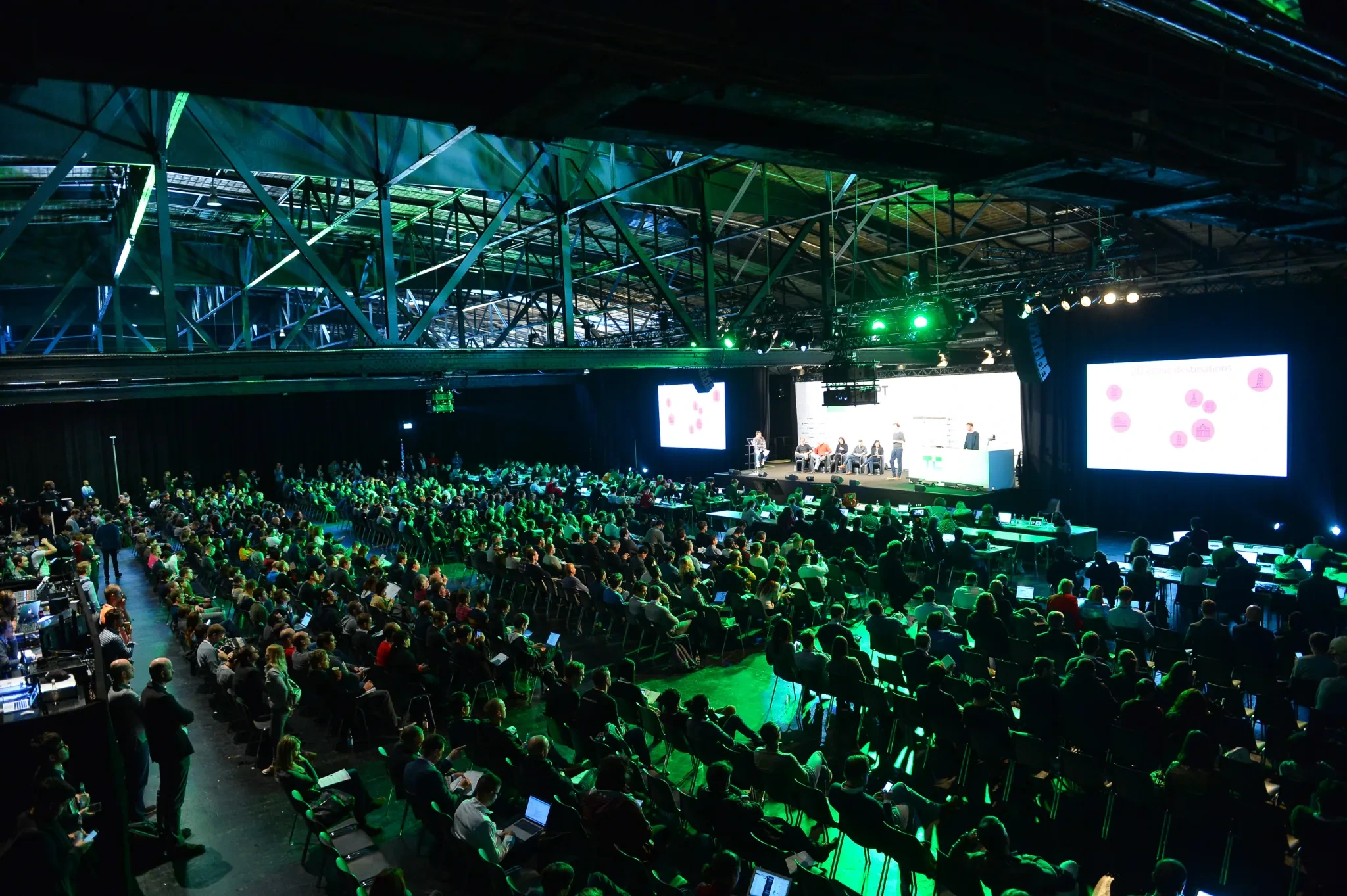
As the industry looks toward the TechCrunch Disrupt event in San Francisco this October, where Ardoino is scheduled to speak, the focus will be on whether Tether can successfully transition from a controversial crypto pioneer to a regulated global financial powerhouse. The successful launch of USAT and the continued growth of its gold and AI divisions suggest that Tether is no longer just a stablecoin issuer, but a significant player in the broader geopolitical struggle for financial and technological sovereignty. Whether it can maintain its dominance while inviting the oversight of the world’s most powerful regulators remains the defining question for the next era of digital finance.