admin
admin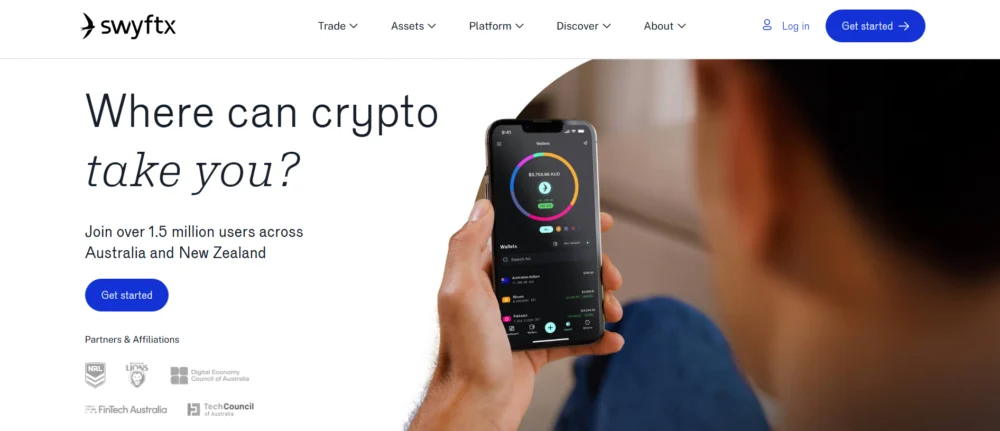
Navigating the burgeoning digital asset landscape in Australia requires a discerning approach, particularly when selecting a cryptocurrency exchange to facilitate investment. As of 2026, the Australian market presents a robust array of platforms, each offering distinct advantages for traders engaged in pairs like BTC/AUD, ETH/AUD, and various USDT markets, alongside features such as spot trading, staking, and advanced charting. A trusted Australian crypto exchange is characterized by its competitive fee structures, stringent security protocols, and adherence to local regulatory standards, ensuring a secure and efficient investment environment.
This comprehensive article delves into the leading cryptocurrency trading platforms tailored for Australian investors in 2026. It provides an unbiased analysis, comparing trading fees, supported cryptocurrencies, and available AUD payment methods. Furthermore, it explores the critical aspects of regulatory compliance, market liquidity, and tax considerations specific to the Australian jurisdiction. The guide also outlines the step-by-step process for opening and verifying an account, alongside a review of platform features across the top contenders.
Australia’s Evolving Crypto Landscape: A 2026 Perspective

The Australian cryptocurrency market has matured significantly, transitioning from a nascent sector to a more regulated and sophisticated financial segment. This evolution is driven by increased institutional interest, broader retail adoption, and a proactive stance from regulatory bodies such as the Australian Transaction Reports and Analysis Centre (AUSTRAC) and the Australian Taxation Office (ATO). Investors in 2026 benefit from a diverse ecosystem of exchanges, ranging from global giants with local operations to Australian-native platforms, all vying to offer the most secure, feature-rich, and user-friendly experience. The focus for many Australian traders remains on platforms that offer seamless AUD integration, robust security, and a clear pathway for tax compliance.
Key Considerations for Australian Crypto Investors
Before committing to a cryptocurrency exchange, Australian investors must evaluate several critical factors to ensure their chosen platform aligns with their trading objectives and risk tolerance. These include the exchange’s regulatory standing, fee transparency, asset diversity, liquidity, user experience, and customer support. The right choice can significantly impact profitability, security, and overall investment satisfaction.
Spotlight on Top Australian Crypto Exchanges in 2026
The following platforms have distinguished themselves in the Australian market, catering to a spectrum of investors from novices to high-volume institutional traders.
1. Binance: The Global Powerhouse for High-Volume Traders

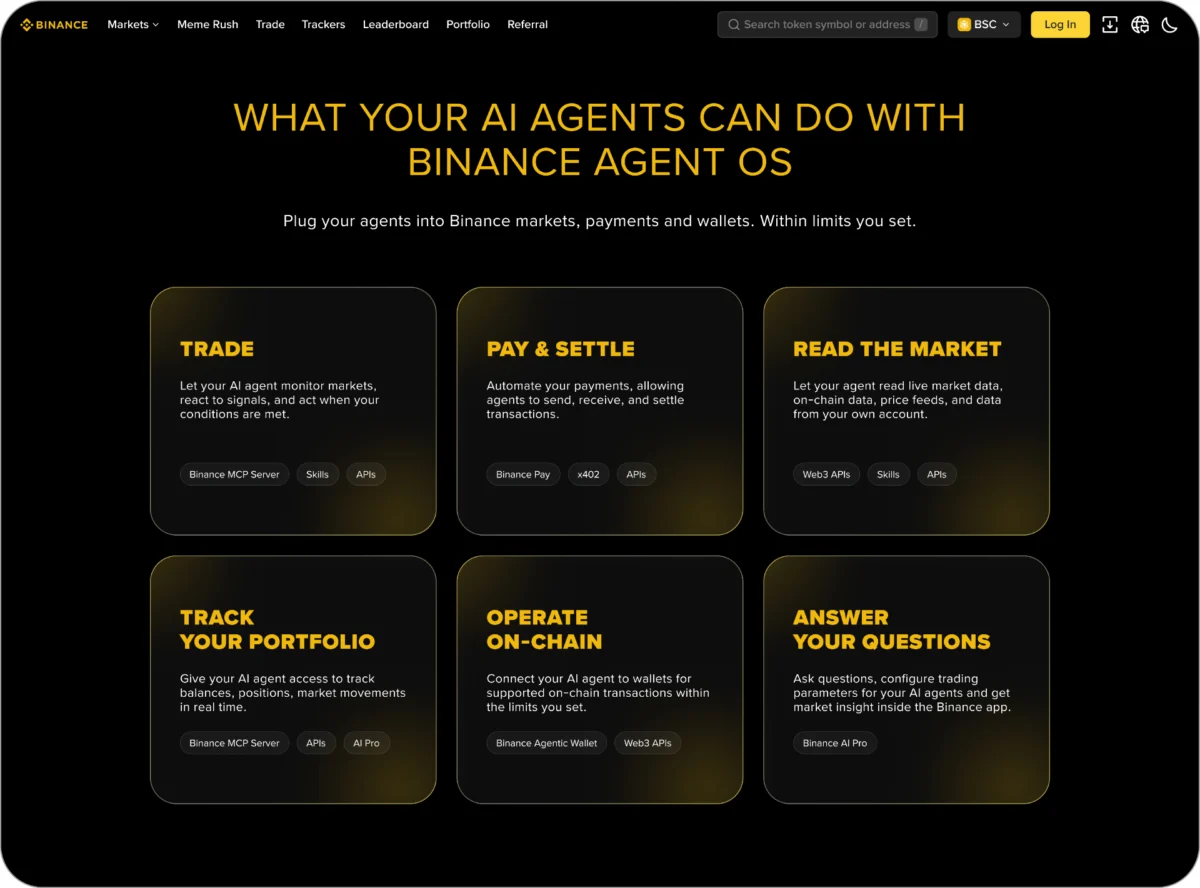
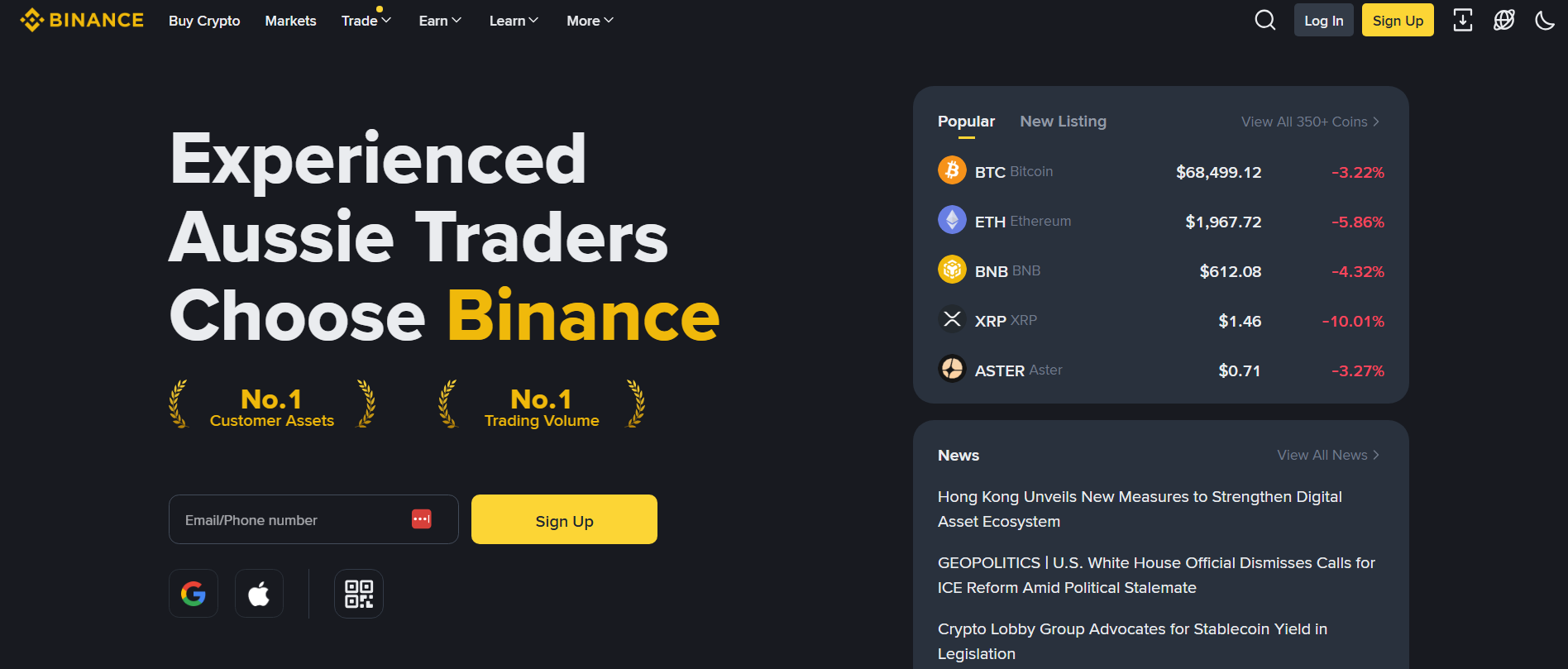
Binance, co-founded by Changpeng Zhao (CZ) and Yi He in 2017, remains a dominant force in the global crypto exchange arena. Its expansive reach, supporting over 500 cryptocurrencies and 1,300 trading pairs, caters to a vast user base exceeding 280 million across 180 countries, with a daily trading volume often surpassing $40 billion. Despite facing regulatory challenges in various jurisdictions since its initial establishment in China and subsequent relocations, Binance has consistently adapted, operating today as a decentralized crypto exchange option. Its suite of features includes advanced spot trading, futures, staking services, and an integrated NFT marketplace, making it an attractive proposition for sophisticated traders.
- Fee Structure: Binance is renowned for its highly competitive fee structure, typically starting at 0.10% for both maker and taker orders. This rate can further decrease for high-volume traders and those utilizing Binance Coin (BNB) for fee payments, positioning it as a cost-effective choice for active participants.
- AUD Integration: Australian users can typically fund their accounts via PayID and traditional bank transfers, offering convenient fiat on-ramps, though direct AUD trading pairs might be more limited compared to local specialists.
- Security & Compliance: Binance employs robust security measures, including two-factor authentication (2FA), cold storage for a significant portion of assets, and a Secure Asset Fund for Users (SAFU) insurance fund. While it faces ongoing global regulatory scrutiny, its commitment to compliance remains a key operational focus.
- Pros: Extremely low trading fees, vast cryptocurrency selection, high liquidity, advanced trading tools, and global market leadership.
- Cons: Interface can be complex for beginners, customer support options can be overwhelmed during peak times, and its global regulatory landscape remains dynamic, impacting specific regional services.
2. Bybit: The Choice for Active Derivatives Traders
Launched in 2018 and now headquartered in Dubai, Bybit has rapidly ascended to become one of the top global exchanges, particularly known for its strong presence in derivatives markets. Its consistent high trading volume translates into deep liquidity, tight spreads, and rapid order execution, which are critical for active traders. Bybit has expanded its regulatory footprint, including in-principle approval as a Virtual Asset Service Provider in Dubai and compliance standards in Cyprus, reinforcing its commitment to a global, regulated presence. The platform supports over 2,400 spot cryptocurrencies and facilitates access to over 60 fiat currencies through various payment channels, integrating ecosystem utility through the MANTLE token.
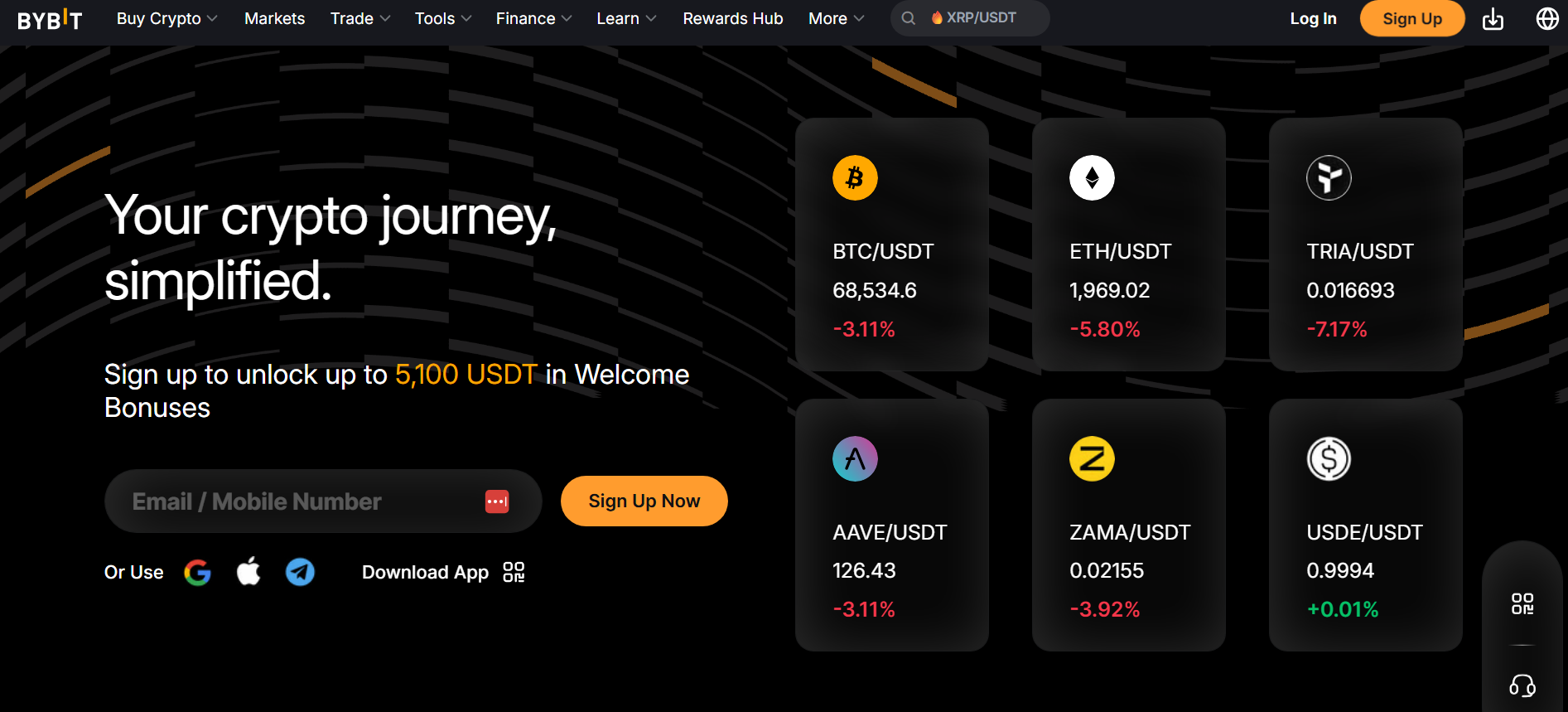
- Fee Structure: Bybit offers highly competitive maker/taker fees, often starting as low as 0.02% for makers and 0.055% for takers in spot markets, with even more aggressive rates for derivatives. This makes it exceptionally appealing for frequent traders.
- AUD Integration: While Bybit supports various fiat currencies, direct AUD deposit methods are limited, often relying on third-party payment processors or peer-to-peer options. Direct AUD withdrawals are typically not available.
- Security & Compliance: Bybit prioritizes security with measures such as cold storage, multi-signature wallets, and 2FA. Its expansion into regulated jurisdictions underscores a growing focus on compliance.
- Pros: Very low trading fees, extensive advanced trading features including high leverage (up to 100x), high liquidity, and a user-friendly mobile app.
- Cons: Limited direct fiat deposit and withdrawal options for Australian users, interface can be daunting for beginners, and not as beginner-friendly as some local competitors.
3. Swyftx: Australia’s User-Friendly Local Champion
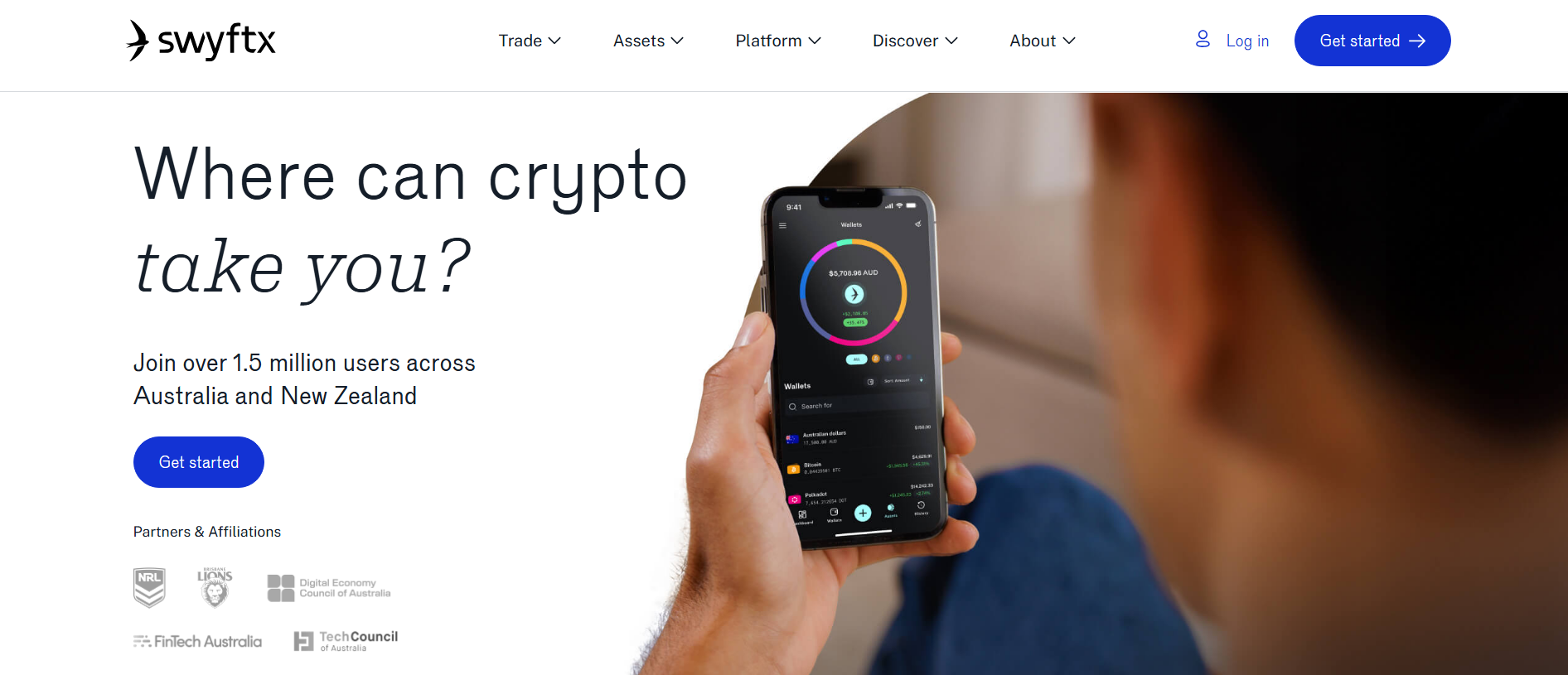
Established in 2018, Swyftx has cemented its position as a leading Australian cryptocurrency exchange, serving over 1.5 million users across Australia and New Zealand. It has built a reputation for its intuitive user interface, transparent fee structure, and robust security. As an AUSTRAC-registered exchange, Swyftx adheres to Australian financial regulations, providing a secure and transparent trading environment. Its appeal to Australian users is amplified by fast AUD deposits, integrated tax reporting tools, and dedicated local customer support, making it ideal for both beginners and experienced traders. The platform offers over 420 cryptocurrencies and features like a demo mode and auto-invest functionalities.
- Fee Structure: Swyftx employs a transparent trading fee of 0.6% on transactions. While higher than some global counterparts, this is offset by excellent local support and AUD functionality. Spreads are also a factor to consider.
- AUD Integration: Offers full AUD support, including fast deposits via PayID, bank transfer, and credit/debit cards, with efficient AUD withdrawal processes.
- Security & Compliance: Fully AUSTRAC-registered, Swyftx implements robust security, including 2FA, regular security audits, and cold storage solutions, ensuring high levels of asset protection.
- Pros: Highly user-friendly interface, comprehensive AUD support with multiple payment options, excellent local customer support (live chat), transparent fees, and integrated tax reporting.
- Cons: Higher trading fees compared to global exchanges like Binance, and a more limited range of advanced trading features.
4. Kraken Pro: Security and Advanced Trading for the Experienced

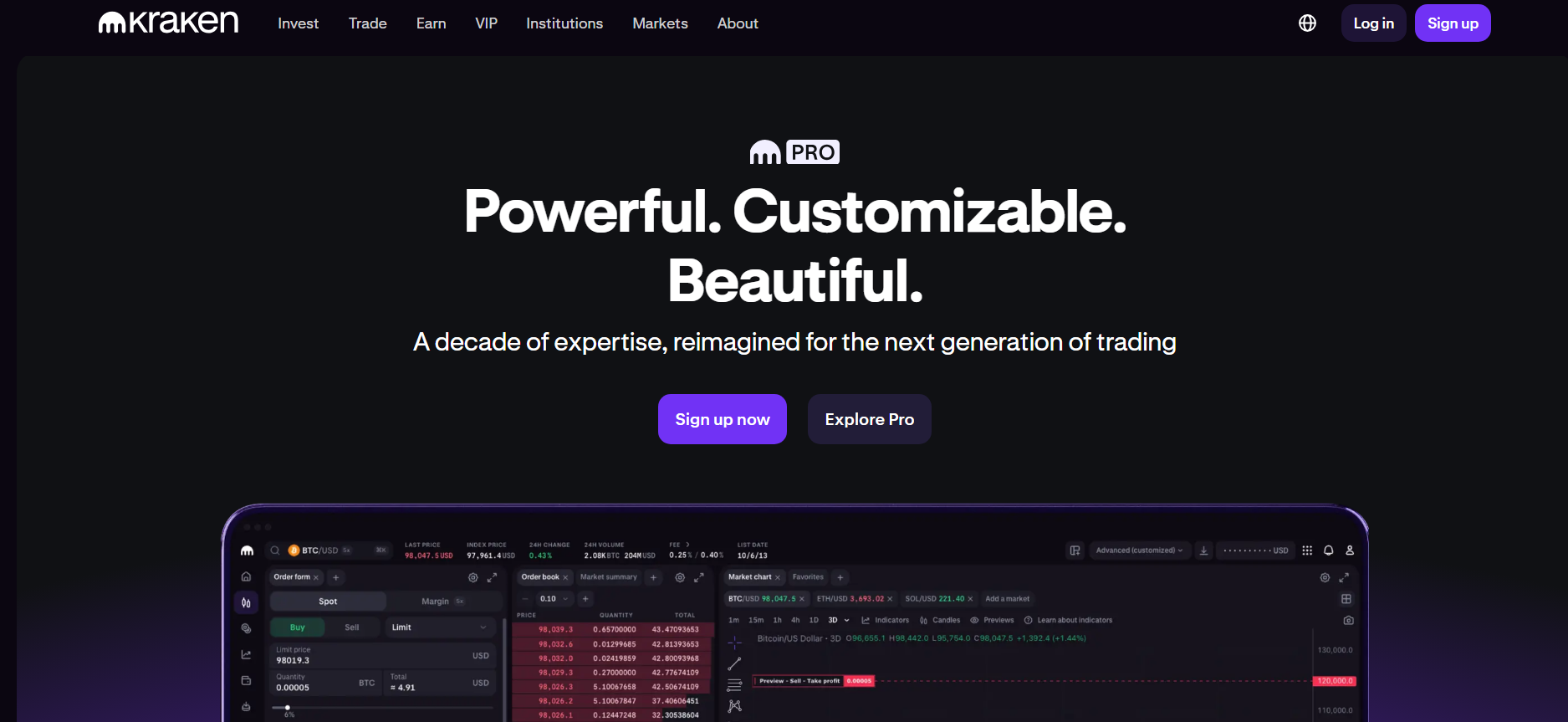
Kraken, founded in 2011, is one of the longest-standing cryptocurrency exchanges globally, and Kraken Pro is its advanced interface designed for active traders. It offers deep liquidity, stringent security standards, and professional-grade trading features. Kraken operates as a centralized exchange but is often lauded for its transparent order books and competitive spreads, rivaling some of the best decentralized platforms in execution quality. It supports a wide array of cryptocurrencies and fiat currencies, including AUD funding for Australian users, providing spot trading, margin trading, and futures markets with detailed charting tools. Security is paramount, featuring cold storage custody, regular proof of reserves audits, and strict KYC/AML compliance.
- Fee Structure: Kraken Pro features a maker/taker fee model, typically ranging from 0.16% for makers and 0.26% for takers, with significant discounts for higher trading volumes.
- AUD Integration: Supports AUD deposits via bank transfer and debit card, making it accessible for Australian users, though AUD trading pairs might be less extensive than local platforms.
- Security & Compliance: Kraken is renowned for its industry-leading security, including cold storage, bug bounty programs, and strong regulatory compliance globally. It is considered one of the most secure platforms available.
- Pros: Low trading fees for high-volume traders, advanced trading tools (including bots, margin trading), high liquidity, robust security measures, and support for multiple fiat currencies including AUD.
- Cons: Interface can be overwhelming for beginners, some features are more tailored for experienced users, and customer support for Australian users may not be as localized as Swyftx.
5. OKX Australia: Advanced Tools with Local Support
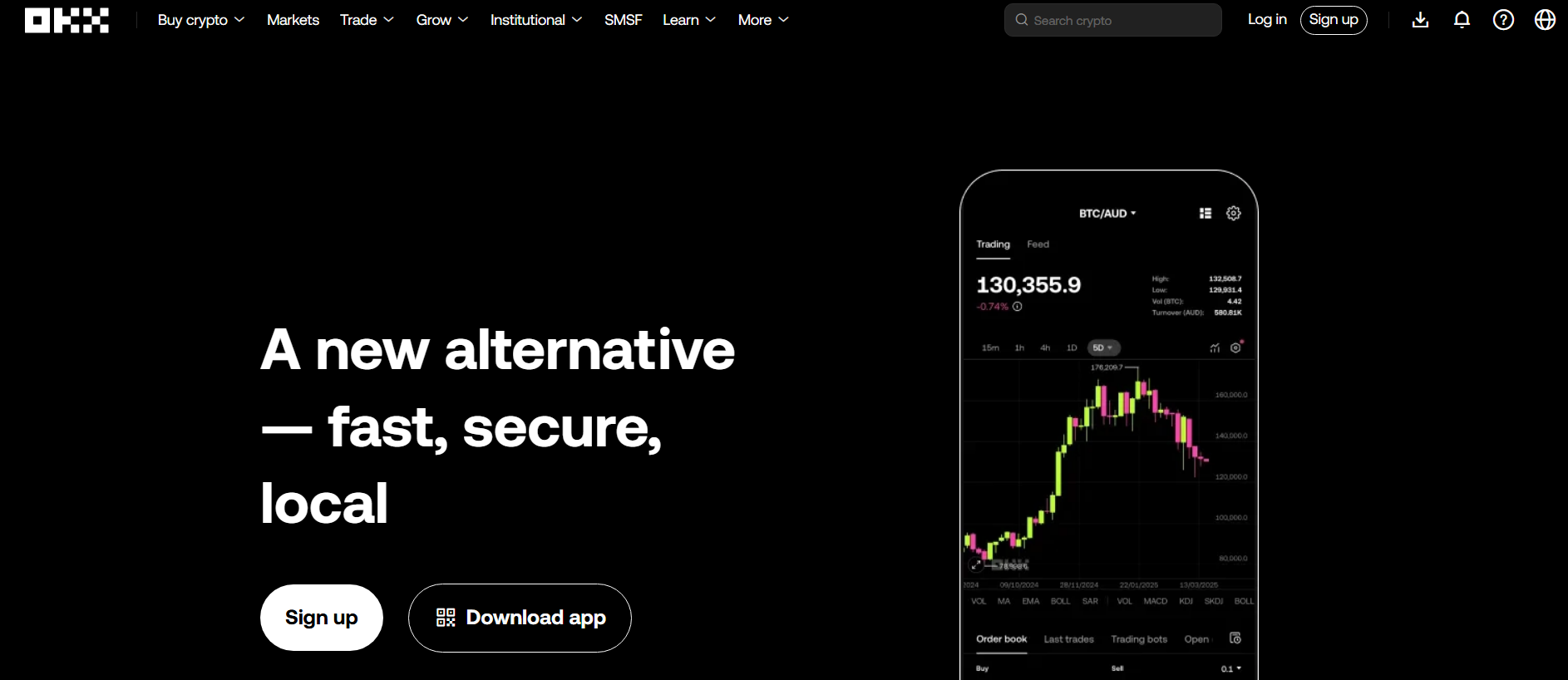
OKX Australia positions itself as a comprehensive Australian crypto exchange offering a wide array of trading products with competitive pricing. It provides spot trading, derivatives, margin markets, and staking, all accessible with AUD deposits and withdrawals. Leveraging its strong global presence, OKX has tailored its services to meet the specific needs of Australian traders, offering a user-friendly interface suitable for both beginners and experienced users. The platform is known for its large selection of digital assets, fast order execution, reliable liquidity, advanced charting tools, educational resources, and mobile applications.
- Fee Structure: OKX Australia offers a competitive fee structure, typically 0.2% for makers and 0.35% for takers, with potential for lower fees based on trading volume and holdings of its native token (though discounts through native token may not apply in Australia).
- AUD Integration: Full support for AUD deposits and withdrawals, often via bank credit/debit card, simplifying transactions for Australian users.
- Security & Compliance: Implements cold storage, multi-signature wallets, and complies with AUSTRAC regulations, ensuring a secure trading environment.
- Pros: Competitive fee structure, full AUD support, advanced tools like trading bots and APIs, fast trade execution, and an intuitive navigation suitable for all user levels.
- Cons: Fewer fiat deposit methods compared to some local competitors, advanced tools can overwhelm new traders, and some features or native token perks may not be fully available to Australian users.
6. CoinSpot: The Beginner-Friendly Australian Veteran
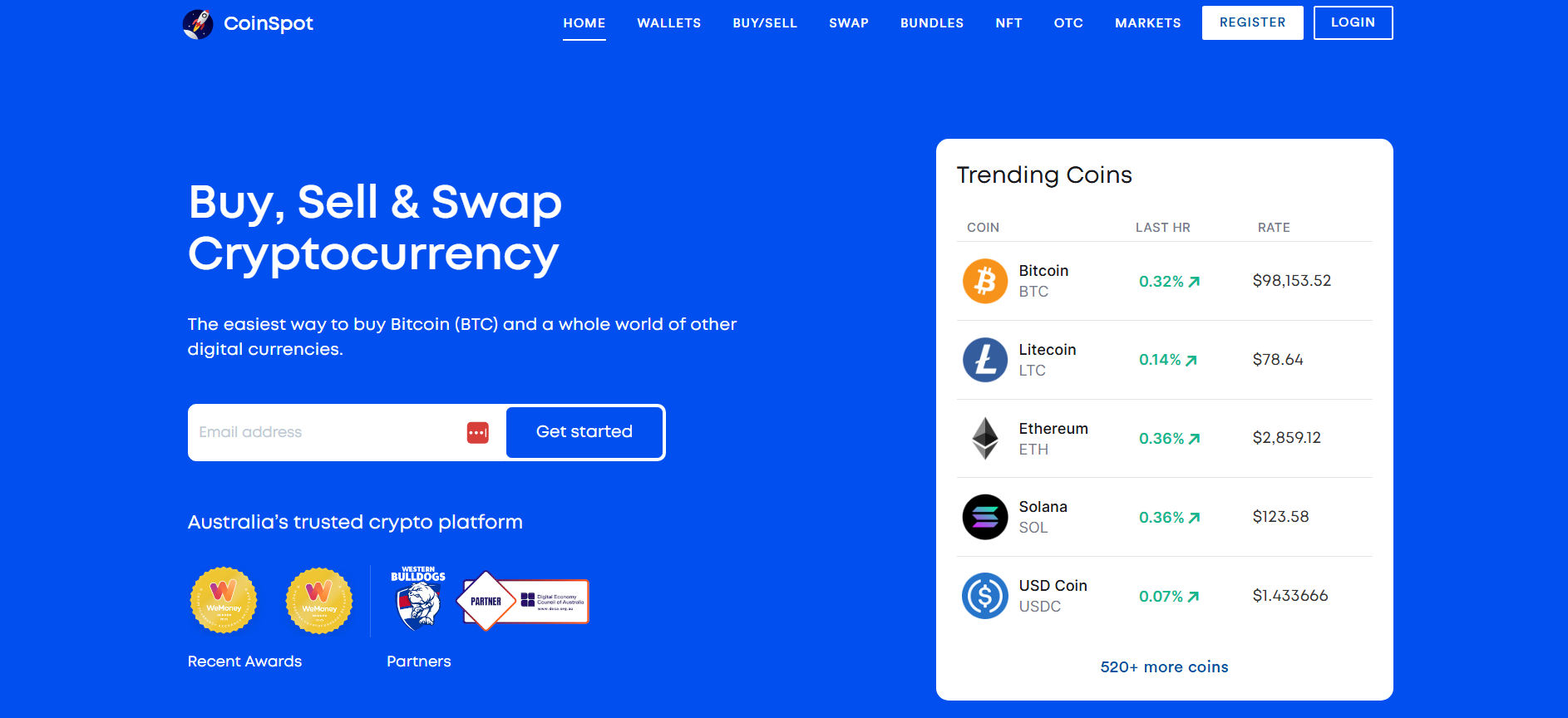
Founded in 2013, CoinSpot stands as one of Australia’s most established cryptocurrency exchanges, boasting over 3 million users. It has earned a reputation for its security and user-friendliness, holding ISO 27001 certification and partnering with the Digital Economy Council of Australia (DECA). CoinSpot supports over 520 digital currencies, including major assets like Bitcoin, Ethereum, and Solana. Its design caters to both beginners and experienced traders with features like instant buy/sell, crypto bundles, and a mobile app. Its intuitive interface and 24/7 live chat support make it an excellent entry point for new crypto investors.
- Fee Structure: CoinSpot charges a 1% fee for instant buy/sell orders. While higher than some platforms, it’s transparent and caters to convenience. Deposits are often free, and withdrawal fees are typically not applied to AUD.
- AUD Integration: Offers full AUD support with multiple free deposit methods (PayID, POLi, bank transfers) and no withdrawal fees, making it highly convenient for Australian users.
- Security & Compliance: ISO 27001 certified and AUSTRAC-registered, CoinSpot emphasizes robust security measures and best practices within the Australian market.
- Pros: Largest variety of cryptocurrencies in Australia, simple and intuitive design for beginners, strong security certifications, excellent customer support, and multiple free AUD deposit methods.
- Cons: Higher fees for instant buy/sell orders, lacks advanced trading tools like margin trading, and spreads can be higher than on order-book based exchanges.
7. Coinbase: A Global Brand for Long-Term Investors
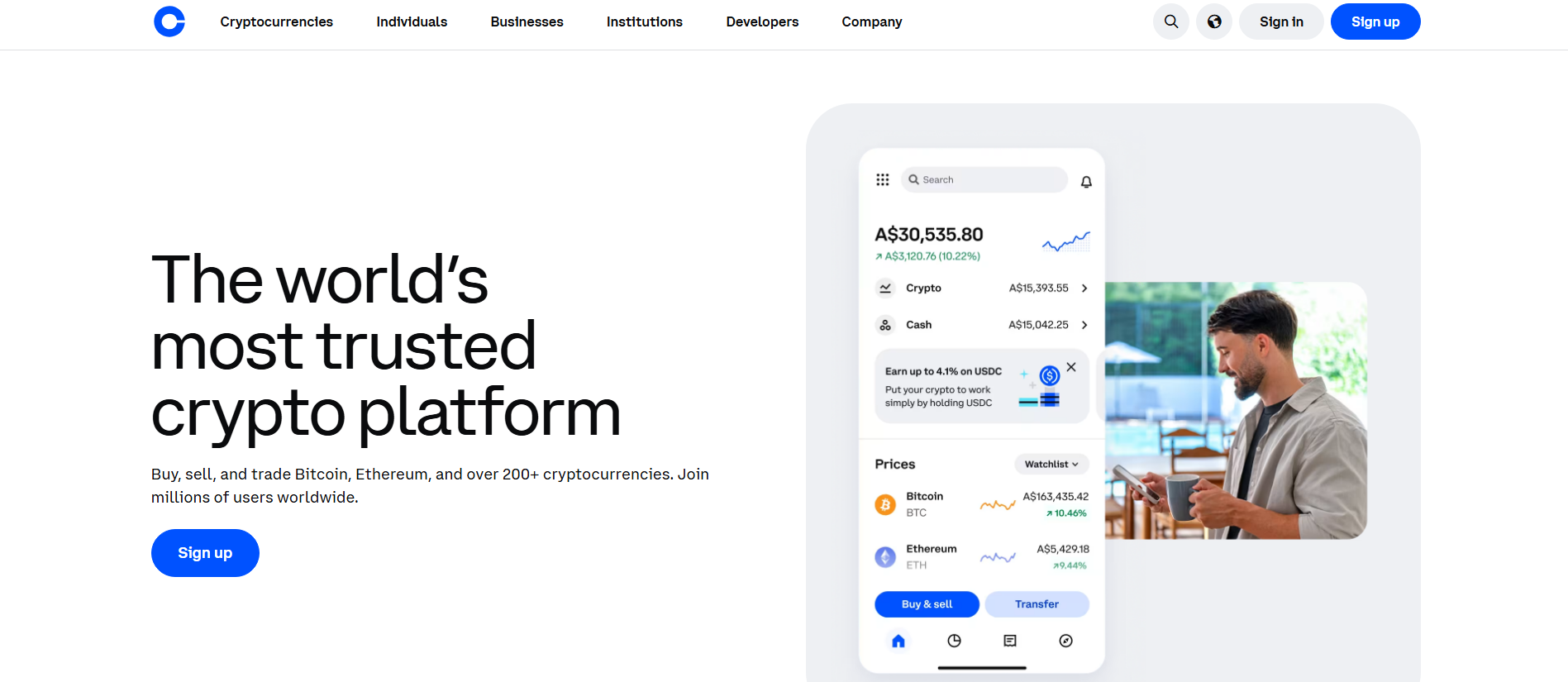
Coinbase, founded in 2012 by Brian Armstrong, is a globally recognized cryptocurrency exchange known for its user-friendly interface and stringent security. It serves as a trusted platform for both beginners and experienced traders, supporting a wide range of cryptocurrencies and fiat currencies. Its intuitive mobile app allows users to manage portfolios on the go, while features like an NFT marketplace and a Web3 tab provide avenues for exploring decentralized applications. Coinbase’s "Learn to Earn" program also provides an educational incentive for new users.
- Fee Structure: Coinbase’s fee structure can be complex and sometimes higher, often exceeding 1% depending on transaction size and method. Credit/debit card deposits incur a 3.99% fee, which is a significant consideration.
- AUD Integration: Supports AUD via bank transfer and PayPal, but options for derivatives or other advanced features are minimal for Australian users compared to its U.S. offerings.
- Security & Compliance: Coinbase is one of the most reliable exchanges globally, with strong security measures, including cold storage, insurance policies, and strict regulatory compliance in major jurisdictions.
- Pros: Highly reliable with strong security, clean and simple interface ideal for new investors, comprehensive mobile app, and educational "Learn to Earn" program.
- Cons: Often ambiguous and higher trading fees, limited advanced trading options (like derivatives) for Australian users, and some cryptocurrencies available globally are not accessible in Australia.
8. eToro: Social Trading Pioneer for Diversified Portfolios
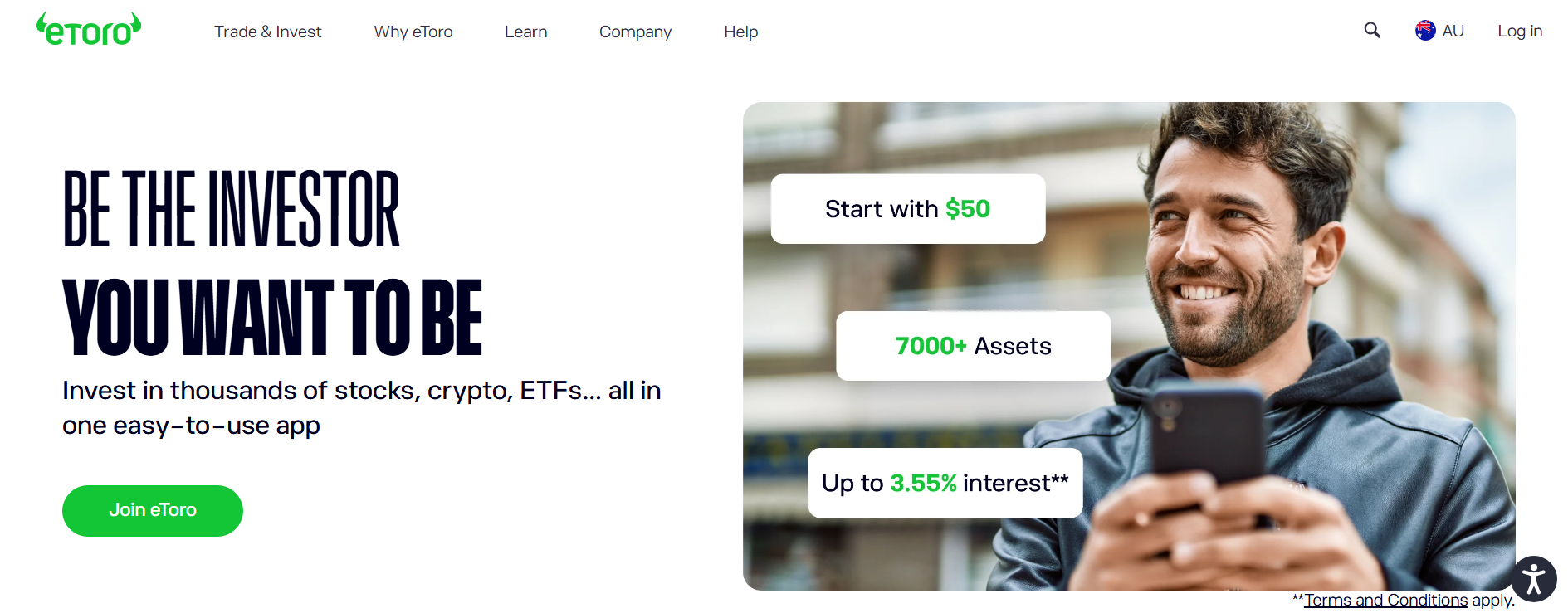
eToro, established in 2007, is a multi-asset trading platform renowned for its blend of cryptocurrency trading, social trading, and traditional financial instruments. Popular among millions globally, including Australian traders, eToro’s standout feature is "Copy Trading," allowing users to automatically replicate the trades of successful investors. This makes it an excellent choice for beginners and those seeking to learn from experienced traders. eToro supports over 100 cryptocurrencies alongside stocks and ETFs, providing a diversified investment environment. Its user-friendly interface, robust mobile app, and demo account further enhance its accessibility.

- Fee Structure: eToro charges a 1% fee for buying or selling cryptocurrencies, which is incorporated into the spread. Withdrawal fees and currency conversion fees also apply, potentially making it more expensive than dedicated crypto exchanges.
- AUD Integration: Supports AUD deposits via bank transfer and credit card, offering convenience for Australian users, though conversion fees might apply.
- Security & Compliance: As a regulated platform in multiple jurisdictions, eToro adheres to stringent security and compliance standards, offering a secure trading environment.
- Pros: Unique social trading and Copy Trading features, regulated and secure platform, wide range of assets beyond crypto (stocks, ETFs), and beginner-friendly interface with a demo account.
- Cons: Higher overall fees (including spreads and withdrawal charges), a more limited cryptocurrency selection compared to dedicated crypto exchanges, and no advanced trading tools like futures or margin trading.
9. Coinstash: Altcoin Specialization and SMSF Accounts
Coinstash, founded in 2017, is a trusted Australian crypto trading platform serving over 50,000 users. It is AUSTRAC-registered and fully compliant with Australian regulations, emphasizing simplicity and security. Coinstash stands out with access to over 1,000 cryptocurrencies, including Bitcoin, Ethereum, and Solana, making it an excellent choice for altcoin enthusiasts and those seeking portfolio diversification. Unique features include crypto bundles, a rewards program (STASH points), and specialized services for Self-Managed Superannuation Funds (SMSF) investors and high-net-worth individuals.
- Fee Structure: Coinstash offers competitive trading fees, starting at 0.85%, which decrease with higher membership tiers, rewarding active traders.
- AUD Integration: Primarily supports AUD for deposits (PayID, bank transfer) and withdrawals, providing seamless local transactions.
- Security & Compliance: Fully AUSTRAC-registered, Coinstash ensures compliance with Australian regulations, implementing security measures to safeguard user assets. KYC verification is mandatory for all users.
- Pros: Access to an extensive range of over 1,000 cryptocurrencies, competitive fees that scale down, full Australian regulatory compliance, simple design, and tailored solutions for SMSF and high-net-worth investors.
- Cons: Requires full KYC verification for all users, lacks advanced tools like margin trading, and may not appeal to users seeking highly advanced trading options.
10. Independent Reserve: Institutional-Grade Services for High-Net-Worth Individuals
Established in 2013, Independent Reserve is one of Australia’s most trusted cryptocurrency exchanges, known for its robust security and institutional-grade services. It caters to both individual and institutional investors with features like leveraged trading, recurring buys, multi-user accounts, and an Over-the-Counter (OTC) desk for large-volume trades. This ensures deep liquidity and competitive pricing, particularly for high-net-worth individuals and SMSF accounts looking to build diversified portfolios, including top altcoins. The platform supports trading in multiple fiat currencies (AUD, USD, NZD, SGD) and offers a seamless mobile app experience.
- Fee Structure: Independent Reserve offers competitive maker/taker fees, starting at 0.5% and decreasing significantly with higher trading volumes, potentially reaching as low as 0.02% for top tiers.
- AUD Integration: Offers robust AUD support via PayID, EFT, and SWIFT, providing flexible deposit and withdrawal options for Australian users.
- Security & Compliance: Fully AUSTRAC-registered and compliant with Australian regulations, Independent Reserve employs strong security measures, making it a highly trusted platform in the region.
- Pros: Competitive, volume-based fees, full Australian regulatory compliance, advanced features like leveraged trading and multi-user accounts, ideal for large-volume trades and high-net-worth individuals, and supports multiple fiat currencies.
- Cons: May not support niche or emerging cryptocurrencies, fees apply for certain withdrawal methods (SWIFT, instant crypto), and advanced features can be overwhelming for new traders.
Choosing the Optimal Crypto Exchange in Australia: A Strategic Approach
The selection of a cryptocurrency exchange is a strategic decision that should be informed by an investor’s specific needs and risk profile.

- Security and Regulation: Paramount for any investor. The exchange must be AUSTRAC-registered and comply with Australian financial regulations. Look for multi-factor authentication (2FA), cold storage, and ideally, insurance provisions for digital assets.
- Trading Fees: Understand the maker/taker fee model, instant buy fees, and any hidden costs like deposit or withdrawal charges. Volume-based discounts can significantly impact profitability for active traders.
- Cryptocurrency Selection: Evaluate if the exchange offers the range of digital assets you wish to trade, from major cryptocurrencies to specific altcoins.
- User Experience and Platform Features: A user-friendly interface, a functional mobile app, and access to advanced tools (e.g., trading bots, detailed charting, staking, or lending) are crucial. For some, the trade-off between convenience and security might involve considering no-verification crypto exchanges, but this comes with inherent risks.
- Liquidity: High liquidity ensures that orders are filled quickly and at competitive prices, minimizing slippage, especially for larger trades. Check daily trading volumes and order book depth.
- AUD Payment Methods: Seamless AUD integration via PayID, bank transfers, and credit/debit cards simplifies funding and withdrawals, reducing conversion costs and delays.
Initiating Your Crypto Journey in Australia: A Step-by-Step Guide
Getting started with cryptocurrency trading in Australia is a streamlined process designed for accessibility and security.
- Choose a Trusted Exchange: Select an AUSTRAC-compliant exchange known for its security and AUD support, based on your trading style and preferences.
- Register a New Account: Provide your email address and create a strong, unique password. Many platforms also require a phone number for additional security layers.
- Identity Verification (KYC): Most regulated Australian exchanges require Know Your Customer (KYC) verification, involving the submission of identification documents (e.g., driver’s license, passport). While some seek no-KYC crypto platforms, these often come with limitations on functionality, higher risks, and may not fully comply with local regulations.
- Make Your First Deposit: Fund your account using preferred AUD methods like PayID, bank transfer, or credit/debit card. Verify deposit limits and any associated fees.
- Place Your First Trade: Navigate to the trading interface, select your desired cryptocurrency pair (e.g., BTC/AUD), and execute your first trade. It is advisable to start with smaller amounts to familiarize yourself with the platform and market dynamics.
Australian vs. Global Crypto Exchanges: A Comparative Analysis
The choice between an Australian-centric and a global crypto exchange often boils down to specific priorities. Australian exchanges excel in regulatory compliance with AUSTRAC, offering full AUD support, localized customer service, and often integrated tax reporting tools. Their liquidity, while sufficient for the Australian market, might be lower than global behemoths. Global exchanges, conversely, typically offer a broader selection of cryptocurrencies, higher liquidity, and more advanced trading features. However, they may have limited direct AUD support, potentially higher conversion fees, and their global regulatory complexities can sometimes impact services offered in Australia. KYC requirements also vary; while Australian platforms enforce strict KYC, some global platforms might offer limited no-KYC options, albeit with higher associated risks.
Crypto Regulations & Taxes in Australia: A Mandate for Compliance
Australia has adopted a proactive and comprehensive regulatory framework for cryptocurrencies. All Australian crypto exchanges are mandated to register with AUSTRAC and comply with stringent anti-money laundering (AML) and counter-terrorism financing (CTF) laws. This framework not only safeguards investors but also fosters trust and integrity in the digital asset market. Exchanges are also required to implement robust security measures, including cold storage and two-factor authentication, to protect user funds and data.
The Australian government, through the ATO, classifies cryptocurrency as property, meaning it is subject to taxation. Clear guidelines dictate how crypto transactions are taxed, requiring individuals and businesses to meet their obligations. Taxable events include selling crypto for fiat, exchanging one cryptocurrency for another, and using crypto to purchase goods or services. Each event may result in a capital gain or loss, which must be declared in annual tax returns. Holding crypto for over 12 months can qualify for a 50% Capital Gains Tax (CGT) discount, encouraging long-term investment.
Income derived from cryptocurrency activities, such as staking rewards, mining profits, or airdrops, is treated as ordinary income and taxed at the individual’s marginal rate. Meticulous record-keeping of all transactions—dates, amounts, and purpose—is essential for ATO compliance. Many exchanges provide transaction histories and reporting tools to assist with this obligation. Furthermore, for those attracted by sign-up bonuses, it’s crucial to select reputable platforms that adhere to local regulations and carefully review the terms and conditions associated with such incentives.
Conclusion

The choice of a digital currency exchange profoundly influences an investor’s trading experience and financial outcomes. For Australian traders in 2026, a comprehensive understanding of local regulations, tax obligations, and the unique features offered by both Australian-native and global platforms is paramount. Whether prioritizing robust security, competitive fees, diverse asset options, or ease of use, selecting a platform that aligns with individual investment goals is essential. Diligent research, continuous market awareness, and informed decision-making are critical to maximizing crypto potential within Australia’s dynamic and maturing digital asset ecosystem.
FAQs
What’s the most trusted crypto exchange in Australia?
Independent Reserve is widely considered one of the most trusted crypto exchanges in Australia, recognized for its AUSTRAC registration, robust security measures, and strong compliance with Australian regulations, catering particularly to sophisticated and high-net-worth investors.
Which crypto exchange has the lowest fees in Australia?
Independent Reserve generally offers some of the lowest trading fees in Australia, with maker/taker fees starting as low as 0.02% for high-volume traders, reflecting its institutional focus. Binance also offers highly competitive fees for active users.
Is Binance or CoinSpot better in Australia?
Binance is typically better for experienced crypto traders due to its expansive features, vast selection, and lower fees for high-volume trading. CoinSpot, with its user-friendly interface and strong local support, is generally preferred by beginners and those prioritizing simplicity and comprehensive AUD support.
Is Coinbase legal in Australia?
Yes, Coinbase operates legally in Australia and adheres to local regulations, enabling users to securely trade and invest in cryptocurrencies.

Which crypto wallet is best in Australia?
The best crypto wallet in Australia depends on individual needs. For maximum security, hardware wallets like Ledger and Trezor are highly recommended. For software wallets, Trust Wallet and Exodus are popular choices known for their user-friendliness and broad asset support.
What’s the best exchange for AUD deposits?
CoinSpot is often regarded as the best exchange for AUD deposits due to its extensive support for multiple deposit methods, including PayID, POLi, and bank transfers, making it exceptionally convenient for Australian users. Swyftx also offers excellent AUD deposit options.