admin
admin
The pursuit of stability amidst the inherently volatile landscape of cryptocurrency markets has led many investors to explore structured methodologies, with Dollar-Cost Averaging (DCA) emerging as a prominent strategy. This approach addresses a common dilemma faced by both novice and seasoned participants: the overwhelming challenge of timing market entry and exit points. The rapid, often unpredictable price swings in digital assets, where significant gains or losses can materialize within a single trading session, underscore the psychological and financial pressures associated with speculative investing. Historical data from leading cryptocurrencies like Bitcoin and Ethereum consistently demonstrate periods of extreme price fluctuations, with Bitcoin, for instance, experiencing multiple drawdowns exceeding 80% from its all-time highs, only to recover and set new records. Such movements invariably lead to emotionally driven decisions, frequently culminating in suboptimal outcomes.
This comprehensive analysis delves into the mechanics of Dollar-Cost Averaging within the cryptocurrency ecosystem, examining its operational framework, multifaceted benefits, inherent risks, and its comparative standing against lump-sum investment strategies. The objective is to provide a fact-based assessment for investors seeking a disciplined, long-term approach to wealth accumulation in digital assets, fostering resilience against market turbulence.
Understanding Dollar-Cost Averaging (DCA) in Crypto
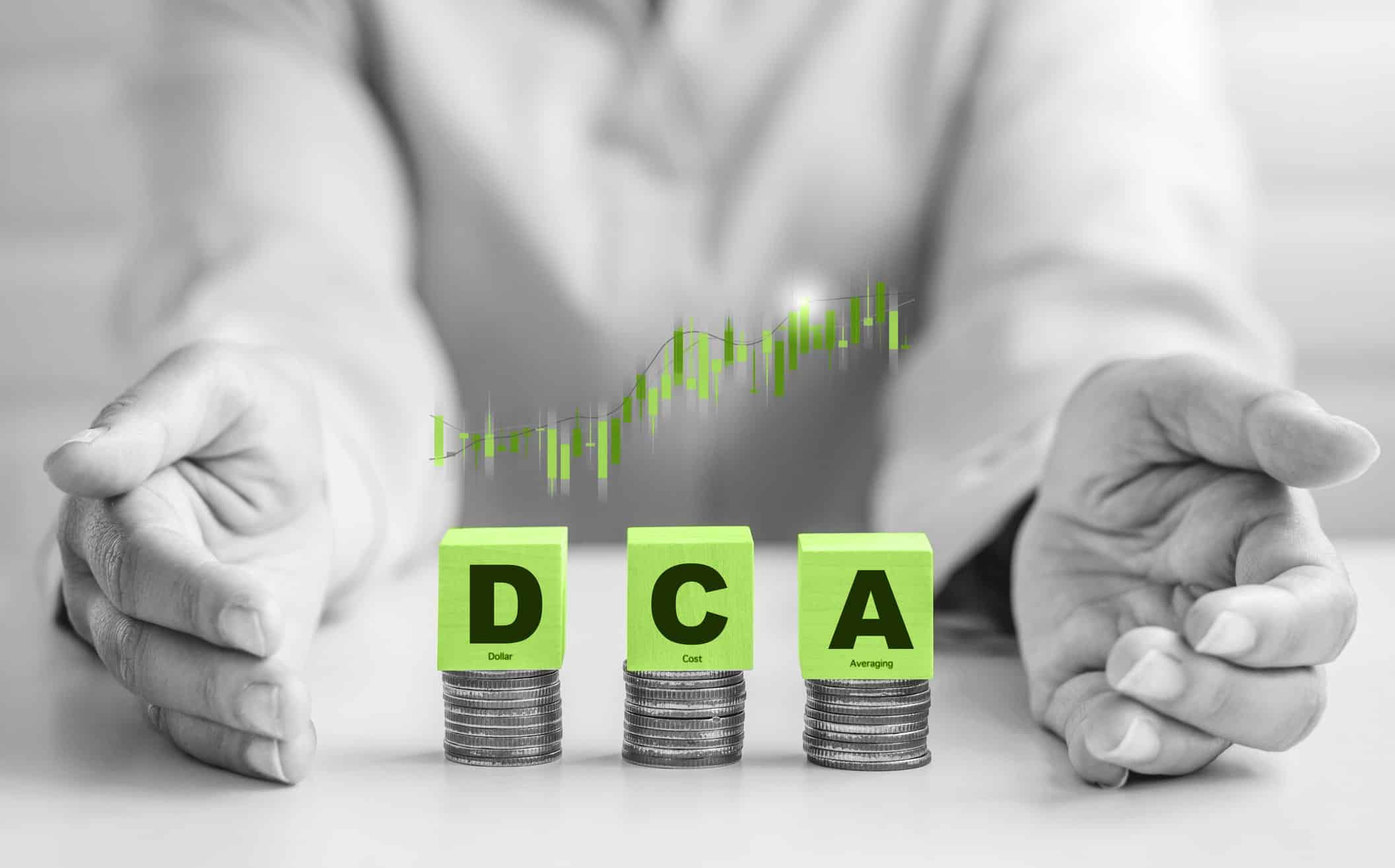
Dollar-Cost Averaging, in the context of cryptocurrency, is an investment strategy where an investor allocates a fixed monetary amount to a specific digital asset at regular, predetermined intervals, irrespective of the asset’s current price. This method fundamentally shifts the focus from attempting to predict short-term market movements to embracing consistent, periodic contributions. For example, an investor might commit to purchasing $100 worth of Bitcoin every week or $200 worth of Ethereum on the first day of each month.
The core principle underpinning DCA is deceptively simple yet profoundly effective. When the price of the chosen cryptocurrency is elevated, the fixed investment amount procures fewer units of the asset. Conversely, when prices decline, the same fixed amount acquires a larger quantity of units. Over an extended period, this consistent buying pattern effectively averages out the purchase price of the asset, mitigating the risk associated with a single, large investment made at an unfavorable market peak. This strategy champions consistency and patience over speculative foresight, allowing investors to accumulate assets steadily and reduce the emotional burden often linked to market timing.
The Operational Framework of Dollar-Cost Averaging
The practical application of Dollar-Cost Averaging involves segmenting a total intended investment into smaller, uniform sums that are then deployed into the market at regular intervals. This systematic deployment ensures that an investor naturally capitalizes on market dips by acquiring more units and navigates upward trends by continuing to invest, albeit for fewer units. This inherent mechanism helps smooth out the average cost basis of the investment over time, reducing the overall impact of individual price volatility spikes.
The evolution of cryptocurrency exchanges and financial technology has significantly streamlined the DCA process. Many leading crypto platforms now offer automated DCA features, allowing users to configure recurring purchases with specified amounts and frequencies. This automation is a critical enabler, as it removes the need for manual intervention, ensuring adherence to the investment schedule even during periods of intense market sentiment, be it euphoria or panic. Such tools not only enhance convenience but also reinforce the disciplined nature of the strategy, which is particularly advantageous for those aiming to build a substantial long-term portfolio without the constant vigilance required for daily market monitoring. Financial technology companies and crypto platforms have reported a steady increase in the adoption of automated DCA features, particularly among retail investors seeking a less stressful entry into the crypto space.
Advantages of Employing DCA in Crypto Markets
The inherent volatility of cryptocurrency markets often elicits strong emotional responses from investors, ranging from "Fear of Missing Out" (FOMO) during bull runs to panic selling during downturns. The allure of rapid gains can lead to imprudent lump-sum investments at market peaks, while fear can trigger premature divestment at market bottoms. Dollar-Cost Averaging offers a counter-narrative, providing a structured and steady approach that yields several distinct advantages for investors in this dynamic asset class.
1. Mitigation of Market Volatility Impact
DCA acts as a natural buffer against the extreme price swings characteristic of cryptocurrencies. By spreading investments over time, investors avoid the pitfall of deploying their entire capital at a single, potentially ill-timed moment. When prices dip, the fixed investment buys more units, effectively lowering the average cost per unit. When prices rise, fewer units are purchased, preventing overexposure at elevated valuations. This mechanism statistically reduces the average purchase price over the long term compared to a single, high-point entry, making the portfolio more resilient to subsequent market corrections.
2. Elimination of Market Timing Pressure
The futility of consistently timing the market, even for seasoned professionals, is a widely acknowledged challenge in finance. Cryptocurrency markets, with their 24/7 trading and rapid news cycles, amplify this difficulty. DCA completely bypasses the need for market timing. Instead of agonizing over "the perfect dip" or "the ideal breakout," investors simply adhere to their pre-defined schedule. This removes a significant source of stress and allows investment decisions to be based on a methodical plan rather than speculative guesses or emotional reactions to daily price charts.
3. Cultivation of Investment Discipline
Consistency is a cornerstone of successful long-term investing, and DCA inherently instills this discipline. By committing to regular investments, investors develop a habit of continuous capital allocation, even when market sentiment is uncertain or negative. This systematic approach counteracts impulsive decisions that often erode returns. Over time, this consistent habit reinforces a robust investment strategy, helping investors to ride out market cycles with greater composure and focus on their long-term objectives.
4. Enhanced Peace of Mind
The psychological benefits of DCA are substantial. Knowing that one is following a predefined, proven strategy can significantly reduce anxiety and stress associated with crypto investing. There’s no constant pressure to monitor every price fluctuation or react to every news headline. Investors can trust their plan, allowing them to remain calm during periods of heightened market volatility, which is crucial for preventing panic-driven selling and fostering a healthier relationship with their investments.
5. Streamlined Investment Process
Dollar-Cost Averaging simplifies the investment journey. The process involves making a few key decisions: the cryptocurrency to invest in, the fixed investment amount, and the frequency. Once these parameters are set, especially with automated purchasing tools, the strategy largely runs itself. This simplicity makes DCA particularly appealing to beginners overwhelmed by the complexity of crypto trading, as well as busy individuals who prefer a hands-off approach to portfolio growth without sacrificing strategic integrity.
Drawbacks and Risks Associated with DCA in Crypto
While Dollar-Cost Averaging presents compelling advantages, a balanced understanding necessitates acknowledging its potential drawbacks and inherent risks. A thorough assessment of these factors is crucial for investors to determine if DCA aligns with their individual financial objectives and risk tolerance.
1. Potential for Suboptimal Returns in Sustained Bull Markets
One of the primary criticisms of DCA is its potential to underperform a lump-sum investment during a prolonged and consistent bull market. If cryptocurrency prices are on a steady upward trajectory, spreading out investments means that later purchases will occur at higher prices than an initial lump-sum investment. In such scenarios, an investor deploying all capital upfront would benefit from the full extent of the price appreciation from the earliest point, potentially yielding higher overall returns. However, predicting a sustained bull market with certainty is virtually impossible.

2. Accumulation of Transaction Fees
The strategy of making frequent, smaller investments can lead to a higher cumulative sum of transaction fees over time. Many cryptocurrency exchanges charge a fee per trade, which can be a percentage of the transaction or a fixed amount. While individual fees might seem negligible, they can add up significantly over months or years, especially with very small, frequent purchases. This erosion of returns makes it imperative for DCA users to select exchanges with competitive fee structures and consider the optimal frequency for their investment amounts.
3. Reduced Flexibility for Opportunistic Trading
DCA’s inherent rigidity, dictated by a fixed investment schedule, can limit an investor’s ability to capitalize on sudden, acute market downturns or other short-term opportunities. Investors committed to a DCA schedule might miss out on exceptional buying opportunities that fall outside their predetermined investment intervals. This aspect of reduced flexibility might not suit investors who prefer a more active, hands-on approach to portfolio management and wish to exercise discretion based on real-time market developments.
4. Not a Guarantee Against Losses
It is crucial to understand that DCA is a risk mitigation strategy, not a risk elimination strategy. While it helps average out purchase prices and reduce the impact of volatility, it does not protect against a fundamental decline in the value of the underlying asset. If the chosen cryptocurrency experiences a sustained, long-term bear market due to technological obsolescence, regulatory challenges, or a loss of network effect, DCA will simply average down the cost of an asset that continues to depreciate. The fundamental health and long-term viability of the chosen crypto asset remain paramount.
DCA vs. Lump-Sum Investing: A Comparative Analysis for Crypto
The debate between Dollar-Cost Averaging (DCA) and lump-sum investing is a foundational one in finance, with both strategies presenting distinct profiles suited to different market conditions, investor temperaments, and financial goals. In the highly dynamic cryptocurrency market, this comparison becomes even more pertinent.
Lump-sum investing involves deploying the entire available capital into an asset at a single point in time. Historically, academic studies in traditional markets often suggest that lump-sum investing tends to outperform DCA over very long horizons, particularly in consistently upward-trending markets, due to the immediate exposure to market gains. However, these studies often assume a stable, predictable market, which is a rare occurrence in crypto.
Consider two hypothetical investors, both with $12,000 to invest in Bitcoin over a year. Investor A employs a lump-sum strategy, investing all $12,000 on January 1st. Investor B utilizes DCA, investing $1,000 on the first day of each month. If Bitcoin experiences a significant dip in March and April before recovering, Investor B (DCA) would acquire more Bitcoin during these lower price points, potentially resulting in a lower average cost per Bitcoin than Investor A, especially if Investor A bought at a January peak. Conversely, if Bitcoin began a relentless bull run from January 1st without significant dips, Investor A would likely have more gains by year-end, having been fully invested earlier.
The following table provides a detailed comparison:
| Feature | Dollar-Cost Averaging (DCA) | Lump-Sum Investing |
|---|---|---|
| Investment Style | Gradual allocation of funds over a predetermined period. | Full allocation of the entire investment capital at once. |
| Risk Exposure | Reduces exposure to sudden, adverse market movements and volatility. | Exposes the full capital to immediate market conditions and risks. |
| Emotional Impact | Fosters discipline, reduces stress, and mitigates impulsive decisions. | Requires strong emotional fortitude to manage immediate gains/losses. |
| Market Timing | Eliminates the need for market timing; relies on consistency. | Heavily reliant on accurate market timing for optimal entry. |
| Transaction Costs | Potentially higher cumulative fees due to multiple, smaller transactions. | Typically lower overall fees, consolidated into one or few transactions. |
| Ideal Market | Highly volatile or uncertain markets, sideways markets, bear markets. | Strongly bullish, consistently upward-trending markets. |
| Investor Profile | Risk-averse investors, beginners, those with regular income, long-term holders. | Confident investors, those with high risk tolerance, belief in immediate market upside. |
| Opportunity Cost | May miss out on significant early gains in a strong, sustained bull market. | Potential for significant losses if invested at a market peak followed by a downturn. |
For the cryptocurrency market, characterized by its extreme volatility and unpredictable cycles, many financial experts and crypto analysts, such as those frequently quoted in industry publications, lean towards recommending DCA for the average retail investor. This preference stems from the recognition that few possess the ability to consistently time crypto markets successfully, and the emotional toll of lump-sum investing in such a fluctuating environment can be severe.
Implementing a Dollar-Cost Averaging Strategy in Crypto
Embarking on a Dollar-Cost Averaging journey in the cryptocurrency space is a straightforward process, designed to simplify investment and foster discipline. Here’s a structured approach to setting up your DCA strategy:
Step 1: Strategic Cryptocurrency Selection
The foundational step involves diligent research and selection of the cryptocurrency or cryptocurrencies for your DCA strategy. This is not merely about choosing the most popular assets but understanding their underlying technology, use case, development roadmap, team, community support, and overall market capitalization. Investors should delve into "tokenomics fundamentals," which encompass factors like supply schedules, distribution mechanisms, utility within its ecosystem, and demand drivers. A robust understanding of these elements helps in selecting assets with strong long-term potential, rather than those driven purely by speculative hype. Diversification across a few well-researched assets can further mitigate risk.
Step 2: Defining Investment Frequency
Once your asset selection is made, determine the regularity of your investments. Common frequencies include weekly, bi-weekly, or monthly contributions. The optimal frequency often correlates with an investor’s income cycle (e.g., investing after each paycheck). The key is consistency; choose a frequency that you can comfortably adhere to without disruption, regardless of market conditions. Shorter intervals might lead to slightly higher cumulative fees but offer more frequent averaging, while longer intervals reduce fee impact but average less frequently.
Step 3: Determining the Fixed Investment Amount
Decide on the specific monetary amount you will invest at each interval. This sum should be a fixed figure that aligns with your financial capacity and does not jeopardize your essential living expenses. A cardinal rule of investing, particularly in volatile assets like crypto, is to only invest what you can afford to lose. The goal is sustainability; choose an amount that can be consistently maintained over the long term, allowing the DCA strategy to fully materialize its averaging effect.
Step 4: Selecting a Reputable Cryptocurrency Exchange
Choosing the right platform is critical. A trustworthy cryptocurrency exchange should offer robust security measures (e.g., two-factor authentication, cold storage for assets), a user-friendly interface, competitive fee structures, and a strong regulatory compliance record. Additionally, look for platforms that support automated recurring purchases, which is essential for a hands-off DCA strategy. Reviews from the crypto community and independent financial publications can provide valuable insights into an exchange’s reliability and service quality.
Step 5: Setting Up Automated Purchases
To maximize the benefits of discipline and minimize emotional interference, set up automated recurring purchases on your chosen exchange. Most major exchanges now offer this functionality, allowing you to link your bank account and schedule investments into your selected cryptocurrencies at your chosen frequency and amount. This automation ensures that your DCA plan is executed consistently, even when you’re busy or when market sentiment might otherwise tempt you to deviate from your strategy. It transforms the often-stressful act of crypto investing into a systematic and passive wealth-building endeavor.
Who Benefits Most from Dollar-Cost Averaging?
Dollar-Cost Averaging is a versatile investment strategy, but it particularly resonates with certain investor profiles and circumstances within the cryptocurrency market.
- Beginner Investors: For individuals new to cryptocurrency, the market’s complexity and volatility can be daunting. DCA provides a gentle entry point, allowing them to gradually build a portfolio without the pressure of making large, high-stakes decisions at the outset. It teaches fundamental investment discipline.
- Long-Term Holders (HODLers): Investors with a long-term conviction in the future of specific cryptocurrencies, often referred to as ‘HODLers,’ find DCA an ideal method for consistent accumulation. It aligns with their philosophy of holding assets through market cycles, aiming for significant appreciation over several years.
- Individuals with Regular Income: Those with steady employment or predictable income streams can easily integrate DCA into their financial planning. By allocating a fixed portion of their earnings to crypto investments regularly, they leverage their consistent cash flow for disciplined portfolio growth.
- Risk-Averse Investors: While crypto itself is a high-risk asset class, DCA appeals to investors who are relatively risk-averse within that spectrum. It helps mitigate the specific risk of poor market timing, offering a psychologically more comfortable way to participate in the crypto market.
- Investors Seeking Emotional Detachment: Anyone prone to emotional investing – panic selling during dips or FOMO buying during peaks – will find DCA invaluable. Its automated, scheduled nature forces a disciplined, hands-off approach, protecting investors from their own psychological biases.
- Pension Funds and Institutional Explorers (Cautious Entry): While large institutions typically have more complex strategies, some, when first exploring crypto exposure, might use a form of DCA to gradually enter positions, managing the initial volatility risk for their substantial capital allocations.
Common DCA Mistakes and How to Avoid Them
Even with a seemingly straightforward strategy like DCA, investors can fall prey to common pitfalls that undermine its effectiveness. Recognizing these mistakes is the first step toward a more robust investment approach.
1. Inconsistent Investing (Breaking the Schedule)
Mistake: The most fundamental error is failing to adhere to the predetermined investment schedule. This often happens when markets are in a prolonged downturn, and fear dissuades investors from continuing their purchases, or during a sharp bull run where they feel they’ve missed the boat and stop buying.
Avoidance: Treat your DCA schedule like a non-negotiable bill. Automate purchases on an exchange to remove the emotional element. Remember that buying during dips is precisely when DCA provides the most value by lowering your average cost.
2. Investing in Poorly Researched Assets
Mistake: DCA’s effectiveness relies on investing in assets with strong fundamentals and long-term viability. Blindly applying DCA to a meme coin or a project with weak tokenomics and no real-world utility is akin to averaging down on a failing stock.
Avoidance: Conduct thorough due diligence on any cryptocurrency before adding it to your DCA portfolio. Understand its technology, use case, team, competitive landscape, and community. Focus on established projects or those with clear innovation and adoption potential.
3. Over-Diversification or Under-Diversification
Mistake: Over-diversifying into too many obscure altcoins can dilute returns and make research unmanageable. Conversely, under-diversifying by putting all DCA funds into a single, highly speculative asset amplifies specific asset risk.
Avoidance: Strike a balance. A common approach is to DCA into a few leading cryptocurrencies (e.g., Bitcoin and Ethereum) and perhaps one or two mid-cap projects with high conviction. Regularly review your portfolio composition and asset performance.
4. Panicking During Bear Markets
Mistake: While DCA aims to mitigate volatility, the psychological pressure of a prolonged bear market (e.g., 70-80% drops) can be immense, leading investors to halt their DCA or even sell their holdings.
Avoidance: Understand that bear markets are inherent to crypto cycles and are precisely when DCA is most powerful for accumulating assets at lower prices. View downturns as opportunities to buy assets on sale. Revisit your initial investment thesis and long-term conviction.
5. Ignoring Transaction Fees
Mistake: Making very small, frequent purchases on exchanges with high fixed fees can significantly erode returns over time, especially for smaller portfolios.
Avoidance: Choose exchanges with low fees or tiered structures that favor your investment size. Consider consolidating very small weekly buys into larger bi-weekly or monthly purchases to reduce cumulative fees, if feasible without compromising discipline.
6. Lack of a Clear Exit Strategy or Goal
Mistake: DCA is a powerful accumulation strategy, but without a plan for when to take profits or rebalance, investors can miss opportunities to secure gains or manage risk.
Avoidance: Define clear long-term financial goals. This might involve setting specific price targets for partial profit-taking, rebalancing your portfolio periodically, or having a plan for exiting entirely upon reaching a certain financial milestone. DCA is a means to an end, not an end in itself.
Broader Impact and Implications of DCA Adoption
The increasing adoption of Dollar-Cost Averaging by retail and even some institutional investors has broader implications for the cryptocurrency market and investor behavior.
- Market Stabilization: A widespread embrace of DCA could, paradoxically, contribute to a gradual stabilization of crypto markets. By reducing the number of impulsive, emotionally driven large trades, DCA encourages more systematic buying pressure during dips and less panicked selling during corrections, potentially dampening extreme volatility over the long term.
- Maturity of the Investor Base: DCA fosters a more mature and patient investor base. It shifts the focus from short-term speculation to long-term wealth building, aligning crypto investing more closely with traditional asset accumulation strategies. This maturity is crucial for the sustainable growth and legitimization of the digital asset class.
- Accessibility for New Entrants: DCA lowers the barrier to entry for new investors. By providing a less intimidating and more structured way to participate, it democratizes access to crypto investing, allowing individuals with varying financial capacities to build a stake in this nascent technology.
- Increased Demand for Automated Tools: The popularity of DCA drives innovation in financial technology, pushing exchanges and platforms to develop more sophisticated and user-friendly automated investment tools, further streamlining the process for investors.
- Reduced "Whale" Influence: While large institutional players (whales) still exert significant influence, a large base of retail investors consistently DCAing can provide a more resilient floor during market downturns, potentially reducing the ability of single large entities to manipulate prices dramatically.
Conclusion
Dollar-Cost Averaging stands as a robust and reliable investment strategy for navigating the inherently volatile cryptocurrency market. By promoting consistent, periodic investments regardless of price fluctuations, DCA effectively mitigates the emotional stress of market timing and fosters a disciplined, long-term approach to portfolio growth. This method is particularly well-suited for beginners seeking a structured entry into crypto, as well as experienced investors aiming to minimize risks while steadily accumulating digital assets. While it may not always yield the highest returns in a relentless bull market, its unparalleled ability to average down purchase costs during downturns and cultivate investment discipline makes it an invaluable tool for sustained success in the dynamic world of cryptocurrency.
FAQs
Is DCA a good crypto strategy?
Yes, Dollar-Cost Averaging is widely considered a good crypto strategy, particularly for investors looking to mitigate the risks associated with market volatility and avoid the stress of attempting to time the market. It promotes a disciplined and systematic approach to building a portfolio over time.
How long should I use a dollar-cost average strategy?
The duration for employing a Dollar-Cost Averaging strategy is dependent on your individual financial goals and investment horizon. Many investors utilize DCA for long-term wealth accumulation, continuing until they reach specific portfolio size targets, achieve significant financial milestones, or decide to rebalance their asset allocation. It is most effective when sustained over several market cycles.
Is DCA safe?
Dollar-Cost Averaging is considered a relatively safe strategy in terms of managing investment risk, as it minimizes the impact of short-term market fluctuations and reduces the chances of buying at a single market peak. However, it does not guarantee profits or protect against a fundamental decline in the value of the underlying cryptocurrency. The safety of your investment ultimately depends on the long-term viability and fundamentals of the chosen digital assets.
How can I calculate dollar-cost average?
To calculate your dollar-cost average, you divide the total amount of money you have invested in a specific asset by the total number of units (e.g., coins or tokens) you have purchased over the investment period. For example, if you invested a total of $1,000 and acquired 10 units of a cryptocurrency, your dollar-cost average would be $100 per unit.