admin
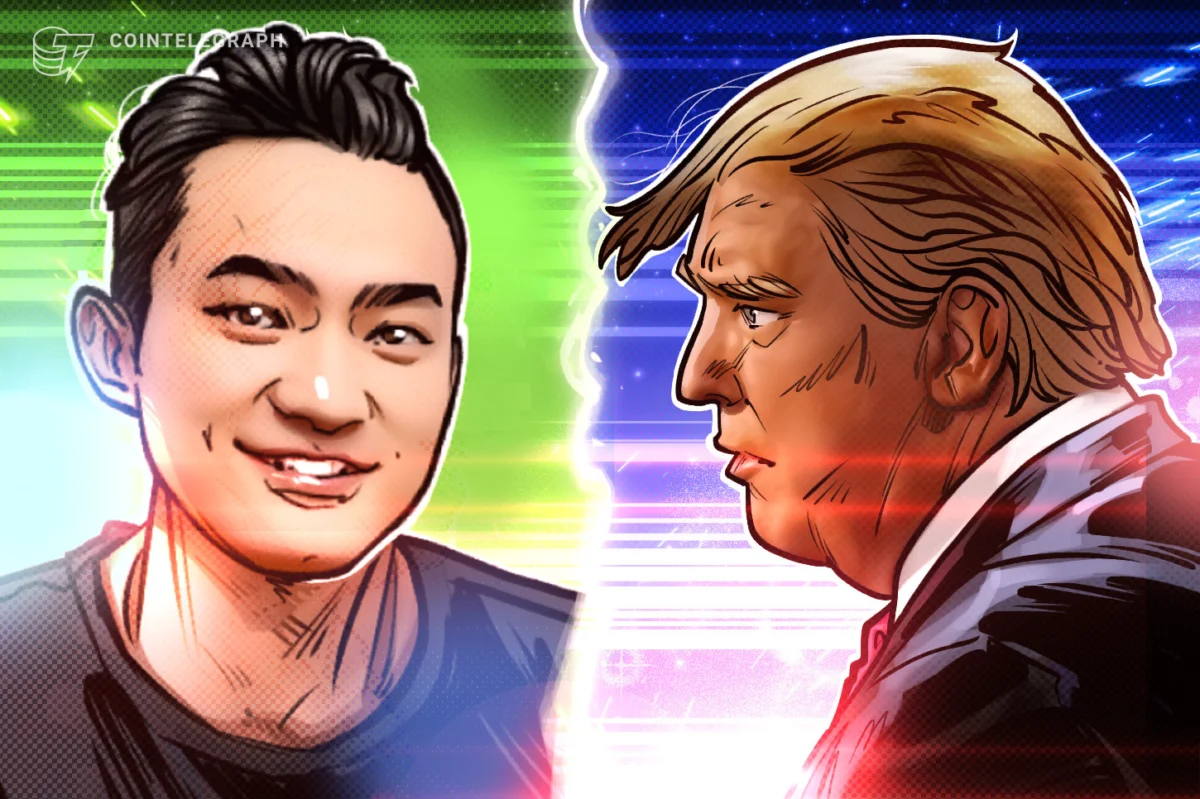
In a significant development that underscores the volatile intersection of cryptocurrency, political affiliations, and personal disputes, Tron founder Justin Sun has publicly called for cryptocurrency exchanges to delist the WLFI token. This urgent appeal, issued via a post on X (formerly Twitter) on Saturday, November 28, 2026, comes amidst a dramatic collapse in WLFI’s market value and a deepening legal conflict between Sun and World Liberty Financial, the firm associated with the Trump family that issued the token. Sun’s demands extend beyond mere delisting, urging exchanges to implement stringent measures including issuing explicit warnings to users, restricting deposits of WLFI, and mandating full disclosure of where user funds, particularly those impacted by recent market events, have been directed.
The precipitous decline of the WLFI token has sent shockwaves through its investor base and the broader crypto community. At the time of Sun’s public statement, WLFI had plummeted by more than 50% within a 24-hour period, trading at an alarming $0.01923, according to data from CoinGecko. This sharp devaluation has been directly linked to a substantial liquidation event involving a World Liberty strategic reserve wallet. Reports from blockchain analytics firm Lookonchain indicated that this wallet offloaded approximately $20 million worth of crypto assets, reportedly at a steep loss, just as WLFI’s price began its freefall. The confluence of these events has fueled speculation and concern regarding the financial stability and operational transparency of World Liberty Financial, a company that has leveraged its perceived ties to the Trump family to gain prominence in the burgeoning political memecoin and blockchain space.
The Genesis of Conflict: From Backer to Adversary
Justin Sun’s relationship with World Liberty Financial and its associated ventures has undergone a dramatic transformation, evolving from that of a prominent investor and staunch supporter to a vocal critic and litigant. Sun, a well-known figure in the cryptocurrency world with a history of high-profile acquisitions and endorsements, had initially positioned himself as a key backer of Trump family-linked crypto initiatives. His engagement was significant, extending to an investment in World Liberty Financial itself and a notable purchase of the TRUMP memecoin. This investment strategy culminated in May 2025, when Sun topped the token’s leaderboard, holding approximately $18.5 million worth of TRUMP, a position that secured him a coveted dinner with former President Donald Trump. Such gestures highlighted Sun’s early confidence in the potential of politically-aligned digital assets and his willingness to integrate with established political figures.
However, this early enthusiasm dissolved into acrimony. The first public sign of a serious rift emerged in April 2026, when Sun initiated legal proceedings against World Liberty Financial. His lawsuit levied grave accusations, alleging fraud and the unlawful freezing of his substantial token holdings within the company’s ecosystem. While the specific value of the frozen tokens was not detailed in the immediate reports surrounding this latest development, earlier Cointelegraph reports hinted at figures in the hundreds of thousands of dollars. Sun’s legal action painted a picture of a partnership gone awry, accusing World Liberty Financial of misrepresentation and potentially unethical financial practices that directly impacted his investments. This lawsuit marked a critical turning point, signaling the end of his supportive role and the beginning of a protracted legal battle.
World Liberty Financial quickly retaliated, filing a defamation lawsuit against Sun in May 2026. The company’s legal action asserted that Sun had made false statements and had violated the terms of their token-sale agreements. This counter-suit underscored the depth of the dispute, turning what might have been a private disagreement into a very public legal spectacle, played out against the backdrop of the highly transparent and often unforgiving cryptocurrency market. Sun, for his part, vehemently denied all allegations made by World Liberty Financial, setting the stage for a complex and high-stakes legal confrontation that continues to unfold. The current call for delisting WLFI can be seen as an escalation of this ongoing conflict, using his considerable influence to impact the financial viability of a project he once supported.
Market Collapse and the Strategic Wallet’s Role
The immediate trigger for Sun’s recent, forceful demands was the severe market downturn experienced by the WLFI token. On Friday, November 27, 2026, the token, which had previously held a relatively stable, albeit speculative, position, began an alarming descent. Within a mere 24 hours, its value plummeted from approximately $0.04 to $0.01923, erasing more than half of its market capitalization. This dramatic price action immediately sparked panic among holders and raised serious questions about the project’s underlying health and management.
Crucially, this market turmoil coincided precisely with significant activity from a wallet identified by Lookonchain as a "World Liberty strategic reserve wallet." Blockchain transaction records revealed that this wallet executed a series of large-volume sales, liquidating an estimated $20 million worth of various crypto assets. What made these sales particularly concerning was the observation that they were executed "at a steep loss." While the exact motivations behind liquidating such a substantial reserve at an unfavorable market price remain officially unconfirmed, the timing and nature of these transactions strongly suggest either urgent liquidity needs within World Liberty Financial or a deliberate, if costly, divestment strategy. For investors, the sight of a project’s strategic reserves being sold off at a loss often signals deep distress, undermining confidence and accelerating a sell-off. The absence of an immediate explanation or reassurance from World Liberty Financial further exacerbated market fears, leaving investors to grapple with uncertainty and mounting losses. Cointelegraph’s attempts to solicit comment from World Liberty Financial regarding the situation prior to publication went unanswered, contributing to the vacuum of official information.
The Broader Implications: Navigating the Politicized Crypto Landscape
Justin Sun’s call for the delisting of WLFI highlights several critical issues facing the cryptocurrency industry, particularly at the volatile intersection of digital assets and political influence. The allure of associating with high-profile political figures like Donald Trump has led to a proliferation of "politically-themed" tokens and NFTs. While such ventures can attract significant attention and capital from dedicated communities, they also inherently carry elevated risks. The success and stability of these projects often become intertwined with the political fortunes and public image of the associated figures, making them susceptible to rapid shifts in sentiment, regulatory scrutiny, and, as demonstrated by the WLFI case, personal disputes.
For cryptocurrency exchanges, Sun’s demands present a significant dilemma. On one hand, maintaining market integrity and protecting investors from potentially fraudulent or rapidly collapsing projects is paramount. Delisting a token sends a strong signal, often leading to a complete loss of liquidity for its holders on that platform. On the other hand, exchanges typically operate under a principle of neutrality, aiming to list tokens that meet certain technical and compliance standards without wading into every internal project dispute. Complying with Sun’s request could set a precedent where influential figures could unilaterally pressure exchanges to delist projects based on personal grievances rather than clear breaches of listing policies or legal mandates. Exchanges must carefully weigh the balance between acting on credible warnings from prominent figures and avoiding actions that could be perceived as market manipulation or arbitrary censorship. Their response, or lack thereof, will be closely watched by the industry and could influence future practices concerning contentious token listings.
Moreover, the ongoing legal battles between Sun and World Liberty Financial, now amplified by a public call for market action, underscore the nascent and often unregulated nature of parts of the crypto market. Unlike traditional financial markets where robust legal frameworks and regulatory bodies typically oversee corporate governance and investor protections, the decentralized finance (DeFi) space can be a wild west. Disputes over fraud, frozen assets, and defamation in this context can be incredibly complex to resolve, often involving cross-border legal challenges and novel interpretations of existing laws. The WLFI saga serves as a stark reminder for investors to exercise extreme caution and conduct thorough due diligence, especially when engaging with projects that carry celebrity or political endorsements, which often mask underlying operational risks or lack fundamental value.
Uncertain Future: A Test for Market Integrity and Investor Trust
The coming days and weeks will be crucial for all parties involved. The immediate question is how major cryptocurrency exchanges will respond to Justin Sun’s explicit demands. A coordinated delisting of WLFI across multiple platforms would effectively cripple the token’s trading liquidity, potentially rendering it worthless and causing significant losses for remaining holders. Conversely, if exchanges opt not to comply, they risk being seen as indifferent to investor protection warnings, especially given Sun’s stature and the visible market collapse.
World Liberty Financial faces immense pressure to address the situation publicly. Their silence following Cointelegraph’s inquiry and amidst the market turmoil only compounds the negative sentiment. A comprehensive statement detailing the reasons behind the strategic reserve sale, their plans for addressing investor concerns, and their defense against Sun’s accusations is urgently needed to restore any semblance of trust. The outcome of their ongoing legal battle with Justin Sun will also have significant repercussions, potentially setting legal precedents for disputes within the crypto space.
Ultimately, the WLFI token crisis and Justin Sun’s intervention are symptomatic of the broader challenges inherent in the rapidly evolving digital asset landscape. It highlights the power of influential individuals to shape market narratives, the precariousness of projects built on celebrity endorsement, and the urgent need for greater transparency and regulatory clarity to protect investors. As the dust settles on this particular conflict, the lessons learned will undoubtedly contribute to the ongoing maturation of the global cryptocurrency ecosystem, shaping how future projects are launched, governed, and regulated, particularly those venturing into the politically charged arena. The saga serves as a poignant reminder that even in the decentralized world, trust, accountability, and robust governance remain indispensable.