admin
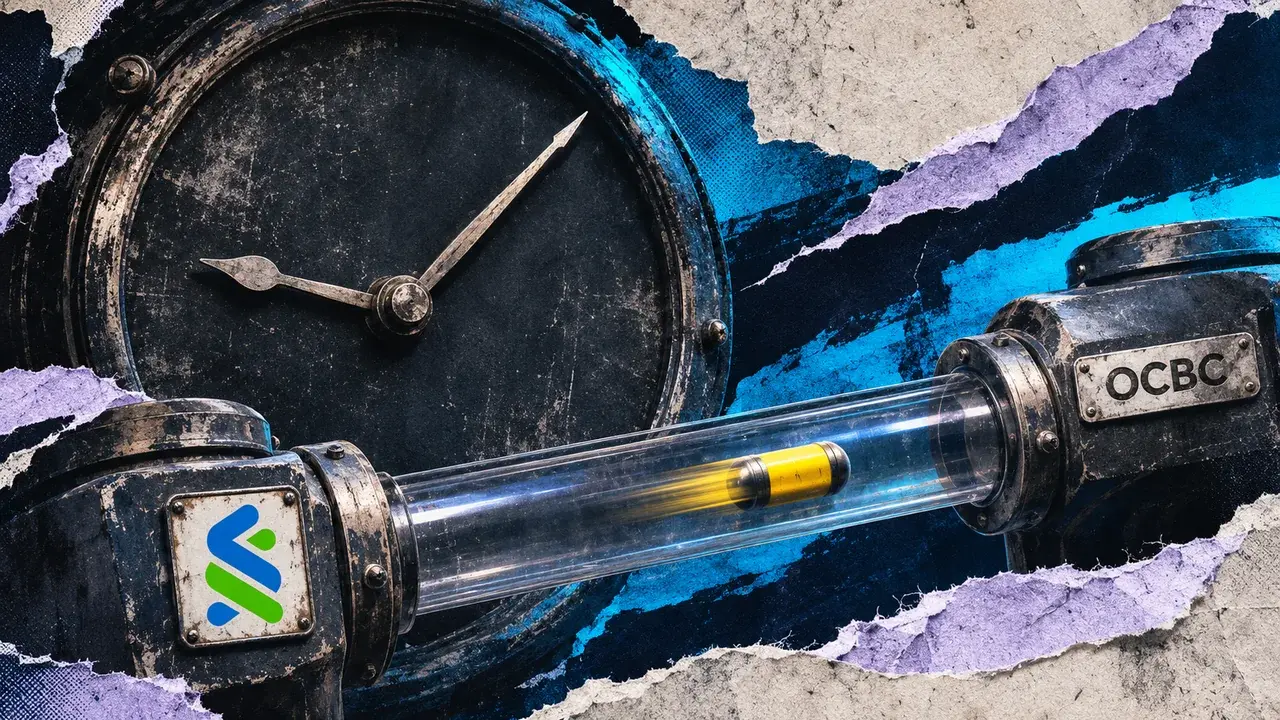
Standard Chartered announced on November 19 that eligible clients can now execute near real-time transfers of tokenized deposits between Singapore and Hong Kong, marking a significant stride in the evolution of interbank settlements. Tokenized deposits, essentially bank balances recorded on a digital ledger, offer corporate treasury teams a streamlined method to move funds between entities within the same group, leveraging the bank’s proprietary blockchain technology. Concurrently, a separate collaborative trial involving OCBC and StraitsX successfully explored the feasibility of cross-bank payments, further signaling a shift away from traditional, time-bound banking processes.
The Singapore expansion of Standard Chartered’s tokenized deposit service encompasses treasury and investment transactions that utilize commercial bank deposits. The bank has confirmed support for a range of major currencies, including the Singapore dollar, Hong Kong dollar, US dollar, euro, offshore Chinese yuan, and British pound. Potential users identified for this service include corporate treasurers, other financial institutions, investment platforms, and digital asset businesses. However, specific details regarding eligibility criteria and the precise operating hours for this new route remain undisclosed. The bank had previously signaled a move towards round-the-clock settlement when it launched its Hong Kong service on November 2. This earlier initiative involved tokenized deposit transactions settled between participating banks using central bank money, facilitated by the Hong Kong Monetary Authority’s EnsembleTX infrastructure, underscoring a strategic push towards continuous liquidity and transaction processing.
The Genesis of Tokenized Deposits: Addressing Inefficiencies
The traditional banking system, while robust, is often characterized by inherent inefficiencies, particularly in the realm of cross-border payments and settlements. These inefficiencies typically stem from reliance on batch processing, manual reconciliation, and rigid operating hours, often referred to as banking cutoffs. These cutoffs can create significant delays, especially for international transactions, leading to increased liquidity requirements, potential for settlement risk, and a lack of real-time visibility for corporate clients.
Tokenization of bank deposits represents a technological leap designed to circumvent these limitations. By converting a traditional bank deposit into a digital token on a distributed ledger technology (DLT) platform, the underlying asset remains a claim on the issuing bank. However, the token facilitates faster, more programmable, and potentially more transparent transfers. This innovation allows for the creation of digital representations of value that can move across networks more fluidly than traditional wire transfers, especially outside of standard business hours. The adoption of DLT for financial services is not new, with various central banks and private institutions exploring its potential for wholesale payments, securities settlement, and trade finance. These initiatives are driven by a common goal: to enhance efficiency, reduce costs, and mitigate risks within the global financial infrastructure.
Standard Chartered’s Cross-Bank Trial: A Glimpse into Interoperability
The recent trial, conducted on November 19, brought together Standard Chartered, Singapore-based OCBC, and payment infrastructure provider StraitsX. This collaboration was undertaken as part of the Monetary Authority of Singapore’s (MAS) innovative BLOOM initiative, a program designed to foster the development of DLT-based financial solutions. The trial successfully executed US dollar payments across the separate tokenized deposit networks of the participating banks, operating entirely outside of conventional banking cutoffs.
The participants reported that the trial demonstrated the capability for payments to be processed within minutes, encompassing critical steps such as compliance checks, liquidity assessments, and the final settlement of the transaction. This rapid execution is a direct contrast to the multi-day settlement cycles that can characterize traditional cross-border payments. The success of this trial is particularly noteworthy because it addressed a key challenge in the DLT space: interoperability. Banks often employ different DLT platforms and adhere to varying standards for their tokenized deposit offerings. Therefore, enabling payments between these distinct networks requires robust mechanisms for coordinating settlement across diverse systems.
The Mechanics of Interoperability in Tokenized Payments
The core principle behind tokenized deposits is that each token remains a direct claim on the issuing bank. This means that when payments are made across different banks’ tokenized deposit networks, a mechanism is required to ensure that the value is transferred accurately and securely between the respective institutions. StraitsX played a crucial role in this trial by coordinating payment instructions and transaction details, and by assisting with the necessary screening and settlement processes.
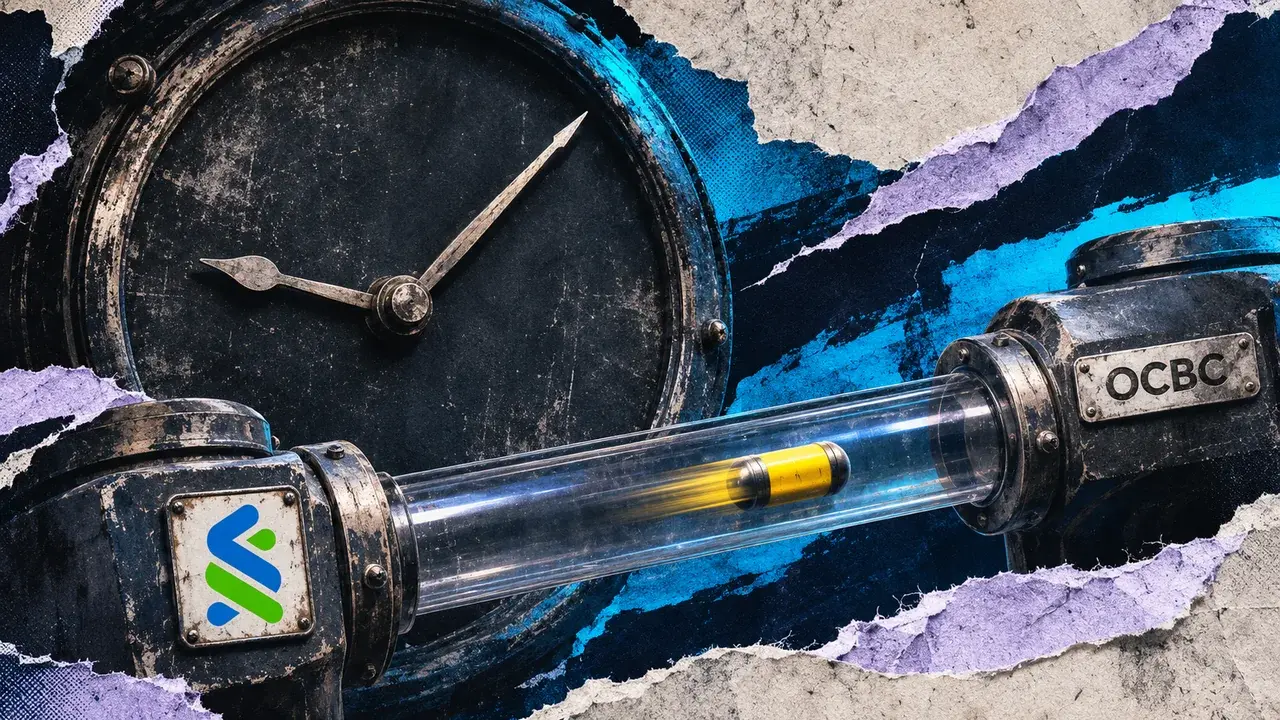
The shared infrastructure developed for this trial facilitated the end-to-end payment process, from the initial initiation of the transaction to its final confirmation. A significant advantage highlighted by the trial partners was the reduction in the need for bilateral prefunding. In traditional banking, prefunding involves banks setting aside capital in advance to cover anticipated outgoing payments, which can tie up significant liquidity. By enabling more direct and immediate settlement, tokenization has the potential to free up this capital and improve liquidity management for financial institutions.
However, the path to a commercially viable service based on such trials is complex. The partners have emphasized that any future commercial offering would be contingent upon several factors: securing regulatory approvals, obtaining explicit participant consent, establishing comprehensive legal documentation, and conducting thorough operational risk assessments. Key among these considerations are the finality of settlement – ensuring that once a payment is made, it is irrevocable – and establishing clear lines of responsibility for each step of the transaction. Furthermore, robust systems for screening against financial crime and ensuring sufficient liquidity for seamless settlement are paramount.
Supporting Data and Industry Trends
The advancements by Standard Chartered and OCBC align with a broader global trend towards the digitization of financial services and the exploration of central bank digital currencies (CBDCs) and tokenized assets. A recent report by Grand View Research projected the global tokenization market to grow significantly in the coming years, driven by increased adoption of blockchain technology in finance. The report cited enhanced security, transparency, and efficiency as key drivers for this growth.
Furthermore, initiatives like Project Dunbar, a cross-border wholesale CBDC project involving the central banks of Australia, Malaysia, Singapore, and South Africa, are exploring similar concepts of multi-currency tokenized settlement. These projects aim to facilitate international payments by allowing commercial banks to hold and transact with wholesale CBDCs issued by different central banks on a shared DLT platform. Such developments indicate a growing consensus among financial regulators and institutions that DLT holds the key to modernizing payment systems.
The specific currencies supported by Standard Chartered’s service, including major global trading currencies, suggest a focus on facilitating international trade and investment flows. The ability to transact in currencies like the US dollar, euro, and offshore Chinese yuan in near real-time has the potential to significantly reduce transaction costs and improve the speed of capital deployment for multinational corporations. For example, a company with subsidiaries in both Singapore and Hong Kong could consolidate its cash management operations, reducing the need for multiple banking relationships and complex reconciliation processes.
Broader Impact and Implications
The successful testing and rollout of tokenized deposit services by major banks like Standard Chartered and OCBC carry significant implications for the future of global finance.
- Enhanced Liquidity and Efficiency: By enabling near real-time settlement, these innovations promise to unlock trapped liquidity and reduce the capital required for transactions. This can lead to more efficient use of financial resources across the economy.
- Reduced Transaction Costs: The automation and disintermediation offered by DLT can potentially lower the fees associated with cross-border payments and other financial transactions.
- Improved Financial Inclusion: While current offerings are targeted at institutional clients, the underlying technology could eventually be adapted to provide more accessible and affordable financial services to a wider population.
- New Financial Products and Services: Tokenization opens the door for the creation of novel financial instruments and services, such as fractional ownership of assets, programmable payments, and more sophisticated trade finance solutions.
- Increased Competition: The emergence of these new platforms may spur competition among traditional banks and payment providers, driving further innovation and improved customer service.
However, challenges remain. Regulatory frameworks are still evolving to accommodate these new technologies. Ensuring robust cybersecurity measures to protect digital assets and prevent illicit activities is paramount. Furthermore, the widespread adoption of tokenized deposits will require significant investment in infrastructure and training for financial professionals.
The ongoing collaboration between major financial institutions, technology providers, and regulatory bodies, as exemplified by the BLOOM initiative and the trials conducted by Standard Chartered and OCBC, underscores a clear commitment to modernizing the financial ecosystem. As these technologies mature and regulatory clarity increases, the prospect of a truly 24/7, seamless global payment system moves closer to reality, fundamentally reshaping how businesses and individuals transact and manage their finances. The transition from traditional banking cutoffs to near real-time settlement represents not just a technological upgrade, but a paradigm shift in the operational capabilities of the global financial markets.