
 admin
admin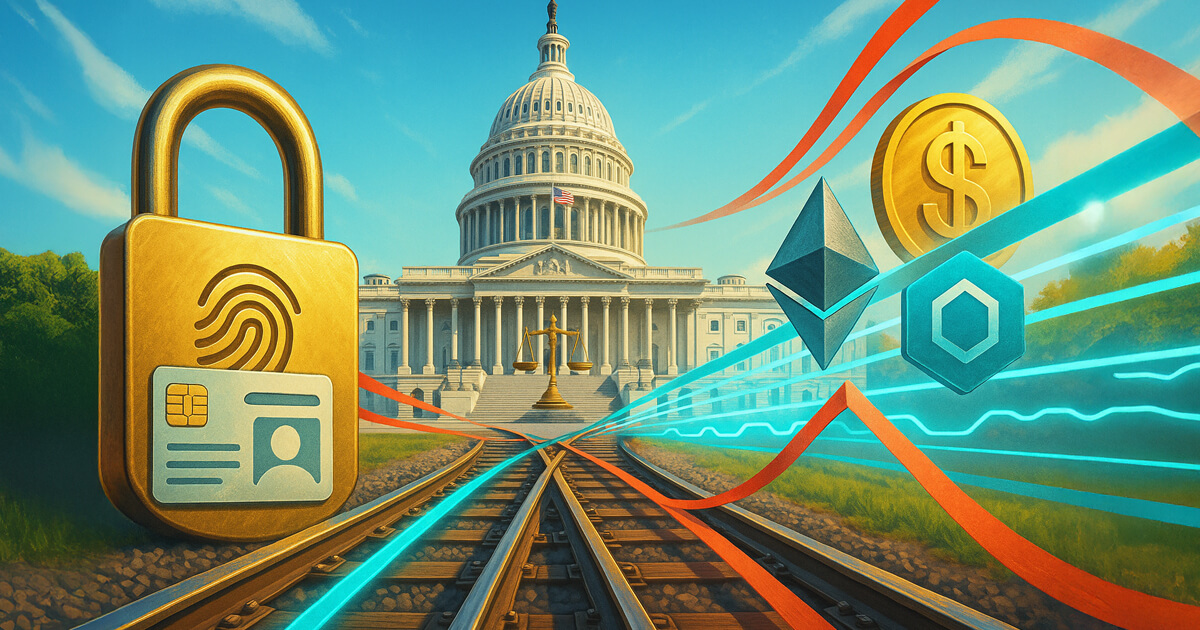
A confidential draft bill circulating among Senate Democrats proposes sweeping new oversight of Decentralized Finance (DeFi), extending Know-Your-Customer (KYC) and Anti-Money-Laundering (AML) duties to DeFi interfaces, validators, and even node operators. This aggressive regulatory approach, if enacted, could significantly reshape the digital asset landscape in the United States, potentially driving liquidity and innovation offshore.
The leaked proposal, intended as the Democratic party’s counterpoint to a market-structure bill championed by House Republicans, has reportedly stalled internal discussions within the Senate Banking Committee due to significant backlash. Sources indicate that the bill’s broad scope and stringent requirements have raised concerns among various stakeholders, including industry participants and even some lawmakers.
Under the framework of the leaked bill, all DeFi applications facilitating financial transactions would be mandated to implement front-end KYC controls. This could encompass a wide array of user interfaces, including browser-based wallets and liquidity provision platforms, effectively requiring users to identify themselves before interacting with decentralized protocols. Furthermore, the proposal extends regulatory reach to oracle operators, potentially holding them liable for enforcement actions if price feeds are connected to protocols deemed "sanctioned" by regulatory bodies. The Treasury Department would also be granted explicit authority to establish a "restricted list" of protocols deemed too risky for U.S. users, adding another layer of potential restriction.
Senator Ruben Gallego, a proponent of the Democratic bill, has framed it as an effort to build bipartisan consensus on the complex issue of crypto market structure. He stated, "Democrats have shown up ready to work… They asked for paper and substance, and we delivered." This assertion, however, has been met with skepticism and strong opposition from various factions within the crypto industry and among Republican lawmakers.
A Clash Over Innovation and Liquidity
The emergence of this leaked bill has ignited a fresh wave of partisan tension in Washington. Republican lawmakers and prominent figures in the crypto industry have issued stark warnings, arguing that the proposed regulations could cripple innovation within the United States and accelerate the exodus of crucial Bitcoin and Ethereum liquidity to overseas markets.
To fully grasp the potential ramifications, it is essential to consider the current state of global crypto trading volume. Data from Newhedge reveals a stark reality: U.S.-based cryptocurrency trading venues currently account for less than 10% of global trading volume. The top eight global platforms, predominantly located offshore, collectively manage approximately 90% of the world’s market depth. This imbalance highlights a pre-existing trend where liquidity naturally gravitates towards platforms with fewer regulatory constraints.
The Senate proposal’s ambition to enforce compliance at the protocol level, extending beyond traditional centralized exchanges, risks exacerbating this existing flight of capital. If U.S. users are compelled to interact exclusively through KYC-verified front-ends, or if the Treasury gains the power to block access to specific protocols, traders seeking anonymity, greater flexibility, and reduced friction are likely to migrate to alternative solutions. These could include cross-chain bridges that circumvent jurisdictional restrictions or foreign exchanges that operate with looser, or unenforced, regulatory frameworks.
The Specter of Offshore Dominance
Over time, such a migration would inevitably entrench offshore platforms as dominant liquidity hubs. This would deepen the market share of already-established non-U.S. exchanges and lead to a further fragmentation of trading activity across various jurisdictions. Consequently, U.S. liquidity pools would likely shrink, characterized by fewer active counterparties, wider bid-ask spreads, and diminished market depth. Such fragmentation would not only stifle domestic innovation but also exacerbate market inefficiencies and weaken the United States’ competitive standing in the rapidly evolving global digital asset ecosystem.
The implications extend beyond institutional liquidity. For the rapidly expanding DeFi sector, these proposed rules could significantly impact how everyday Americans engage with it. A recent report from the DeFi Education Fund highlighted that a substantial portion of Americans harbor distrust towards the traditional financial system. Consequently, many are turning to DeFi, viewing it as a more beneficial alternative that offers greater control over their assets and potentially lower transaction fees. The proposed regulations, by introducing significant barriers to entry and compliance, could alienate these users and push them towards less regulated, or offshore, alternatives.

Industry’s Alarms Ring Loud
In response to the potential market-altering impact of this bill, industry stakeholders have voiced strong opposition. Jake Chervinsky, Chief Legal Officer at Variant Fund, described the proposal as fundamentally flawed and unworkable. He stated, "Many aspects of the proposal are fundamentally broken and unworkable. This is not a ‘first offer’ in a negotiation, it’s a list of demands that appear designed to kill the bill." Chervinsky further characterized the bill as an "unprecedented [and] unconstitutional government takeover of an entire industry," adding that it is "not just anti-crypto, it’s anti-innovation, and a dangerous precedent for the entire tech sector."
Echoing these concerns, Zack Shapiro, Head of Policy at the Bitcoin Policy Institute, pointed out that the draft bill "stretches illicit-finance laws to target software and software developers rather than criminal conduct." He warned that this approach sets a dangerous precedent for censoring lawful private exchange, drawing parallels to past government actions against protocols like Tornado Cash and developers of Samourai Wallet.
Prominent industry leaders have also weighed in with strong condemnations. Brian Armstrong, CEO of Coinbase, expressed his belief that the bill would "set innovation back years" and hinder America’s ability to lead in crypto finance. He declared, "We absolutely won’t accept this. It’s a bad proposal, plain and simple, that would set innovation back, and prevent the US from becoming the crypto capital of the world." Hayden Adams, the founder of Uniswap, a leading decentralized exchange, lamented that the language within the bill "would kill DeFi domestically." He called for a "huge shift from Democratic senators" if any meaningful progress on market-structure reform is to be achieved.
A Widening Divide on Regulatory Approach
The leaked bill surfaces at a critical juncture for cryptocurrency regulation in the United States. For years, lawmakers have grappled with how to balance fostering innovation with mitigating risks associated with digital assets. The House of Representatives has been pursuing its own legislative path, focusing on market structure and investor protection through bills like the Financial Innovation and Technology for the 21st Century Act (FIT21). The Senate Democrats’ draft proposal, however, represents a significantly more interventionist approach, aiming to impose stringent KYC/AML requirements at a much deeper level of the DeFi ecosystem.
This divergence in legislative strategies underscores a broader ideological divide within Congress regarding the future of digital finance. While proponents of the leaked bill may view it as a necessary step to protect consumers and prevent illicit financial activities, critics argue that it misunderstands the decentralized nature of DeFi and risks stifling the very innovation it purports to regulate. The emphasis on extending AML/KYC obligations to protocol operators and node runners, for instance, raises complex questions about who is considered an "obligated party" in a truly decentralized system.
Historical Context and Potential Precedents
The current debate is not occurring in a vacuum. The U.S. government has a history of targeting specific cryptocurrency services and protocols deemed to be facilitating illicit activities. The sanctions against Tornado Cash in 2022, for example, sent shockwaves through the crypto community, as it was seen as an attempt to regulate a decentralized mixing service. More recently, legal actions against developers of privacy-focused wallets like Samourai Wallet have further fueled concerns about the government’s willingness to pursue individuals and entities involved in creating and operating decentralized technologies.
The leaked Senate bill appears to codify and expand upon these existing regulatory pressures. By explicitly mentioning the Treasury’s ability to create a "restricted list" and holding oracle operators accountable, it signals a potential shift towards a more prescriptive and enforcement-heavy regulatory regime for DeFi. This approach, critics argue, could have a chilling effect on the development of new financial technologies and applications, pushing talent and capital to jurisdictions with more accommodating regulatory environments.
Looking Ahead: A Crossroads for U.S. Crypto Policy
The coming weeks and months will be crucial in determining the fate of this leaked Senate bill and, by extension, the future of DeFi regulation in the United States. The strong industry backlash and reported internal disagreements within the Senate Banking Committee suggest that the current draft faces significant hurdles. However, the fact that such a comprehensive and restrictive proposal has circulated indicates a serious intent within certain Democratic circles to impose significant regulatory oversight on the DeFi sector.
The outcome of these legislative efforts will have far-reaching consequences. If a bill similar to the leaked draft is enacted, it could lead to a significant contraction of U.S. liquidity in the digital asset markets, a slowdown in domestic innovation, and a further entrenchment of global competitors. Conversely, a more balanced approach that seeks to address legitimate regulatory concerns without unduly stifling innovation could position the U.S. as a leader in the evolving landscape of decentralized finance. The ongoing dialogue, marked by both calls for robust oversight and fervent pleas for innovation, will undoubtedly shape the trajectory of this burgeoning industry.