
 admin
admin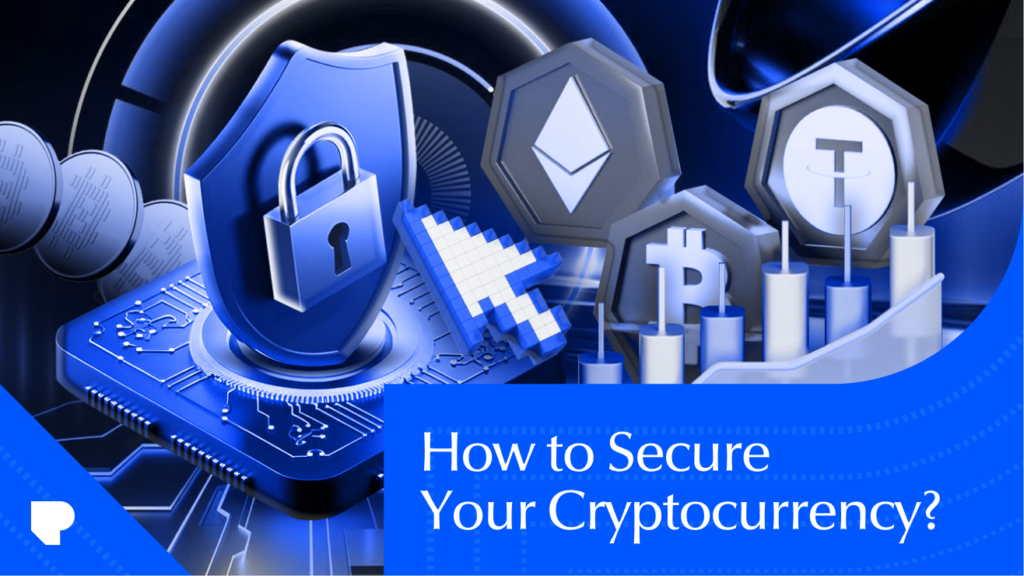
In an era defined by rapid technological advancement and unprecedented financial innovation, the question of how to secure cryptocurrency has transcended mere technical concern to become a paramount responsibility for every investor. As digital assets continue their inexorable rise in popularity and market capitalization, the safeguarding of private keys and digital wallets represents a critical, non-negotiable aspect of participation in this burgeoning economy. A single oversight, a moment of complacency, or the neglect of fundamental security protocols can precipitate irreversible losses, fundamentally altering an investor’s financial trajectory. This article delves into the essential strategies and advanced measures required to fortify digital investments, from the foundational choice of a wallet to the implementation of robust recovery plans, empowering individuals to take unequivocal control over their cryptocurrency’s safety.
The Evolving Threat Landscape: A History of Vulnerability and Resilience
The journey of cryptocurrency has been punctuated by periods of exponential growth alongside significant security challenges, forging a landscape where vigilance is not just recommended but absolutely essential. The inherent decentralized nature of many cryptocurrencies, while offering unparalleled autonomy, also places the onus of security squarely on the individual. Without robust protective measures, digital assets are perpetually exposed to a sophisticated array of threats including hacking, phishing, malware, and even accidental loss. Ownership in the cryptocurrency realm is inextricably linked to the possession and protection of private keys; a compromise of these cryptographic identifiers translates directly to the theft of funds, often without any viable recourse for recovery.
The history of cryptocurrency is replete with incidents that underscore this vulnerability. Early adopters remember the infamous collapse of Mt. Gox in 2014, which saw hundreds of millions of dollars in Bitcoin vanish, shaking investor confidence and highlighting the nascent industry’s security failings. Subsequent major breaches, such as the DAO hack in 2016 and the Bitfinex hack in 2016, continued to illustrate the severe consequences of inadequate platform security. More recently, the $625 million Ronin Bridge hack in March 2022 and the significant losses sustained during the FTX collapse in late 2022 served as stark reminders that even large, ostensibly secure entities are not immune to sophisticated attacks or internal malfeasance. According to Chainalysis, cryptocurrency-related crime, while declining in some areas, still saw billions of dollars stolen in 2022, primarily through hacks and scams. These events have not only driven significant financial losses but have also spurred an industry-wide push for more sophisticated security solutions and greater investor education.
This chronology of breaches has had profound implications, fostering a culture of heightened security awareness and accelerating the development of more resilient storage solutions. It has also underscored a critical lesson: while centralized exchanges offer convenience, they remain attractive targets for cybercriminals. The most effective defense against such online threats, a lesson learned through hard experience, is to store private keys offline, disconnected from the internet. Offline storage solutions, notably hardware wallets, ensure that private keys are shielded from online exposure. This method, when coupled with stringent password hygiene and multi-factor authentication, forms a formidable barrier against unauthorized access, making proactive security a fundamental necessity for safeguarding digital wealth.
Understanding the Wallet Spectrum: Navigating Custody and Control
The selection of an appropriate cryptocurrency wallet is a foundational decision in securing digital assets. The diverse array of options available necessitates a comprehensive understanding of each type’s unique characteristics, ranging from accessibility and convenience to security posture and advanced features like multi-signature capabilities.
Hot Wallets vs. Cold Wallets
- Hot Wallets: These wallets maintain a constant connection to the internet, making them highly convenient for frequent transactions and active trading. Examples include web-based platforms offered by exchanges (e.g., Coinbase, Binance), desktop applications, and mobile wallets. While their online connectivity facilitates ease of use, it simultaneously exposes them to a higher degree of cyber threats, including hacking, phishing, and malware attacks. For instance, funds held on exchanges are often vulnerable to large-scale breaches that affect the platform itself, as seen in numerous historical incidents.
- Cold Wallets (Cold Storage): In stark contrast, cold storage wallets keep private keys entirely offline, providing the highest level of security. Devices such as hardware wallets (e.g., Ledger, Trezor) are purpose-built to store private keys in an isolated, secure chip, signing transactions offline before broadcasting them to the network. Paper wallets, though less common now due to usability challenges, also represent a form of cold storage where keys are physically printed. Cold storage is predominantly favored for long-term holding of significant cryptocurrency amounts, as it drastically minimizes exposure to online risks and eliminates many common attack vectors. Industry experts universally recommend cold storage for substantial holdings, emphasizing the "air-gapped" security it provides.
Custodial vs. Non-Custodial Wallets
- Custodial Wallets: In a custodial arrangement, a third party, typically a cryptocurrency exchange or a specialized custody service, manages your private keys on your behalf. While this simplifies the user experience by abstracting away the complexities of key management, it introduces a reliance on the third party’s security infrastructure and integrity. The adage "not your keys, not your crypto" profoundly applies here, as users relinquish direct control over their assets, becoming dependent on the custodian to safeguard their funds. The FTX collapse is a vivid example of the risks associated with custodial services, where users lost access to their funds due to the platform’s insolvency.
- Non-Custodial Wallets: These wallets empower users with full and exclusive control over their private keys. This means only the individual can access, move, or manage their funds, embodying the core ethos of decentralization and self-sovereignty in cryptocurrency. Non-custodial options are ideal for those who prioritize independence and maximum security, accepting the responsibility that comes with managing their own keys. Combining non-custodial wallets with advanced features like multi-signature (multi-sig) technology can further enhance protection by requiring multiple distinct approvals for any transaction, effectively distributing control and mitigating single points of failure.
Fortifying Your Digital Fortress: Essential Security Protocols

Securing a cryptocurrency wallet demands a proactive, multi-layered approach to shield digital assets from a constantly evolving threat landscape. From the initial setup of a wallet to the ongoing management of access credentials, each step is critical in safeguarding funds.
- Embrace a Password Manager: The first line of defense for any digital asset is a robust, unique password. A reputable password manager is an indispensable tool for generating and securely storing complex, unique passwords for all cryptocurrency-related accounts and wallets. This eliminates the common and dangerous practice of reusing passwords or opting for easily guessable ones. The initial setup of any crypto wallet software must be undertaken with extreme caution; always download wallet software exclusively from official developer websites or verified app stores to prevent installing malicious versions designed to steal funds.
- Activate Two-Factor Authentication (2FA): 2FA adds a crucial secondary layer of security, significantly impeding unauthorized access even if a password is compromised. This typically involves requiring a second verification step, such as a time-based one-time password (TOTP) generated by an authenticator app (e.g., Google Authenticator, Authy) or a code sent to a registered mobile device. While SMS-based 2FA offers convenience, it is generally considered less secure than authenticator apps due to potential SIM-swap attacks. Industry security experts consistently recommend using authenticator apps for superior protection.
- Prioritize Offline Storage for Private Keys: As highlighted earlier, storing private keys offline is arguably the single most effective measure against online threats like hacking, phishing, and malware. Hardware wallets are specifically engineered for this purpose, keeping keys isolated from internet-connected devices. This "air-gapped" approach ensures that even if a user’s computer is compromised, their private keys remain inaccessible to cybercriminals. Offline storage is a cornerstone of robust wallet security, transforming a potential online vulnerability into an isolated, secure bastion.
- Maintain Up-to-Date Wallet Software and Firmware: Cryptocurrency wallet software, much like any other digital application, is subject to continuous development and security enhancements. Developers frequently release updates to address newly discovered vulnerabilities, patch bugs, and improve overall functionality. Neglecting these updates can leave a wallet exposed to known threats that have already been mitigated in newer versions. For hardware wallets, regularly updating the firmware is equally vital. Users must make it a consistent habit to check for and apply updates directly from the official sources to ensure their wallet’s security features are always current.
Protecting Your Private Keys and Seed Phrases: The Ultimate Responsibility
Your private keys and their human-readable equivalent, seed phrases (also known as recovery phrases or mnemonic phrases), are the absolute backbone of your cryptocurrency security. These are the master credentials that grant irrevocable access to your funds, making their protection the highest priority. The importance of storing your private keys offline cannot be overstated; hardware wallets exemplify this by physically disconnecting your keys from any internet-connected environment, drastically reducing the risk of hacking or unauthorized digital access. It is paramount to never, under any circumstances, share your private keys or seed phrases with anyone, regardless of their purported role or authority, as doing so immediately compromises the security of your entire digital asset portfolio.
To further safeguard your seed phrase, which is essentially the recovery mechanism for your entire wallet, it must be stored in a secure, physical location, ideally impervious to environmental hazards. Writing it down on high-quality paper or engraving it onto metal plates (e.g., cryptosteel) and storing these in a fireproof and waterproof safe, or a secure deposit box, ensures they remain inaccessible to cyber threats. It is also a critical best practice to create multiple backups of your seed phrase and store them in geographically separate, secure locations. This redundancy prevents the catastrophic loss of funds due to a single unforeseen event such as fire, flood, or theft at one location. Legacy planning, which involves instructing trusted individuals on how to access these backups in the event of your incapacitation or death, is also an important consideration for long-term asset protection.
How to Use Hardware Wallets Safely: Best Practices for Cold Storage
Hardware wallets are widely recognized as one of the most secure methods for storing cryptocurrency. However, their effectiveness is directly contingent upon their correct and safe usage. Adhering to specific precautions ensures that private keys remain protected from potential threats.
- Purchase Exclusively from Official Sources: Always acquire your hardware wallet directly from the manufacturer’s official website or an authorized, reputable retailer. This critical step mitigates the risk of receiving a tampered or compromised device. Avoid purchasing second-hand wallets or those from unofficial third-party vendors, as their integrity and security cannot be guaranteed.
- Set Up in a Secure Environment: The initial setup and initialization of your hardware wallet should always occur in a private and secure physical location. Crucially, avoid using public Wi-Fi networks or shared computers during this process. This ensures that your newly generated private keys and seed phrases are not inadvertently exposed to potential eavesdroppers or malicious software.
- Regularly Update Firmware: Hardware wallet manufacturers frequently release firmware updates to address security vulnerabilities, enhance features, and improve overall device performance. Keeping your hardware wallet’s firmware up to date is essential for benefiting from the latest security best practices and protection mechanisms. Neglecting these updates can leave your device vulnerable to known exploits.
- Utilize a Strong PIN and Secure Backup: Establish a strong, unique Personal Identification Number (PIN) for your hardware wallet to prevent unauthorized physical access. This PIN acts as a local lock on the device. Concurrently, meticulously create and securely store a backup of your seed phrase offline, as described previously. This seed phrase is your ultimate recovery mechanism, ensuring you can restore access to your funds if the hardware wallet is ever lost, stolen, or damaged.
Navigating the Treacherous Waters: Avoiding Common Crypto Scams
The allure of quick riches in the cryptocurrency space has regrettably attracted a multitude of fraudsters, making vigilance against scams and security breaches an absolute necessity. Protecting oneself requires constant awareness and skepticism.
- Phishing Attacks: These remain a pervasive threat, involving deceptive emails, social media messages, or fake websites designed to mimic legitimate platforms. Their goal is to trick users into revealing private keys, seed phrases, or login credentials. Always verify URLs, scrutinize sender addresses, and never click on suspicious links.
- Romance Scams and "Pig Butchering": These insidious scams involve building emotional relationships with victims online, gradually convincing them to invest in fake cryptocurrency platforms or schemes, often draining their life savings. The perpetrators are patient and manipulative.
- Fake ICOs and Rug Pulls: Fraudulent Initial Coin Offerings (ICOs) or token launches promise high returns but are designed to abscond with investor funds once sufficient capital is raised. "Rug pulls" occur when developers suddenly abandon a project, draining its liquidity and leaving investors with worthless tokens. Thorough due diligence and research are critical before investing in new projects.
- Impersonation Scams: Scammers frequently impersonate customer support, government officials, or well-known crypto figures to trick victims into sending funds or revealing sensitive information. Always verify identities through official channels and be wary of unsolicited contact.
- Malware and Ransomware: Malicious software can infiltrate devices to steal wallet information or encrypt files, demanding cryptocurrency for their release. Keeping operating systems and antivirus software updated, and exercising caution with downloads, is paramount.
According to the Federal Trade Commission, consumers lost over $1 billion to crypto scams in 2021 alone, highlighting the significant financial impact of these illicit activities. The critical defense against such schemes is a healthy dose of skepticism: if an offer sounds too good to be true, it almost certainly is.
The Role of Exchanges: Custody, Convenience, and Risk Mitigation
While the emphasis on self-custody is strong, cryptocurrency exchanges play an undeniable role in the ecosystem, serving as primary gateways for buying, selling, and trading digital assets. Reputable, verified exchanges implement a robust suite of security measures, including advanced encryption, mandatory two-factor authentication (2FA), and often, insurance coverage for specific types of losses, to safeguard user funds. Platforms like Coinbase, Binance, and Kraken frequently undergo security audits and adhere to regulatory compliance standards, striving to offer a relatively secure environment for managing cryptocurrency. Choosing a trusted exchange with a proven track record and transparent policies significantly reduces the risk of hacking or fraud associated with the platform itself.

However, even the most secure exchanges remain centralized points of failure, making them attractive targets for sophisticated cyberattacks. Historical incidents confirm that funds held on exchanges, while convenient for trading, carry an inherent counterparty risk. Therefore, a crucial best practice is to minimize the amount of cryptocurrency stored on exchanges, especially for long-term holdings. The optimal strategy involves transferring significant portions of funds to a secure, non-custodial wallet, particularly a hardware wallet that keeps private keys offline. Combining the convenience of a verified trading platform with stringent personal security protocols for offline storage creates a significantly lower risk profile for investments.
Cryptocurrency Recovery and Backup Strategies: Preparing for the Unforeseen
Effective cryptocurrency recovery and backup strategies are indispensable for ensuring long-term accessibility and security of assets. Given the irreversible nature of blockchain transactions and the critical importance of private keys, meticulous planning is essential.
- Secure Seed Phrase Backups: The seed phrase is the ultimate recovery mechanism. As previously discussed, write it down accurately on paper or engrave it on metal and store it in multiple, geographically dispersed, secure physical locations (e.g., a fireproof safe, a bank deposit box, a trusted friend’s safe).
- Regular Verification of Backups: Periodically (e.g., annually) verify the legibility and integrity of your seed phrase backups without exposing them unnecessarily. Do not input your seed phrase into any online device for verification unless absolutely necessary for a recovery process on a secure, wiped device.
- Use a Dedicated, Secure Device for Recovery: If you ever need to use your seed phrase to recover a wallet, ideally do so on a freshly wiped or new device in an offline environment to minimize the risk of keyloggers or malware intercepting the phrase.
- Multi-Signature Wallets for Enhanced Security: For larger holdings or institutional use, multi-signature wallets require multiple independent keys to authorize a transaction. This "M-of-N" signature scheme provides significant resilience against single points of failure, whether due to loss, theft, or compromise of a single key.
- Legacy Planning and Trusted Contacts: Due to the unique nature of digital assets, traditional inheritance methods may not apply. Consider a carefully constructed legacy plan that outlines how trusted individuals can access your seed phrases or recovery instructions in the event of your incapacitation or death. This may involve legal agreements or specialized digital asset inheritance services, ensuring your digital wealth can be passed on.
Conclusion: Empowering Investors in the Digital Frontier
Securing cryptocurrency in the modern digital landscape demands a sophisticated combination of strong security practices, continuous education, and informed decision-making. From diligently protecting private keys through offline storage solutions to judiciously selecting verified platforms for transactions, every implemented measure plays a crucial role in safeguarding digital assets. The proactive implementation of robust recovery and backup strategies ensures that access to funds can be maintained even in the face of unforeseen circumstances or technological failures. By prioritizing these comprehensive security measures, investors can confidently navigate the complexities of the cryptocurrency market, protect their valuable investments, and maintain sovereign control over their rapidly appreciating digital wealth. The journey into the digital frontier is exhilarating, but it is one that must be undertaken with unwavering commitment to security.
FAQs
What is the best way to store my cryptocurrency securely?
The most secure method for storing cryptocurrency is by using a hardware wallet to keep your private keys offline. Additionally, creating multiple, accurate backups of your seed phrase and storing them in diverse, secure physical locations (e.g., fireproof safes) is crucial.
How can I recover my crypto if I lose access to my wallet?
You can recover your cryptocurrency using your seed phrase. This alphanumeric phrase, generated during your wallet’s initial setup, is the master key to your funds. Ensure it is meticulously backed up, stored offline, and kept in multiple secure locations to facilitate recovery.
Is a hardware wallet safer than a software wallet?
Yes, a hardware wallet is inherently safer than a software wallet for storing significant amounts of cryptocurrency. This is because hardware wallets store your private keys in an isolated, secure chip that remains offline, significantly reducing exposure to online threats like malware, hacking, and phishing attacks that can compromise software wallets.
How do I secure my crypto wallet from hackers?
To secure your crypto wallet from hackers, implement several key measures: use strong, unique passwords for all accounts, enable two-factor authentication (2FA) with an authenticator app, store your private keys offline using a hardware wallet, and regularly update your wallet software and device firmware. Always be vigilant against phishing attempts and verify all sources.