
 Dwi Wanna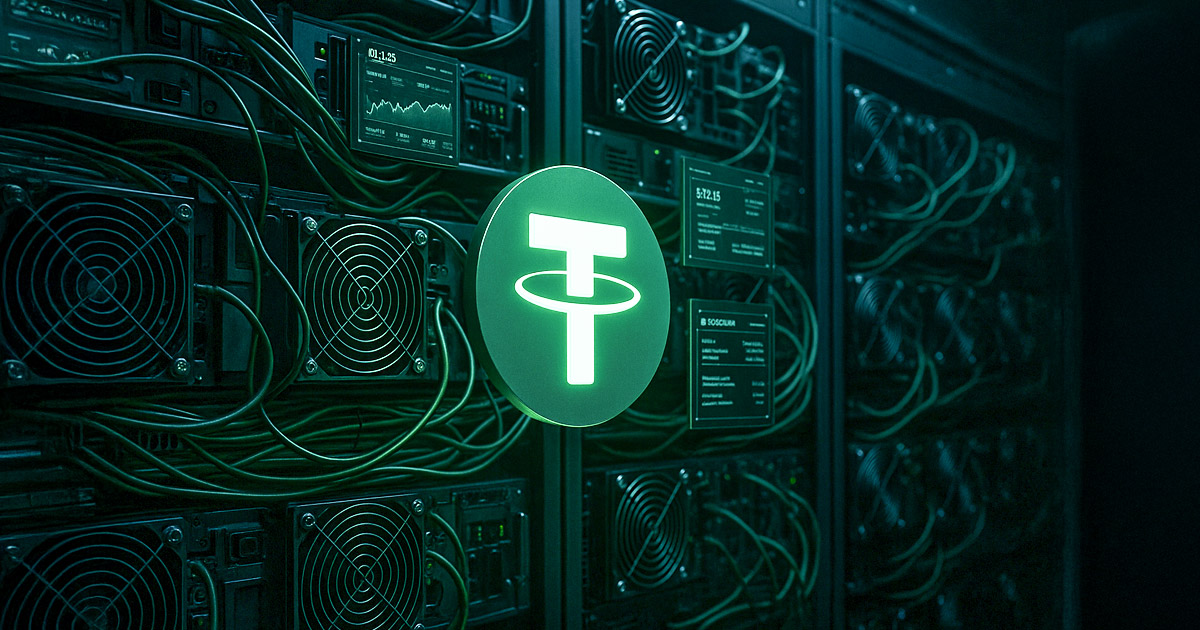
Tether, the company behind the world’s most widely used stablecoin, USDT, has announced a strategic initiative to release its proprietary Bitcoin Mining Operating System (MOS) as open-source software. This decision, spearheaded by CEO Paolo Ardoino, is designed to lower the entry barriers for new participants in the Bitcoin mining sector, potentially reshaping the competitive landscape of the industry. By making the MOS code publicly available by the end of 2025, Tether aims to provide small-scale and independent miners with the same high-level management tools currently reserved for massive, publicly traded mining corporations.
The announcement, delivered via a series of communications from top executives on June 9, signals a significant pivot for Tether as it seeks to move beyond its core business of digital asset issuance. Ardoino emphasized that the release of the MOS is a direct effort to fuel greater competition and enhance the overall security of the Bitcoin network. By providing a robust, free-to-use software foundation, Tether intends to eliminate the reliance on third-party hosted software, which often comes with high licensing fees or restrictive terms that can disadvantage smaller operations.
The Strategic Vision for a Decentralized Mining Ecosystem
The core philosophy behind the open-source debut is the democratization of infrastructure. Currently, the Bitcoin mining industry is characterized by a significant divide between institutional players—who possess the capital to develop or purchase sophisticated management software—and smaller enthusiasts or local businesses. Ardoino’s vision is to create a "level playing field" where the size of a company’s balance sheet does not dictate the efficiency of its mining operations.
According to Ardoino, the introduction of the MOS will allow a "horde of new Bitcoin mining companies" to enter the market. The software is designed to be highly modular and scalable, capable of managing hardware ranging from a single Raspberry Pi setup to industrial-scale mining farms featuring redundant server architectures. This flexibility is critical for fostering a more decentralized network, as it allows entities with surplus energy—such as small hydroelectric plants or industrial sites with excess heat—to easily integrate Bitcoin mining into their existing operations without specialized software expertise.
The move comes at a pivotal time for the Bitcoin network. Following the 2024 halving event, which reduced the block reward from 6.25 BTC to 3.125 BTC, the importance of operational efficiency has never been higher. With thinner profit margins, the ability to optimize hardware performance, manage cooling systems, and monitor real-time data becomes the difference between profitability and insolvency. Tether’s MOS aims to provide these optimization tools for free, effectively reducing the overhead costs for the entire mining community.
Technical Architecture and Versatility of the Mining OS
Giw Zanganeh, Tether’s Vice President of Energy and Mining, provided further insight into the technical capabilities of the software. He noted that the MOS architecture is built on a resilient and scalable structure that the company believes will eventually become the industry standard. The software is not merely a monitoring tool; it is a comprehensive management suite that includes built-in modules for controlling a wide variety of popular mining hardware (ASICs) and managing diverse cooling environments, including air-cooled and immersion-cooled setups.
One of the most significant features of the MOS is its plugin-based design. This allows developers within the Bitcoin community to create and share new plugins tailored to specific or experimental equipment. This open-ended approach ensures that the software can evolve alongside hardware innovations, rather than being limited by the development cycle of a single vendor.
Furthermore, the MOS is designed to be "vendor-neutral," a departure from the proprietary firmware often provided by hardware manufacturers. Many existing firmware options include hidden "dev fees"—a percentage of the miner’s hash rate that is automatically redirected to the software developer. By offering an open-source alternative, Tether provides a path for miners to keep 100% of their earned rewards, further improving the economics of small-scale mining.
Chronology of Development and Launch Timeline
While the announcement has generated significant interest within the crypto-infrastructure community, the transition to open-source will be a phased process. Ardoino clarified that the immediate focus for the Tether development team is the preparation of comprehensive technical documentation. This documentation is essential for ensuring that the open-source community can effectively use, modify, and contribute to the code.
The current timeline suggests that the technical documentation will be finalized and released by the fourth quarter of 2024. Following this, the full source code for the Mining OS is expected to be debuted throughout 2025. This deliberate pace is intended to ensure the software is stable and secure before it is deployed across the global mining fleet.
Tether’s foray into mining software is not a sudden development but the result of several years of internal investment. The company has been aggressively expanding its physical mining footprint, with major projects announced in El Salvador, Uruguay, and across Africa. The MOS was initially developed to manage Tether’s own growing hash rate, meaning the software has already been "battle-tested" in high-stakes, industrial environments before being offered to the public.
Integration of Artificial Intelligence and Real-Time Analytics
A notable addition to the MOS roadmap is the integration of Tether’s decentralized artificial intelligence platform, known as QVAC. This integration aims to move mining management from reactive to predictive. By utilizing machine learning algorithms, the MOS will be able to analyze performance reporting and real-time data to help miners fine-tune their operations with unprecedented precision.
AI-driven optimization can address several critical challenges in mining:
- Predictive Maintenance: Identifying patterns that precede hardware failure, allowing miners to replace components before they cause significant downtime.
- Energy Management: Automatically adjusting hash rate based on real-time electricity prices or grid demand, which is particularly useful for miners operating on renewable energy sources with variable output.
- Thermal Optimization: Fine-tuning fan speeds and cooling systems to maintain optimal chip temperatures, thereby extending the lifespan of expensive ASIC hardware.
Ardoino noted that these AI enhancements would be particularly beneficial for smaller businesses that may not have the resources to employ full-time data analysts. By automating the optimization process, Tether is effectively "exporting" its high-level operational expertise to every user of the software.
Tether’s Broader Diversification and Market Implications
The release of the Mining OS is a key pillar of Tether’s broader strategy to diversify its business model. While Tether remains the dominant force in the stablecoin market, with USDT boasting a market capitalization exceeding $110 billion, the company is increasingly positioning itself as a "technology powerhouse" rather than just a financial services provider.
Under Ardoino’s leadership, Tether has restructured into several key divisions, including Tether Data (focused on AI and peer-to-peer communication), Tether Finance (the core stablecoin business), Tether Power (Bitcoin mining and energy), and Tether Edu (education and digital skills). This diversification is funded by the substantial profits generated from Tether’s reserves, which are largely held in U.S. Treasuries and other highly liquid assets.
By investing in the infrastructure of the Bitcoin network, Tether is also engaging in a form of "vertical integration." As a company whose success is deeply intertwined with the health of the broader crypto ecosystem, ensuring the decentralization and security of the Bitcoin network serves Tether’s long-term interests. A more robust and distributed mining sector makes the network more resistant to censorship and centralized control, which in turn bolsters the utility of USDT as a settlement layer.
Industry Reaction and Competitive Landscape
The announcement has been met with a mix of optimism and scrutiny from industry analysts. Supporters argue that a free, high-quality OS will disrupt the current monopoly held by a few firmware providers and could lead to a renaissance in home-based or "garage" mining. They point to the success of other open-source projects in the space, such as the Stratum V2 protocol, as evidence that collaborative software development can significantly improve network efficiency.
However, some skeptics question the influence Tether may gain over the mining sector by providing the "industry standard" software. While the code will be open-source, the widespread adoption of a single platform—even a free one—raises questions about software monocultures. Critics will likely be looking closely at the licensing terms to ensure the software remains truly free from backdoors or centralized kill-switches.
Despite these concerns, the economic pressure of the post-halving environment is likely to drive high adoption rates. If Tether can deliver a product that increases uptime and reduces costs, the incentive for miners to switch from proprietary solutions will be substantial.
Conclusion: Shaping the Future of the Financial System
The debut of Tether’s open-source Mining OS represents a significant milestone in the evolution of Bitcoin infrastructure. By transitioning from a proprietary internal tool to a public good, Tether is attempting to redefine the role of major crypto corporations in supporting the underlying protocols they rely on.
As the 2025 launch date approaches, the industry will be watching to see if this "democratization" of software leads to a tangible shift in the distribution of Bitcoin’s hash rate. If successful, Tether’s MOS could not only lower the barriers to entry for thousands of new miners but also solidify Tether’s position as a dominant, multi-faceted force in the global financial and technological landscape. For Ardoino and his team, the goal is clear: to ensure that the tools needed to secure the world’s most valuable decentralized network are available to everyone, regardless of their size or location.