admin
admin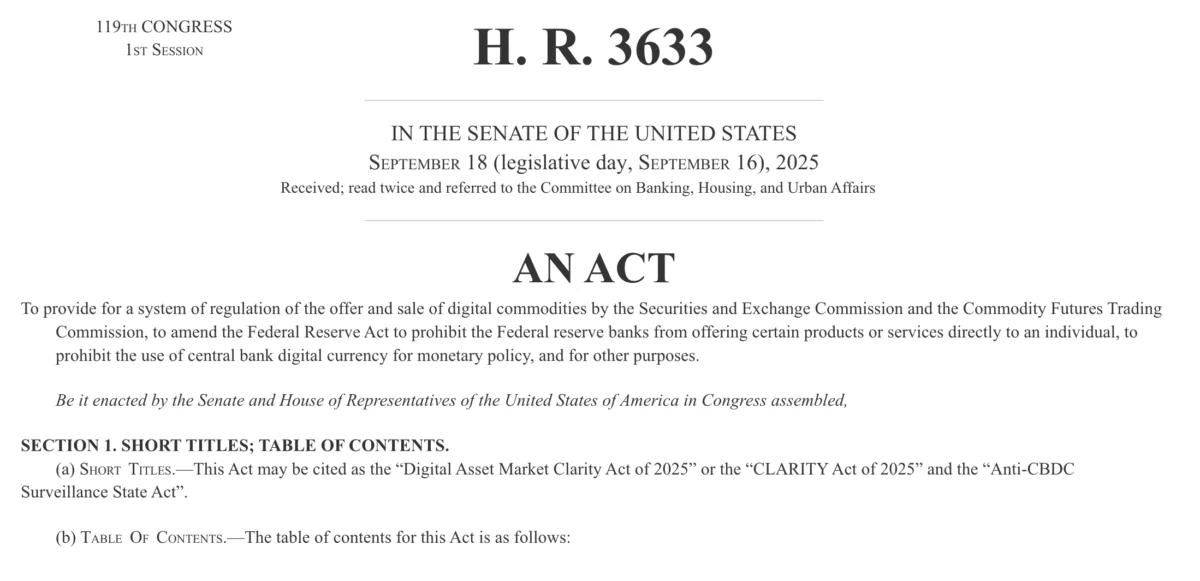
Rumors have solidified into reports indicating that a significant breakthrough has been achieved in Washington D.C., with a tentative deal reportedly struck between the White House and key US lawmakers concerning stablecoin yield. This agreement is seen as a crucial step that could finally advance the long-stalled CLARITY crypto market structure bill, potentially bringing much-needed regulatory clarity to the burgeoning digital asset space. The development comes after months of intense negotiations and industry debate, highlighting the complex interplay between financial innovation and traditional banking concerns.
The Agreement in Principle: Details and Participants
According to a Friday report from Politico, Republican Senator Thom Tillis and Democratic Senator Angela Alsobrooks, both influential members of the Senate Committee on Banking, Housing, and Urban Affairs, have reached an "agreement in principle." This bipartisan consensus marks a pivotal moment, as the issue of stablecoin yield has been a primary sticking point preventing the CLARITY Act from progressing. Senator Alsobrooks articulated the dual objectives of the deal, stating, "I think what it will do is to allow us to protect innovation, but also gives us the opportunity to prevent widespread deposit flight." She further clarified that a key provision of this agreement prohibits stablecoin yield on "passive balances," a measure designed to address the concerns raised by traditional financial institutions.
While the agreement in principle signals significant progress, specific details regarding its exact contours remain sparse. Senator Tillis emphasized that the digital asset industry must thoroughly vet the proposed agreement before its finalization, underscoring the need for industry buy-in and practical feasibility. This consultative approach suggests that while a broad framework has been established, finer points and technical implementations will still require careful consideration and potential adjustments. Cointelegraph reached out to the White House for further details on the prospective deal but did not receive a response by the time of publication, indicating the sensitive and ongoing nature of the discussions.
The CLARITY Act: A Stalled Legislative Journey
The Digital Asset Market Clarity Act of 2025, commonly known as the CLARITY Act, represents a cornerstone piece of proposed legislation aimed at establishing a comprehensive regulatory framework for digital assets in the United States. Its passage has been widely anticipated, especially after the GENIUS stablecoin framework was signed into law, which many saw as a precursor to broader crypto regulation. The GENIUS Act itself provided a foundational structure for stablecoin issuance, but the CLARITY Act sought to delve deeper into market structure, consumer protection, and the classification of digital assets.
However, the CLARITY Act encountered significant headwinds and stalled in January. The primary obstacle revolved around the contentious issue of whether stablecoin issuers should be permitted to share yield with token holders. Major industry players, including prominent crypto exchange Coinbase, voiced concerns over certain provisions of the bill, particularly those related to yield mechanisms. Critics from within the crypto community, such as a Gnosis executive, even suggested that the initial draft of the CLARITY Act risked consolidating power within centralized entities, potentially stifling the decentralized ethos of the wider crypto ecosystem. This pushback from both industry leaders and decentralized finance (DeFi) advocates highlighted the delicate balance lawmakers sought to strike between fostering innovation and implementing robust oversight.
Stablecoins and Yield: Understanding the Core Conflict
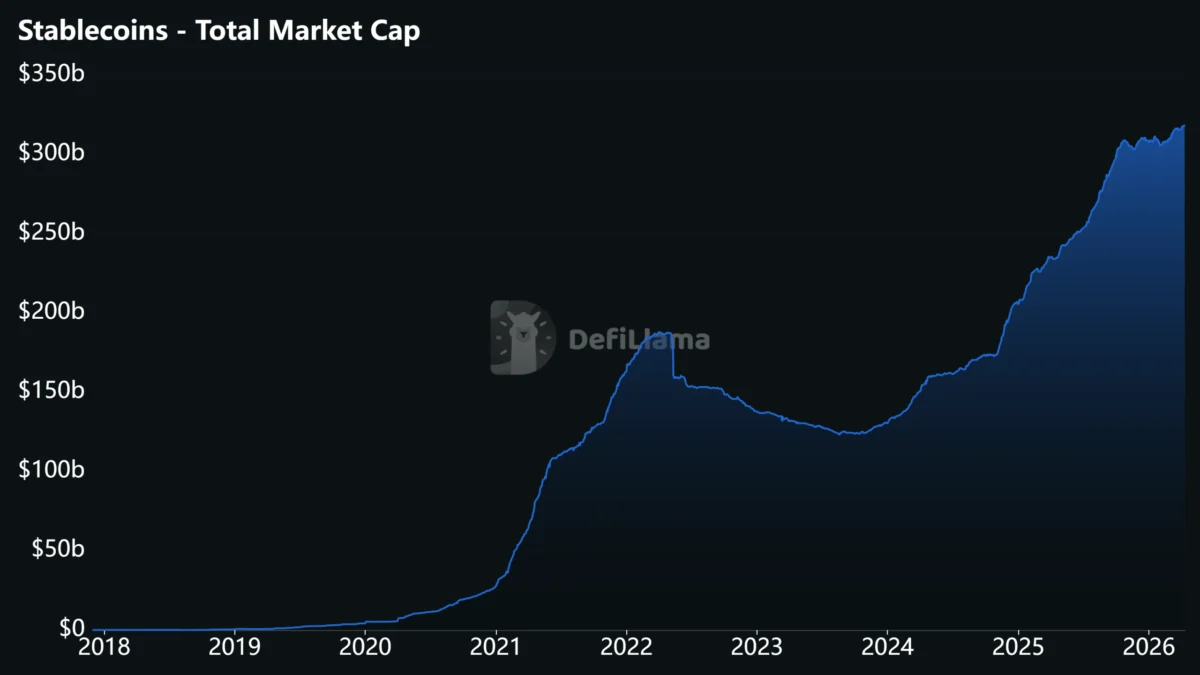
To fully appreciate the significance of this tentative deal, it’s essential to understand the nature of stablecoins and the concept of "yield" in the digital asset landscape. Stablecoins are cryptocurrencies designed to maintain a stable value relative to a specific fiat currency, typically the US dollar, or another asset. They achieve this stability through various mechanisms, such as being fully backed by reserves of fiat currency, commodities, or other cryptocurrencies. They serve as a crucial bridge between the volatile crypto market and the traditional financial system, facilitating trading, lending, and payments within the digital economy. The global stablecoin market has seen exponential growth, with its market capitalization often exceeding $150 billion, underpinning a significant portion of daily crypto trading volume.
"Yield" in the context of stablecoins refers to the returns or interest earned by holding or staking these digital assets. In the decentralized finance (DeFi) ecosystem, stablecoins can be lent out through protocols, pooled in liquidity pools, or staked to earn returns that often significantly outpace traditional savings account interest rates. For instance, while a typical US savings account might offer an annual percentage yield (APY) of less than 1%, certain DeFi protocols or centralized crypto platforms have historically offered stablecoin yields ranging from 3% to 10% or even higher, depending on market conditions and risk. This disparity in potential returns is at the heart of the conflict between the innovative potential of crypto and the protective stance of traditional banking.

Banking Industry’s Concerns: Deposit Flight and Market Share
The banking industry has been a vocal opponent of yield-bearing stablecoins, articulating serious concerns about their potential impact on the traditional financial system. Their primary fear revolves around "deposit flight" – the potential for customers to withdraw funds from conventional bank accounts, which offer historically low interest rates, and instead move them into stablecoin platforms that promise higher yields. This concern is not unfounded; a substantial shift of capital could erode the deposit base of banks, impacting their ability to lend and conduct their core business operations.
Beyond deposit flight, banks also worry about the "erosion of banking market share." The rise of digital assets and the ease with which stablecoins can facilitate transactions and generate returns threaten the traditional intermediary role played by banks. They argue that unregulated or lightly regulated yield-bearing stablecoins could create an uneven playing field, allowing crypto platforms to operate with fewer regulatory burdens while directly competing for consumer deposits. This sentiment was echoed in previous reports where bankers pushed back against even the GENIUS stablecoin Act, highlighting their deep-seated apprehensions about the encroachment of digital assets into their traditional domain. For banks, ensuring the stability and integrity of the financial system often translates into maintaining clear regulatory boundaries and preventing what they perceive as unregulated shadow banking activities.
The White House Perspective: Dismissing Overblown Fears
Contrary to the banking industry’s dire warnings, the White House has previously indicated a more nuanced perspective on the impact of stablecoin yields. Patrick Witt, the executive director of the White House Council of Advisors for Digital Assets, has publicly stated that these concerns regarding deposit flight are "overblown." Witt argued that rather than draining capital from the traditional system, the legalization and regulation of dollar-pegged yield-bearing stablecoins could actually usher in a "wave of fresh capital" into the US banking industry.
Witt’s perspective suggests a belief that a well-regulated stablecoin market could complement, rather than compete destructively with, the existing financial infrastructure. By integrating stablecoins more formally, banks could potentially participate in the digital asset economy, offering regulated stablecoin services or even acting as custodians for stablecoin reserves. This view aligns with a broader governmental interest in fostering innovation within the US and ensuring its leadership in the rapidly evolving global digital economy, rather than simply suppressing new technologies out of fear. The White House’s engagement in this deal underscores its commitment to finding a balanced path forward.
Key Voices on Capitol Hill: Advocacy and Progress
The recent breakthrough is also a testament to the persistent efforts of key legislative figures who have championed digital asset policy on Capitol Hill. Wyoming Senator Cynthia Lummis, a prominent advocate for comprehensive crypto regulation, expressed palpable optimism earlier in the week. Speaking at the DC Blockchain Summit on Wednesday, Senator Lummis declared, "We are so close" to passing a comprehensive crypto regulatory framework, a statement that now appears to be validated by the emerging news of the deal.
A spokesperson for Senator Lummis further elaborated on Wednesday, informing Cointelegraph that a deal was expected to materialize "in the next few days." The spokesperson also noted that Senator Lummis was actively working to "hammer out ethics language in the bill," suggesting a thorough approach to ensuring the framework is not only effective but also fair and transparent. Senator Lummis’s continuous engagement, often in collaboration with other bipartisan senators, has been instrumental in keeping the conversation around digital asset regulation alive and pushing for actionable legislative outcomes, bridging divides between different political factions and industry stakeholders.
Chronology of Key Developments
The journey of the CLARITY Act and the broader stablecoin debate has unfolded over several key phases:

- Early 2025: The Digital Asset Market Clarity Act of 2025 (CLARITY Act) is introduced, aiming to provide a comprehensive market structure for digital assets.
- Late 2025: The GENIUS stablecoin framework is signed into law, establishing foundational rules for stablecoin issuance and operation, creating optimism for subsequent crypto legislation.
- January 2026: The CLARITY Act stalls in Congress due to disagreements, primarily centered on whether stablecoin issuers should be allowed to offer yield to token holders. Major industry players like Coinbase voice concerns.
- Wednesday, March 2026: Senator Cynthia Lummis speaks at the DC Blockchain Summit, expressing high confidence in an imminent breakthrough on crypto regulation, stating "We are so close." Her spokesperson indicates a deal is expected "in the next few days" and that Lummis is addressing "ethics language."
- Friday, March 2026: Politico reports an "agreement in principle" between Senators Thom Tillis, Angela Alsobrooks, and the White House on stablecoin yield, specifically prohibiting yield on "passive balances," clearing a major hurdle for the CLARITY Act.
This timeline illustrates the protracted nature of legislative processes, especially when dealing with novel and complex technologies like digital assets, but also highlights the recent acceleration towards a resolution.
Implications for the Digital Asset Ecosystem
The potential passage of the CLARITY Act, spurred by this stablecoin yield agreement, carries profound implications for the entire digital asset ecosystem.
- For Stablecoin Issuers: Companies like Tether, Circle (issuer of USDC), and Paxos would gain unprecedented regulatory certainty. The prohibition on yield for "passive balances" would necessitate a clear distinction between passive holding and active participation in lending or other yield-generating protocols. This could lead to a bifurcation of stablecoin products, with some explicitly designed for yield and others for transactional use, each operating under distinct regulatory guidelines.
- For Decentralized Finance (DeFi): The deal’s nuances, particularly around "passive balances," will be critical for DeFi protocols. If the prohibition is narrowly defined, it might allow for yield generation through active participation (e.g., providing liquidity to a decentralized exchange), while restricting it for simple custodial holdings. This could push DeFi innovation towards more transparent and auditable yield mechanisms.
- For Traditional Banks: While they may not get everything they desired (a complete ban on all stablecoin yield), the restriction on "passive balances" offers a degree of protection against immediate, widespread deposit flight. Furthermore, a regulated stablecoin market could open doors for banks to offer new digital asset services, acting as regulated intermediaries or participating in the underlying infrastructure.
- For US Competitiveness: A clear and comprehensive regulatory framework is vital for the United States to maintain its leadership in financial innovation. Countries like the UK, EU, and various Asian nations are rapidly developing their own digital asset regulations. Passing the CLARITY Act would signal US commitment to fostering a robust and responsible digital asset economy, potentially attracting investment and talent.
- For Investors and Consumers: Clarity typically translates to enhanced consumer protection. A defined regulatory environment would likely bring greater transparency, accountability, and safeguards against fraud and mismanagement, thereby increasing confidence in stablecoins and the broader crypto market.
Consumer Protection and Innovation Balance
Senator Alsobrooks’ statement about protecting innovation while preventing deposit flight perfectly encapsulates the inherent tension lawmakers face. On one hand, stifling all yield mechanisms could cripple a significant aspect of crypto’s innovative potential, particularly in DeFi, which aims to create more efficient and inclusive financial services. On the other hand, unchecked yield offerings, especially those promising unsustainably high returns without adequate risk disclosures or capital backing, could pose systemic risks and harm unsuspecting consumers, echoing past financial crises.
The "agreement in principle" appears to be an attempt to find a middle ground. By distinguishing between "passive balances" and other forms of yield generation, the framework could aim to protect the most vulnerable consumers who might simply hold stablecoins without fully understanding the associated risks of yield programs, while still allowing for sophisticated, regulated yield opportunities for informed participants. This approach could set a precedent for future crypto regulations, prioritizing consumer safety without entirely sacrificing the promise of technological advancement.
The Road Ahead: Industry Vetting and Finalization
While the announcement of an "agreement in principle" is a significant step, it is by no means the final chapter. Senator Tillis’s insistence on industry vetting highlights the need for practicality and acceptance from the digital asset community. This vetting process will involve detailed discussions with stablecoin issuers, exchanges, DeFi protocols, and other stakeholders to ensure the proposed regulations are workable and do not inadvertently create new problems or stifle legitimate innovation. Feedback from these entities will be crucial in refining the bill’s language and ensuring its effectiveness.
Following successful industry vetting, the CLARITY Act would still need to navigate the full legislative process, including committee votes, potential amendments, and ultimately, votes in both the Senate and the House of Representatives. Given the bipartisan nature of this agreement in principle, and the White House’s reported involvement, the bill’s chances of passage have significantly increased. However, legislative processes are inherently complex, and unforeseen challenges can always emerge.
Conclusion: A Pivotal Moment for US Crypto Policy
The tentative deal on stablecoin yield represents a pivotal moment for digital asset regulation in the United States. It signifies a mature recognition by policymakers of the growing importance of stablecoins and the broader crypto economy. By addressing the thorny issue of yield, lawmakers are not just clearing a path for the CLARITY Act, but are also laying foundational principles for how traditional finance and innovative digital assets can coexist and evolve within a regulated framework. Should this agreement hold and the CLARITY Act move forward, it could usher in an era of greater certainty, security, and sustained growth for the US digital asset market, solidifying its position on the global stage. The eyes of the financial world, both traditional and digital, will now be keenly watching as the details emerge and the legislative process continues.