
 admin
admin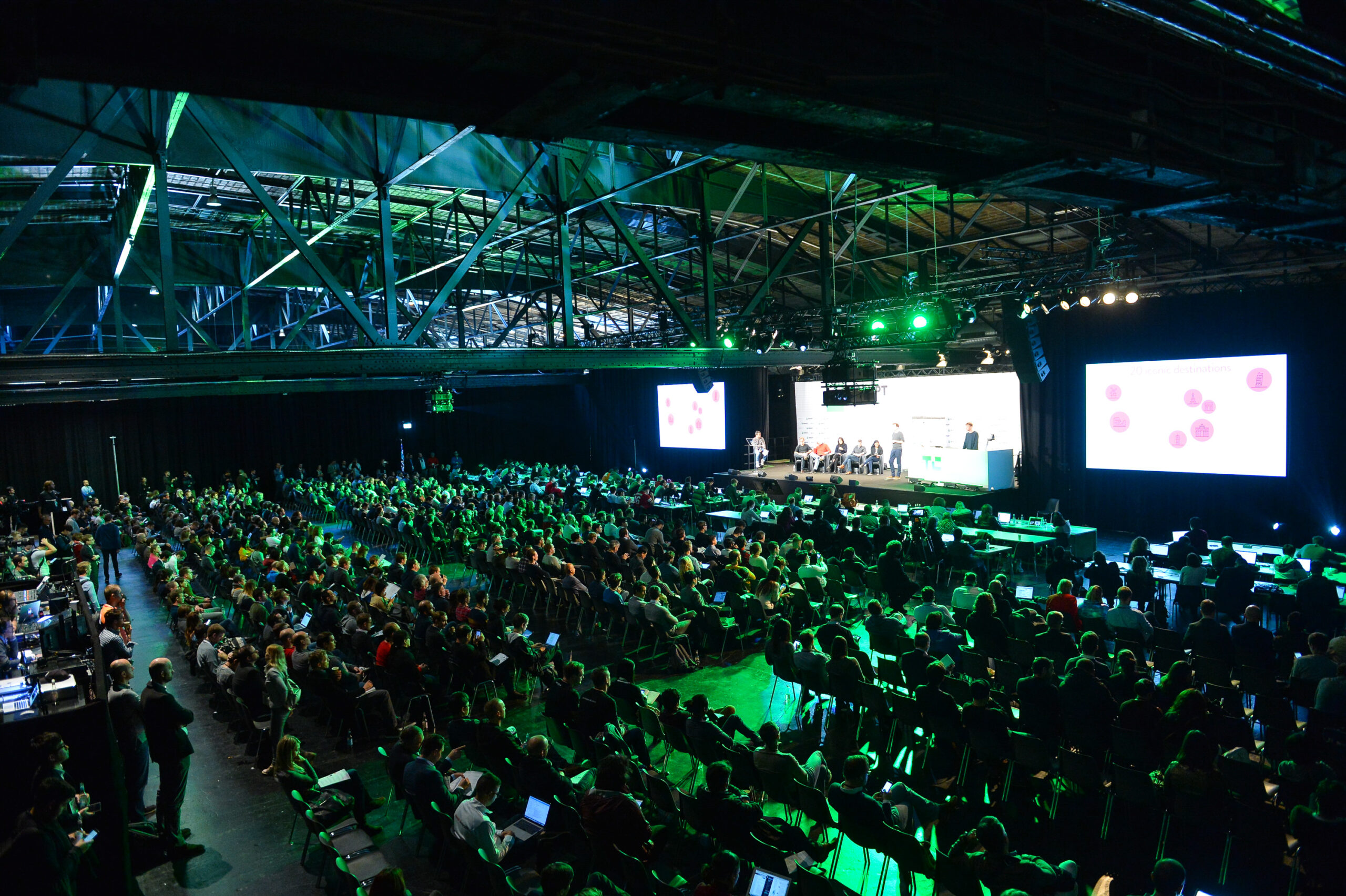
The second day of TechCrunch Disrupt 2025 commenced today at San Francisco’s Moscone West, drawing thousands of founders, venture capitalists, and technology enthusiasts to what has long been considered the premier proving ground for the global startup ecosystem. As the event transitioned into its middle phase, the atmosphere within the venue shifted from the initial excitement of opening day to a more focused, transactional environment characterized by high-stakes pitches, deep-dive technical workshops, and intensive networking. Organizers noted that for those seeking to join the remaining sessions, registration remains open with a tactical price adjustment, offering 50% off standard walk-up rates for the duration of the summit.
The Strategic Context of Disrupt 2025
TechCrunch Disrupt has historically served as a bellwether for the technology industry, providing a platform where emerging trends are codified into market realities. In 2025, the event takes place against a backdrop of complex macroeconomic conditions, including a recalibration of venture capital valuations and the explosive growth of generative artificial intelligence. The presence of more than 300 startups in the Expo Hall underscores a resilient entrepreneurial spirit, despite a more discerning investment landscape.
The event’s significance is further highlighted by the Startup Battlefield, a competition that has, over its history, featured companies that have collectively raised billions of dollars and achieved significant exits. By day two, the competition intensifies as the "Battlefield 200"—a curated group of high-potential startups—undergo rigorous scrutiny from panels of veteran investors.
Morning Activations and the Inclusion Mandate
The day began at 8:00 a.m. with the opening of the Expo Hall, which serves as the physical heart of the conference. This space functions as a high-density marketplace where early-stage companies demonstrate minimum viable products (MVPs) to prospective partners and investors. Simultaneously, the Women of Disrupt Breakfast Reception was held at the Deal Flow Cafe. This annual tradition aims to address the persistent gender gap in the tech sector by providing a dedicated space for female-identifying founders and operators to share resources and build professional alliances.
Networking at Disrupt 2025 has been modernized through the use of the Braindate platform, which facilitates curated 1:1 and small-group discussions. From 9:00 a.m. to 5:00 p.m., these sessions allowed participants to bypass the traditional "cold start" of networking, focusing instead on specific problem-solving and knowledge exchange. For the investor class, the Deal Flow Cafe remained the primary site for private negotiations, emphasizing the event’s role as a catalyst for actual capital deployment rather than just a forum for ideas.
The Disrupt Stage: Visionary Leadership and Market Shifts
The Disrupt Stage, the event’s highest-profile platform, featured a series of "No Filter" sessions designed to provide candid insights into the future of the industry. A primary highlight was the appearance of Vinod Khosla, founder of Khosla Ventures. Khosla, known for his early and aggressive bets on AI and clean energy, provided a strategic overview of where he believes the next decade of value creation will occur. His perspective is particularly relevant given the current pivot toward "hard tech" and foundational AI models.
Following Khosla, the stage hosted Elizabeth Stone, the Chief Technology Officer of Netflix. In a session titled "What’s Next for Netflix and for Streaming Itself," Stone addressed the technical challenges of maintaining a global content delivery network while integrating personalized AI to enhance user retention. This discussion provided a rare glimpse into the operational scale required to dominate the increasingly fractured streaming market.
Other notable sessions on the Disrupt Stage included:
- The Startup Battlefield Sessions 3 and 4: Featuring judges from top-tier firms such as NEA, Khosla Ventures, and Accel, these sessions focused on consumer and enterprise solutions.
- Slate Auto’s Electric Truck Reveal: CEO Chris Barman utilized the platform to debut a new electric vehicle, signaling the continued convergence of software and traditional manufacturing.
- Scaling Consumer AI: Phoebe Gates and Sophia Kianni of Phia discussed the challenges of moving AI from a novelty tool to a daily consumer utility.
The AI Stage: From Generative Models to Physical Intelligence
Reflecting the current technological zeitgeist, the AI Stage was consistently at capacity. The day’s programming moved beyond the hype of large language models (LLMs) to focus on the "post-training revolution." This included a deep dive into reinforcement learning and how it is restructuring the AI infrastructure stack.
Industry leaders such as Edo Liberty of Pinecone and Or Lenchner of Bright Data discussed the evolution of search and the transition from static web pages to autonomous agents. A particularly compelling session featured Jeff Cardenas (Apptronik) and Raquel Urtasun (Waabi), who explored "Physical AI." This segment analyzed how intelligence is being integrated into robotics and autonomous trucking, moving AI out of the digital cloud and into the physical world.
The defensive applications of AI were also a focal point, with Ethan Thornton of Mach Industries discussing how modern intelligence is being applied to national security and defense manufacturing. This reflects a broader trend of "dual-use" technology receiving increased attention from both Silicon Valley and Washington D.C.
The Builders Stage: Tactical Execution for Founders
While the Disrupt Stage focused on vision, the Builders Stage provided the "how-to" for the next generation of unicorns. Sessions here were designed to be pragmatic, addressing the nuts and bolts of startup survival.
- Product-Market Fit: Rajat Bhageria (Chef Robotics) and partners from NEA and ICONIQ discussed the metrics that truly matter when transitioning from a prototype to a scalable business.
- The Geography of Innovation: A panel featuring David Hall of Revolution’s "Rise of the Rest" debated whether Silicon Valley remains the essential epicenter of tech or if the decentralization of work has permanently shifted the landscape to hubs like Austin, Miami, and Boston.
- Investment Trends for 2026: General Partners from Index Ventures, Greylock, and Felicis provided a forward-looking analysis of where venture capital is likely to flow in the coming year, citing cybersecurity and "sovereign AI" as key areas of interest.
Specialized Tracks: StrictlyVC and Breakout Sessions
For the first time at this scale, the StrictlyVC track offered a dedicated environment for Limited Partners (LPs) and General Partners (GPs). This segment addressed the "liquidity crunch" currently facing the venture capital industry. Discussions led by representatives from Makena Capital and Cendana Capital focused on the future of venture fund selection and the role of deep tech in diversified portfolios. Dror Bin, CEO of the Israel Innovation Authority, provided a global perspective on how international high-tech hubs are navigating geopolitical instability while maintaining innovation pipelines.
The Breakout Stage and Roundtables offered more intimate settings for peer-to-peer learning. Topics ranged from "Rewriting Healthcare Workflows with AI" to "The Invisible AI Revolution." These sessions were characterized by high levels of audience participation, reflecting a community-wide effort to solve the "implementation gap"—the space between having a powerful AI tool and actually integrating it into a profitable business model.
Startup Battlefield and Pitch Showcases
The Pitch Showcase Stage remained a constant hive of activity, featuring live pitches from international pavilions. This year, significant delegations from Catalonia, Poland, and the Silk Road region showcased their regional strengths in fintech, agritech, and enterprise software. These sessions highlighted the increasingly globalized nature of the startup world, where talent and capital are no longer confined by traditional borders.
The Startup Battlefield 200 pitches for consumer and enterprise sectors continued throughout the day. These 5-minute pitches followed by Q&A sessions are the culmination of months of preparation, with the finalists competing for the coveted Disrupt Cup and a significant equity-free cash prize on the final day of the event.
Broader Impact and Industry Implications
The second day of Disrupt 2025 has reinforced several key industry shifts. First, there is a clear move toward "Agentic AI"—systems that can not only generate text but also perform complex tasks autonomously. This has profound implications for the future of work and software-as-a-service (SaaS) business models.
Second, the event has highlighted the return of "The Founder-CEO" as a central figure in tech culture. Sessions like "Why Founders Need to Be on Camera" and discussions on "Creator-Led Videos" suggest that personal branding and direct community engagement are becoming as important as the underlying technology itself.
Finally, the geographical diversity of the attendees and the specific focus on "Side Events" throughout San Francisco indicate a city in the midst of a technological renaissance. While the conference takes place inside Moscone West, the "Disrupt energy" has spilled over into dozens of independent meetups, parties, and panels across the city, suggesting that the ecosystem’s strength lies in its interconnectedness.
As Disrupt 2025 moves into its final day tomorrow, the focus will shift toward the crowning of the Startup Battlefield winner and the final synthesis of the week’s insights. For those on the ground, the message is clear: while the barriers to entry in tech have never been higher in terms of technical requirements, the opportunities for those who can successfully navigate the AI-driven landscape have never been greater.