admin
admin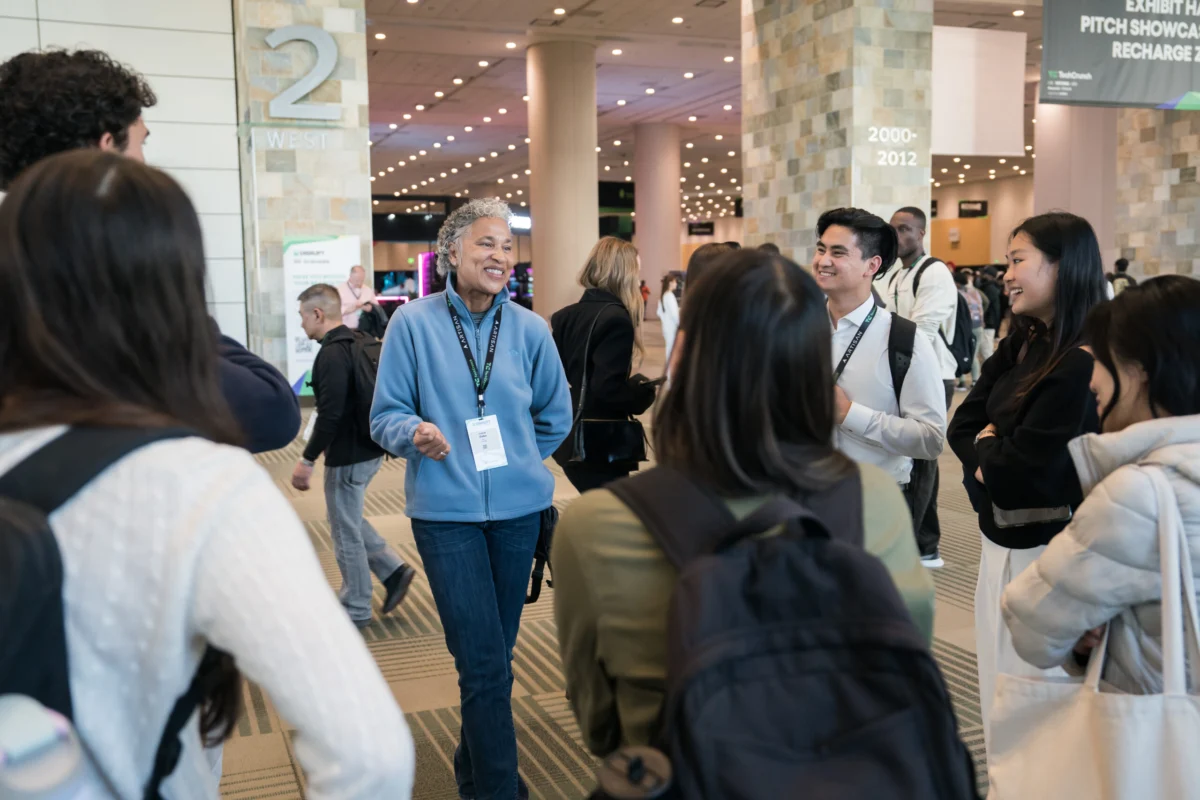
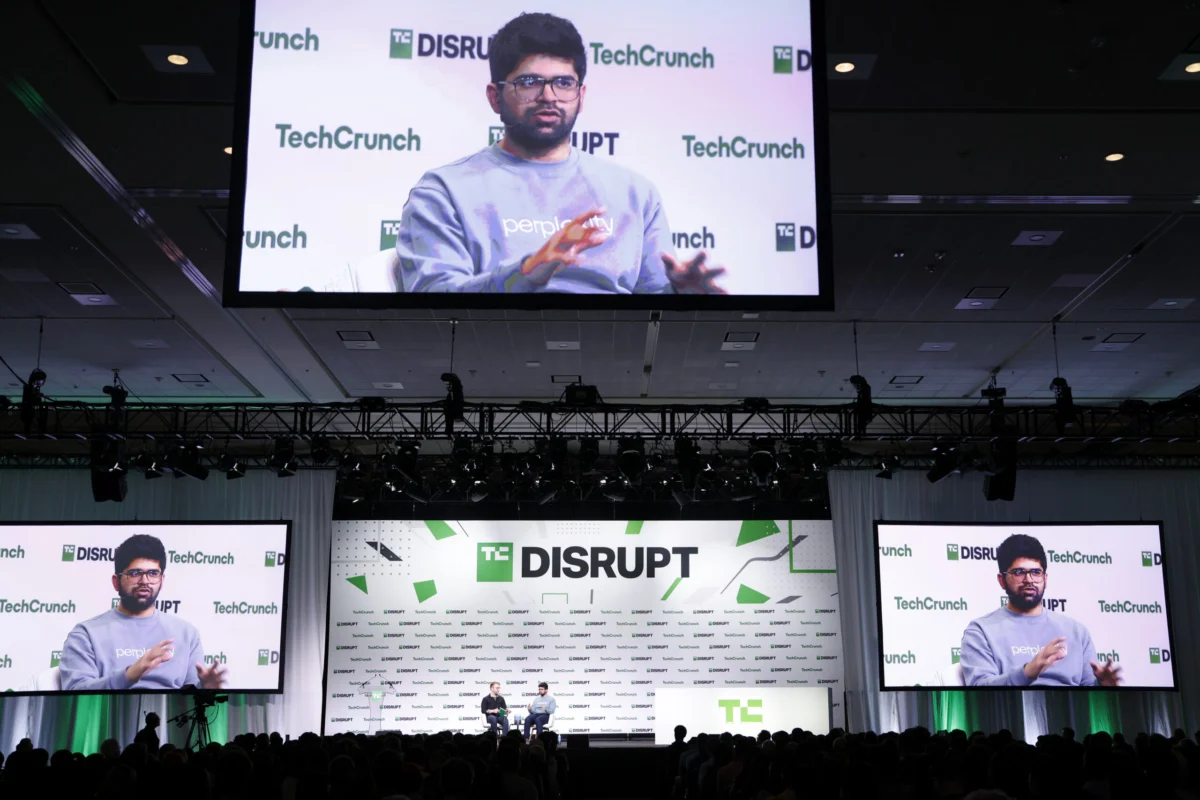
The third and final day of TechCrunch Disrupt 2025 commenced at Moscone West in San Francisco, marking the peak of one of the global technology industry’s most influential annual gatherings. As the event enters its final hours, the focus shifts toward the highly anticipated crowning of the Startup Battlefield 200 winner and a series of high-level discussions regarding the future of artificial intelligence, the evolving venture capital landscape, and the intersection of technology and civic governance. Despite the conclusion of the three-day summit, organizers have maintained active registration with a 50% discount for late attendees, emphasizing the density of networking opportunities and final-stage insights still available on the floor.
Historical Context and the Significance of Disrupt in the Tech Ecosystem
TechCrunch Disrupt has long served as a primary barometer for the health and direction of the global startup economy. Since its inception, the conference has been the launching pad for companies that have redefined their respective industries, including Dropbox, Cloudflare, and Fitbit. In 2025, the event’s return to San Francisco carries additional weight as the city attempts to solidify its status as the world’s "AI Capital" following several years of post-pandemic economic volatility.
The 2025 iteration of the event reflects a broader industry shift from the speculative frenzy of generative AI toward "Agentic AI"—systems capable of autonomous action and integration into physical and enterprise workflows. This transition is mirrored in the day’s agenda, which features a balanced mix of technical deep dives, policy discussions, and entrepreneurial masterclasses.
The AI Frontier: From Generative Models to Agentic Systems
The AI Stage on Day 3 highlights the maturation of artificial intelligence technologies. A central theme of the morning sessions is the move toward "Agentic" clouds and models. Will Grannis, Chief Technology Officer at Google Cloud, addressed the infrastructure requirements necessary to support AI agents that can operate independently within corporate environments. This represents a departure from simple chatbot interfaces toward systems that can manage complex, multi-step business processes without constant human intervention.
Technical innovation remains at the forefront with a session led by Thomas Wolf, co-founder and Chief Science Officer at Hugging Face. As the industry grapples with the balance between open-source and proprietary models, Wolf’s insights into the AI "stack" underscore the growing importance of community-driven development in maintaining a competitive and transparent ecosystem.
The social and ethical implications of AI are also being scrutinized. A panel titled "Love, Lies & Algorithms" features Mark Kantor, Head of Product at Tinder, and Eugenia Kuyda, founder of Replika, exploring how AI is reshaping human intimacy and social interaction. This discussion is particularly relevant as recent data suggests a significant uptick in the use of AI companions among Gen Z users, raising questions about data privacy and the psychological impact of algorithmic relationships.
Furthermore, the intersection of AI and national security is being addressed by Justin Fanelli, CTO of the U.S. Department of the Navy, and Kathleen Fisher of the RAND Corporation. Their discussion highlights the "high-stakes race" to integrate AI into defense systems while navigating the ethical minefields of autonomous weaponry and cybersecurity.
Re-evaluating Capital: The Builders Stage and the New Startup Economy
While AI dominates the technical discourse, the Builders Stage is focusing on the practicalities of surviving and thriving in a shifting financial environment. Following the "funding winter" of 2023 and 2024, the 2025 venture landscape is characterized by a "return to fundamentals."
Sessions such as "Seed Money Secrets" featuring partners from Harlem Capital and MaC Venture Capital provide a roadmap for early-stage founders navigating a more discerning investor class. Simultaneously, the session "Rethinking Startup Capital without VCs" features Erik Allebest, CEO of Chess.com—a company famous for its successful bootstrapping—suggesting that the traditional venture-backed model is no longer the only viable path for high-growth tech companies.
A provocative debate on "Vibe Coding" and the necessity of "10x engineers" in the age of AI-assisted development is also a highlight. As AI tools like GitHub Copilot and Cursor become more sophisticated, industry leaders such as David Cramer (Sentry) and Zach Lloyd (Warp) are analyzing whether the traditional premium placed on elite software engineering talent will hold, or if "product intuition" will become the more valuable founder trait.

Civic Leadership and the San Francisco Renaissance
The Disrupt Stage features a significant appearance by Daniel Lurie, the Mayor of San Francisco. His session, "Rebuilding the City that Builds Startups," addresses the symbiotic relationship between the municipal government and the tech sector. Mayor Lurie is expected to outline new initiatives aimed at reducing bureaucratic friction for new businesses and improving the urban environment to retain talent.
The presence of the Mayor underscores the city’s strategic efforts to combat the "doom loop" narrative that plagued San Francisco in the early 2020s. By positioning the city as the primary testing ground for AI and robotics—evidenced by the proliferation of autonomous vehicles from companies like Nuro and Uber—local leadership aims to ensure that the next generation of tech giants remains headquartered in the Bay Area.
The Startup Battlefield 200: The Search for the Next Unicorn
The centerpiece of the final day is the Startup Battlefield 200 finale. Throughout the week, 200 hand-picked startups from across the globe have pitched their innovations to panels of expert judges. Today, the finalists will take the stage for a chance to win the $100,000 equity-free grand prize and the Disrupt Cup.
The judging panel for the final includes some of the most respected names in venture capital, such as Aileen Lee (Cowboy Ventures), Kirsten Green (Forerunner), and Kevin Rose (Digg). The criteria for the winner go beyond mere technical novelty; judges are looking for scalable business models, significant addressable markets, and the potential to disrupt established industry incumbents.
The Pitch Showcase Stage in the Expo Hall is hosting specialized sessions for Health, Policy, and Protection startups, highlighting the diversification of the tech sector. The inclusion of "Policy + Protection" pitches reflects the growing "GovTech" and "SafetyTech" sectors, which have seen a surge in investment as regulatory scrutiny of the tech industry increases globally.
Networking and the "Braindate" Infrastructure
Beyond the formal stages, the Expo Hall remains a hub of activity with over 300 startups showcasing their products. The event has utilized "Braindate," a networking platform that allows attendees to schedule specific 1:1 or group discussions based on shared interests or technical challenges. This structured approach to networking is designed to maximize the ROI for attendees, moving away from the serendipity of traditional "mixer" events toward goal-oriented connections.
The Networking Lounge, powered by Braindate, has seen heavy traffic from investors looking for late-stage deals and founders seeking strategic partnerships. According to event organizers, the most searched topics in the networking app this year include "LLM Orchestration," "Sustainable Fintech," and "Cross-Border Hiring."
Broader Impact and Industry Implications
As TechCrunch Disrupt 2025 draws to a close, several key takeaways have emerged that will likely define the tech narrative for the coming year:
- The Industrialization of AI: The conversation has moved past the "magic" of generative AI. The focus is now on the "AI Stack"—the infrastructure, data pipelines, and hardware required to make AI a reliable enterprise tool.
- Strategic Autonomy in Funding: Founders are increasingly looking at diverse funding models. While VC remains king, the success of bootstrapped or "lean" models is gaining respect, particularly in a high-interest-rate environment.
- The Convergence of Sports and Tech: The appearance of NBA champion Tristan Thompson as a fintech entrepreneur illustrates the continuing trend of high-profile athletes and celebrities moving from passive "brand ambassadors" to active founders and operators.
- Regulatory Realism: From the U.S. Navy to the Mayor of San Francisco, there is a clear consensus that the next phase of tech growth will require closer collaboration with government entities to address security, privacy, and urban integration.
Closing Remarks and Future Outlook
The final sessions of the day, including a "Last Call" for registration and the announcement of the Startup Battlefield winner, serve as a bridge to 2026. While the physical booths at Moscone West will be dismantled this evening, the partnerships forged and the technologies debuted are expected to ripple through the market for months.
TechCrunch Disrupt remains a vital node in the global innovation network. By bringing together the disparate worlds of high-finance, deep-tech research, and civic leadership, the conference continues to facilitate the "creative destruction" that defines the industry. As attendees depart San Francisco, the focus turns to the implementation of the ideas discussed—moving from the stage to the marketplace.
For those unable to attend in person, the insights from the 2025 summit will be archived and analyzed by industry observers as a definitive record of where the technology sector stands in the mid-2020s. The 50% discount offered on the final day reflects a commitment to inclusivity, ensuring that the "Disrupt magic" remains accessible to the widest possible range of innovators and entrepreneurs.