admin
admin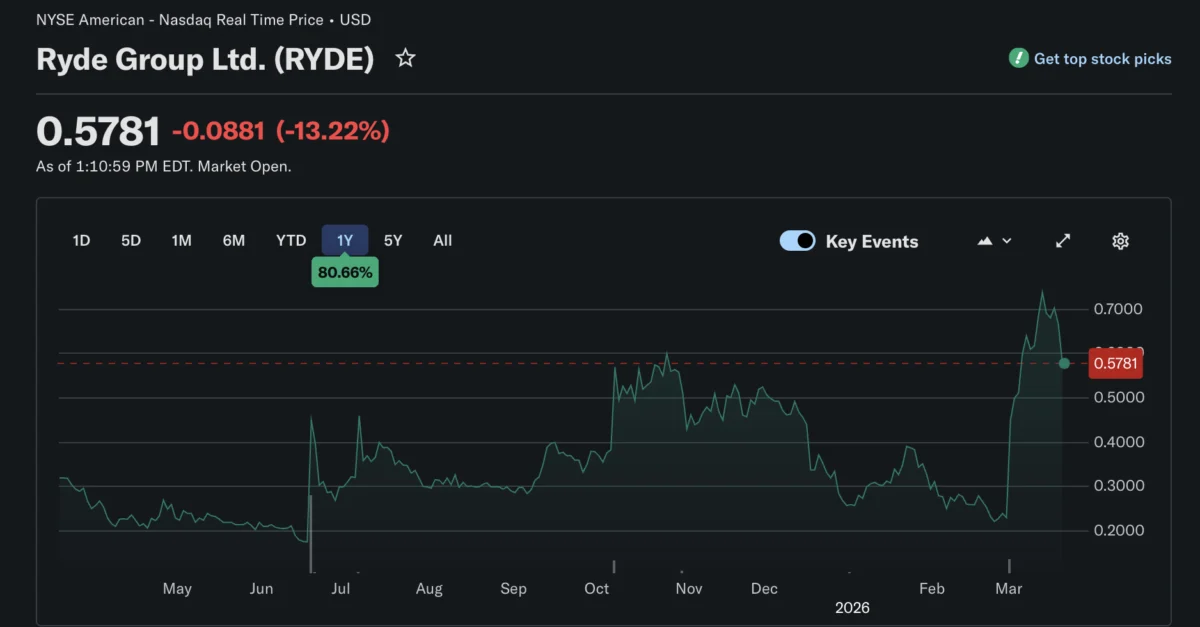
Ryde Group, the prominent Singapore-based ride-sharing and carpool platform often likened to global giants Uber and Lyft, announced Wednesday a significant pivot in its financial management strategy: the adoption of a crypto treasury for a portion of its corporate reserves. This move signals a growing, albeit still niche, trend among publicly traded companies to integrate digital assets into their balance sheets, despite the inherent volatility and a challenging recent history for the broader digital asset treasury sector.
A Strategic Shift Towards Digital Assets
The company revealed its intention to allocate a segment of its corporate reserves into a diversified portfolio comprising Bitcoin (BTC), Ether (ETH), and Solana (SOL). The specific proportions and timing of these digital asset purchases will be meticulously determined by a dedicated governance team within Ryde. This strategic allocation aims to introduce a new layer of flexibility and potential growth to Ryde’s treasury operations, a decision explicitly attributed to the "evolving macroeconomic environment" and the need for more adaptable financial management tools.
Ryde’s decision is notable not just for its embrace of cryptocurrencies but also for the structured approach it has outlined. The company has committed to holding its crypto assets with a third-party custodian, a crucial step for institutional-grade security and compliance. Furthermore, to ensure robust oversight, Ryde has established two distinct internal bodies: an investment committee tasked with portfolio management, and a separate risk management committee charged with ensuring investment safety and adherence to regulatory standards. This dual-committee structure underscores a deliberate attempt to mitigate the well-documented risks associated with digital asset investments.
Market Reaction and Investor Sentiment
The immediate market response to Ryde’s announcement was mixed, leaning towards caution. On Thursday, following the disclosure, Ryde’s NYSE American-traded shares experienced a notable decline of more than 13% in early afternoon trading. This dip trimmed a substantial portion of the company’s impressive year-to-date increase, which had previously stood at over 122%, according to data from Yahoo Finance. The sharp downturn suggests a degree of investor apprehension regarding the perceived risks of cryptocurrency exposure, particularly for a company operating in the ride-sharing sector. While some investors may view the move as forward-thinking and innovative, others might interpret it as an increase in financial risk, leading to profit-taking or a re-evaluation of the company’s risk profile. The significant pre-existing year-to-date gains could also have contributed to the sell-off, as some investors might have used the news as an opportunity to lock in profits.
Cointelegraph sought further clarification from Ryde regarding the specifics of its crypto treasury strategy but did not receive a response by the time of publication, leaving some details about the precise implementation and long-term vision open to speculation.
Ryde’s History with Cryptocurrency Integration
This is not Ryde Group’s first foray into the cryptocurrency space. The company has a documented history of integrating digital assets into its operational framework, demonstrating an early recognition of their potential. As far back as 2020, Ryde began accepting Bitcoin (BTC) as an in-app payment method for its users in Singapore. This initiative was later expanded to include support for several altcoins, broadening the digital payment options available on its platform.
At the time, users were able to convert their accepted cryptocurrencies into "Ryde tokens" via the proprietary RydePay wallet, which could then be used to pay for ride-sharing services. This earlier adoption focused on utility and consumer-facing applications, aiming to leverage the efficiency and borderless nature of digital payments. However, the current status of Ryde’s crypto as an in-app payment method remains unclear, suggesting a potential shift in focus from transactional utility to a more strategic treasury management approach. The current treasury move could either signal a renewed commitment to the crypto ecosystem or a distinct separation of treasury management from direct consumer payment options.

Broader Context: Corporate Crypto Treasuries and Market Dynamics
Ryde’s decision to establish a crypto treasury comes at a particularly interesting juncture for the digital asset treasury sector. The industry has recently navigated a period of significant challenges and re-evaluation, marked by volatility in cryptocurrency markets and evolving regulatory landscapes.
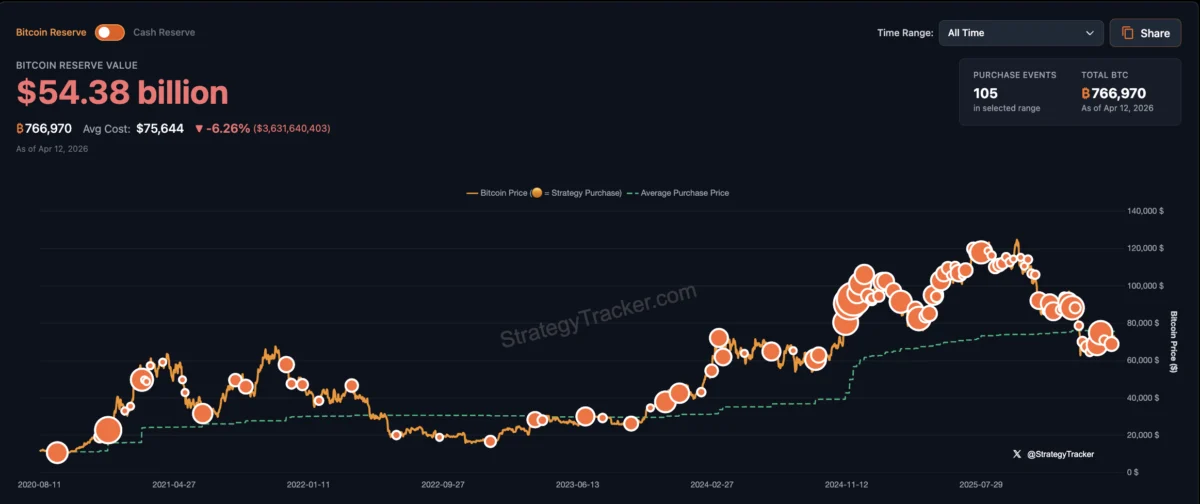
The concept of corporate crypto treasuries gained considerable traction during the bull markets of 2020-2021, driven by companies like MicroStrategy, which famously adopted Bitcoin as its primary treasury reserve asset. Proponents argued that holding digital assets could serve as an effective hedge against inflation, offer diversification from traditional fiat currencies, and attract a new generation of tech-savvy investors. Early adopters often cited concerns about the depreciating value of fiat currencies and the potential for substantial capital appreciation from leading cryptocurrencies.
However, the enthusiasm has been tempered by subsequent market corrections. The digital asset treasury sector experienced what has been termed a "multiple net asset value (mNAV) collapse" in September 2025. This event saw many crypto treasury companies trading below the actual value of their underlying crypto holdings, reflecting a significant loss of investor confidence and a re-pricing of risk associated with these strategies. The phenomenon highlighted the inherent volatility of digital assets and the challenges of integrating them into traditional corporate finance models.
Further compounding these challenges, monthly inflows into crypto treasury companies slowed dramatically in February 2026, dropping to just $555 million for the month – the lowest levels recorded since October 2024. This slowdown indicated a broader cooling of institutional interest and a more cautious approach from investors. The total US dollar value held in corporate digital asset treasuries has also shown a consistent downward trend since November 2025, according to data from CoinGecko, painting a picture of a sector under pressure.
Case Studies in a Challenging Environment
Recent examples illustrate the difficulties faced by companies heavily invested in digital asset treasuries:
- GD Culture Group (GDC): In February 2026, the board of directors for GDC, a publicly listed holding company focused on digital marketing and AI, authorized the sale of portions of its Bitcoin reserve. This move was explicitly aimed at financing a share repurchase program, suggesting a strategic shift away from a pure crypto-centric treasury model and towards bolstering traditional shareholder value through buybacks. The decision likely stemmed from a need to optimize capital allocation in response to market conditions and perhaps to address investor concerns about crypto exposure.
- BitMine Immersion Technologies: This Ether treasury company has faced substantial paper losses. At the time of reporting, BitMine shareholders were estimated to be facing more than $7.5 billion in paper losses, primarily because the price of Ether was trading significantly below BitMine’s average acquisition price of approximately $3,753, as reported by BitMine Tracker. This stark example underscores the profound impact of market downturns on companies whose treasuries are heavily weighted towards volatile digital assets.
These instances highlight the double-edged sword of crypto treasury strategies: while they offer significant upside potential during bull markets, they expose companies to substantial downside risk during periods of correction or prolonged bear markets.
Ryde’s Rationale: Flexibility and Macroeconomic Hedging
Ryde’s public statement emphasizes the "evolving macroeconomic environment" as the primary driver for its new crypto treasury strategy. This phrase often refers to a complex interplay of factors such as persistent inflation, fluctuating interest rates, geopolitical instability, and uncertainties in traditional financial markets. In such an environment, companies might seek alternative asset classes to diversify their holdings and potentially hedge against the erosion of purchasing power associated with fiat currencies.
The company also cited increased "flexibility" in managing its treasury operations as a key benefit. This flexibility could manifest in several ways:

- Rapid liquidity: Digital assets can often be converted into fiat more quickly than some traditional illiquid assets.
- Global reach: Cryptocurrencies transcend national borders, potentially simplifying international treasury operations for a globalizing company.
- Innovation alignment: For a tech-forward company like Ryde, embracing digital assets in its treasury aligns with its brand image as an innovator and early adopter of technology. It could also appeal to a demographic of investors and users who are digitally native and crypto-aware.
By carefully selecting Bitcoin, Ether, and Solana, Ryde is betting on three of the most prominent cryptocurrencies, each with distinct characteristics. Bitcoin is often seen as "digital gold" or a store of value; Ether underpins the vast Ethereum ecosystem of decentralized applications (DeFi, NFTs); and Solana is known for its high transaction throughput and burgeoning ecosystem. This diversification within the crypto space suggests a thoughtful, rather than haphazard, approach to digital asset exposure.
Governance, Risk Management, and Custody
The establishment of an investment committee and a risk management committee is crucial for the credibility and sustainability of Ryde’s crypto treasury strategy.
- Investment Committee: This committee will likely be responsible for formulating investment policies, setting allocation targets, monitoring market performance, and executing trades. Their decisions will be critical in navigating the volatile crypto markets and optimizing returns.
- Risk Management Committee: This body will focus on identifying, assessing, and mitigating the various risks associated with digital asset holdings. These include market risk (volatility), operational risk (security breaches, human error), regulatory risk (evolving laws and compliance requirements), and counterparty risk (custodian reliability). Their oversight is paramount to protecting the company’s assets and ensuring regulatory adherence.
The decision to utilize a third-party custodian is a standard best practice for institutional crypto holdings. Reputable custodians offer specialized security infrastructure, insurance, and regulatory compliance frameworks that are typically beyond the capabilities of most corporate treasuries to manage in-house. This mitigates the risk of theft, loss, or unauthorized access to the digital assets, which is a major concern in the crypto space.
Implications for Ryde and the Ride-Sharing Industry
For Ryde Group, this strategic shift carries several potential implications:
- Enhanced Financial Performance (Potential): If the chosen digital assets perform well, the crypto treasury could significantly boost Ryde’s balance sheet, providing additional capital for expansion, innovation, or shareholder returns.
- Increased Volatility and Risk: Conversely, a downturn in crypto markets could lead to substantial paper losses, impacting Ryde’s financial stability and potentially dampening investor confidence.
- Innovation and Brand Positioning: The move reinforces Ryde’s image as a technology-forward company willing to embrace new financial paradigms. This could attract talent, users, and investors who are aligned with the digital economy.
- Competitive Differentiation: While some companies have explored crypto payments, few in the ride-sharing sector have publicly adopted a crypto treasury strategy. This could give Ryde a unique position, though it also carries the burden of being an early mover in a nascent corporate finance trend.
For the broader ride-sharing industry, Ryde’s move could serve as a bellwether. If successful, it might encourage other technology-driven companies in the sector to explore similar strategies, potentially leading to a broader adoption of digital assets in corporate treasuries. Conversely, if Ryde faces significant challenges, it could deter others from venturing into this space.
The Road Ahead for Corporate Crypto Treasuries
Ryde Group’s foray into a crypto treasury strategy underscores a persistent, albeit cautious, institutional interest in digital assets. Despite the recent market challenges and the cautionary tales of some crypto-heavy companies, the underlying motivations for diversification, inflation hedging, and strategic alignment with technological innovation remain compelling for certain forward-thinking enterprises.
The success of Ryde’s strategy will depend on several factors: the judicious selection and management of its digital asset portfolio, its ability to navigate evolving regulatory landscapes, and the broader performance of the cryptocurrency markets. More importantly, it will serve as a case study for how a company in a mainstream service industry can successfully integrate highly volatile, yet potentially rewarding, digital assets into its core financial operations. As the macroeconomic environment continues to evolve and the digital asset space matures, the role of cryptocurrencies in corporate treasuries is likely to remain a subject of intense debate and innovation.