
 admin
admin
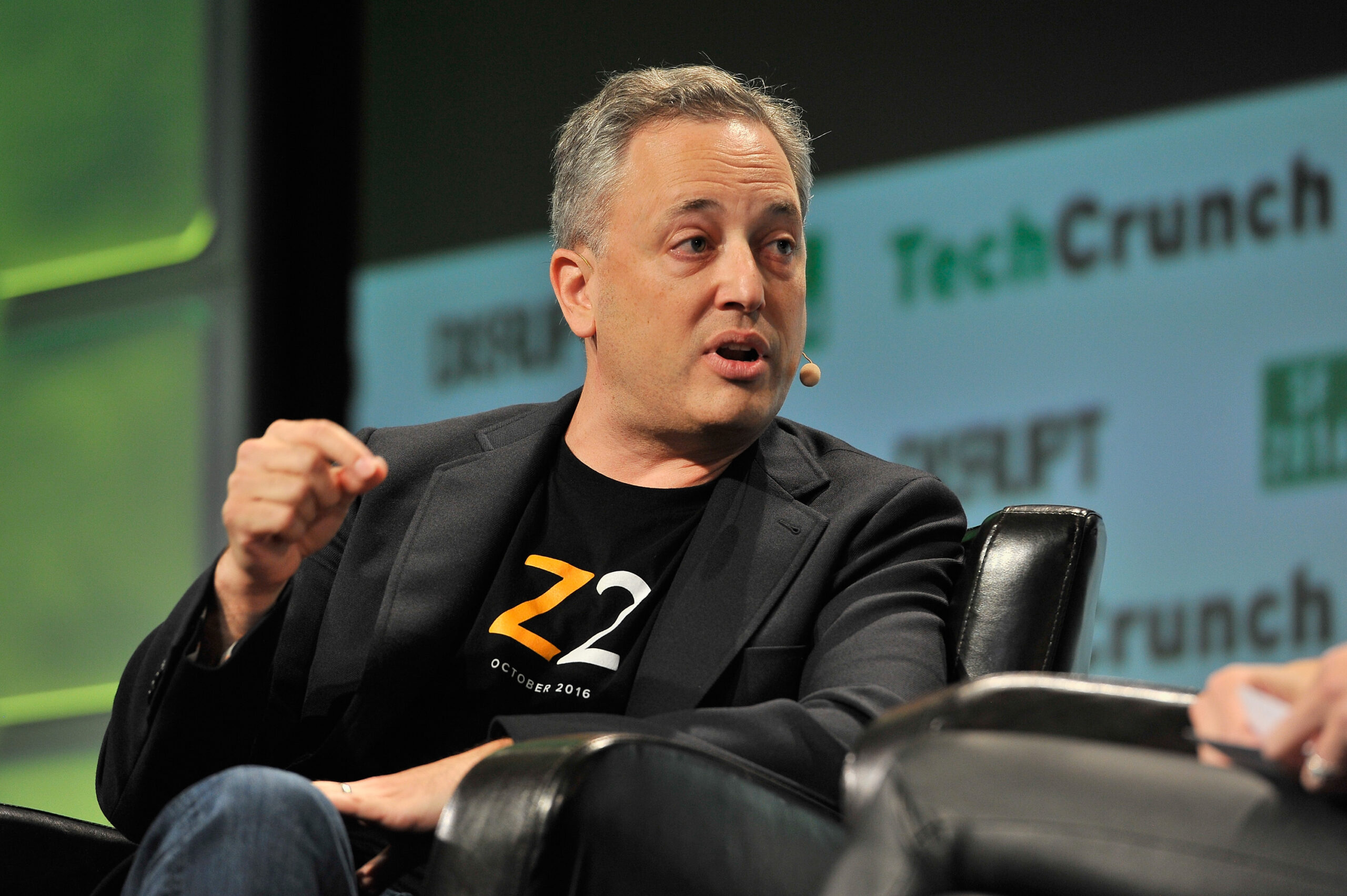
Russian authorities have initiated a criminal investigation into Pavel Durov, the co-founder and CEO of the widely popular messaging application Telegram. The investigation, confirmed by state media reports, centers on allegations of facilitation of terrorist activities, a grave charge that escalates the ongoing pressure campaign against the platform within Russia. The official state publication Rossiyskaya Gazeta reported on Tuesday that the Federal Security Service (FSB) is spearheading the criminal case.
Kremlin spokesman Dmitry Peskov reportedly corroborated the news, stating that the media reports were founded on materials provided by the FSB, affirming that the security agency was "carrying out its functions." This development marks a significant escalation in the long-standing contentious relationship between Telegram and Russian regulatory bodies, particularly Roskomnadzor, the state media regulator, which had previously tightened messenger restrictions in early February. At the time of publication, Telegram had not issued a public response to the unfolding reports, and Cointelegraph’s attempts to solicit a comment from the company did not immediately yield a reply.
Escalating Tensions: Telegram’s Refusal to Comply
The reported criminal investigation stems directly from Telegram’s steadfast refusal to comply with Roskomnadzor’s demands to remove content that Russian authorities have deemed extremist-linked or otherwise illegal. According to the state-linked Komsomolskaya Pravda, Telegram has allegedly failed to remove nearly 155,000 channels, chats, and bots that were flagged for containing illegal or harmful content within Russia’s jurisdiction.
The detailed breakdown of this content reveals the scope of the authorities’ concerns: a staggering 104,093 channels are reported to contain false information, while 10,598 channels are accused of promoting extremism. Further categories include 4,168 channels justifying extremist activity and 3,771 channels related to illicit drug use. These figures underscore the vast quantity of content that has become a flashpoint between the encrypted messaging service and Russian state control.
The Russian government’s insistence on content moderation and data localization has been a consistent theme in its digital policy. For years, Moscow has sought to assert greater control over internet traffic and online platforms operating within its borders, citing national security and public safety concerns. Telegram, with its reputation for strong encryption and user privacy, has frequently found itself at odds with these directives, making it a symbol of both digital freedom for its users and a challenge to state oversight for authorities.
Background: A History of Conflict and Control
The current investigation is not an isolated incident but rather the latest chapter in a protracted struggle between Telegram and the Russian state. The platform was famously banned in Russia from 2018 to 2020 after it refused to provide encryption keys to the FSB. Despite the official ban, many Russian users continued to access the app using VPNs, highlighting the technical challenges and public resistance to state censorship. The ban was eventually lifted in June 2020, with authorities citing Telegram’s "readiness to cooperate" in combating terrorism and extremism, though details of this cooperation remained opaque.
However, the truce proved temporary. Russia’s "sovereign internet" law, which came into effect in 2019, grants the government extensive powers to isolate the country’s internet infrastructure and filter content. Roskomnadzor has progressively intensified its efforts to regulate digital platforms, issuing fines and demands for content removal to a range of foreign tech companies, including Google, Meta (formerly Facebook), and Twitter, in addition to Telegram. The current focus on Durov personally signifies a new and more aggressive phase in this regulatory push, moving beyond platform-level restrictions to targeting the individual at the helm.
Durov’s Counter-Narrative: State-Backed Alternatives
Pavel Durov has not been silent amid the escalating pressure. He has previously voiced his conviction that the increased scrutiny and demands are part of a broader strategy by Russian authorities to steer users towards a new state-backed messaging application called MAX. Durov publicly articulated this belief on his Telegram channel on February 10, stating, "Despite the ban, most Iranians still use Telegram and prefer it to surveilled apps." He drew parallels to similar attempts by other countries, such as Iran, to suppress Telegram’s usage in favor of domestic, state-controlled alternatives, attempts which he characterized as having ultimately failed.
"Restricting citizens’ freedom is never the right answer. Telegram stands for freedom of speech and privacy, no matter the pressure," Durov wrote, reaffirming the core principles that have defined Telegram’s mission and user appeal. This stance positions Telegram not just as a messaging service but as a bulwark against state surveillance and censorship, a narrative that resonates with its global user base, particularly in regions where internet freedom is curtailed.

The idea of a state-backed messenger like "MAX" reflects a growing trend among authoritarian regimes to create national digital ecosystems that can be more easily controlled and monitored. Such initiatives often claim to prioritize national security and data sovereignty but are frequently criticized by human rights organizations for undermining privacy and freedom of expression. Durov’s direct accusation suggests he views the current investigation as an instrument of state policy rather than a genuine law enforcement action.
Potential Ramifications and Implications
The implications of this criminal investigation are far-reaching, particularly for Telegram’s operations and users within Russia. German Klimenko, a former Russian presidential internet adviser, reportedly warned that the investigation could lead to the entire Telegram platform being officially labeled as "extremist." Such a designation would carry severe consequences under Russian law. It could criminalize various forms of engagement with the platform, including payments for Telegram Premium subscriptions and advertising on the platform, effectively choking off its revenue streams and making it untenable for many users and businesses.
The "extremist" label is a potent tool in Russia’s legal arsenal, frequently applied to organizations and individuals deemed a threat to national security or social stability. Once an entity is labeled extremist, any financial support, promotion, or even public display of its symbols can lead to criminal charges, ranging from fines to lengthy prison sentences. This would create a legal minefield for millions of Russian citizens who rely on Telegram for communication, news, and business, potentially forcing a mass exodus or driving usage further underground through VPNs.
Beyond the immediate operational impact, this move sends a chilling message to other foreign technology companies operating or considering operating in Russia. It underscores the increasing risks of non-compliance with Moscow’s stringent digital regulations and its willingness to pursue legal action against company executives. This environment could deter innovation and limit the digital choices available to Russian citizens, further isolating the country’s internet landscape.
A Dual Legal Battle: International Scrutiny
Pavel Durov’s legal challenges are not confined to Russia. The Russian investigation unfolds as Durov remains under scrutiny abroad, notably in France. He was part of an ongoing inquiry in France following his arrest in August 2024. French authorities had initially imposed a travel ban on Durov, stating that he could face up to 10 years in prison in connection with allegations related to Telegram’s perceived role in facilitating criminal activities.
While French authorities lifted Durov’s travel ban in November 2025, the investigation itself highlighted the complex legal and ethical dilemmas faced by platforms that offer end-to-end encryption and robust privacy features. Western democracies, while generally upholding principles of free speech and privacy, also grapple with how to balance these rights against legitimate concerns about the platform’s potential misuse by terrorists, criminals, and child exploiters.
The nature of the French investigation, focused on broader criminal facilitation, differs in its specifics from the Russian charges of "facilitation of terrorist activities" but collectively paints a picture of a CEO navigating a complex global legal landscape. This dual scrutiny underscores the global debate surrounding the responsibilities of tech platforms for content shared on their services, and the varying legal frameworks attempting to address these issues.
Telegram’s Global Footprint and Future
Telegram has grown into one of the world’s most popular messaging apps, boasting over 900 million active users globally as of early 2024. Its appeal lies in its commitment to privacy, speed, and a rich feature set, including large group chats, channels for broadcasting, and robust file sharing. This has made it a crucial tool for diverse communities, from activists and journalists seeking secure communication to businesses and public figures disseminating information.
However, its open nature and strong encryption have also made it a platform of choice for groups engaged in illicit activities, presenting a persistent challenge for the company. Telegram has publicly stated its efforts to combat terrorism and child exploitation on its platform, often through AI-powered moderation and user reports, while steadfastly refusing to implement "backdoors" or provide blanket access to user data. This delicate balancing act defines its operational philosophy but also fuels the controversies it faces from various governments.
The criminal investigation against Pavel Durov in Russia represents a critical juncture for Telegram. While the company has demonstrated resilience in the face of previous state pressure, a direct criminal charge against its CEO, coupled with the threat of being labeled an "extremist" organization, could fundamentally alter its future in one of its key markets. The outcome will not only impact Telegram and its Russian users but will also serve as a precedent for how governments globally seek to regulate and control digital communication platforms in an increasingly interconnected and contentious world. The saga continues to unfold, underscoring the ongoing tension between digital freedom and state control in the 21st century.