
 admin
admin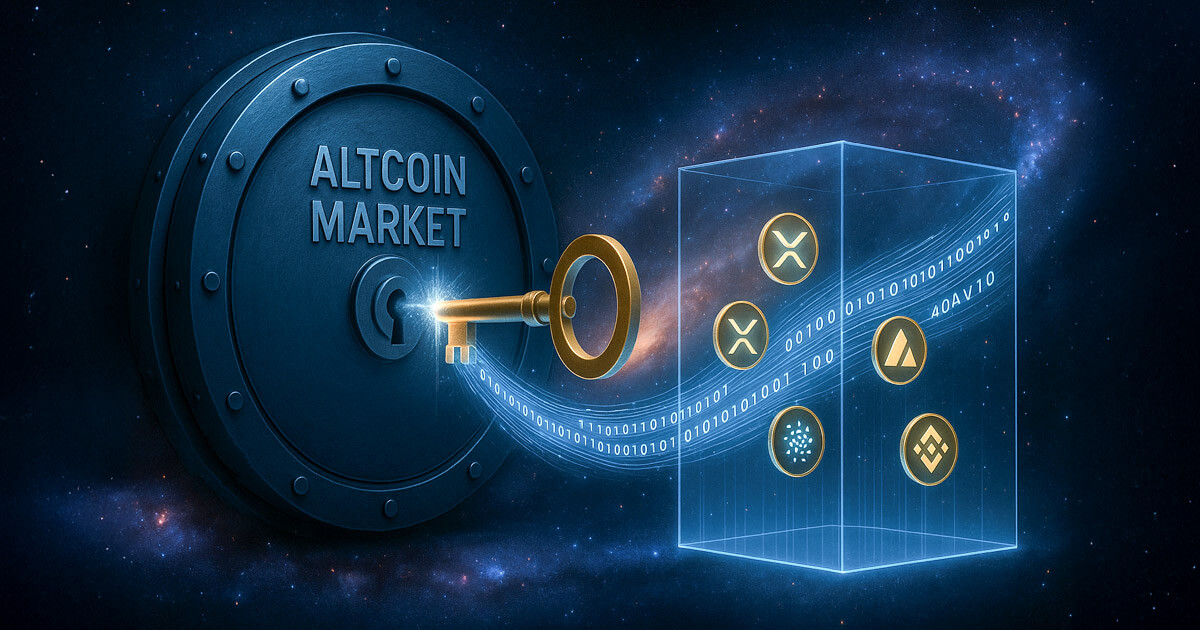
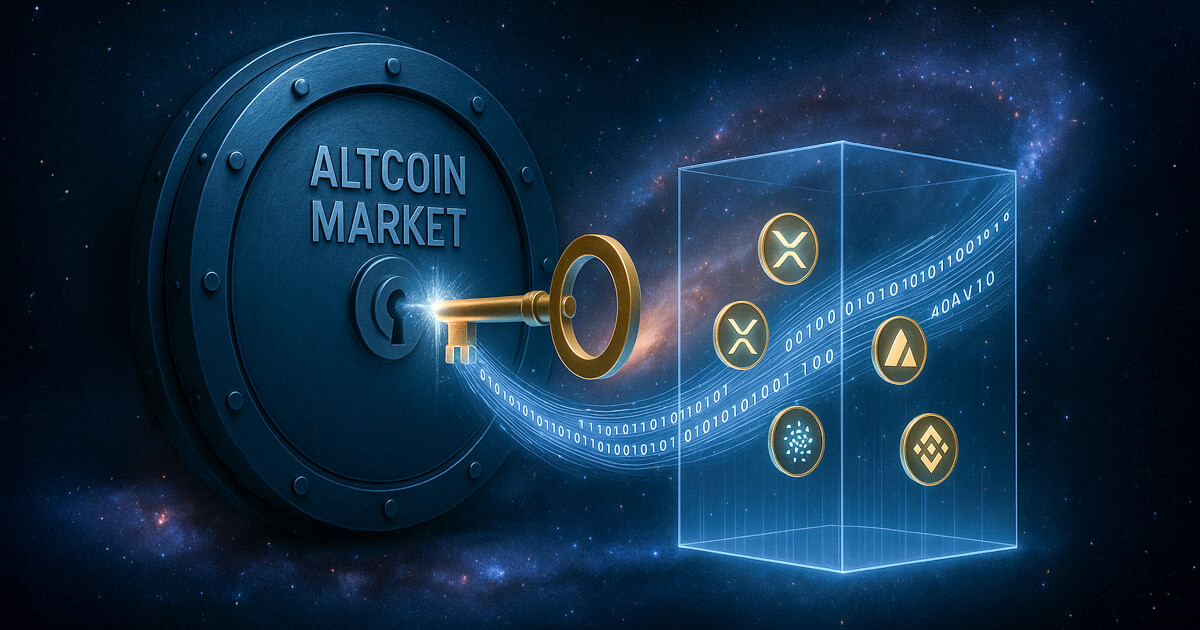
The European Union’s landmark Markets in Crypto-Assets (MiCA) regulation has ushered in a new era for the cryptocurrency industry, fundamentally reshaping the landscape with a strong emphasis on regulatory compliance and user safety. This shift, observed through decisive actions by major exchanges like the delisting of non-compliant stablecoins, signals a move towards mainstream adoption and a more mature digital asset market. As regulations continue to solidify throughout the year, the altcoin market is particularly poised for substantial growth, with regulated exchanges playing a pivotal role in facilitating this expansion. The capacity of these platforms to innovate and adapt within the newly established compliant framework will be crucial for the sustained maturation of the altcoin market across the EU.
The Dawn of Regulatory Scrutiny: MiCA’s Impact on the Crypto Ecosystem
The implementation of MiCA represents a significant departure from the more laissez-faire approach that characterized the early stages of cryptocurrency. This comprehensive regulatory framework, which went live in Europe, mandates that crypto exchanges prioritize robust operational requirements, enhanced consumer protection measures, and stringent anti-money laundering (AML) protocols. The immediate consequence of this regulatory push was evident in the proactive delisting of stablecoins that did not meet MiCA’s stringent criteria, a move that underscored the industry’s commitment to adhering to the new rules. This action, while potentially causing short-term disruption, is viewed as a necessary step towards building greater trust and security within the digital asset space.
This regulatory tightening contrasts with the approaches taken by other global financial hubs, such as Singapore and Hong Kong, which have opted for lighter-touch restrictions aimed at fostering innovation. The increased costs associated with compliance, coupled with the potential reduction in trading volumes stemming from asset delistings, are expected to exert deflationary pressures on the industry. However, this short-term contraction is being framed as a vital investment in long-term sustainability. Exchanges are now at a critical juncture, facing the imperative to adapt to these new operational realities or risk becoming obsolete. The central question remains whether the industry can successfully navigate this transitional phase while simultaneously maintaining its growth trajectory.
Charting a Course for Growth: Altcoins as the Next Frontier
To counterbalance the deflationary effects of increased regulation, the burgeoning altcoin market presents a significant opportunity for sustained growth. While Ethereum’s performance has seen a period of relative stability and Bitcoin has retreated from its earlier all-time highs, altcoins are anticipated to lead the next wave of market expansion. This optimistic outlook is rooted in the evolving nature of altcoin projects, which are increasingly focused on developing strong ecosystems that offer practical utility and tangible real-world solutions. This trend marks a clear divergence from speculative memecoins, whose value is often driven by social media fervor and transient hype, as exemplified by the fallout from incidents like the Libra memecoin scandal earlier this year, which contributed to a cooling interest in such assets.
Analysis suggests that altcoins may surpass Bitcoin’s dominance in the upcoming market cycle, moving beyond a simple rotation of assets. Despite Bitcoin experiencing dips below the $80,000 mark, altcoins have demonstrated comparatively smaller declines and have not registered new yearly lows. This resilience indicates reduced sell pressure and a potential for significant rallies driven by increased buying interest. Furthermore, the growing interest from institutional investors, who are seeking diversified exposure beyond Bitcoin and Ethereum, is providing a substantial tailwind for altcoin growth. This broader institutional adoption is a key indicator of the market’s maturation and the increasing recognition of altcoins’ long-term potential.
The Pillars of a Sustainable Altcoin Market: Regulated Exchanges
The realization of this expansive potential is intrinsically linked to the establishment of a secure and reliable trading environment. Regulated exchanges are no longer merely transactional platforms but have evolved into critical gatekeepers for a sustainable future in the cryptocurrency market. They provide the essential infrastructure that enables projects to flourish within a transparent market, fostering the growth and widespread adoption of digital assets.
Adherence to regulations such as MiCA is no longer an aspirational goal but has become an industry standard, laying the groundwork for the sustainable development of the altcoin sector. By prioritizing consumer protection and market integrity, these regulated platforms are creating a secure ecosystem for both investors and innovative projects. This regulatory certainty is paramount for the long-term health of the crypto market and for attracting significant institutional capital. The current phase of market development is not solely about token price appreciation; it represents the foundational architecture of an entirely new and more robust financial market.
Navigating Innovation Within Regulatory Frameworks
The development of stable and legal trading conditions is indispensable for capitalizing on the growth potential of altcoins. Regulated exchanges are instrumental in providing this stability, ensuring that the burgeoning altcoin market can operate transparently and attract legitimate investment. The infrastructure offered by these compliant platforms is crucial for enabling the growth and widespread adoption of cryptocurrencies that offer genuine utility.
The EU’s proactive stance on crypto regulation, particularly through MiCA, is positioning it as a leading global crypto hub, potentially outpacing regions like North America and Asia in areas such as crypto banking. Frameworks like MiCA are designed to prevent the recurrence of past market disruptions, such as those caused by speculative memecoins, ensuring that the impact of crypto on the broader economy is not only lasting but also demonstrably positive.
Within this evolving regulatory environment, compliant exchanges are fostering a culture of adherence and legal clarity, which in turn creates fertile ground for innovation. The infrastructure provided by these regulated entities supports the development of altcoin initiatives with genuine utility and long-term viability, ensuring that the sector’s growth is underpinned by both confidence and stability. This marks the dawn of a new era for cryptocurrencies, with compliant exchanges leading the charge towards a more responsible and sustainable future for digital assets.
Supporting Data and Context
The evolution of cryptocurrency regulation has been a gradual process, marked by increasing calls for oversight following significant market events. The Mt. Gox collapse in 2014, which saw hundreds of thousands of Bitcoins stolen, was an early catalyst for discussions around exchange security and regulation. More recently, the proliferation of initial coin offerings (ICOs) in 2017 and subsequent market downturns, along with concerns over illicit finance, intensified regulatory scrutiny globally.
MiCA, officially adopted by the European Parliament and Council in 2023, represents one of the most comprehensive regulatory frameworks for crypto-assets globally. It categorizes various crypto-assets, including utility tokens, asset-referenced tokens (stablecoins), and e-money tokens, and establishes specific requirements for their issuance and provision of services. For example, stablecoin issuers under MiCA are subject to strict reserve requirements and prudential supervision, aiming to mitigate systemic risks. The timeline for MiCA implementation has been phased, with specific provisions coming into effect at different stages, impacting exchanges operating within the EU market.
The delisting of certain stablecoins by major exchanges was a direct response to these new regulatory requirements. For instance, Binance’s decision to delist nine stablecoins, including USDT, on its European platform in March 2024, was widely interpreted as a move to comply with MiCA’s upcoming regulations, particularly concerning stablecoins that did not meet the new standards. This action, while affecting some trading pairs, was seen by industry observers as a necessary step to ensure continued operation within the EU’s regulated environment.
The projected growth of the altcoin market is supported by various market analyses. While specific figures are subject to change, reports from reputable crypto analytics firms have indicated a growing interest in altcoins with strong use cases and developing ecosystems. For example, some analyses have pointed to the increasing market capitalization and trading volumes of altcoins focused on decentralized finance (DeFi), non-fungible tokens (NFTs) with utility, and blockchain-based gaming, suggesting a shift away from purely speculative assets.
The distinction between utility-focused altcoins and memecoins is crucial. Memecoins, often characterized by their rapid price swings and reliance on social media trends, have historically been more volatile and susceptible to pump-and-dump schemes. The "Libra scandal" mentioned in the original article likely refers to instances where memecoins with similar names or themes have been associated with illicit activities or have experienced significant losses for investors, highlighting the risks associated with unregulated and purely speculative digital assets.
The increasing institutional interest in altcoins is a significant indicator of market maturation. A survey by Fidelity Digital Assets in late 2023 indicated that a substantial percentage of institutional investors were considering or already investing in digital assets beyond Bitcoin and Ethereum. This diversification strategy is driven by a desire to capture higher returns and to gain exposure to emerging blockchain technologies and applications.
The broader impact of regulated exchanges on the crypto market extends to enhanced investor confidence. A more regulated environment reduces the risk of fraud and market manipulation, making it more attractive for both retail and institutional investors. This, in turn, can lead to increased liquidity and price stability, fostering a healthier and more sustainable market ecosystem. The EU’s commitment to creating a clear regulatory framework through MiCA is a significant development that could set a precedent for other jurisdictions seeking to balance innovation with investor protection.