
 admin
admin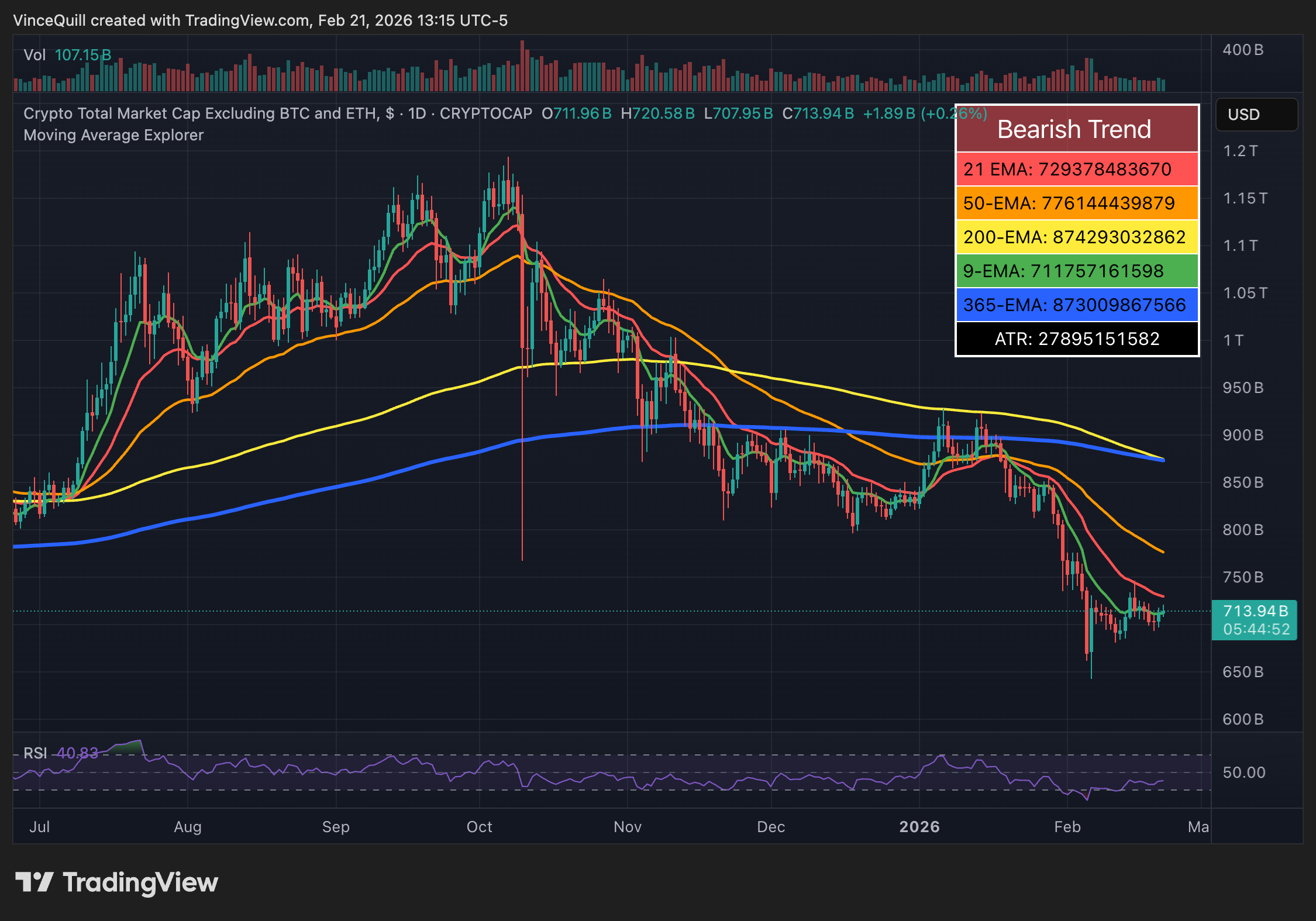
The recent announcement by former US President Donald Trump of a new 10% global tariff, coming directly on the heels of the US Supreme Court striking down his previous authority to levy tariffs under the International Emergency Economic Powers Act (IEEPA), has ignited a firestorm of critical reactions from US lawmakers, Washington, D.C.-based think tanks, and legal experts. This development marks a significant escalation in the ongoing debate over executive power in trade policy and its potential economic ramifications.
The Legal Showdown: Supreme Court Strikes Down IEEPA Authority
The catalyst for this latest tariff escalation was a landmark decision by the US Supreme Court (SCOTUS) on Friday, which significantly curtailed presidential power to impose tariffs unilaterally. The Court ruled that Trump’s previous use of the IEEPA to levy tariffs, particularly those targeting specific countries and goods, exceeded the statutory authority granted by the Act. The IEEPA, enacted in 1977, was primarily designed to grant the President broad powers to deal with national emergencies, typically in foreign policy or national security contexts, allowing for measures such as freezing assets or imposing sanctions. Historically, it was not intended as a primary tool for routine trade policy.
This ruling represented a substantial check on executive power, affirming that while the President has considerable latitude in foreign affairs, the imposition of tariffs, which fundamentally alter trade relationships and domestic economic conditions, largely falls under the purview of Congress. The Court’s decision underscored the constitutional principle that Congress holds the power to regulate commerce with foreign nations, a power explicitly enumerated in Article I, Section 8 of the US Constitution. Legal scholars had long debated the expansive interpretation of IEEPA under previous administrations, and the Supreme Court’s intervention signals a recalibration of the balance of power between the executive and legislative branches regarding trade policy. The implications of this ruling extend beyond tariffs, potentially influencing future presidential actions under other emergency statutes.
Trump’s Immediate Counter-Move: A New 10% Global Tariff
Undeterred by the Supreme Court’s unanimous decision, Donald Trump promptly responded by announcing a new 10% global tariff. In a statement issued Friday, he declared, "Effective immediately, all national security tariffs, Section 232, and existing Section 301 tariffs, remain in place, and in full force and effect. Today, I will sign an order to impose a 10% global tariff." This new tariff, he specified, would be imposed on top of already existing rates, signaling a significant increase in import duties across a wide range of goods.
Trump’s announcement explicitly referenced the continuation of "national security tariffs" (often imposed under Section 232 of the Trade Expansion Act of 1962) and "existing Section 301 tariffs" (under the Trade Act of 1974), which have historically targeted specific industries or countries, most notably China. The new 10% global tariff, however, appears to be an attempt to broaden the scope of his tariff strategy, aiming for a more universal application rather than specific targeted measures. This move suggests an effort to circumvent the Supreme Court’s IEEPA ruling by potentially leveraging other statutory authorities or by creating a new legal framework that Trump’s legal team believes is distinct from the authority just invalidated.
A Chorus of Opposition: Lawmakers and Think Tanks Weigh In
The announcement was met with swift and sharp criticism from across the political spectrum, echoing long-standing concerns about the economic impact of such protectionist measures. US Senator Rand Paul, a prominent libertarian Republican from Kentucky, wasted no time in condemning the tariffs, characterizing them as a direct "tax increase on working families and small businesses." Senator Paul argued that these tariffs represent a "net negative on the economy," asserting that the burden ultimately falls on American consumers through higher prices and on businesses facing increased input costs. His remarks align with traditional conservative economic principles that generally favor free trade and oppose government intervention through tariffs.
Similarly, US Congressperson Ro Khanna, a Democrat representing California’s 17th congressional district, echoed these sentiments, stating, "Those tariffs weren’t about security — they were a tax on families and small businesses to bankroll a reckless trade war." Khanna’s critique underscores a common bipartisan argument against Trump-era tariffs: that their purported national security justifications often mask broader economic or political objectives, and that their primary effect is to raise costs for American consumers and businesses rather than protecting domestic industries or enhancing national security.
Beyond Capitol Hill, Washington D.C.-based think tanks, often at the forefront of policy analysis, also voiced strong disapproval. Scott Lincicome, Vice President of Cato’s Herbert A. Stiefel Center for Trade Policy Studies, a well-respected libertarian think tank, shared his critical assessment with Cointelegraph. Lincicome emphasized the enduring negative consequences of such trade policies: "Even without IEEPA, other US laws and the Trump administration’s repeated promises all but ensure that much higher tariffs will remain the norm, damaging the economy and foreign relations in the process." His statement highlights a broader concern that despite legal setbacks, the political will to implement protectionist measures could persist, leading to continued economic instability and strained international relations.
These reactions underscore a fundamental disagreement about the efficacy and fairness of tariffs. Proponents often argue that tariffs protect domestic industries, encourage local production, and can be used as leverage in international negotiations. Opponents, however, contend that tariffs disrupt global supply chains, increase consumer prices, reduce real wages, and can trigger retaliatory measures from trading partners, ultimately harming the domestic economy and diminishing global trade volumes. The consensus among many economists, including those at the International Monetary Fund and the World Bank, is that tariffs generally lead to a net loss in economic welfare.
Economic Repercussions and Historical Context of Tariffs
The economic implications of widespread tariffs are complex and far-reaching. Historically, tariffs have been used by nations for various reasons, including revenue generation, protection of nascent industries, and as a tool of foreign policy. However, major tariff escalations, such as the Smoot-Hawley Tariff Act of 1930, are widely cited by economists as exacerbating the Great Depression by stifling international trade and triggering retaliatory tariffs globally.
In the modern globalized economy, tariffs can lead to higher input costs for manufacturers, forcing them to either absorb the costs, pass them on to consumers, or relocate production. For example, previous Trump administration tariffs on steel and aluminum, ostensibly for national security, raised costs for American manufacturers reliant on these materials, leading to concerns about competitiveness and job losses in downstream industries. Similarly, tariffs on Chinese goods resulted in US importers paying billions of dollars in duties, costs that were largely borne by American businesses and consumers, according to studies by organizations like the National Bureau of Economic Research and the Peterson Institute for International Economics. These studies have frequently estimated that US consumers bore nearly the full burden of the tariffs on Chinese imports.

The new 10% global tariff, if broadly implemented, could significantly impact the Consumer Price Index (CPI), leading to higher inflation as the cost of imported goods, from electronics to apparel, increases. This could erode consumer purchasing power and potentially slow economic growth. Furthermore, such a move could provoke retaliatory tariffs from major trading partners like the European Union, Canada, Mexico, and China, leading to a tit-for-tat trade war that would further disrupt global supply chains and dampen international trade. This could particularly affect export-oriented sectors of the US economy, such as agriculture and manufacturing, which rely heavily on access to foreign markets.
The Legal Boundaries of Executive Tariff Authority
The legal basis for Trump’s new 10% global tariff remains a subject of intense scrutiny and potential legal challenge. While the Supreme Court struck down his authority under IEEPA, other statutes, such as Sections 201, 232, and 301, still grant the President some power to impose tariffs under specific circumstances.
- Section 232 of the Trade Expansion Act of 1962 allows the President to impose tariffs if the Commerce Department determines that imports of a particular article threaten national security. This was the basis for tariffs on steel and aluminum.
- Section 301 of the Trade Act of 1974 authorizes the President to take action, including tariffs, against foreign countries that engage in unfair trade practices that burden or restrict US commerce. This was extensively used against China.
- Section 201 of the Trade Act of 1974 allows the President to impose temporary "safeguard" tariffs if the US International Trade Commission determines that a surge in imports is causing serious injury to a domestic industry.
However, pro-crypto attorney Adam Cochran, a keen observer of policy and its intersection with markets, quickly pointed out significant limitations to the legal statutes Trump might now invoke. In a statement on social media, Cochran highlighted: "The law he is using only allows this to be on countries we have a deficit with, for a set period of 150 days, and at a capped percent." This suggests that any new tariffs imposed under these existing frameworks would likely be far less sweeping and permanent than a truly "global" and open-ended 10% tariff. The requirement to target countries with deficits, impose time limits, and adhere to percentage caps would severely constrain the executive’s ability to implement a blanket global tariff. This legal interpretation indicates that Trump’s ambitious declaration could face immediate legal challenges regarding its scope and duration, potentially leading to further judicial interventions or congressional pushback.
Market Responses: Beyond Traditional Assets
Traditionally, announcements of new tariffs or escalations in trade tensions have often had a negative impact on various financial markets. Equity markets, particularly those with significant exposure to international trade and global supply chains, tend to react negatively due to concerns about reduced corporate profits and economic uncertainty. Risk-on assets, which thrive in periods of stability and growth, typically see declines as investors seek safer havens. Previous rounds of Trump-era tariffs often coincided with dips in the broader stock market and commodity prices.
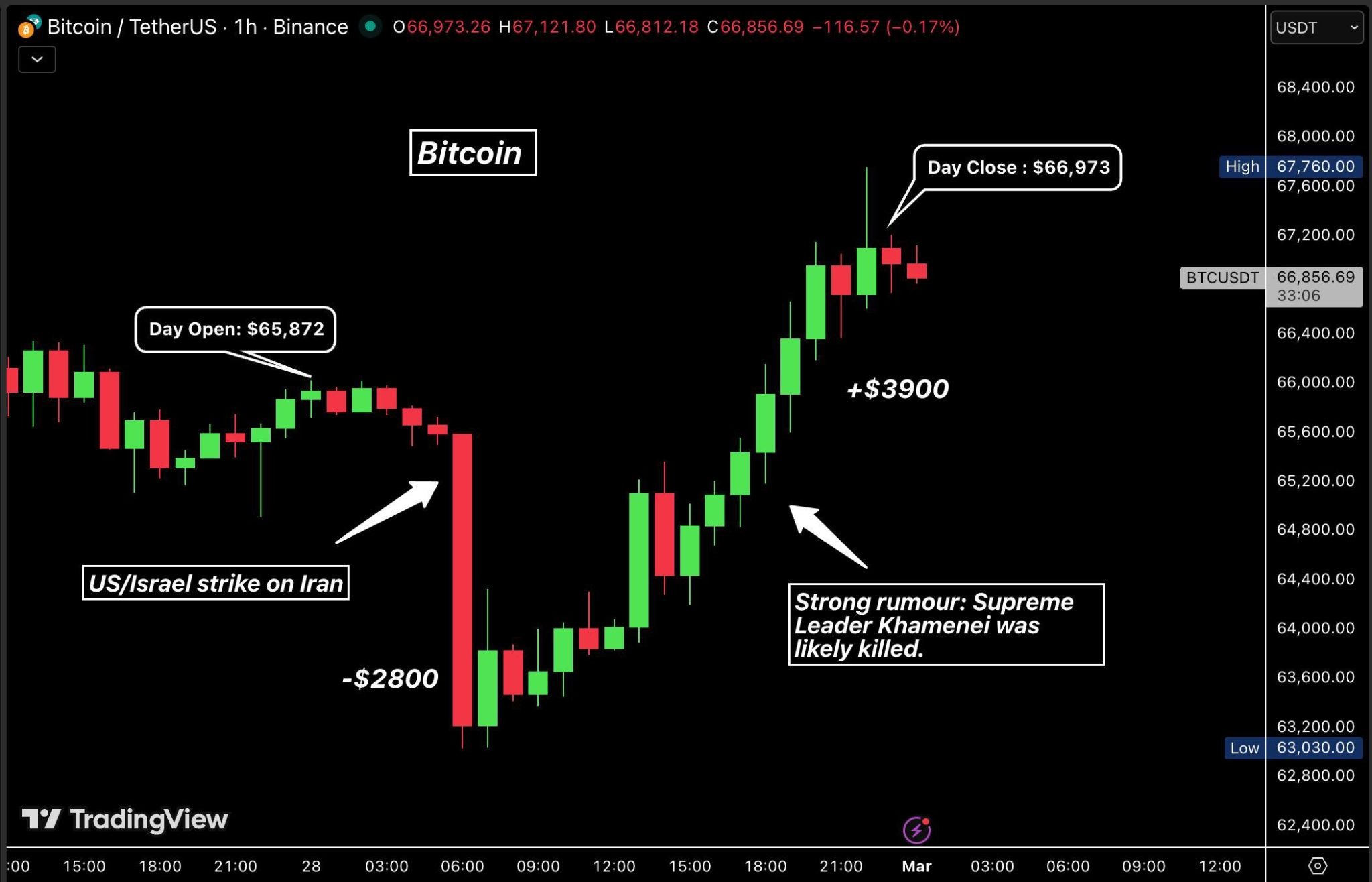
However, the most recent announcement presented a somewhat anomalous reaction in certain segments of the market. While initial broad market sentiment might have registered some apprehension, the crypto markets, often viewed as a barometer for risk appetite, displayed a surprising degree of stability. Bitcoin (BTC), the flagship cryptocurrency, notably saw its price rise by approximately 3% after the announcement, bucking the trend of previous negative correlations with tariff news.
This divergence in crypto market behavior from historical patterns warrants closer examination. In the past, escalating trade wars were often perceived as global economic stressors, prompting investors to pull back from riskier assets, including cryptocurrencies. The current stability, and even a slight uptick in Bitcoin’s price, could be attributed to several factors:

- Market Maturity: The crypto market has matured significantly since the initial rounds of Trump tariffs. It may be less susceptible to knee-jerk reactions to macroeconomic news, with a more sophisticated investor base that evaluates long-term fundamentals rather than short-term political announcements.
- Perceived Insulation: Some crypto investors might view digital assets as relatively insulated from traditional geopolitical and trade disputes. Cryptocurrencies operate on decentralized networks, theoretically making them less vulnerable to national trade policies or sanctions compared to fiat currencies or traditional securities.
- Inflation Hedge Narrative: In an environment where tariffs could lead to inflation by increasing import costs, some investors might be turning to Bitcoin as a potential hedge against rising prices, a narrative that has gained traction in recent years.
- Limited Direct Impact: The direct impact of tariffs on the crypto industry itself is minimal compared to sectors like manufacturing or agriculture. While indirect effects through broader economic downturns are possible, the immediate connection is less clear.
- Pre-existing Market Momentum: It’s also possible that Bitcoin’s recent price movement was driven by other, more dominant market forces or technical indicators, and the tariff announcement merely coincided without fundamentally altering its trajectory. The Total3 indicator, which tracks the market capitalization of the entire crypto market excluding Bitcoin and Ether, also barely moved, further suggesting that the tariff news did not trigger a significant sell-off or panic among crypto investors.
This resilience suggests a potential shift in how the crypto market perceives external economic shocks, possibly indicating a growing confidence in its unique value proposition amidst global uncertainties.
Looking Ahead: Legal Challenges and Geopolitical Fallout
The path forward for Trump’s newly announced 10% global tariff is fraught with legal and political challenges. Given the Supreme Court’s recent ruling on IEEPA, any new tariff imposition will be meticulously scrutinized by legal experts and likely challenged in courts. The limitations cited by attorney Adam Cochran regarding deficit countries, time limits, and capped percentages suggest that a blanket global tariff may not withstand judicial review if it attempts to overstep the bounds of existing statutes.
From a geopolitical perspective, the announcement risks reigniting trade tensions with key international partners at a time when global economic cooperation is increasingly vital. Major economies that previously faced tariffs, or would now be subject to new ones, could retaliate, leading to a fragmentation of global trade and supply chains. Such actions could undermine international trade organizations like the World Trade Organization (WTO), further complicating efforts to establish a stable and predictable global trading system.
For the US economy, the potential implications include persistent inflation, reduced consumer spending, and increased uncertainty for businesses. While the stated goal of tariffs is often to protect domestic jobs and industries, the historical record suggests that the costs are frequently borne by consumers and businesses further down the supply chain, leading to a net economic loss. The debate over tariffs is therefore not just an economic one, but also a political and legal battle over the extent of executive power and the future direction of American trade policy. As the dust settles from the Supreme Court’s decision, the coming weeks and months will undoubtedly see intense legal battles and political maneuvering as the ramifications of this latest tariff declaration unfold.