admin
admin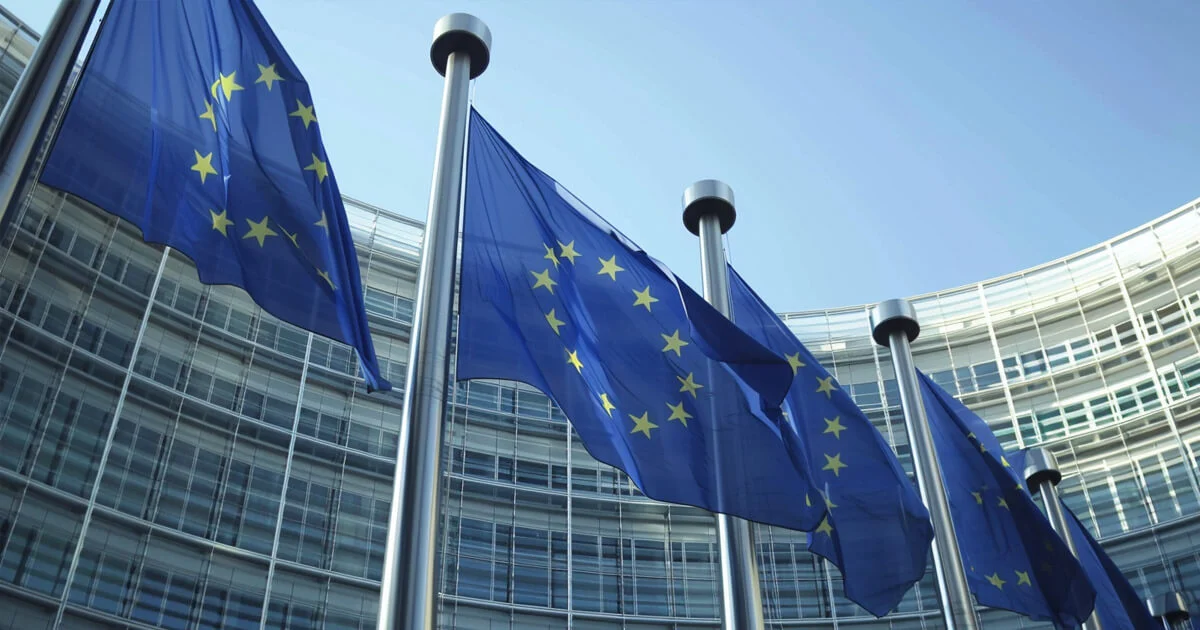
The European Union’s landmark Markets in Crypto-Assets (MiCA) regulation, first introduced in 2020 and now approaching full implementation, is poised to fundamentally reshape the continent’s cryptocurrency landscape. Far from being a laggard in blockchain innovation, Europe is emerging as a pioneer, setting new standards that are already compelling major players to adapt and, in turn, potentially ushering in a new era of more robust and secure crypto offerings. This regulatory push, while initially met with apprehension by some, is now being recognized as a catalyst for significant improvements in product quality, investor protection, and overall market stability.
The immediate impact of MiCA’s stringent requirements is becoming evident. Coinbase, a prominent cryptocurrency exchange, announced in early May 2024 its intention to delist stablecoins from providers not compliant with MiCA by the end of 2024. This decision directly affects major assets like Tether’s USDT, the largest stablecoin by market capitalization. The move underscores the regulatory certainty MiCA aims to provide, forcing entities operating within the EU to adhere to a harmonized set of rules. Tether, the issuer of USDT, responded with a statement indicating its commitment to developing a "technology-based solution" to navigate MiCA’s compliance challenges. This suggests that instead of withdrawing from the market, issuers are being spurred to innovate and develop products that meet regulatory demands for enhanced security, efficiency, and stability.
The Genesis of MiCA: A Response to Evolving Markets
The journey towards MiCA began as the European Union grappled with the rapid growth and inherent complexities of the crypto-asset sector. As digital assets moved from niche curiosities to significant financial instruments, regulators recognized the growing need for a comprehensive framework to address potential risks. The period between 2018 and 2020 saw increasing calls for regulatory clarity, driven by concerns over market manipulation, investor protection, and the potential for illicit activities. MiCA was thus conceived as a response to these evolving market dynamics, aiming to foster innovation while mitigating risks.
The regulation’s core objective is to create a single market for crypto-assets within the EU, ensuring a level playing field for all participants and providing clear rules for issuers and service providers. This contrasts with the fragmented approach seen in other jurisdictions, where differing national regulations can create barriers to entry and operational complexities for businesses seeking to serve a wider European customer base.
MiCA: A European Parallel to GDPR’s Impact
The introduction of MiCA draws striking parallels with the implementation of the General Data Protection Regulation (GDPR) in 2016. GDPR, enacted in response to significant shifts in digital advertising and internet practices, established a global benchmark for data privacy. Companies worldwide were compelled to align with Europe’s stringent data protection standards or face substantial penalties. Despite initial skepticism and adaptation challenges, GDPR has largely become the de facto global standard for data security, influencing regulations in numerous countries.
Industry analysts believe MiCA possesses a similar potential to set a precedent for crypto-asset regulation on a global scale. By establishing clear guidelines for stablecoins, crypto-asset service providers (CASPs), and issuers, MiCA aims to bring a degree of order and predictability to a sector often characterized by rapid change and uncertainty. The regulation’s comprehensive nature, covering aspects from issuance and transparency to consumer protection and market abuse, positions it as a foundational piece of legislation for the future of digital finance.
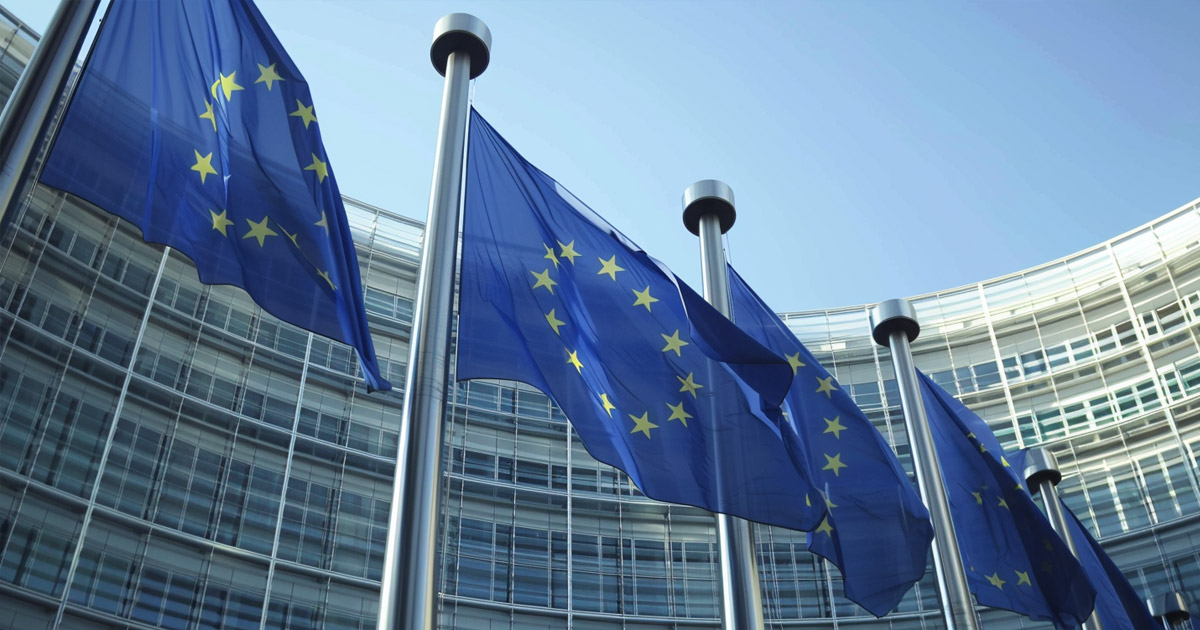
The implications for the EU crypto market are significant. Compliant stablecoins, for instance, could soon serve the entire EU market seamlessly, transcending the current patchwork of individual country licensing requirements. This harmonization is expected to foster greater trust and participation across various industries, potentially unlocking new use cases and investment opportunities.
Deconstructing MiCA: A Framework for Trust and Sustainability
Regulation and licensing are cornerstones of traditional finance, underpinning the stability and consumer confidence in banking, payments, and asset servicing sectors. While the borderless and decentralized nature of cryptocurrency has historically presented regulatory challenges, MiCA seeks to apply established financial principles to this new asset class.
MiCA is widely regarded as one of the most comprehensive digital asset regulations enacted to date. Its ambition extends beyond mere compliance; it aims to address critical issues that have tarnished crypto’s public image, including concerns about criminal activity, bad actors, and widespread misinformation. Under MiCA, crypto providers are mandated to furnish investors with clear and understandable information about the inherent risks associated with crypto-assets, such as volatility and the potential for scams.
Furthermore, MiCA champions environmental sustainability within the crypto sector. It requires companies to disclose the environmental impact of their operations, encouraging a shift towards more eco-friendly practices. This focus on transparency and climate consciousness is seen as a positive development, aligning the crypto industry with broader global sustainability goals.
Enhancing Stablecoin Stability and Transparency
A key focus of MiCA is the regulation of stablecoins, a crucial component of the cryptocurrency ecosystem. The regulation asserts that stablecoin issuers must maintain full transparency regarding their reserves. This is a pivotal step towards bolstering consumer and investor confidence in an asset class where questions about solvency and reserve backing have often been a source of concern. By mandating transparency, MiCA compels issuers to provide concrete answers to these probing questions, thereby enhancing the perceived stability and reliability of stablecoins.
Tether’s commitment to a "technology-driven approach" to MiCA compliance exemplifies this regulatory impetus for innovation. The company’s stated aim is likely to develop a product that is demonstrably safer, more sustainable, and more secure than current offerings in the European market. This strategic pivot is not driven by voluntary altruism but by the imperative to meet MiCA’s stringent requirements. While stablecoin providers have always possessed the potential for innovation, the lack of sufficient regulatory pressure prior to MiCA may have slowed the adoption of more robust practices.

Circle, the issuer of the second-largest stablecoin by market capitalization, USDC, has already demonstrated proactive engagement with MiCA. In July 2024, Circle became the first stablecoin issuer to secure regulatory approval under MiCA by obtaining a French e-money license. Circle has a well-established track record of compliance, with its USDC reserves backed by cash and short-term U.S. Treasuries. The company’s robust Know Your Customer (KYC) and Anti-Money Laundering (AML) standards are often cited as industry benchmarks. MiCA’s influence extends beyond mere market competition; it is creating a "do-or-die" scenario for stablecoin issuers, a situation that ultimately benefits the entire cryptocurrency industry by elevating standards.
Broader Implications: Economic Growth and Global Precedent
The establishment of a more stable and regulated crypto industry under MiCA has far-reaching implications. It is anticipated to encourage greater participation from traditional businesses and industries in crypto-related services. This influx of established players can lead to increased competitiveness, attracting significant investment, talent, and new companies to the crypto sector. For the European Union, this presents a substantial opportunity for economic growth and technological advancement, positioning the continent as a hub for responsible crypto innovation.
MiCA’s influence is also expected to extend beyond the EU’s borders. Other regions are likely to examine MiCA as a potential blueprint for their own regulatory frameworks, mirroring the global impact of GDPR. The regulation’s clarity and comprehensiveness stand in stark contrast to the often fragmented and evolving regulatory approaches seen in countries like the United States. By providing a clear and consistent framework, MiCA empowers crypto companies to operate with greater confidence and predictability. The success of MiCA could therefore pave the way for more harmonized global regulatory standards, fostering a more cohesive and secure international crypto ecosystem.
As MiCA moves towards its full implementation, projected for 2026, the industry can anticipate the emergence of safer, more reliable, and more transparent crypto-asset products. This regulatory evolution is crucial for building a sustainable crypto ecosystem, not only within Europe but also as a model for responsible digital asset management worldwide. The era of nascent, unchecked growth in crypto is giving way to a phase of maturation, driven by regulatory foresight and a commitment to fostering a secure and innovative financial future.