admin
admin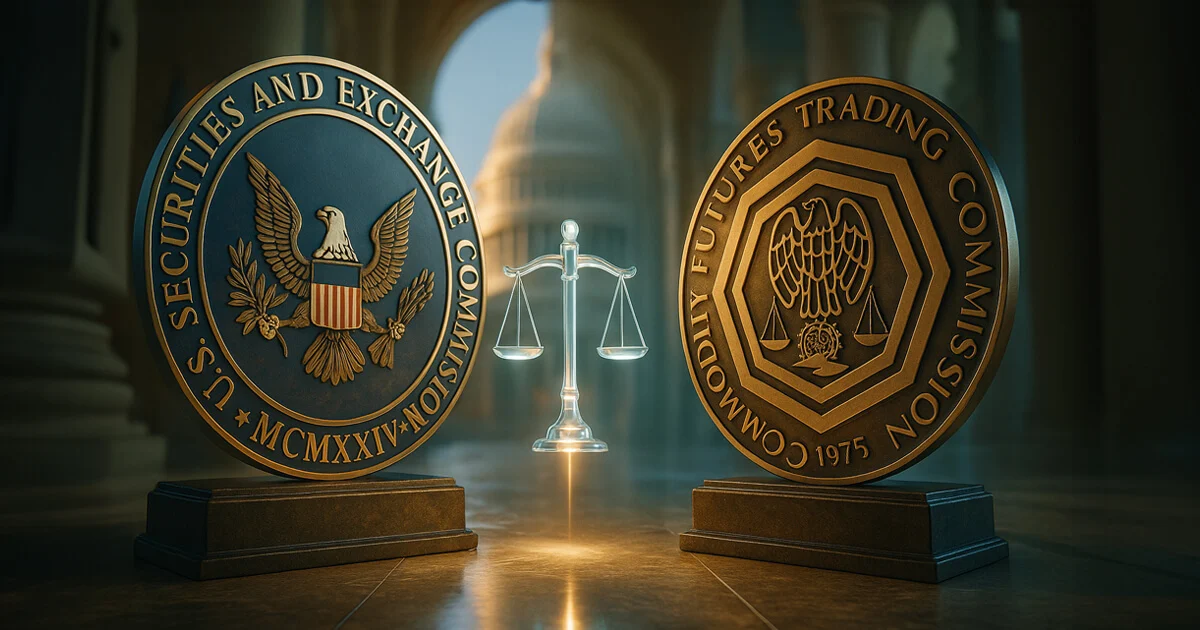
Washington’s prolonged struggle to define regulatory oversight for digital assets has reached a critical juncture, with two competing Senate drafts poised to redraw the jurisdictional map for cryptocurrencies. The House of Representatives previously passed the Digital Asset Market Clarity Act of 2025, signaling a desire for legislative action, but progress stalled in the Senate. Now, the Senate Agriculture and Banking Committees have released their own distinct proposals, each aiming to bring order to the burgeoning digital asset market, with potentially profound implications for everything from Bitcoin spot trading to Ethereum’s regulatory status and the operational frameworks of cryptocurrency exchanges.
These competing legislative blueprints offer divergent visions for the future of crypto regulation in the United States. The Agriculture Committee’s draft, a bipartisan discussion document, leans towards expanding the authority of the Commodity Futures Trading Commission (CFTC), a move that could significantly shift oversight of digital commodities and their spot markets. Conversely, the Banking Committee’s version introduces new avenues of authority for the Securities and Exchange Commission (SEC), particularly concerning what it terms "ancillary assets," and provides a clearer pathway for tokens to transition out of securities classification. The choices embedded within these proposals are not merely bureaucratic adjustments; they represent a fundamental decision about how the U.S. will classify, regulate, and ultimately foster innovation within the digital asset ecosystem, impacting custody, asset classification, and disclosure requirements.
The Agriculture Committee’s Vision: Empowering the CFTC for Digital Commodities
The discussion draft released by the Senate Agriculture Committee, spearheaded by Senators John Boozman and Cory Booker, outlines a significant expansion of the CFTC’s mandate. This proposal seeks to designate certain digital assets as "digital commodities" and place their spot markets under the direct supervision of the CFTC. This approach mirrors the existing regulatory framework for traditional commodities, suggesting a desire to apply established principles to the digital realm.
Under this framework, intermediaries such as exchanges, brokers, and dealers operating within the digital commodity space would be required to register with the CFTC. This registration would necessitate adherence to stringent rules, including the mandatory use of qualified custodians for asset safekeeping and the segregation of customer assets to prevent potential conflicts of interest, particularly when dealing with affiliated entities. The draft also allows for the development of joint rulemaking between the CFTC and the SEC for entities that may fall under overlapping regulatory purview or require dual registration, though certain complex areas like Decentralized Finance (DeFi) are deferred for future deliberation.

This legislative initiative appears to build upon the foundational principles of the House’s Clarity Act, aiming to bring the volatile and often opaque cryptocurrency spot markets into a more regulated environment under the CFTC’s purview. For U.S.-based Bitcoin platforms, this could translate into mandatory registration as digital commodity exchanges, requiring them to meet enhanced capital requirements, robust custody standards, and provide greater protections for retail investors. The bill also proposes the standardization of data sharing across trading venues, which could significantly improve market surveillance capabilities, a critical component for the issuers of cryptocurrency exchange-traded funds (ETFs). Notably, while spot market oversight might shift, the regulatory jurisdiction over cryptocurrency ETFs themselves would remain with the SEC.
The implications of shifting spot market oversight for assets like Bitcoin to the CFTC are far-reaching. Exchanges would be compelled to operate under a paradigm focused on commodity exchange logic, emphasizing transparent reporting and diligent market surveillance over the detailed investor disclosures typically mandated by securities regulations. This could provide traders and market analysts with a more granular understanding of market quality, liquidity dynamics, and price discovery mechanisms. Despite the expanded role for the CFTC, the SEC would retain its authority over crypto-related securities instruments and futures contracts, suggesting that a degree of dual oversight would persist.
The Banking Committee’s Approach: Defining "Ancillary Assets" and SEC Authority
In parallel, the Senate Banking Committee, led by Senator Sherrod Brown, has put forth its own legislative discussion draft, titled the Responsible Financial Innovation Act. This proposal takes a different tack, focusing on digital assets that occupy a nebulous space between traditional securities and commodities. It introduces the concept of an "ancillary asset," defined as a "fungible digital commodity" that is distributed through an arrangement that also constitutes an investment contract.
This draft empowers the SEC with explicit authority to oversee these "ancillary assets," imposing disclosure requirements on issuers related to token distributions, network governance structures, and inherent risks. Crucially, the legislation would mandate that the SEC finalize its definition of what constitutes an "investment contract" within approximately two years. Furthermore, it introduces a novel "decentralization certification process." This process would allow digital asset projects to transition away from securities treatment once the control and governance of the network fall below specified thresholds, indicating a sufficient level of decentralization.
This framework offers a potential "escape hatch" for tokens associated with active development projects, such as Ethereum, that begin life under SEC scrutiny due to their initial offering structures. Such tokens could be subject to disclosure and investor protection mandates typical of securities, but later transition to a different regulatory classification if their governance becomes sufficiently distributed among a broad base of participants. This addresses a long-standing gray area in digital asset regulation, stemming from the early challenges in classifying assets like those involved in the DAO hack, and compels the SEC to provide a formal, written articulation of what constitutes decentralization, rather than relying on case-by-case enforcement actions.

Under this model, practical distinctions between different types of digital assets would become more pronounced. Bitcoin, with its established decentralized nature, would likely continue to be treated as a digital commodity under the CFTC’s purview. Tokens with clear ties to specific enterprises or development teams would likely fall under the SEC’s ancillary asset regime until they can demonstrate sufficient decentralization. Centralized cryptocurrency exchanges would find themselves navigating the complexities of both regulatory frameworks. They would need to register as CFTC digital commodity exchanges for their spot crypto trading activities while simultaneously adhering to SEC oversight for any listed security tokens.
The combined effect of these proposed regulations could necessitate significant operational adjustments for U.S. platforms, potentially requiring dual registration, heightened capital reserves, and more transparent trading book management.
Navigating the Timelines and Uncertainties
A key unknown in both Senate proposals is the precise timeline for implementation. The Banking Committee’s draft imposes specific deadlines for rulemaking, suggesting a more defined path toward regulatory clarity. However, the Agriculture Committee’s proposal leaves several critical questions unresolved, relying on future coordination rules and extensive public consultations before any of its provisions could take effect. It is important to note that the House version of the Digital Asset Market Clarity Act has already passed, but the Senate proposals are still under active discussion, and opposition from various factions within both political parties has already surfaced.
Broader Impact and Implications for the Digital Asset Landscape
The current drafts serve as an important, albeit incomplete, roadmap for developers, traders, and investors navigating the evolving U.S. digital asset landscape. They offer a glimpse into how U.S. spot trading venues might transform under a CFTC-led regulatory regime. Furthermore, they illustrate potential pathways for token projects to transition from securities classification and the architectural changes exchanges might need to implement to segregate their operations.
While these drafts do not immediately provide the definitive clarity their titles suggest, they undeniably map out the next phase of the intricate regulatory tug-of-war between different government agencies and within the industry itself. In a market where the classification of an asset can dictate its liquidity, custody arrangements, and overall compliance burden, understanding which agency will ultimately draw the regulatory lines first could prove to be as valuable as any on-chain data analysis. The ongoing legislative process underscores the dynamic and often contentious nature of cryptocurrency regulation in the United States, with significant implications for the future growth and innovation of the digital asset sector. The path forward will likely involve extensive debate, negotiation, and potentially further amendments as lawmakers grapple with the complexities of this rapidly evolving technology.