
 admin
admin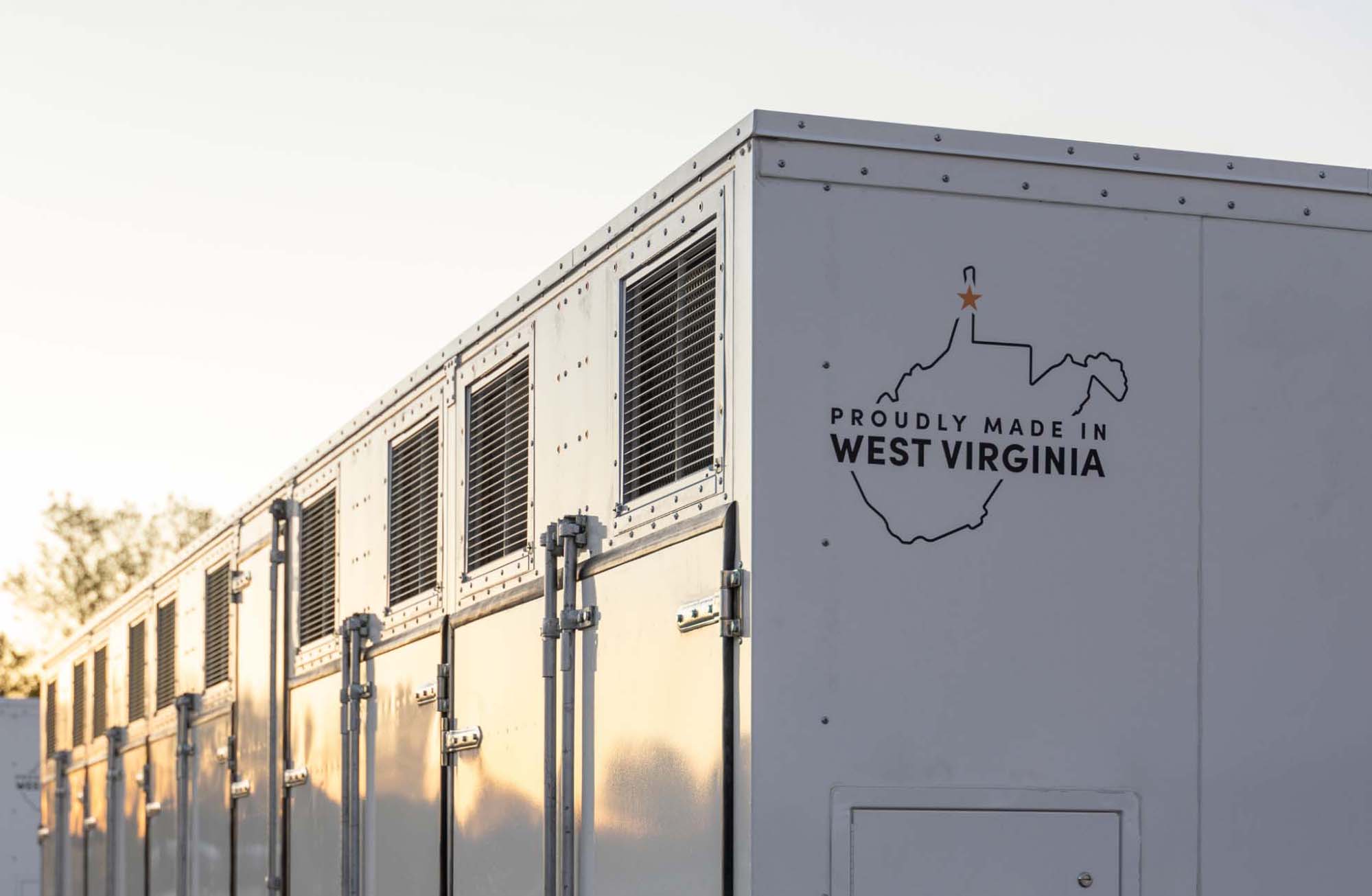
In a significant move that underscores the escalating energy demands of the artificial intelligence era, Google has finalized a $1 billion agreement with energy storage startup Form Energy to deploy a massive iron-air battery system for its newest data center project in Minnesota. This partnership represents one of the largest private investments in long-duration energy storage (LDES) technology to date, signaling a shift in how major technology firms approach the challenge of powering 24/7 operations with intermittent renewable energy sources. The deal facilitates the construction of a grid-scale battery system capable of discharging power for 100 consecutive hours, a feat that far surpasses the capabilities of traditional lithium-ion batteries, which typically exhaust their capacity within four to six hours.
The project is centered in Becker, Minnesota, where Google is developing a multi-billion dollar data center campus. To ensure the facility maintains a carbon-free energy profile, the tech giant is integrating the battery system with a massive portfolio of renewable assets, including 1.4 gigawatts of wind power and 200 megawatts of solar power. By utilizing Form Energy’s proprietary "rust-breathing" technology, Google aims to bridge the "intermittency gap"—the periods when the wind does not blow and the sun does not shine—ensuring a steady, reliable flow of clean electrons to its energy-intensive servers.
The Evolution of Iron-Air Technology
Form Energy’s approach to energy storage is rooted in a fundamental chemical process: the oxidation of iron. Often referred to as a "rust-breathing" battery, the system operates by converting iron metal to iron oxide (rust) during the discharge cycle. As the battery discharges, it breathes in oxygen from the ambient air, which reacts with the iron to release electrons. When the battery is charged using surplus electricity from wind or solar farms, the process is reversed; an electrical current is applied to convert the rust back into metallic iron, releasing oxygen in the process.
This electrochemical cycle is significantly more cost-effective for long-duration applications than lithium-ion chemistry. While lithium-ion remains the gold standard for electric vehicles and short-term grid balancing due to its high energy density and fast response times, the cost of scaling it to provide days of backup power is prohibitively expensive. Iron, by contrast, is one of the most abundant and inexpensive materials on earth. By leveraging this commodity, Form Energy claims it can provide storage at less than one-tenth the cost of lithium-ion technology on a per-kilowatt-hour basis for long durations.
The specific system being deployed for Google is designed to deliver a continuous 300 megawatts of electricity. Over its 100-hour discharge window, the system can provide a total of 30 gigawatt-hours of energy. This duration is critical for surviving "Lulls"—extended periods of low renewable generation that can last for several days, particularly in the Upper Midwest during winter months.
Strategic Context: Google’s 24/7 Carbon-Free Goal
The $1 billion investment is a cornerstone of Google’s ambitious corporate sustainability strategy. In 2020, the company announced a goal to operate entirely on 24/7 carbon-free energy (CFE) across all its data centers and office campuses by 2030. Unlike traditional "net-zero" goals, which allow companies to balance fossil fuel consumption with renewable energy credits purchased elsewhere, 24/7 CFE requires that every hour of electricity consumed on a local grid is matched by a clean energy source.
Achieving this goal is becoming increasingly difficult as Google expands its infrastructure to support generative AI. Large language models (LLMs) require significantly more computational power—and thus more electricity—than traditional search and cloud services. According to industry analysts, a single AI query can consume up to ten times the electricity of a standard Google search. This surge in demand has forced big tech companies to look beyond simple power purchase agreements (PPAs) and toward advanced hardware solutions like LDES, small modular nuclear reactors (SMRs), and enhanced geothermal systems.
The Minnesota project is particularly strategic because it sits within the footprint of the Midcontinent Independent System Operator (MISO) grid. MISO has seen a rapid retirement of coal-fired power plants, including the nearby Sherburne County Generating Station (Sherco). By placing a massive battery and renewable cluster at this location, Google and its utility partner, Xcel Energy, are effectively replacing retiring "baseload" fossil fuel capacity with a "firm" renewable alternative.
Timeline and Manufacturing Milestones
The path to this $1 billion deal has been nearly a decade in the making. Form Energy was founded in 2017 by a team of battery veterans, including CEO Mateo Jaramillo, who previously led Tesla’s stationary storage division. The company spent several years in stealth mode, refining its iron-air chemistry and securing early-stage venture capital from firms like Breakthrough Energy Ventures and TPG Rise Climate.

A critical turning point occurred in 2023 when Form Energy broke ground on "Form Factory 1" in Weirton, West Virginia. The choice of location was symbolic; Weirton was once a thriving steel town, and the battery factory is built on the site of a former steel mill. By repurposing the infrastructure of the old iron industry to build the batteries of the future, Form Energy has positioned itself as a leader in the "green re-industrialization" of the American Rust Belt.
With the Weirton facility now reaching commercial production capacity, the company is prepared to fulfill large-scale orders. Before the Google announcement, Form Energy had secured smaller pilot projects with utilities such as Great River Energy in Minnesota and Georgia Power. However, the Google deal represents the company’s first "giga-scale" commercial validation.
To support this rapid scaling, Form Energy is currently in the process of raising an additional $500 million in funding. This follows previous rounds that have totaled approximately $1.4 billion. Sources close to the company indicate that Form Energy is eyeing an initial public offering (IPO) as early as next year, which would provide the capital necessary to build additional factories and expand its global footprint.
Economic and Policy Implications
The scale of the $1 billion payday for Form Energy highlights the impact of federal policy on the clean energy transition. The Inflation Reduction Act (IRA), passed in 2022, provides significant tax credits for domestic battery manufacturing and standalone energy storage projects. These incentives have drastically improved the bankability of long-duration storage, making it more attractive for corporate giants like Google to sign long-term contracts.
Furthermore, the project is expected to have a substantial local economic impact. The construction of the 1.4 GW wind farm and 200 MW solar array will create thousands of temporary jobs, while the data center and battery facility will provide hundreds of high-tech permanent positions. For the state of Minnesota, the project serves as a blueprint for how to manage the transition away from coal without sacrificing grid reliability or economic stability.
Industry experts suggest that the Google-Form Energy deal will serve as a "market signal" for other tech companies. Amazon, Microsoft, and Meta are all facing similar pressure to decarbonize their growing AI workloads. If the iron-air system proves successful in the harsh Minnesota climate, it could catalyze a wave of similar investments across the global data center industry.
Analyzing the Broader Impact on the Energy Grid
The integration of 100-hour batteries represents a paradigm shift for grid operators. Historically, the primary concern with renewables was "short-term volatility"—clouds passing over a solar array or a sudden drop in wind speed. These issues were manageable with 4-hour lithium-ion batteries. However, the "multi-day problem" remained the Achilles’ heel of a fully renewable grid.
By demonstrating that 300 MW of firm, carbon-free capacity can be delivered via iron-air technology, Google is proving that the grid can function without traditional "peaker" plants—natural gas facilities that only run during times of high demand. As more LDES systems come online, the need for backup gas generation diminishes, further accelerating the decline of carbon emissions in the power sector.
However, challenges remain. Scaling a new electrochemical technology from a factory in West Virginia to a billion-dollar deployment in Minnesota involves significant logistical and engineering hurdles. The performance of the iron-air cells over thousands of cycles must be verified in real-world conditions to ensure they meet the 20-year lifespan typical of utility-grade assets.
Conclusion
The $1 billion agreement between Google and Form Energy is more than just a procurement deal; it is a high-stakes bet on the future of the American energy grid. For Google, it is a necessary investment to safeguard its 2030 climate goals against the backdrop of an AI-driven power surge. For Form Energy, it is a definitive transition from a venture-backed startup to a major industrial player. As the world watches the implementation of this "rust-powered" solution in the plains of Minnesota, the project stands as a testament to the innovation required to balance the digital demands of tomorrow with the environmental imperatives of today. The success of this venture could very well determine the trajectory of long-duration energy storage for decades to come, providing a scalable, affordable, and sustainable template for the global energy transition.