
 admin
admin
The financial markets reacted sharply to Gemini Space Station (GEMI) on Tuesday, with the cryptocurrency exchange’s shares experiencing a significant drop of approximately 14%, settling around the $6.50 mark. This precipitous decline followed the company’s public disclosure of substantial financial losses and a dramatic overhaul of its senior leadership team. The news, disseminated through a U.S. Securities and Exchange Commission (SEC) filing, revealed the immediate departures of three key executives: Chief Operating Officer Marshall Beard, Chief Financial Officer Dan Chen, and Chief Legal Officer Tyler Meade.
H2: Executive Departures Trigger Investor Unease
The resignations, effective immediately, have sent ripples of concern through the investment community. Marshall Beard, in addition to stepping down as COO, also relinquished his seat on the company’s board of directors. While the SEC filing explicitly stated that Beard’s resignation from the board "was not the result of any disagreement," the simultaneous departure of multiple high-ranking officials inevitably raises questions about the internal stability and future direction of Gemini Space Station.
The exodus leaves a considerable void in the company’s operational, financial, and legal leadership. Gemini has indicated that there are currently no immediate plans to appoint a new Chief Operating Officer. Instead, co-founder Cameron Winklevoss is expected to absorb many of Beard’s responsibilities, in addition to his existing duties. This move suggests a consolidation of leadership at the top, potentially signaling a period of direct executive oversight and strategic redirection. The Chief Accounting Officer, Danijela Stojanovic, has been appointed as the interim CFO, tasked with navigating the company’s financial landscape during this transition.
H2: Financial Performance Under Scrutiny
Adding to the market’s apprehension, Gemini Space Station’s recent SEC filing also provided a stark outlook on its financial performance. The company anticipates reporting a substantial net loss for the fiscal year 2025, with projections ranging between $587 million and $602 million. This significant deficit is a critical factor contributing to the investor jitters, highlighting the financial challenges the exchange is currently facing.
Despite these financial headwinds, the company did report a positive trend in user engagement. As of December 31, 2025, Gemini recorded 600,000 monthly transacting users, marking a 17% increase compared to the previous year. This metric, while encouraging, appears insufficient to offset the concerns generated by the substantial projected losses and leadership instability.
H3: Gemini’s Market Position
According to data from CoinGecko, Gemini currently ranks 19th among centralized cryptocurrency exchanges (CEXs) globally. Its 24-hour trading volume stands at approximately $31.9 million. This ranking places it within the competitive landscape of digital asset trading platforms, where operational efficiency and financial solvency are paramount for investor confidence.
H2: A Broader Industry Downturn and Gemini’s Recent Struggles
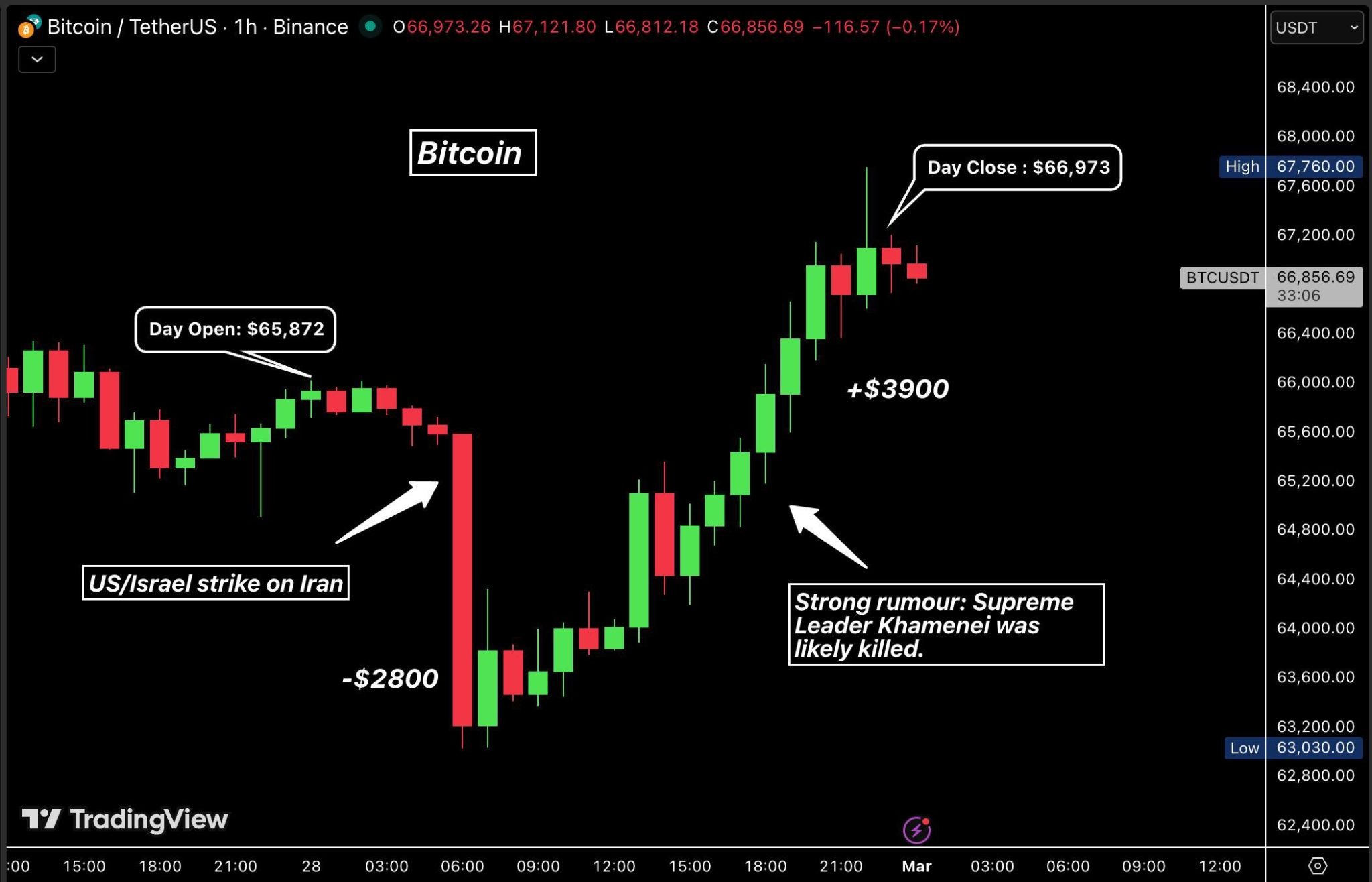
The leadership shake-up and financial disclosures from Gemini Space Station occur against the backdrop of a broader, ongoing downturn in the cryptocurrency markets. Bitcoin, the flagship cryptocurrency, has seen a notable decline, trading at $67,000, down 25% over the past three months, as reported by CoinGecko. This prevailing market weakness can exacerbate the challenges faced by individual companies within the sector, making it more difficult to attract and retain investor capital.
The recent leadership changes are not isolated incidents. They follow Gemini’s announcement just two weeks prior, as reported by the Wall Street Journal, of its intention to implement significant workforce reductions, cutting up to 25% of its staff. This broad restructuring initiative underscores a period of intense recalibration for the company, likely driven by a need to streamline operations and address financial pressures.
H3: Historical Performance and Market Entry
Gemini Space Station, which went public in September 2025, has experienced a marked downturn in its market performance since its initial public offering. The company’s total assets have also seen a significant contraction, falling from approximately $10.8 billion in October to about $5.2 billion, according to data from DeFiLlama. This sharp decline in asset value further amplifies investor concerns about the company’s financial health and operational sustainability.
Gemini’s IPO in 2025 occurred during a period of heightened investor enthusiasm for the cryptocurrency sector. Several crypto firms pursued initial public offerings, capitalizing on strong demand for industry-related stocks. The subsequent market shifts and the company’s current challenges highlight the inherent volatility and risk associated with the rapidly evolving digital asset landscape.
H2: Chronology of Recent Events
To better understand the context of Gemini Space Station’s current predicament, a chronological overview of recent significant events is illuminating:
- September 2025: Gemini Space Station successfully completes its Initial Public Offering (IPO), entering the public market amidst a wave of cryptocurrency companies seeking to list.
- Late 2025 – Early 2026: The company begins to experience a significant downturn in its stock performance and a contraction in its total asset value.
- February 2026 (Weeks Prior to Current Filing): Gemini announces its intention to lay off up to 25% of its workforce, signaling a period of significant restructuring and cost-cutting measures.
- February 17, 2026: Gemini Space Station files an 8-K with the SEC, disclosing the immediate resignations of its Chief Operating Officer, Chief Financial Officer, and Chief Legal Officer, and providing projections for a substantial net loss in fiscal year 2025.
- February 18, 2026 (Current Reporting Period): The company’s stock price plummets by approximately 14% following the public disclosure of leadership changes and financial outlook.
H2: Analysis of Implications
The convergence of executive departures, substantial financial losses, and broader market weakness presents a formidable challenge for Gemini Space Station. The immediate impact of the stock price drop reflects a clear loss of investor confidence. The departure of key leadership figures, particularly without immediate replacements for critical roles like COO, suggests a period of uncertainty regarding strategic direction and operational continuity.
The projected net loss of nearly $600 million for 2025 is a significant red flag. In the highly competitive cryptocurrency exchange market, profitability and financial stability are crucial differentiators. Investors will be closely watching how the interim CFO and the remaining leadership team manage the company’s finances and implement any necessary cost-containment measures.
The decision to have co-founder Cameron Winklevoss assume additional responsibilities signals a potential for direct executive intervention in day-to-day operations. While this can sometimes lead to swift decision-making, it can also place immense pressure on a single individual and may indicate a lack of depth in the current executive bench.
The company’s user growth, while positive, may not be enough to reassure investors in the short term, especially when juxtaposed against the financial losses. The long-term success of Gemini Space Station will likely depend on its ability to demonstrate a clear path to profitability, stabilize its leadership, and navigate the volatile cryptocurrency market with a robust and well-executed strategy.
The layoffs and leadership changes could also impact employee morale and the company’s ability to attract top talent in the future, further complicating its recovery efforts. The coming months will be critical for Gemini Space Station as it seeks to regain investor trust and re-establish a stable foundation for future growth.
The Defiant has reached out to Gemini Space Station for comment on the recent developments but had not received a response at the time of publication. The company’s ability to articulate a compelling turnaround strategy and execute it effectively will be closely scrutinized by the market.