admin
admin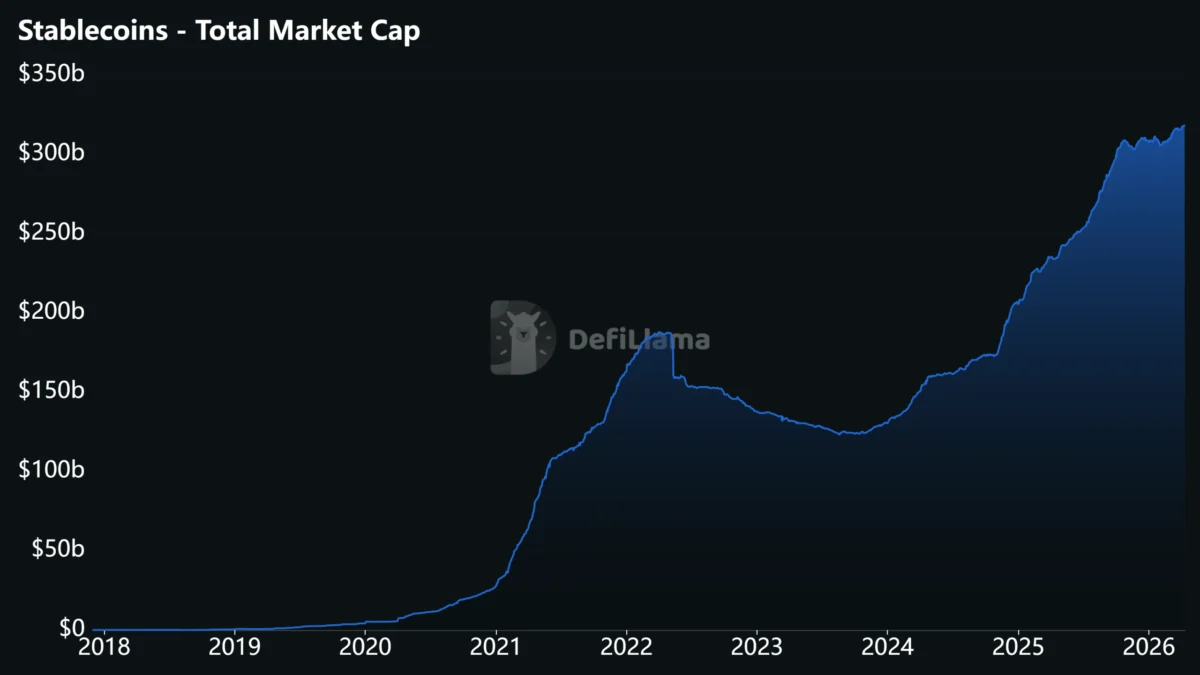
Today’s cryptocurrency landscape presents a multifaceted picture of market volatility, institutional integration, and evolving privacy concerns. A week-old recovery in Bitcoin (BTC) is characterized as fragile by analysts, primarily due to persistent geopolitical tensions in the Middle East and their cascading macroeconomic effects, which are expected to influence global markets for years to come. Simultaneously, Europe is witnessing a significant pivot in stablecoin adoption, moving from strategic exploration to active implementation within established financial institutions, largely propelled by the clarity offered by new regulatory frameworks. Concurrently, a stark warning from Telegram co-founder Pavel Durov highlights a critical vulnerability in digital privacy, where push notifications, even from end-to-end encrypted applications, could serve as a backdoor for unauthorized data access.
Bitcoin’s Precarious Path: Geopolitics and Macroeconomics Cloud Recovery
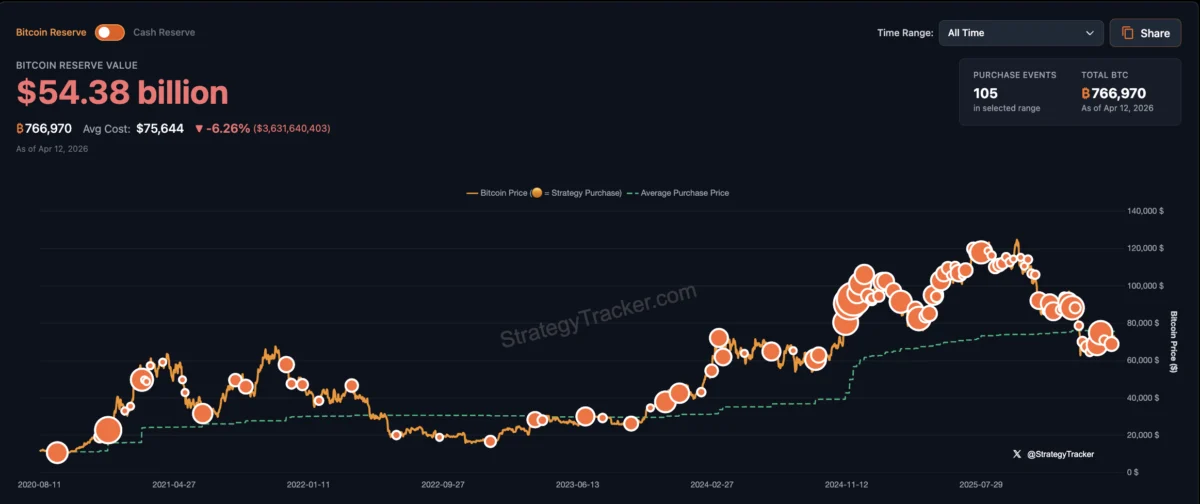
The recent upturn in Bitcoin’s price, though welcomed by investors, is being viewed with caution by market analysts. Nic Puckrin, a prominent crypto market analyst and founder of Coin Bureau, has emphatically stated that the nascent recovery is "fragile." His assessment underscores the profound impact of ongoing geopolitical and macroeconomic headwinds stemming from the protracted conflict in the Middle East. This sentiment resonates with a broader market apprehension that global instability could continue to dampen investor confidence in risk assets like cryptocurrencies.
Puckrin’s long-term outlook is particularly sobering, suggesting that even an immediate cessation of hostilities would not erase the economic repercussions. He predicts that the "repercussions will likely be the story of 2026, and certainly the dominant narrative for Q2," indicating a prolonged period of market sensitivity to these geopolitical tremors. This extended timeline for economic fallout suggests that the traditional safe-haven narrative for Bitcoin might be challenged by its increasing correlation with broader financial markets, especially during periods of high inflation and uncertainty.
A key factor influencing this fragility is the persistent inflationary pressure, which has been exacerbated by the Middle East conflict. The latest Consumer Price Index (CPI) report from the US Bureau of Labor Statistics (BLS), published recently, revealed an inflationary spike that has significantly chilled hopes for imminent interest rate cuts by central banks, particularly the U.S. Federal Reserve. Historically, rate cuts or credit easing policies tend to stimulate asset prices across the board, including cryptocurrencies, by making borrowing cheaper and encouraging investment in higher-risk, higher-reward ventures. Conversely, an environment of sustained high interest rates makes less liquid or more volatile assets like Bitcoin less attractive compared to traditional, yield-bearing investments such as government bonds or savings accounts.

Puckrin’s expectation that a rate cut may not materialize until "late Q3 or Q4, if at all," in 2026, paints a picture of a prolonged period of tight monetary policy. This scenario creates an uphill battle for Bitcoin to sustain any significant upward momentum. While a weekly close above the $71,000 mark could signal continued upside, with resistance forming around the $74,000 level, the broader technical indicators suggest caution. Bitcoin continues to trade below its 200-day exponential moving average (EMA), a widely watched technical indicator that often signifies long-term market sentiment. A price consistently below the 200-day EMA typically suggests that the asset is in a downtrend or consolidation phase, reinforcing the analyst’s "fragile" assessment.
The Middle East conflict, through its impact on global energy prices and supply chains, feeds directly into inflation, creating a complex feedback loop. Higher energy costs increase production and transportation expenses for businesses, which are then passed on to consumers, further fueling inflationary spirals. This inflationary pressure then forces central banks to maintain hawkish monetary policies, thereby creating an unfavorable environment for speculative assets. Investors, therefore, are not just watching Bitcoin’s charts but are keenly monitoring geopolitical developments and macroeconomic data points, understanding their intricate connection to the cryptocurrency’s near-term trajectory.
Europe Embraces Stablecoins: From Discussion to Deployment with Regulatory Certainty
In stark contrast to Bitcoin’s cautious outlook, the adoption of stablecoins within Europe is undergoing a transformative phase, shifting decisively from theoretical discussions to active implementation. Lamine Brahimi, co-founder and managing partner at Taurus, a crypto custody technology provider, observes that banks and corporate entities across the continent are no longer merely exploring the potential of stablecoins but are now "actively selecting infrastructure partners" to facilitate their integration.
This rapid acceleration marks a significant evolution from just eighteen months ago, when most conversations were primarily "educational," focused on understanding the fundamental nature of stablecoins and assessing their inherent risks. Today, Brahimi notes, firms with explicit board-level approval are preparing for live deployments, signaling a profound shift in institutional perception and strategic priorities. This pivot is largely attributed to the landmark Markets in Crypto-Assets Regulation (MiCA), which has emerged as a critical catalyst.
MiCA, a comprehensive regulatory framework for crypto-assets across the European Union, has played an instrumental role in de-risking the stablecoin landscape for traditional financial institutions. By replacing a patchwork of fragmented national rules with a single, harmonized regulatory regime, MiCA provides unprecedented clarity and legal certainty. This regulatory transparency is crucial for banks and large corporations, which operate under stringent compliance requirements and cannot afford to engage with assets lacking clear legal definitions or operational guidelines. The regulation provides a framework for the authorization and supervision of crypto-asset service providers, ensuring consumer protection and market integrity, thereby fostering an environment conducive to institutional adoption.

Brahimi highlights a consensus emerging among "some of Europe’s most stringent financial institutions" over the past year: "digital assets, including stablecoins, belong inside the existing banking stack, not beside it." This statement signifies a fundamental change in how traditional finance views cryptocurrencies. Instead of treating them as an external, parallel system, institutions are now recognizing stablecoins as integral components that can enhance and modernize existing financial infrastructure. This integration strategy aims to leverage the benefits of blockchain technology—such as speed, efficiency, and transparency—within the familiar and trusted operational frameworks of conventional banking.
The primary drivers behind this surging demand are corporate treasury teams. Initially, their focus was predominantly on payments and settlement, seeking to harness stablecoins for faster fund transfers, significant cost reductions, and the ability to operate outside traditional banking hours. The 24/7 nature of blockchain networks offers a distinct advantage over legacy systems, which are often constrained by business days and time zones. This capability is particularly appealing for international transactions, where delays and high foreign exchange fees are common pain points.
Beyond payments, the broader implications of stablecoin integration are vast. Corporate treasuries could utilize stablecoins for more efficient liquidity management, real-time reconciliation, and potentially even for facilitating complex trade finance operations. The programmability of stablecoins, allowing for automated payments and conditional transactions, could unlock new efficiencies across various business processes. As MiCA continues to provide a robust regulatory foundation, it is anticipated that the scope of stablecoin use cases within European financial institutions will expand significantly, paving the way for a more digitized and efficient financial ecosystem.
The Silent Threat: Pavel Durov Warns of Push Notification Privacy Backdoors
Amidst the dynamic shifts in crypto markets and institutional adoption, a critical warning from Pavel Durov, the enigmatic co-founder of the Telegram messaging application, has cast a spotlight on a pervasive yet often overlooked vulnerability in digital privacy: push notifications. Durov has sounded a significant alarm, cautioning that data stored in push notification logs on users’ devices could be exploited to breach privacy and gain unauthorized access to message histories, even for applications boasting end-to-end encryption.
Durov’s warning is not hypothetical but stems from concrete evidence, citing recent reports detailing how forensic analysts at the US Federal Bureau of Investigation (FBI) successfully retrieved messages sent on Signal, a messaging application renowned for its robust privacy-preserving features, by accessing push notification system logs on an Apple iPhone. This incident underscores a profound paradox: while the content of messages might be securely encrypted from sender to receiver, the metadata generated by the notification system itself can create a forensic trail that circumvents these security measures.

Explaining the mechanism, Durov elaborated that "Turning off notification previews won’t make you safe if you use those applications, because you never know whether the people you message have done the same." This statement highlights a collective vulnerability; even if an individual user meticulously manages their own notification settings, the actions of their contacts, or the inherent design of the operating system’s notification handling, can still expose sensitive information. Push notification logs, typically managed by the device’s operating system (like iOS or Android), often store information such as the sender, the time a message was received, and sometimes even truncated snippets of the message content. This data, while seemingly innocuous on its own, can be pieced together by forensic tools to reconstruct a significant portion of a conversation history, revealing patterns of communication and potentially sensitive interactions.
The FBI’s success in accessing Signal messages via notification logs despite the app’s strong end-to-end encryption illustrates a critical distinction between application-level security and device-level data persistence. End-to-end encryption secures the communication channel, ensuring that messages are unreadable by third parties during transit. However, once a message arrives on a device, the operating system processes it to generate a notification. This processing can leave traces in system logs, which are often designed for debugging or system performance monitoring, not for privacy protection. These logs can persist on the device for extended periods, even after messages are deleted within the application, making them a valuable target for law enforcement or malicious actors with physical access to the device or advanced forensic capabilities.
The incident carries significant implications for online user privacy and the broader digital security landscape. It demonstrates that the effectiveness of end-to-end encryption can be undermined if applications generate metadata or other ancillary information that can be stored and later accessed outside the application’s direct control. For app developers, this raises the imperative to reconsider how their applications interact with device operating systems, particularly concerning notification handling and data logging. It also highlights the ongoing tension between user privacy, technological design, and the demands of law enforcement for data access. Users are now faced with the sobering reality that even their most secure communication tools might have unforeseen vulnerabilities at the operating system level, prompting a reevaluation of digital habits and a demand for greater transparency from both app developers and device manufacturers regarding data retention and accessibility.
In conclusion, the cryptocurrency and digital communication spheres are at a critical juncture. While Bitcoin navigates a period of uncertainty driven by global geopolitical and macroeconomic forces, the institutional embrace of stablecoins in Europe signals a maturing market, buoyed by regulatory clarity. Simultaneously, the stark warning from Telegram’s founder serves as a potent reminder that the pursuit of digital privacy is an ongoing battle, requiring constant vigilance against evolving threats, even from seemingly benign features like push notifications. The coming years will undoubtedly witness further developments in all these areas, shaping the future of finance and personal data security.