
 admin
admin
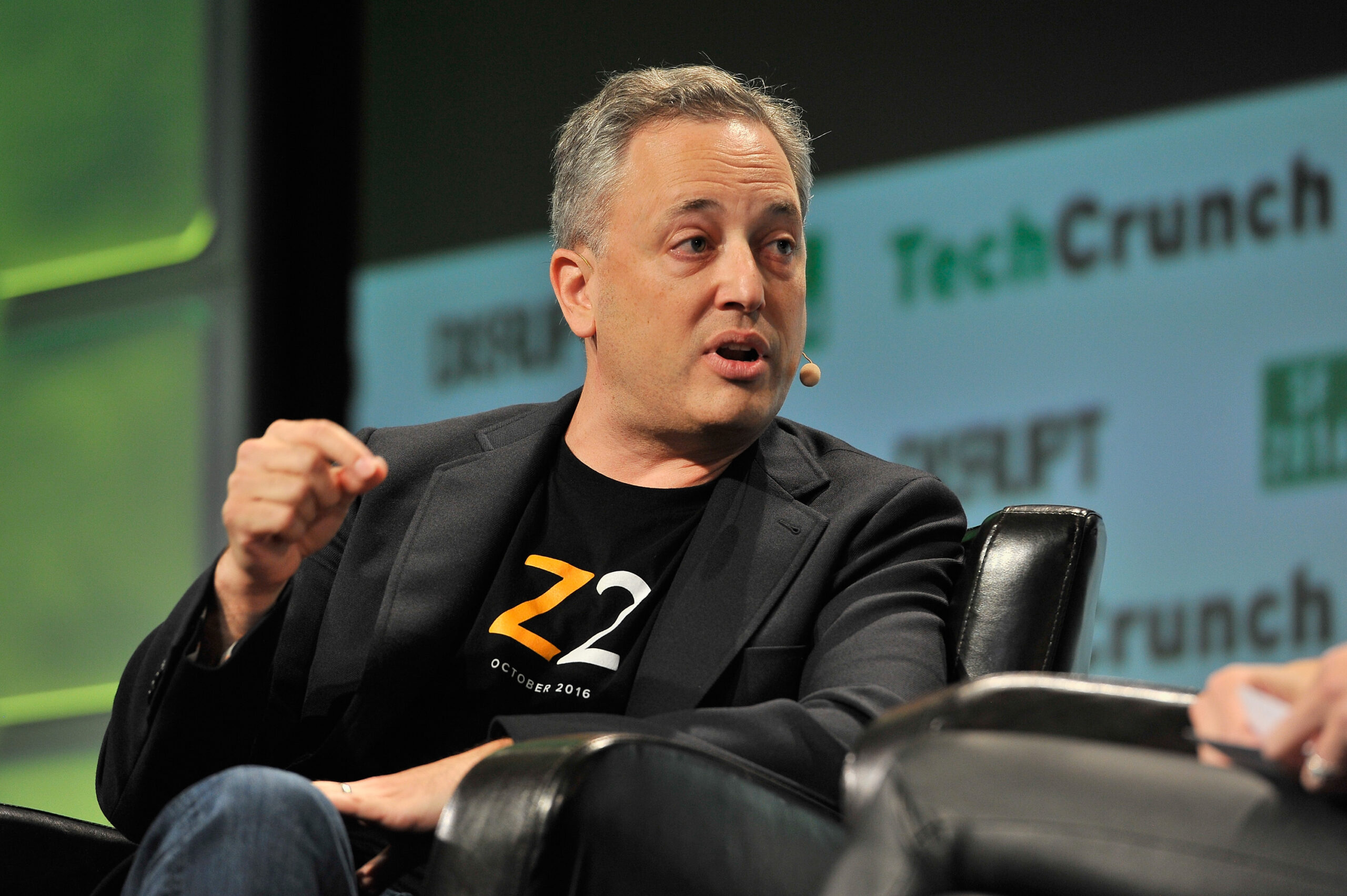
The appointment of venture capitalist David Sacks as President Donald Trump’s high-level advisor on artificial intelligence and cryptocurrency has ignited a firestorm of ethical scrutiny, following an extensive investigative report detailing potential overlaps between his public duties and private financial interests. The report, published by The New York Times, suggests that Sacks’ strategic position within the administration could provide significant advantages to his extensive portfolio of tech investments, as well as those of his close associates in Silicon Valley. Sacks, a prominent figure in the "PayPal Mafia" and co-founder of Craft Ventures, has forcefully denied these claims, characterizing the investigation as a coordinated attempt to undermine his work through "anecdotes that don’t support the headline."
As the "AI and Crypto Czar," Sacks occupies a pivotal role in shaping the regulatory landscape for the most transformative technologies of the 21st century. However, the dual nature of his status as a private investor and a public policymaker has raised questions about the efficacy of current federal ethics laws and the transparency of the administration’s "Special Government Employee" framework.
The Scope of the Investigation and Financial Disclosures
The investigative report, which involved five bylined reporters and a five-month research period, provides a comprehensive analysis of Sacks’ financial disclosures. According to the findings, Sacks holds interests in approximately 708 tech-related entities. Of these, 449 are identified as artificial intelligence companies—a sector that stands to gain immensely from the deregulatory and pro-growth AI policies Sacks is currently spearheading for the White House.
A central point of contention involves the classification of these investments. The report alleges that Sacks’ filings frequently categorize hundreds of companies under broad labels such as "hardware" or "software," rather than specifically identifying them as AI firms. Conversely, the investigation notes that many of these same companies explicitly market themselves as AI-driven businesses to potential clients and investors. This discrepancy has led critics to argue that the true extent of Sacks’ potential conflicts is being obscured from public and regulatory oversight.
While Sacks has received two White House ethics waivers—documents that ostensibly permit him to serve while maintaining certain private interests—the report highlights significant gaps in public knowledge. Specifically, the filings do not disclose the remaining market value of the crypto and AI assets Sacks has retained, nor do they provide a precise timeline for when he divested the assets he was required to sell.
The July AI Summit and the All-In Podcast Controversy
One of the most specific illustrations of what the report calls "intertwined interests" occurred during a high-profile White House summit in July 2025. The event was intended to serve as the platform for President Trump to unveil his administration’s "AI Roadmap," a strategic document outlining the future of American technological dominance.
Internal reports suggest that the organization of the summit was fraught with tension between the White House and Sacks’ private media interests. Susie Wiles, the White House Chief of Staff, reportedly intervened to prevent the All-In podcast—which Sacks co-hosts alongside fellow investors Chamath Palihapitiya, Jason Calacanis, and David Friedberg—from serving as the sole host of the event.
Furthermore, the investigation claims that the All-In podcast team solicited potential sponsors for the event, allegedly asking for up to $1 million in exchange for access to a private reception and other exclusive networking opportunities. While Sacks’ legal team has since denied these claims, the optics of a private media entity potentially monetizing a White House policy event have provided significant ammunition to government ethics watchdogs.
The Nvidia Connection and Global Trade Policy
Beyond domestic policy, the report delves into Sacks’ influence on international trade and the global semiconductor supply chain. Sacks reportedly developed a close relationship with Nvidia CEO Jensen Huang throughout the spring of 2025. Nvidia, as the primary manufacturer of the H100 and Blackwell chips essential for training large language models (LLMs), sits at the center of the global AI arms race.
The report suggests that Sacks has played a key role in advocating for the removal of certain restrictions on Nvidia’s chip sales. Most notably, this includes pushing for eased regulations on exports to China—a move that would represent a significant shift in U.S. trade policy, which has previously focused on "de-risking" and limiting China’s access to high-end computing power. Proponents of this shift argue it is necessary to maintain the global market share of American firms, while critics warn it could compromise national security and provide a technological edge to a primary geopolitical rival.
Official Responses and Legal Defense
In the wake of the report’s publication, David Sacks utilized his platform on X (formerly Twitter) to issue a point-by-point rebuttal. He described the report as a "nothing burger" and released a formal letter from the law firm Clare Locke, which he retained to represent his interests. The letter argues that the reporting process was biased from the start, claiming that journalists were given "clear marching orders" to manufacture a conflict of interest where none existed.
The legal defense specifically addressed the All-In podcast’s involvement in the AI summit. According to Sacks’ lawyers, the podcast actually "lost money" hosting the event. They asserted that the summit was a non-profit endeavor and that the two sponsors brought on board received only "logo placements" rather than VIP access or private meetings with the President. "No access to President Trump was ever offered, and no VIP reception ever took place," the letter stated.
Jessica Hoffman, a spokesperson for Sacks, reiterated that he has fully complied with all rules governing special government employees. She emphasized that the Office of Government Ethics (OGE) determined which investments required divestment and argued that Sacks’ decision to serve in the government has actually resulted in a net financial loss for him due to the time taken away from his private business ventures.
White House spokesperson Liz Huston also defended Sacks, calling him an "invaluable asset" to the administration. She maintained that his expertise is essential for the President’s goal of "cementing American technology dominance" and that his background in the private sector is a feature, not a bug, of his service.
Political Reactions and Ethics Expert Analysis
The controversy has drawn reactions from across the political spectrum, highlighting a rare moment of alignment between progressives and certain factions of the populist right. Senator Elizabeth Warren, a long-standing critic of the influence of "big tech" in government, had previously questioned Sacks’ role earlier in the year. Warren argued that leading a firm invested in crypto while simultaneously guiding national crypto policy constitutes an "explicit conflict of interest" that would typically be prohibited under federal law for standard government employees.
Conversely, Steve Bannon, a former Trump advisor and influential figure in the MAGA movement, has also voiced criticism. Bannon, who has frequently clashed with the Silicon Valley wing of the Republican Party, remarked that Sacks is emblematic of an administration where "the tech bros are out of control." This internal friction suggests that Sacks’ role may be a flashpoint for broader debates within the party regarding the relationship between the government and the billionaire class.
Kathleen Clark, a law professor at Washington University and an expert in government ethics, offered a blunt assessment of the situation. After reviewing Sacks’ crypto waiver in mid-2025, she described the arrangement as "graft," noting that the blurring of lines between personal profit and public service undermines public trust in democratic institutions.
Broader Implications for US Tech Policy
The outcome of this controversy could have lasting implications for how the U.S. government integrates private-sector expertise. The use of "Special Government Employees" (SGEs) allows the administration to bring in specialists for a limited time without requiring them to fully divest their complex financial portfolios. While this provides the government with high-level technical knowledge, it creates a "revolving door" that ethics advocates argue is ripe for exploitation.
If the allegations against Sacks lead to increased oversight or a tightening of ethics rules, it could slow the pace of the administration’s AI roadmap and its plans to deregulate the cryptocurrency market. For the tech industry, the stakes are high: the policies currently under development will determine how AI is governed, how data privacy is handled, and whether the U.S. will remain the global hub for digital asset innovation.
As the administration continues its push for technological dominance, the debate over David Sacks’ dual role remains a test case for the Trump administration’s "disruptive" approach to governance. Whether Sacks is seen as a visionary bringing necessary expertise to Washington or a private actor using the levers of power for personal gain will likely depend on the transparency of his future financial disclosures and the tangible results of the policies he helps implement.