
 admin
admin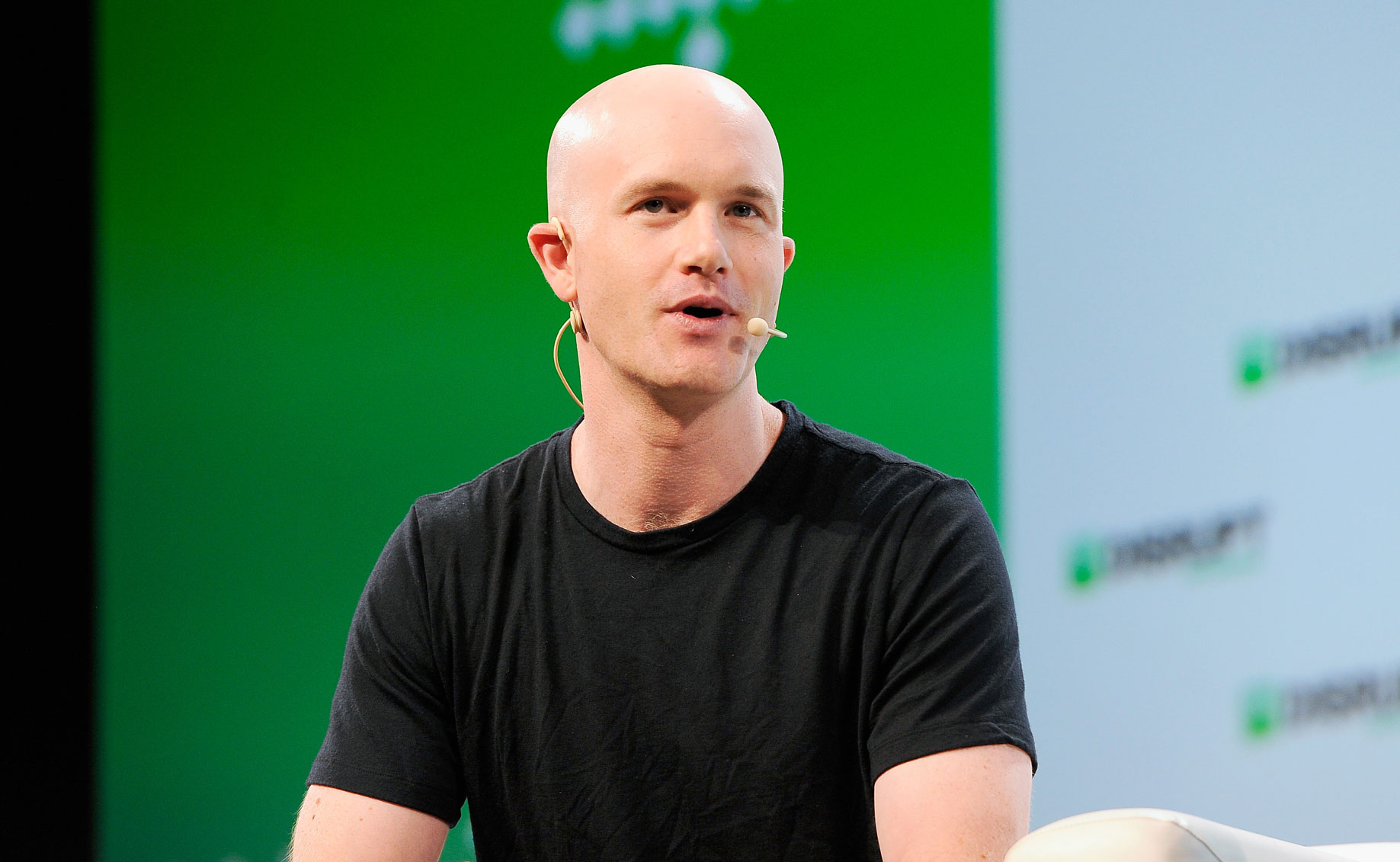
The landscape of corporate earnings calls, traditionally characterized by scripted financial disclosures and measured responses to analyst inquiries, took an unconventional turn on Thursday when Coinbase Global Inc. Chief Executive Officer Brian Armstrong openly acknowledged and influenced active prediction markets during the company’s third-quarter earnings presentation. Toward the conclusion of the call, Armstrong admitted to being "a little bit distracted" because he had been monitoring real-time wagers on whether he would utter specific industry keywords. This admission, and the subsequent "word salad" intended to trigger payouts for certain bettors, has sparked a heated debate regarding market integrity, executive conduct, and the ongoing tension between the "crypto-native" culture and the rigorous standards of institutional finance.
The Sequence of Events: A Departure from Corporate Norms
During the Q3 2025 earnings call, intended to provide shareholders with clarity on Coinbase’s financial health and strategic direction, Armstrong veered off-script to address "mention markets" hosted on platforms such as Kalshi and Polymarket. These markets allow users to bet on the occurrence of specific events, including whether public figures will use particular phrases during televised appearances or official statements.
"I just want to add here the words Bitcoin, Ethereum, Blockchain, Staking, and Web3 to make sure we get those in before the end of the call," Armstrong stated, explicitly acknowledging that his intent was to satisfy the conditions of the prediction markets he was tracking. By blurting out these terms without immediate contextual relevance to the financial discussion at hand, Armstrong ensured that users who had wagered on the inclusion of these words would see their bets pay off.
The incident was not merely a passing comment but a deliberate engagement with a burgeoning sector of the digital economy that Coinbase itself is actively pursuing. Following the call, Armstrong took to the social media platform X (formerly Twitter) to clarify the spontaneity of the moment, writing, "lol this was fun — happened spontaneously when someone on our team dropped a link in the chat."
The Mechanics and Financials of Mention Markets
The specific markets Armstrong referenced are known as "mention markets," a niche but rapidly growing segment of the prediction market ecosystem. Unlike broader markets that predict election outcomes or macroeconomic shifts, mention markets are highly granular and, as demonstrated by Armstrong’s actions, susceptible to direct influence by the subjects of the bets.
According to data reported by Bloomberg, a total of approximately $84,000 had been wagered across Kalshi and Polymarket on whether specific cryptocurrency-related terms would be spoken during the Coinbase call. While the dollar amount is relatively small compared to the billions of dollars in daily trading volume handled by Coinbase’s exchange, the principle of an executive deliberately moving a market—even a niche one—has raised significant concerns among industry watchdogs and investment professionals.
Prediction markets like Polymarket, which operates on the blockchain, and Kalshi, which recently won a landmark legal battle against the Commodity Futures Trading Commission (CFTC) to offer election betting in the United States, rely on the premise of the "wisdom of the crowd" to provide accurate forecasts. However, when the outcome of a market is determined by the voluntary actions of a single individual who is aware of the wagers, the market ceases to be a predictive tool and becomes a target for manipulation.
Institutional Backlash and Ethical Concerns
The reaction from the professional investment community was swift and largely critical. Jeff Dorman, the Chief Investment Officer at digital assets investment firm Arca, expressed profound disappointment in Armstrong’s conduct. In a widely circulated post on X, Dorman argued that such behavior undermines years of effort to bring institutional legitimacy to the cryptocurrency sector.
"You need your head examined if you think it’s cute or clever or savvy that the CEO of the biggest company in this industry openly manipulated a market," Dorman wrote. He emphasized the difficulty of educating institutional investors on the value of crypto as an investable asset class when a primary industry leader "openly mocks the industry with crap like this."
Dorman’s critique highlights a fundamental divide in the crypto world. On one side are the "crypto-natives" who embrace the experimental, often irreverent, and decentralized nature of the technology. On the other are the institutionalists who believe that for cryptocurrency to achieve global adoption, its leaders must adhere to the same fiduciary and ethical standards as executives at firms like Goldman Sachs or JPMorgan Chase.
Polymarket, one of the platforms where the bets were hosted, reacted to the event by calling Armstrong’s comments "diabolical work" on social media. While the tone was somewhat tongue-in-cheek, it underscored the reality that Armstrong had essentially hijacked the platform’s data integrity for a moment of levity.
Coinbase’s Strategic Interest in Prediction Markets
The irony of Armstrong’s actions is deepened by Coinbase’s own strategic investments in the prediction market space. The company has moved to support prediction markets through its "Everything Exchange" initiative, a project Armstrong touted during the same earnings call. Furthermore, Coinbase has established financial ties with the very platforms involved in this incident, having invested in both Kalshi and Polymarket.
As Coinbase seeks to diversify its revenue streams beyond transaction fees from retail trading, prediction markets represent a significant growth opportunity. These markets are increasingly viewed as a superior alternative to traditional polling and as a way to hedge against various real-world risks. By integrating these features into its ecosystem, Coinbase aims to become a central hub for all forms of digital asset interaction.
However, the dual role of being both a market participant (via investment) and a market influencer (via executive speech) creates a complex web of potential conflicts of interest. In response to the controversy, a Coinbase spokesperson told Bloomberg that the company maintains strict internal policies prohibiting employees from participating in prediction markets or related activities involving the company. This policy is intended to prevent insider trading and maintain the appearance of neutrality, though it does not explicitly cover an executive’s ability to influence the outcome of markets for others.
Timeline of the Controversy
To understand the full impact of the event, it is necessary to look at the chronology of the day’s proceedings:
- Thursday, 4:00 PM ET: Coinbase releases its Q3 2025 earnings report, showing mixed results that initially led to a dip in after-hours trading.
- 4:30 PM ET: The earnings call begins with prepared remarks from Armstrong and CFO Alesia Haas, focusing on revenue growth, the expansion of the Base Layer-2 network, and stablecoin integration.
- 5:15 PM ET: During the Q&A and closing segment, Armstrong notices a link shared by his team regarding the mention markets on Kalshi and Polymarket.
- 5:20 PM ET: Armstrong makes the "word salad" comments, explicitly naming Bitcoin, Ethereum, Blockchain, Staking, and Web3 to trigger the market payouts.
- Thursday Evening: Clips of the call go viral on X. Industry figures like Jeff Dorman post their critiques, while the broader crypto community debates whether the move was "based" (authentic) or "unprofessional."
- Friday Morning: Financial news outlets, including Bloomberg and TechCrunch, report on the incident, framing it as a vulnerability in the integrity of prediction markets.
Analysis: Implications for Executive Conduct and Market Integrity
The "Armstrong Stunt," as it is being termed by some analysts, serves as a case study for the vulnerabilities inherent in niche prediction markets. While predicting the weather or an election involves variables outside of any single person’s control, "mention markets" are uniquely fragile. They rely on the assumption that the speaker will remain unaware of the market or will act with enough professional decorum to ignore it.
From a regulatory perspective, Armstrong’s actions occupy a grey area. While market manipulation typically involves the intent to deceive investors for financial gain in securities markets, the legal status of influencing a "mention market" on a platform like Polymarket is less clear. However, for a CEO of a publicly traded company (NASDAQ: COIN), any action that suggests a lack of seriousness or a willingness to "game" financial systems can attract unwanted scrutiny from the Securities and Exchange Commission (SEC).
Furthermore, this incident may force prediction market platforms to reconsider how they structure their "mention" contracts. If outcomes can be dictated by the whims of the subject, the "odds" provided by the market are no longer based on probability but on the potential for a "stunt." This could lead to a loss of liquidity in such markets as bettors realize the "house" (or the subject) can change the outcome at will.
The Cultural Divide in the Digital Asset Industry
Ultimately, the controversy reflects the ongoing identity crisis of the cryptocurrency industry. Brian Armstrong has long positioned Coinbase as the "grown-up" in the room—the company that welcomes regulation and seeks to play by the rules. This reputation was a cornerstone of Coinbase’s successful 2021 IPO.
However, Armstrong’s recent actions suggest a desire to maintain a connection with the "degens" (decentralized finance enthusiasts) who represent the industry’s core user base. In doing so, he risks alienating the institutional "suits" whose capital is required for the next phase of the industry’s evolution.
As Coinbase continues to build out its "Everything Exchange" and deepens its involvement in the prediction market sector, the company will likely face increased pressure to establish clearer boundaries between corporate communication and market-moving behavior. The challenge for Armstrong will be to balance the "fun" and spontaneity of the crypto culture with the gravity required to lead a multi-billion-dollar public institution.
The fallout from the Q3 earnings call serves as a reminder that in the age of real-time digital markets, every word spoken by a CEO is not just information—it is a potential commodity. Whether this event is remembered as a harmless joke or a pivotal moment of institutional erosion will depend on how Coinbase and its leadership navigate the increasingly blurred lines between the boardroom and the blockchain.