
 admin
admin
The year 2025 has unequivocally marked a watershed moment for Chainlink, as its oracle platform became the undisputed industry standard for integrating real-world data with burgeoning onchain financial systems. This period witnessed an accelerated paradigm shift, with governments publishing critical economic datasets directly onchain, global banks executing complex cross-chain transactions with unprecedented efficiency, and major asset managers leveraging public blockchains for tokenized funds. The widespread alignment of traditional financial market infrastructures around Chainlink’s robust standards underscored a fundamental re-architecture of global finance, positioning the decentralized oracle network as a foundational layer for this new digital economy.
The Oracle Imperative: Bridging Real and Digital Worlds
Chainlink’s ascendancy in 2025 is rooted in its ability to solve the critical "oracle problem"—the inherent challenge of securely and reliably connecting smart contracts on blockchains with off-chain data and systems. As blockchain technology moved beyond speculative assets to enterprise and governmental applications, the demand for verifiable, tamper-proof external data became paramount. Without trusted oracles, the utility of smart contracts for complex financial operations, supply chain management, or public sector data dissemination remains severely limited. Chainlink’s decentralized network of oracle nodes provided the necessary bridge, ensuring data integrity and computational reliability at scale.
Prior to 2025, the blockchain ecosystem had been grappling with scalability and interoperability challenges, hindering mainstream institutional adoption. Chainlink’s cross-chain interoperability protocol (CCIP) emerged as a pivotal solution, enabling secure communication and value transfer between disparate blockchain networks and traditional systems. This innovation, alongside its battle-tested data feeds, laid the groundwork for the comprehensive adoption seen throughout the year. The initial pilots and proof-of-concepts from previous years matured into production-grade deployments, demonstrating the tangible benefits of onchain finance: increased transparency, reduced counterparty risk, enhanced efficiency, and lower operational costs.
Governmental Integration: Modernizing Public Sector Data

The year 2025 witnessed a significant breakthrough in government adoption of blockchain technology, with Chainlink playing a central role in modernizing public sector data infrastructure. Several national governments and international bodies initiated programs to publish critical economic indicators, public records, and regulatory compliance data directly onto public or permissioned blockchains, leveraging Chainlink oracles for data sourcing and verification.
For instance, national statistical agencies began exploring or implementing Chainlink-powered data feeds to disseminate official inflation rates, GDP figures, and employment statistics. This move was driven by a desire to enhance data transparency, prevent manipulation, and provide immutable, real-time access to essential economic information for both public and private entities. Analysts noted that this initiative not only bolstered public trust but also streamlined data consumption for financial institutions and researchers, who previously relied on less efficient, centralized data pipelines.
A notable example involved a consortium of European nations piloting a decentralized public records system, utilizing Chainlink to verify the authenticity and timestamp of critical documents, from land registries to corporate filings. This initiative, which began with exploratory phases in late 2024, moved into limited production in mid-2025, demonstrating the feasibility of blockchain for critical state functions. The security and auditability provided by Chainlink’s oracle services were cited as key factors in these governmental decisions, ensuring that data published onchain was not only immutable but also derived from trusted, verifiable sources.
Financial Institutions Embrace Onchain Transformation
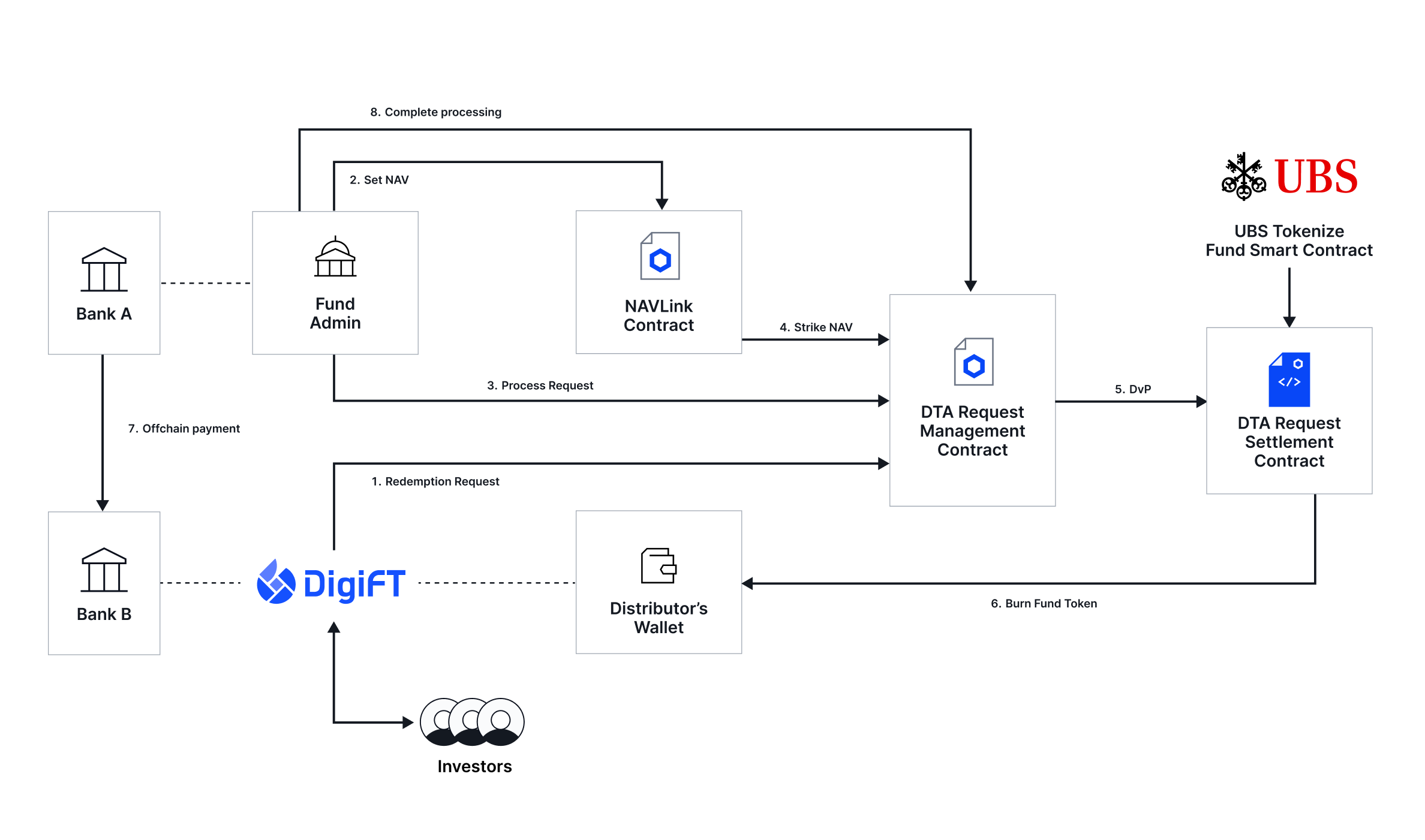
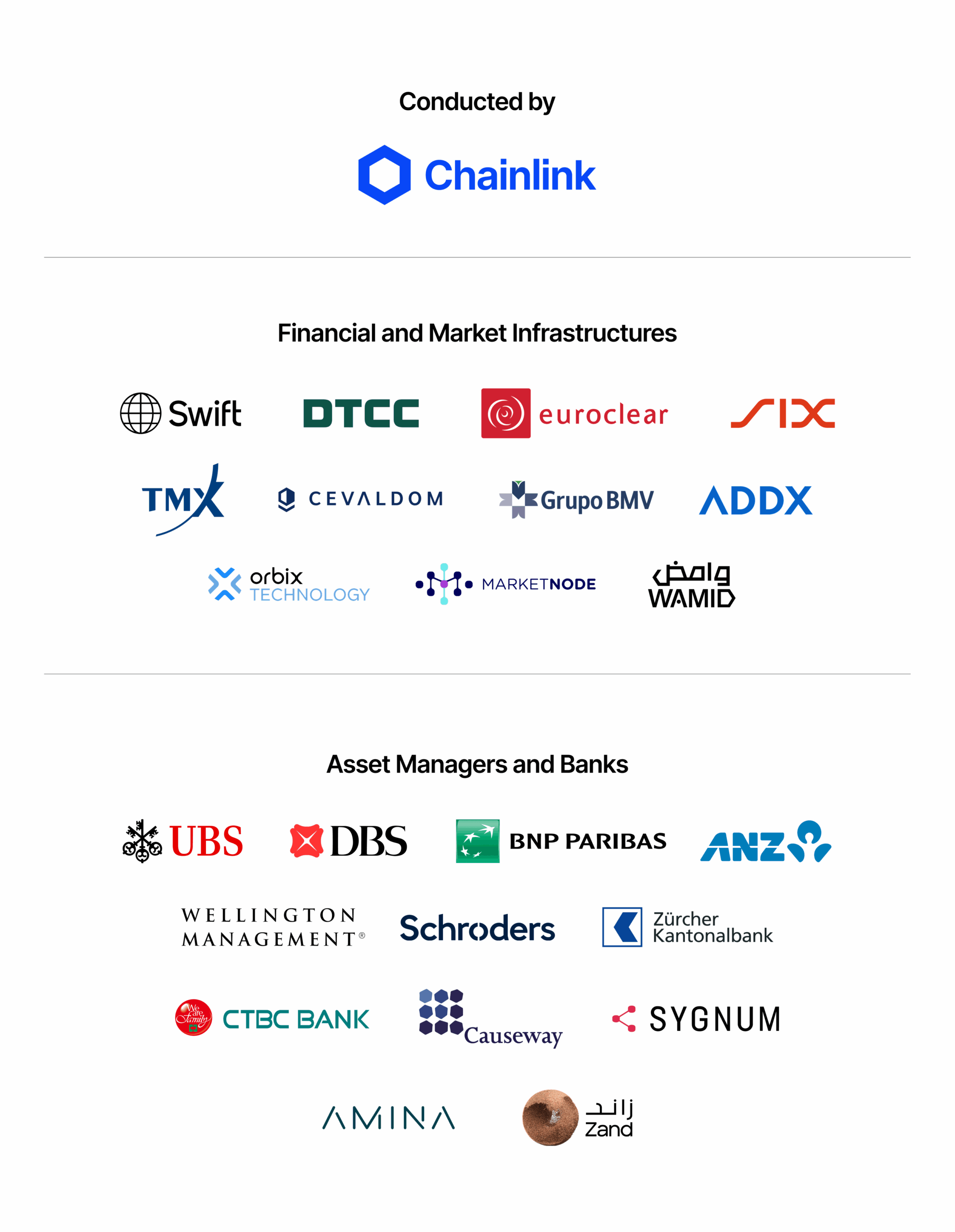
The world’s largest financial institutions significantly accelerated their adoption of Chainlink infrastructure in 2025, solidifying its position as the de facto standard for bringing financial markets onchain. This embrace spanned across banking, capital markets, and asset management, signaling a profound shift in how these behemoths perceive and utilize blockchain technology.
Banking & Capital Markets: Cross-Chain Transactions and Tokenization
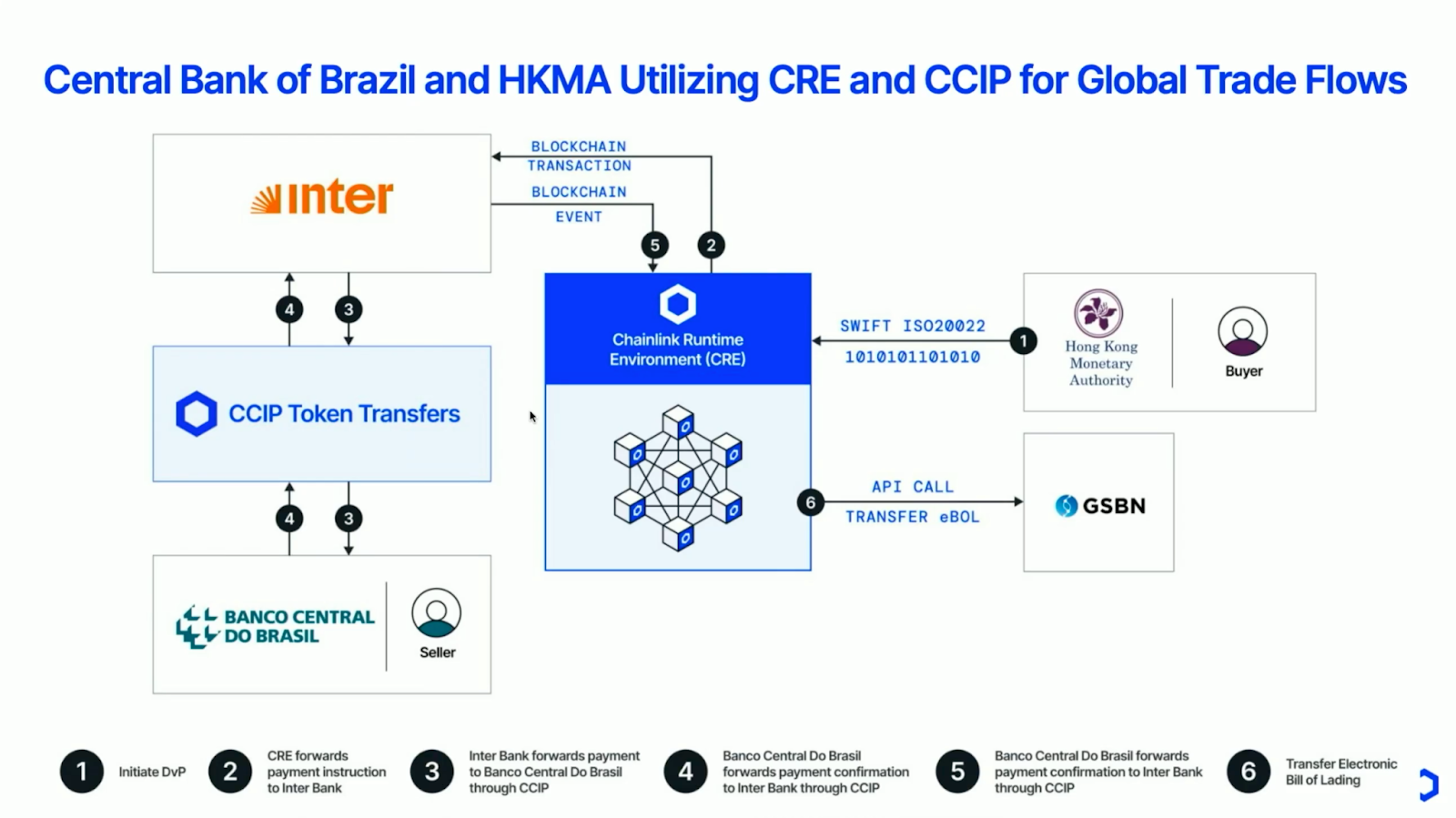
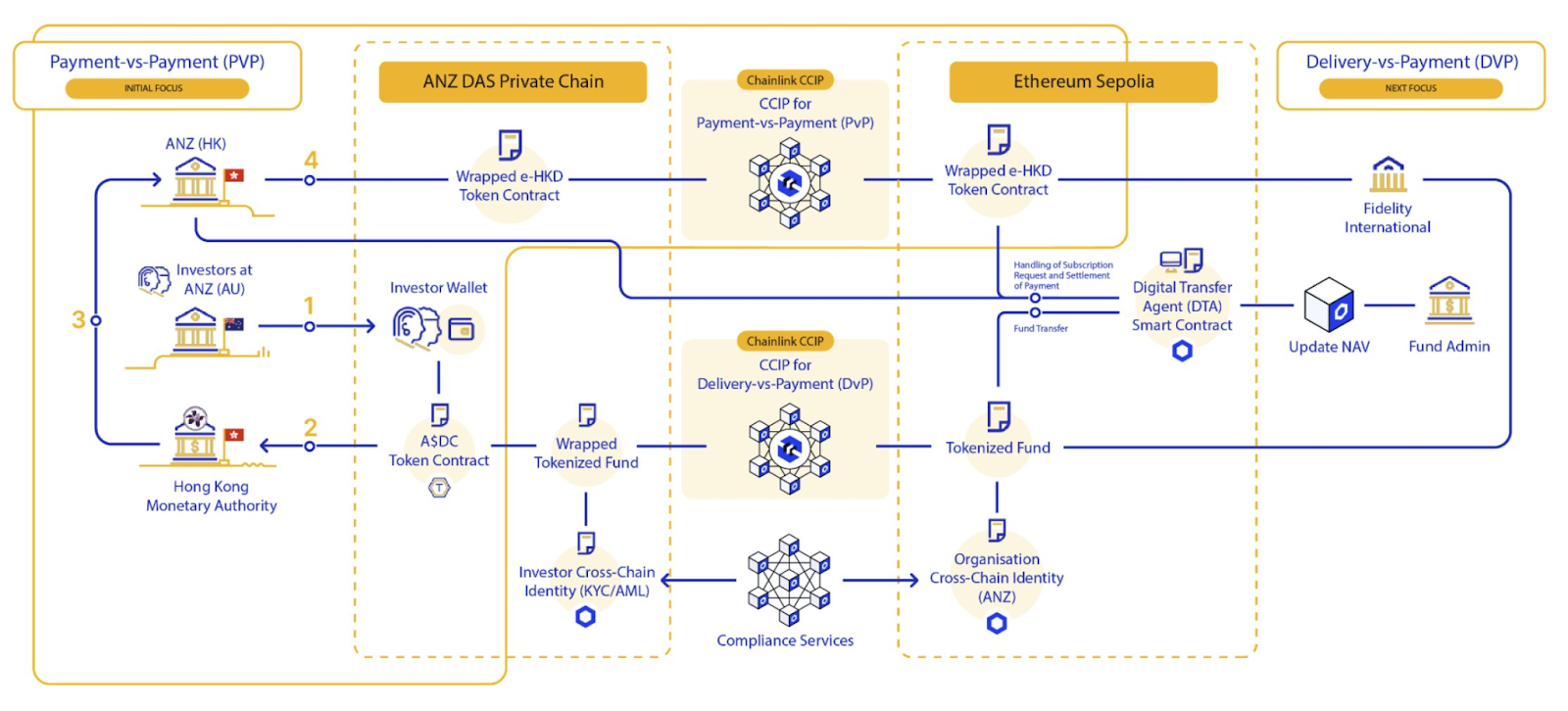
Global banks, traditionally cautious innovators, moved aggressively to integrate Chainlink’s CCIP for cross-chain transactions. This enabled seamless and secure transfer of tokenized assets and data across various internal and external blockchain networks, drastically reducing settlement times and operational complexities associated with traditional correspondent banking. Industry reports indicated that by Q3 2025, several tier-one banks were processing a substantial volume of interbank and cross-border payments via CCIP, citing improvements in speed by up to 90% and cost reductions of 30-50% compared to legacy systems.
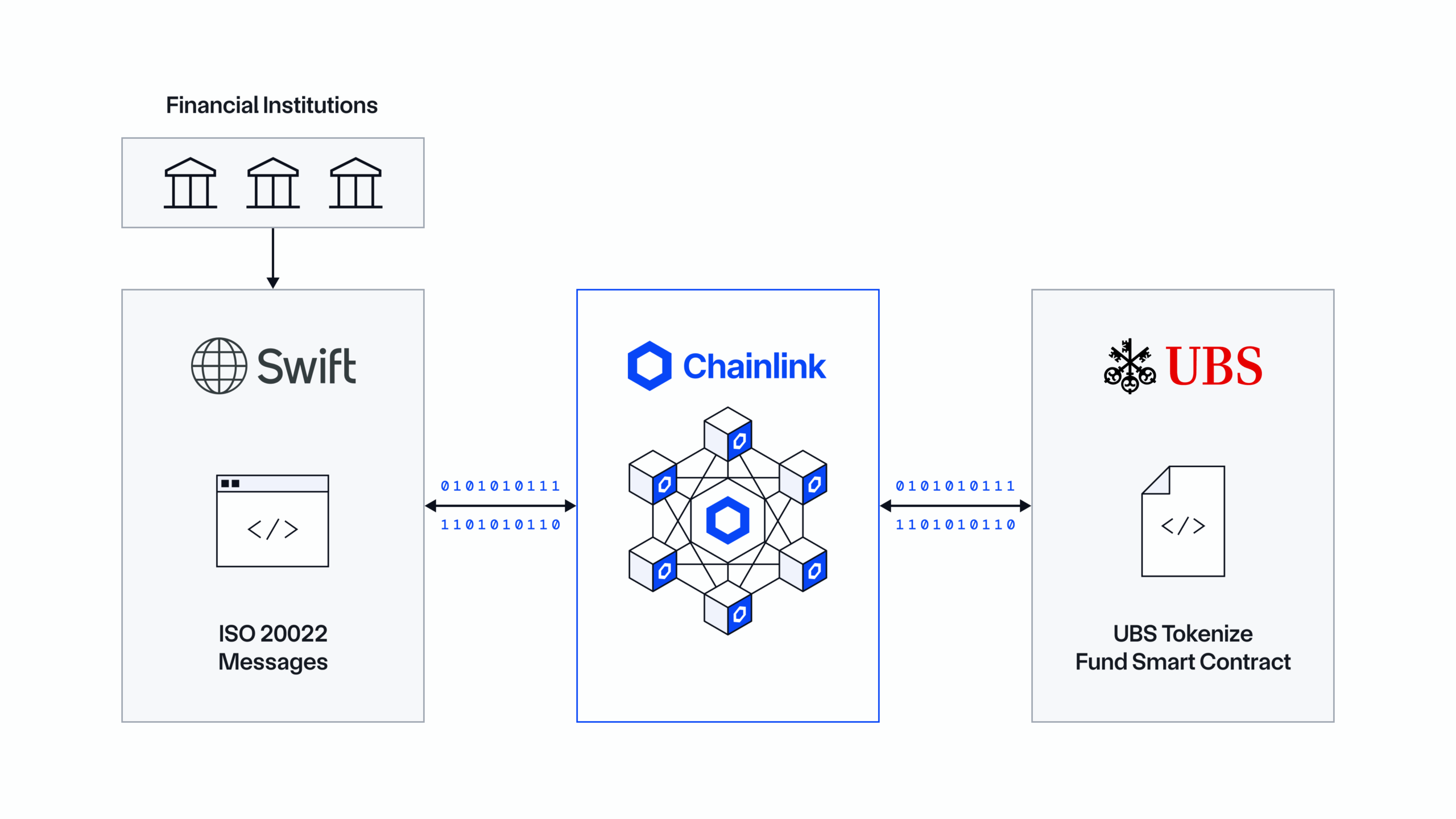
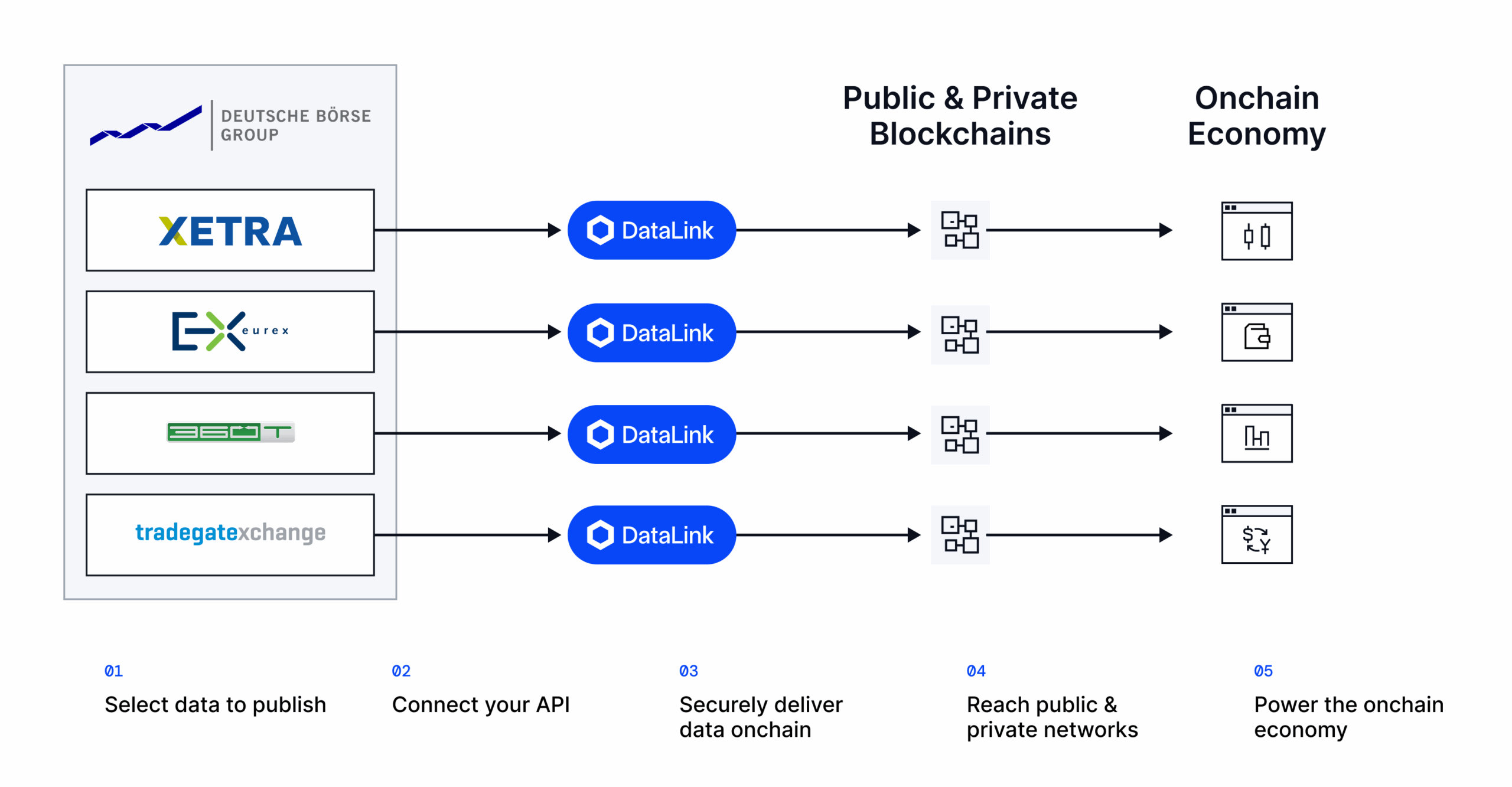
Major asset managers, recognizing the efficiency and liquidity benefits, began running tokenized funds on public blockchains. This involved converting traditional assets like equities, bonds, and real estate into digital tokens, making them programmable, fractionalizable, and accessible on a 24/7 basis. Chainlink’s oracle services were indispensable here, providing reliable, real-time price feeds for these tokenized assets, as well as crucial off-chain data points required for regulatory compliance, portfolio rebalancing, and risk management. Leading financial market infrastructures, including clearinghouses and exchanges, began to align their standards with Chainlink’s, acknowledging its role in facilitating secure, compliant, and interoperable onchain capital markets. This harmonization was seen as a critical step towards creating a truly unified global financial system built on blockchain rails.
Statements from Industry Leaders
An unnamed executive from a major European investment bank was quoted in a private briefing stating, "Chainlink’s CCIP has transformed our approach to inter-departmental settlements and cross-border transactions. The ability to securely and reliably move value and data between different blockchain environments has unlocked efficiencies we previously only dreamed of." Similarly, a representative from a global asset management firm remarked, "Tokenization is no longer a fringe concept; it’s becoming central to our strategy. Chainlink provides the essential data integrity that allows us to confidently manage and price our tokenized funds on public ledgers, meeting both investor expectations and regulatory requirements."
DeFi and Tokenization: Elevating Digital Assets
The decentralized finance (DeFi) sector, alongside the broader tokenization movement, experienced exponential growth in 2025, with Chainlink becoming an even more deeply embedded foundational layer. DeFi protocols and tokenization platforms adopted Chainlink at scale to enable institutional-grade onchain assets and applications, addressing previous concerns around data reliability and security that often deterred mainstream participants.

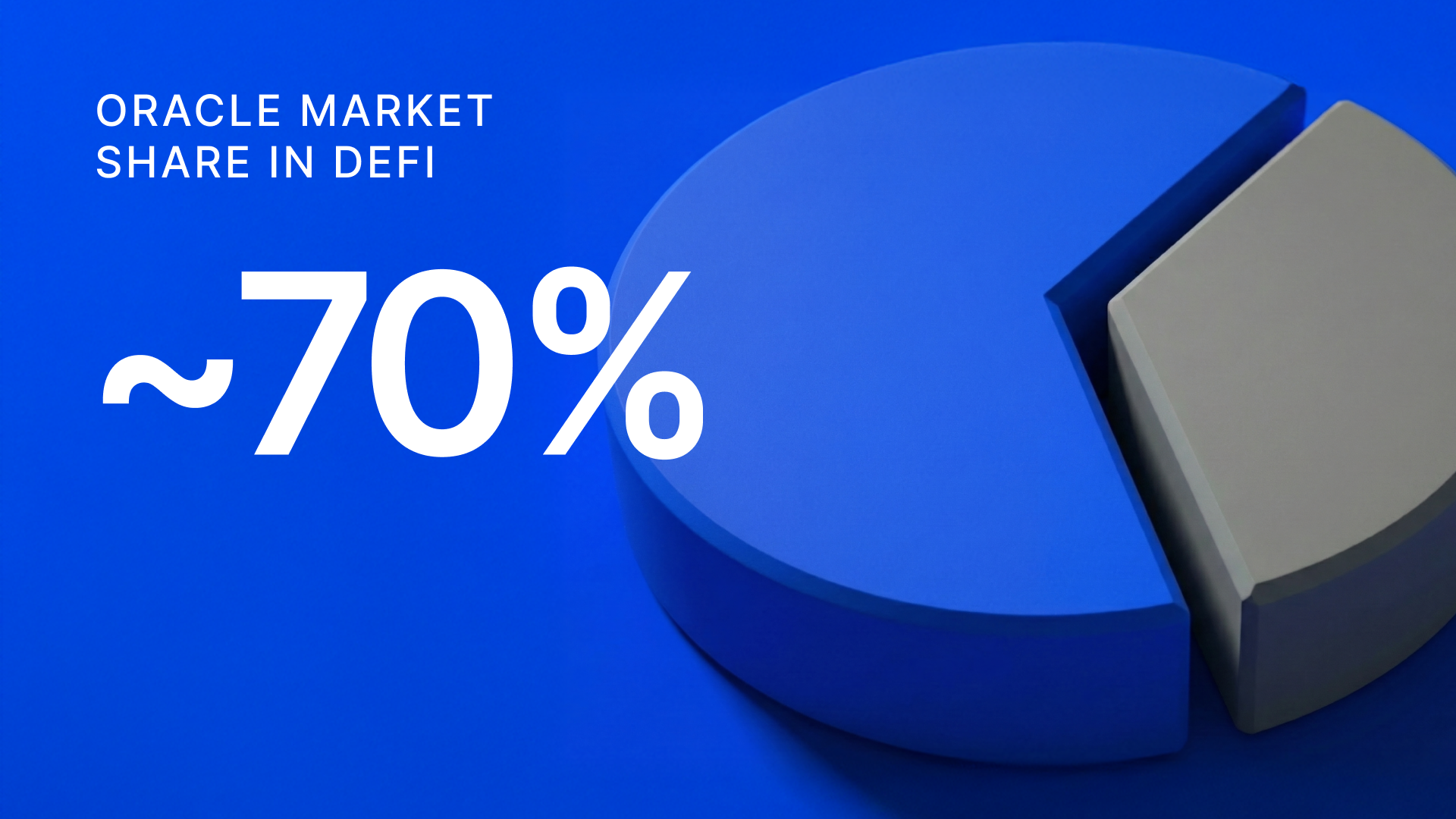
The total value secured (TVS) by Chainlink oracles across the DeFi ecosystem surged to unprecedented levels, reflecting its critical role in collateral valuation, lending protocols, derivatives markets, and stablecoin operations. New metrics emerged, showing Chainlink dominating the oracle market share, particularly for high-value and mission-critical applications where data accuracy is non-negotiable. This dominance was attributed to Chainlink’s robust network, diverse data sources, and proven track record of uptime and security.
For instance, new institutional DeFi platforms offering regulated products, such as tokenized treasury bills or corporate bonds, relied exclusively on Chainlink for their reference data. This enabled traditional institutions to participate in DeFi with greater confidence, knowing that the underlying data feeds met their stringent compliance and risk management standards. The integration of Chainlink’s Proof of Reserve (PoR) further enhanced the transparency and auditability of tokenized assets, particularly stablecoins and wrapped assets, providing real-time verification of their off-chain backing. This move was instrumental in quelling regulatory concerns and fostering greater trust in the tokenized asset class.
Innovation at the Core: Key Product Launches and Enhancements in 2025
Chainlink’s relentless pursuit of innovation saw the introduction of major new platform capabilities in 2025, significantly expanding the scope of what developers and institutions could build onchain. These advancements were not merely incremental but represented strategic leaps designed to meet the evolving demands of a rapidly digitizing global economy.
One of the most impactful launches was the full rollout and widespread adoption of Chainlink Data Streams, a low-latency data solution designed for high-frequency trading and ultra-fast DeFi applications. This product addressed the need for real-time market data, crucial for institutional traders and sophisticated DeFi protocols, by delivering data updates at sub-second intervals directly onchain, without compromising security or decentralization. This positioned Chainlink as a critical component for the next generation of financial markets, where speed and precision are paramount.
Another significant innovation was the enhanced functionality of Chainlink Functions, allowing smart contracts to connect to any web2 API or traditional system. This expanded the horizons for developers, enabling them to build far more complex and feature-rich decentralized applications that could interact seamlessly with existing internet infrastructure. This was particularly beneficial for enterprise blockchain solutions and hybrid smart contracts, bridging the gap between legacy systems and decentralized networks.
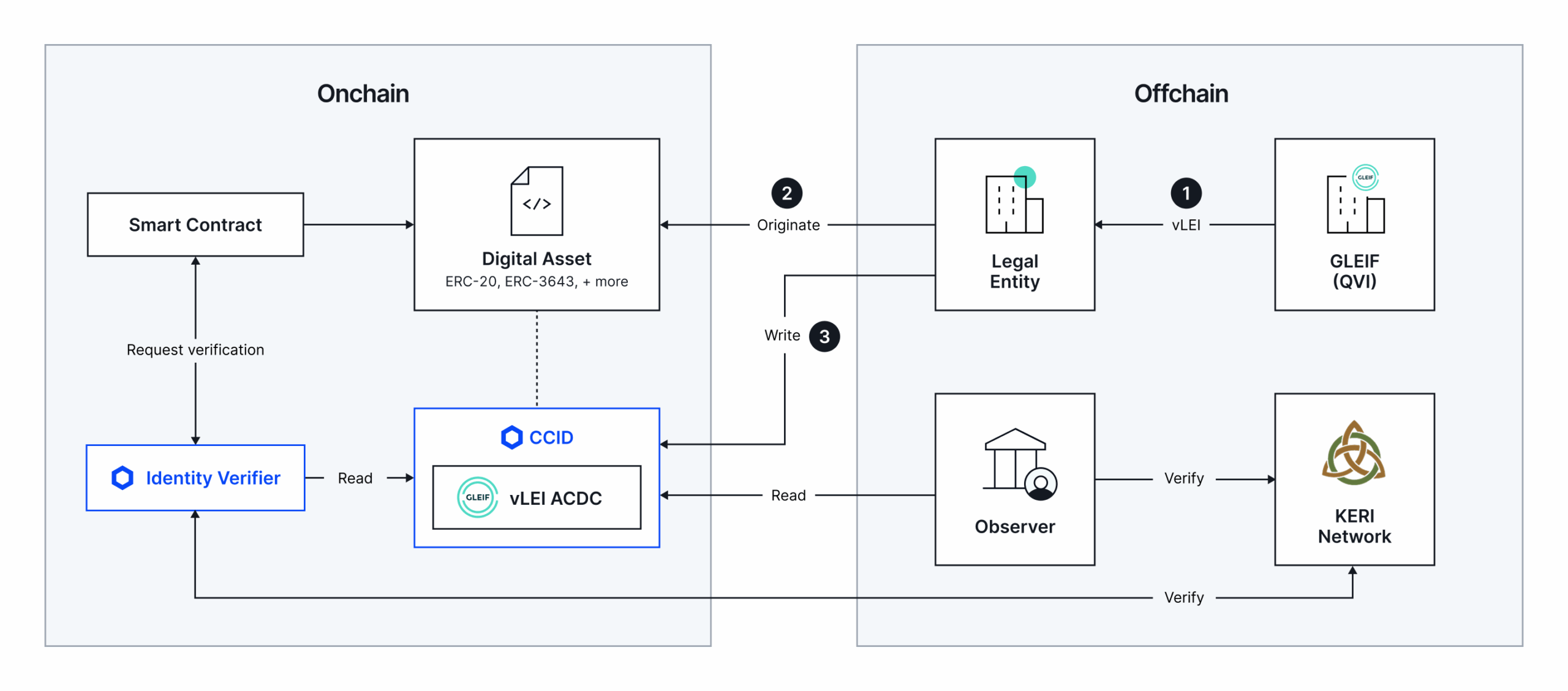
Furthermore, Chainlink’s Proof of Reserve (PoR) capabilities saw substantial upgrades and expanded integrations. Beyond stablecoins, PoR was adopted by tokenized real-world asset (RWA) platforms to provide verifiable proof of underlying assets held in custody, ranging from gold and real estate to carbon credits. This enhanced transparency and trust were pivotal in attracting institutional capital into the RWA tokenization space. The continued development of Chainlink CCIP also saw new network integrations and enhanced security features, further cementing its status as the most secure and reliable protocol for cross-chain communication.
Economic Evolution and Network Growth
The year 2025 brought major advancements in strengthening Chainlink’s network sustainability and enhancing user participation, reflecting a maturing ecosystem. The economic model saw refinements aimed at ensuring long-term viability and incentivizing oracle node operators, crucial for maintaining the network’s decentralized security. These advancements included dynamic fee mechanisms and staking improvements that attracted a broader base of participants, further decentralizing the network.
Network & Ecosystem Metrics: A Year of Record Adoption
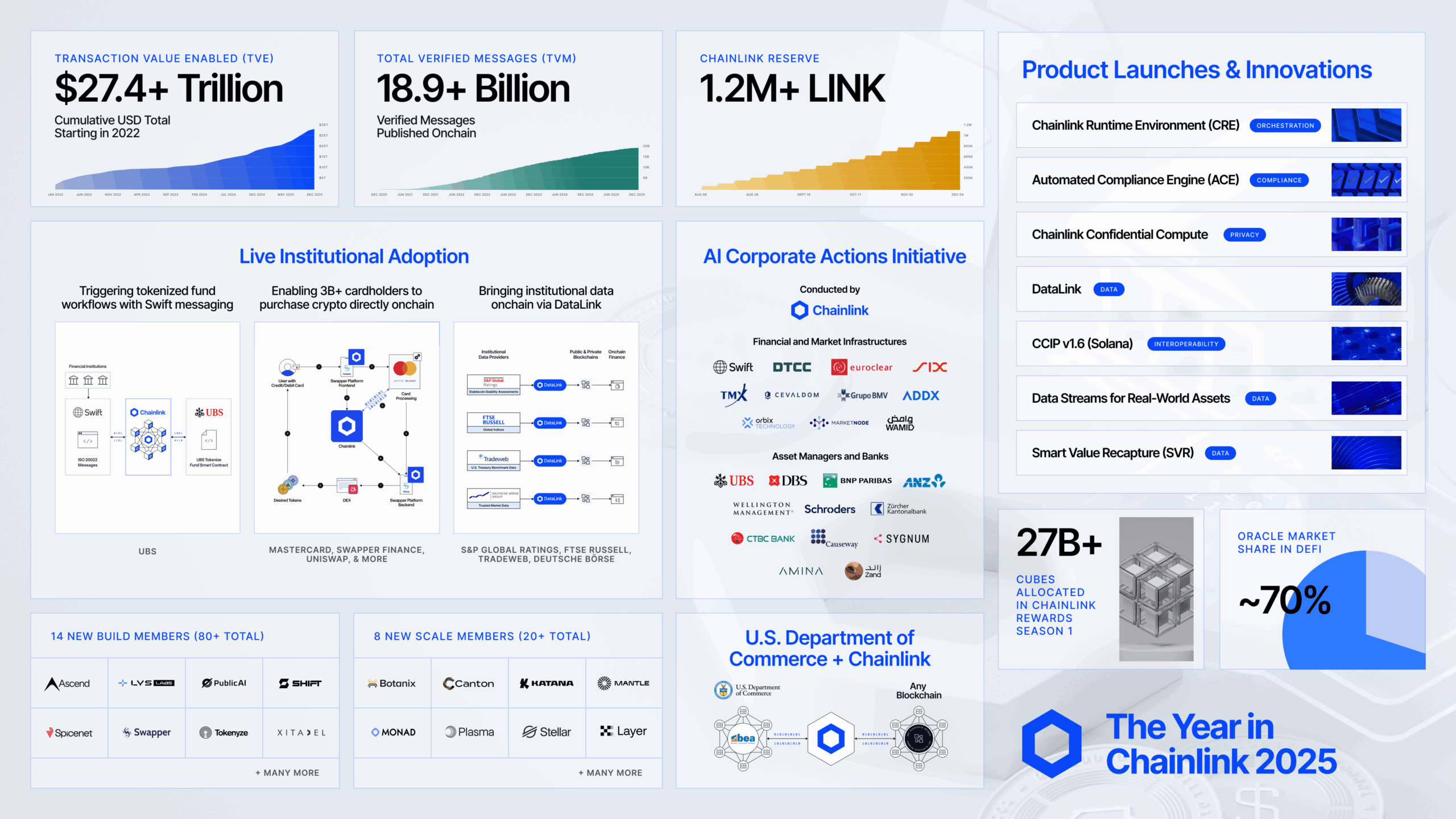
Chainlink’s 2025 metrics underscored record adoption and sustained growth across the global onchain finance ecosystem. Key performance indicators showed a dramatic increase in:
- Total Value Secured (TVS): Surpassing hundreds of billions of dollars, reflecting the vast amount of capital and assets relying on Chainlink’s oracle services.
- Number of Integrations: A substantial increase in the number of projects, institutions, and governments integrating Chainlink across various blockchains and sectors.
- Number of Unique Oracle Networks: Expansion into specialized data needs, with hundreds of unique oracle networks serving specific industries and data types.
- Decentralization Metrics: Continued growth in the number of independent oracle node operators and unique data sources, enhancing the network’s resilience and censorship resistance.
- Usage Volume: A record number of data requests and cross-chain transactions processed by the network, indicating real-world utility and demand.
These metrics collectively painted a picture of a network that had moved beyond early adoption phases into widespread, mission-critical deployment across global financial and governmental landscapes.
Looking Ahead: Chainlink’s Trajectory into 2026 and Beyond
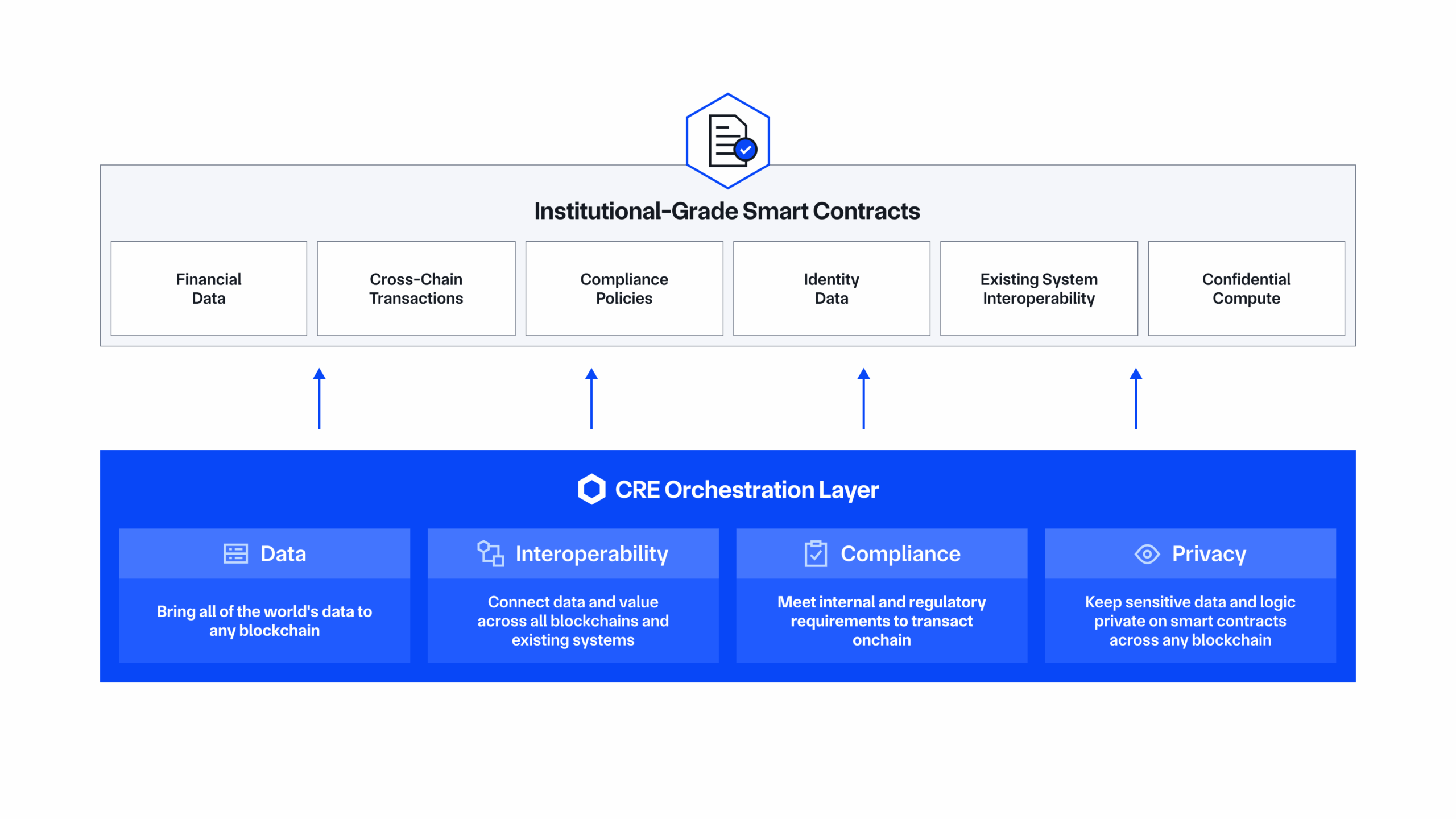
The transformative achievements of 2025 firmly established Chainlink as the indispensable infrastructure for the global shift towards onchain finance. With governments, leading financial institutions, and critical market infrastructures adopting its platform as the standard, the foundation has been laid for an even more accelerated pace of change.
Industry analysts widely predict that 2026 will be the year tokenization adoption truly scales, driven by the efficiencies and new market opportunities unlocked in 2025. This acceleration will further cement Chainlink’s role as the core infrastructure powering this systemic shift. The focus will likely expand beyond financial assets to include a broader range of real-world assets, intellectual property, and even personal data, all benefiting from the verifiable and interoperable nature of Chainlink-powered onchain systems. The convergence of traditional finance (TradFi) and decentralized finance (DeFi), often referred to as ‘Institutional DeFi’ or ‘Hybrid Finance,’ is expected to deepen, with Chainlink acting as the critical middleware enabling secure and compliant interaction between these two worlds. The long-term implications point towards a future where transparency, efficiency, and accessibility are dramatically enhanced across the global economy, driven by the secure and reliable data connectivity provided by Chainlink.