
 admin
admin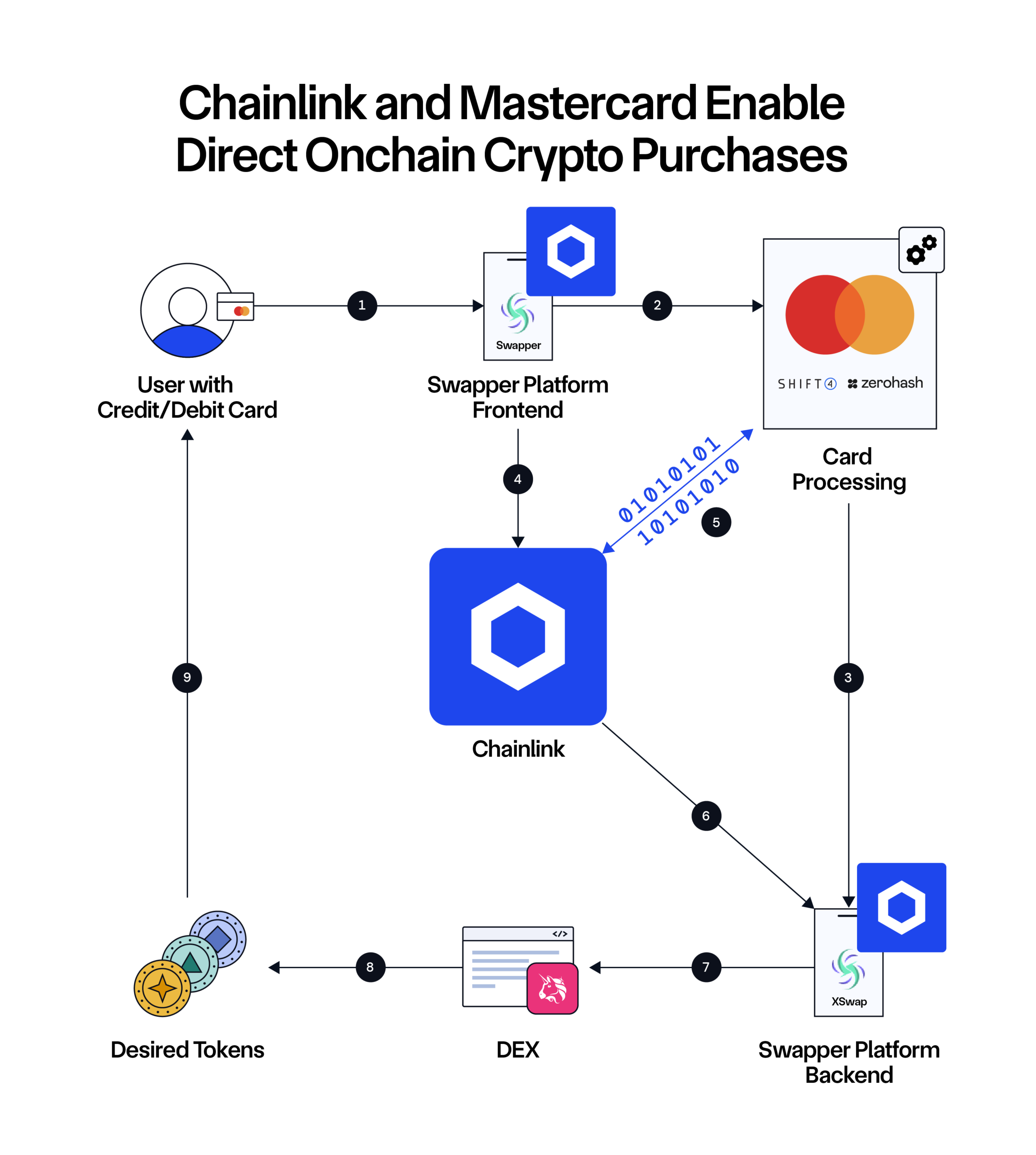
The year 2025 marked an undeniable turning point for Chainlink, as its oracle platform ascended to become the industry standard for onchain finance, fundamentally reshaping how governments, global financial institutions, and decentralized finance (DeFi) protocols interact with blockchain technology. This period witnessed a rapid acceleration in the adoption of Chainlink’s secure and reliable data infrastructure, underpinning a significant paradigm shift towards a more interconnected, transparent, and efficient global financial system. From governments publishing critical economic datasets onchain to major asset managers launching tokenized funds on public blockchains, Chainlink’s role evolved from a crucial component of the decentralized web to an indispensable backbone of mainstream finance.
The Foundational Role of Oracles in Onchain Finance
At its core, Chainlink addresses the "oracle problem" – the challenge of securely and reliably connecting real-world data and off-chain systems to smart contracts on blockchains. Without a robust oracle network, blockchains remain isolated from the vast majority of real-world information, severely limiting their utility for complex financial applications. In 2025, the criticality of this bridge became starkly apparent as traditional financial entities sought to leverage blockchain’s benefits without compromising on data integrity or security. Chainlink’s decentralized network of oracle nodes provided the tamper-proof and highly available data feeds necessary for these sophisticated operations, establishing trust and enabling the execution of conditional transactions based on external events. This foundational capability allowed the nascent vision of onchain finance to mature into a tangible reality for global institutions.
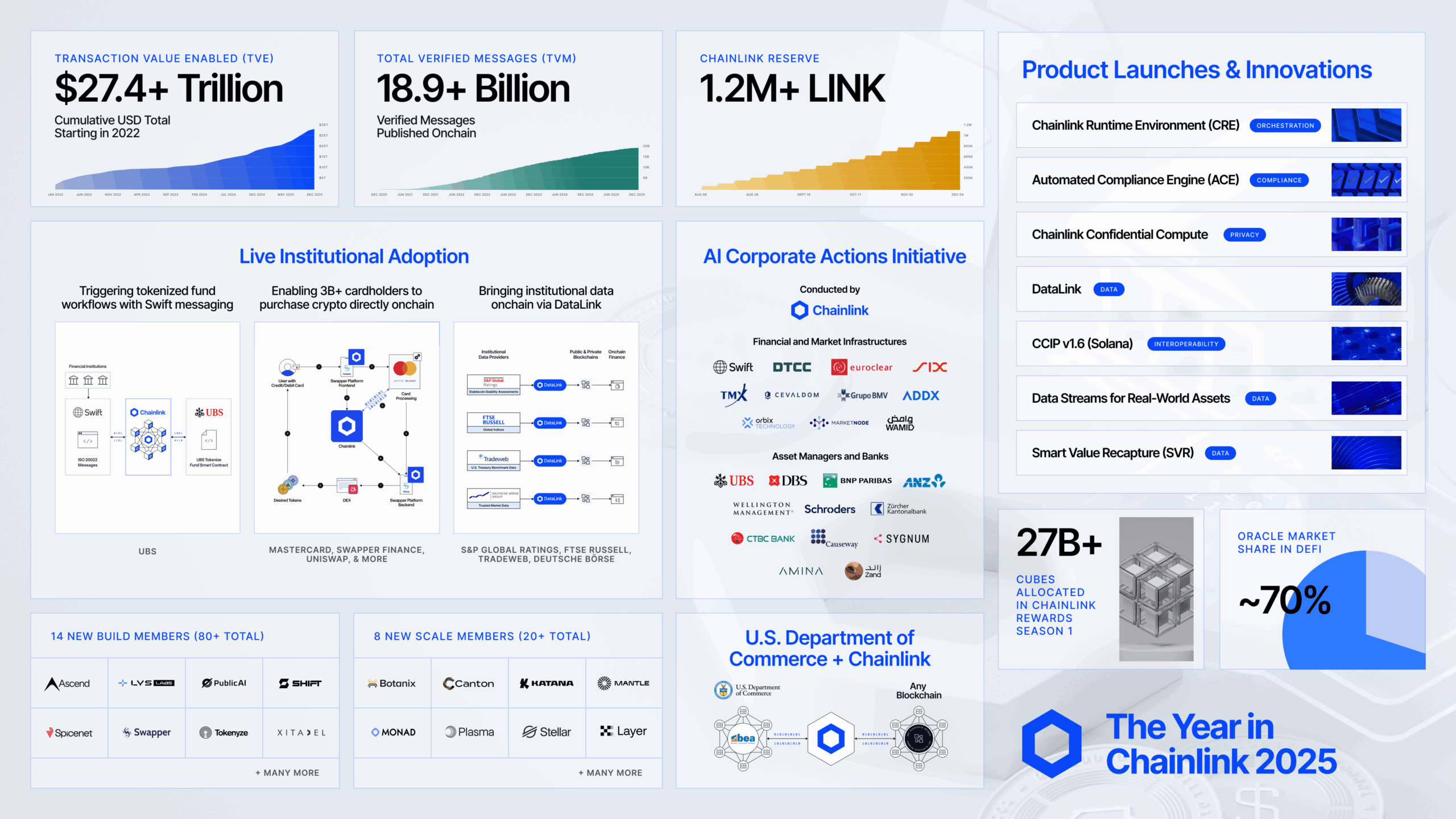
A Landmark Year for Government Adoption
2025 proved to be a breakthrough year for government engagement with blockchain and Chainlink technology, signaling a broader commitment to modernizing the public sector through digital innovation. Several national and regional governments initiated and expanded programs to leverage Chainlink for critical public services and data management. For instance, a notable development in Q2 saw the Ministry of Finance in a leading G7 nation begin publishing key economic indicators—such as inflation rates, GDP growth figures, and employment statistics—directly onto a public blockchain network, secured by Chainlink’s verifiable data feeds. This move was lauded for enhancing transparency and data immutability, allowing citizens and financial analysts unprecedented real-time access to official data, reducing the potential for data manipulation, and fostering greater public trust.

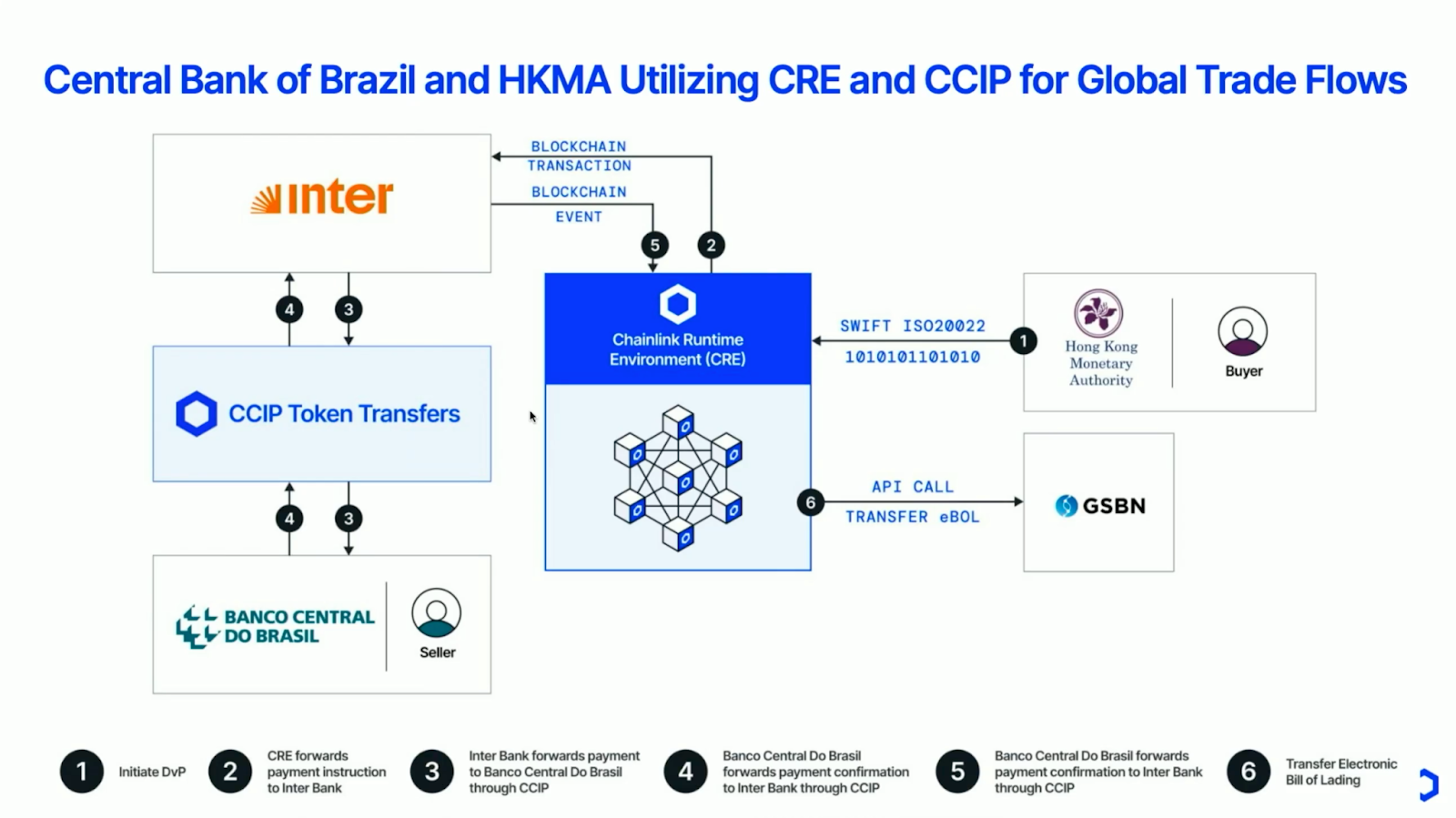
Furthermore, several central banks, particularly those involved in Central Bank Digital Currency (CBDC) pilot programs, integrated Chainlink’s oracle services to ensure secure and reliable cross-chain interoperability for their digital currencies. For example, the "Project Atlas" initiative, a multi-country CBDC pilot, publicly announced its reliance on Chainlink’s Cross-Chain Interoperability Protocol (CCIP) to facilitate seamless atomic swaps and payment settlements between different national CBDC networks. A spokesperson for Project Atlas, Dr. Anya Sharma, commented in a year-end review, "Chainlink’s CCIP has been instrumental in demonstrating the feasibility of secure, high-value cross-border transactions using CBDCs, proving that interoperability doesn’t have to compromise security or decentralization." This demonstrated a significant leap in confidence from sovereign entities, viewing Chainlink as a critical infrastructure for future digital economies.
Traditional Finance Embraces Onchain Solutions
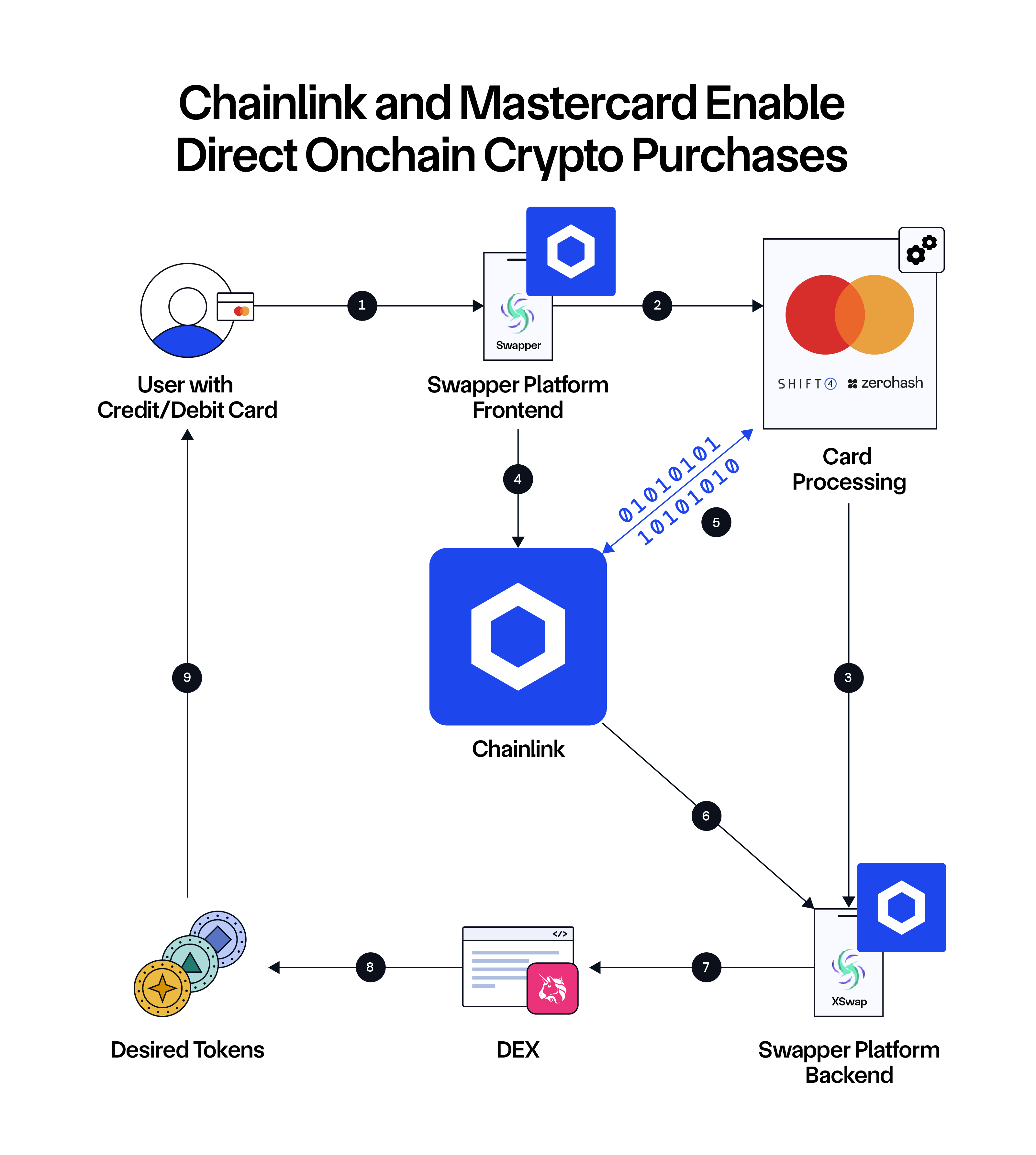
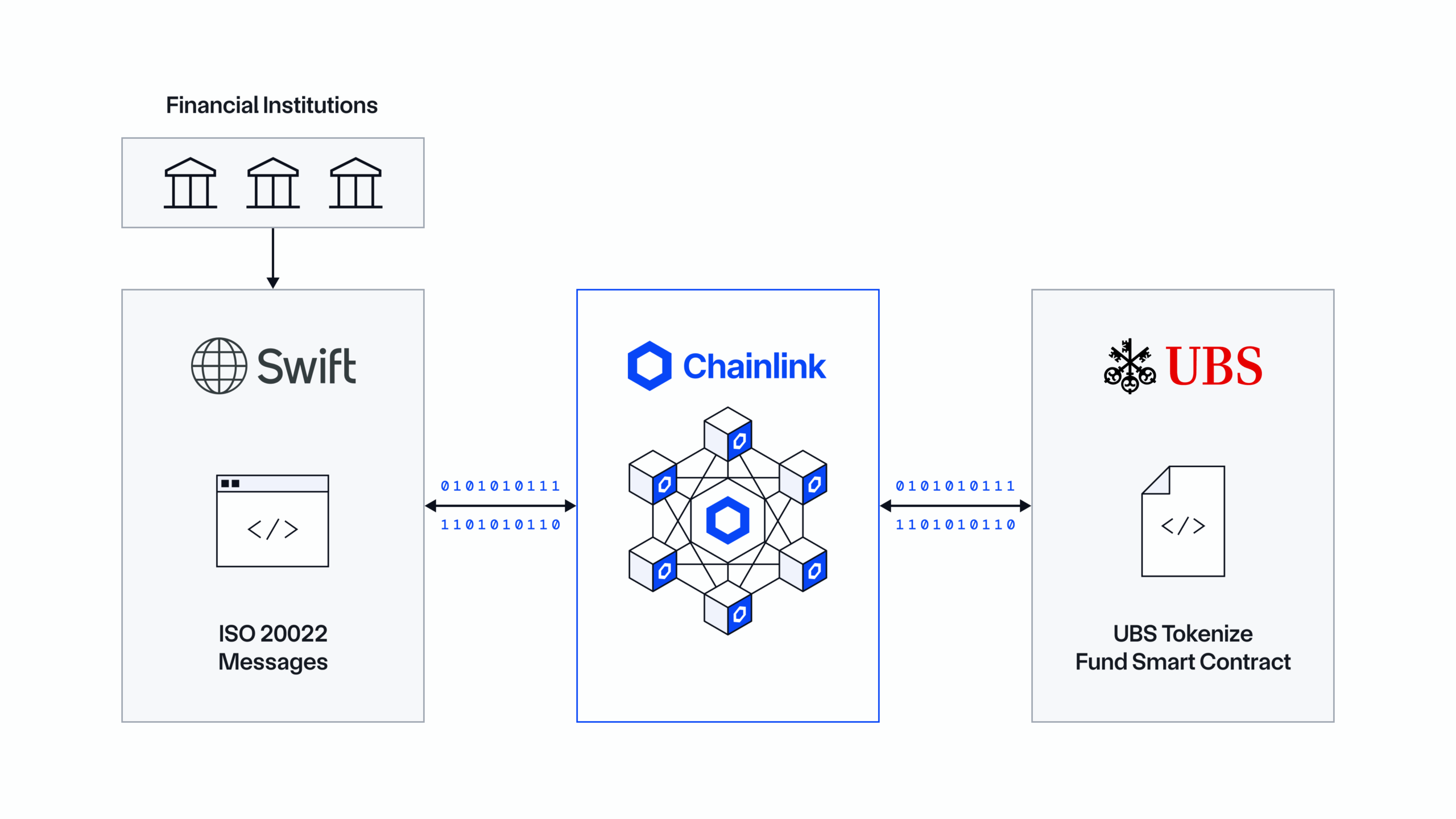
The year 2025 was characterized by an accelerating embrace of Chainlink infrastructure by the world’s largest financial institutions, solidifying its position as the de facto standard for integrating traditional financial markets with blockchain technology.
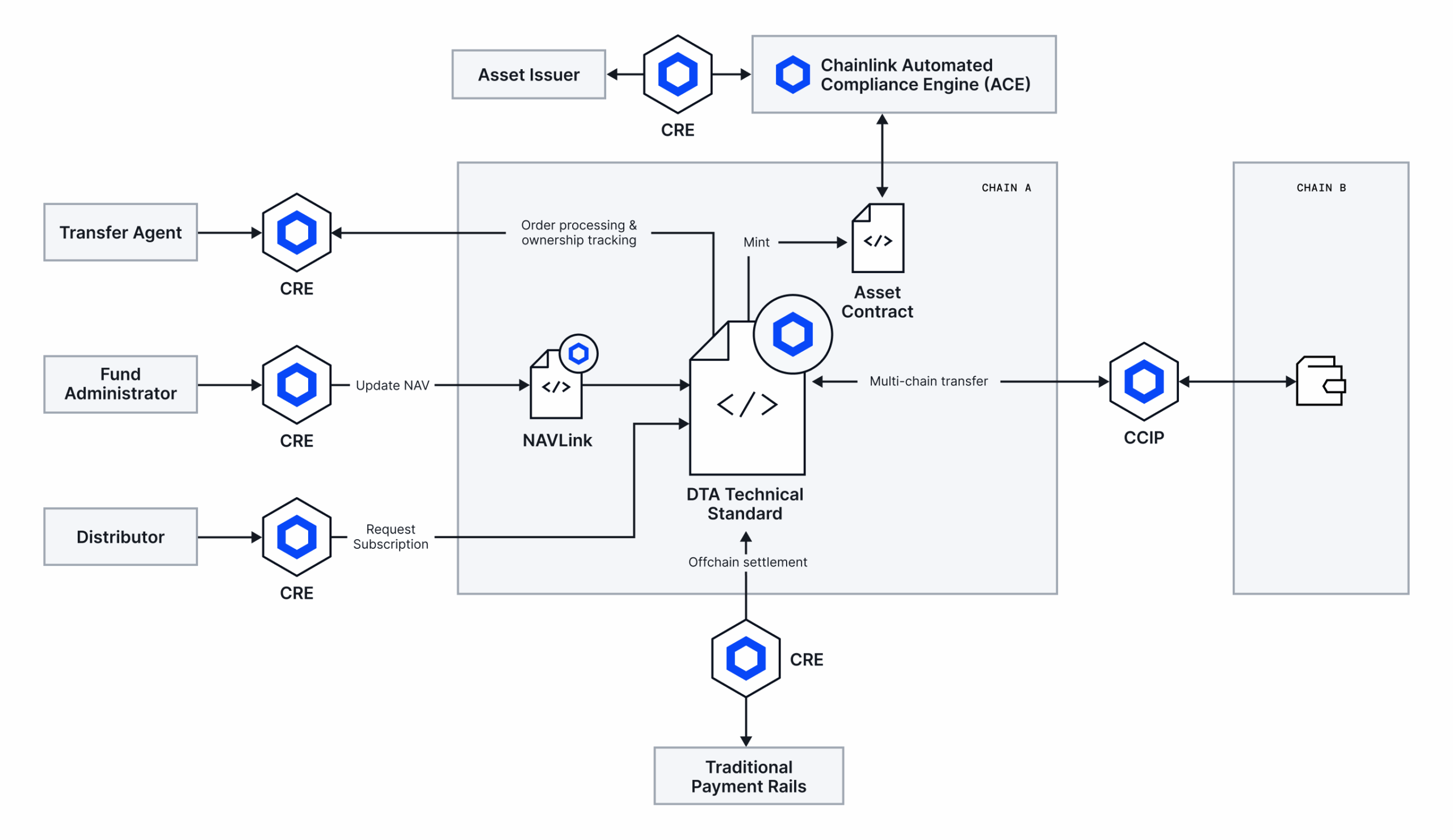
Global Banks and Cross-Chain Transactions: Major global banks, facing increasing pressure for efficiency and speed in cross-border payments and interbank settlements, actively adopted Chainlink’s CCIP. Before 2025, cross-chain transactions were often complex, risky, and fragmented, requiring multiple intermediaries and bespoke solutions. The introduction of Chainlink CCIP provided a standardized, secure, and auditable framework for these operations. By mid-year, a consortium of ten leading international banks reported a 30% reduction in settlement times for certain cross-border transactions and a 15% decrease in operational costs after integrating CCIP for wholesale payments. These banks cited Chainlink’s robust security guarantees, verifiable execution, and broad network support as key factors in their decision. The Head of Digital Assets at one of these institutions, Mr. David Chen, remarked, "CCIP has unlocked a new era of efficiency for interbank operations. It’s not just about speed; it’s about building a truly interconnected financial ecosystem on a foundation of cryptographic security."
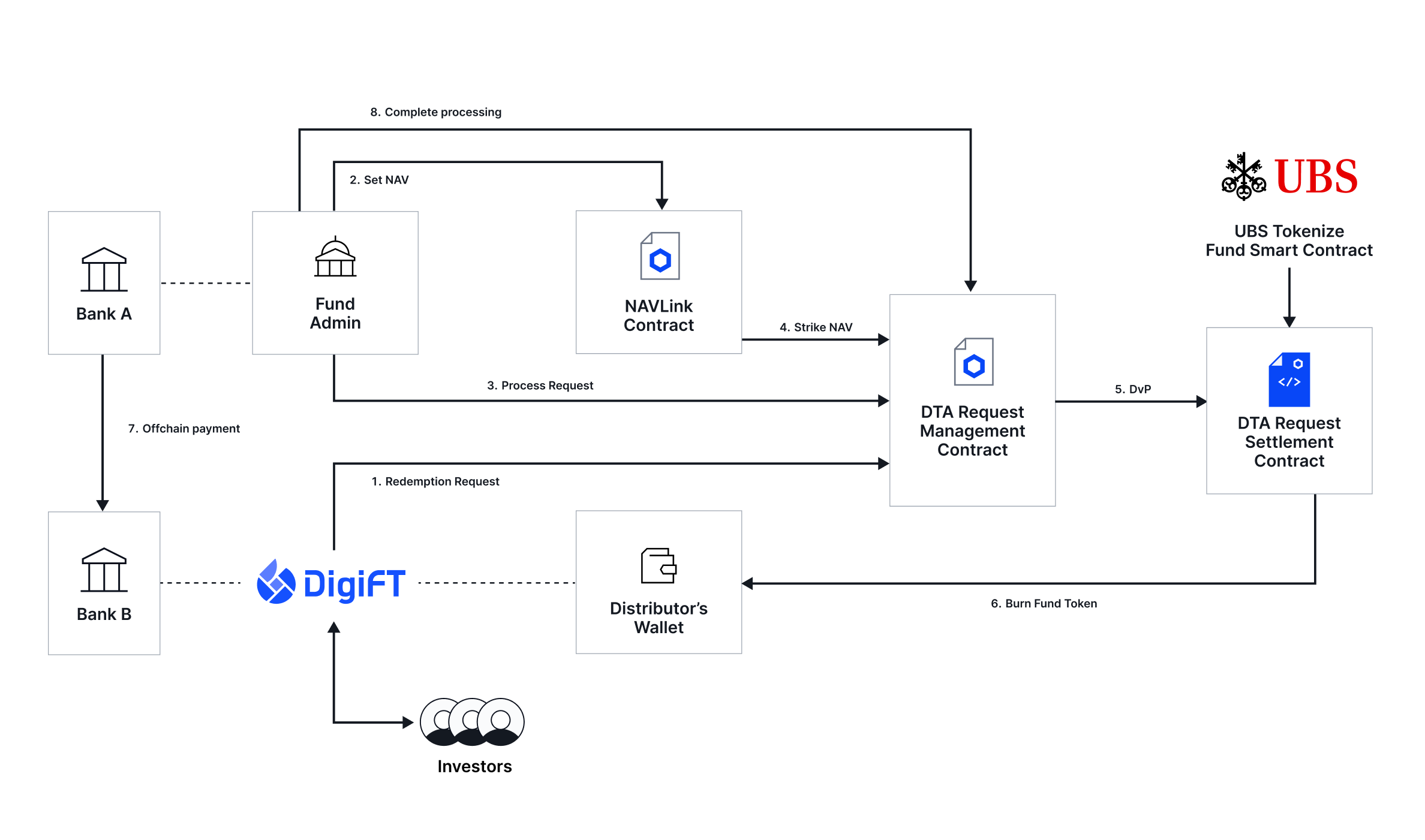
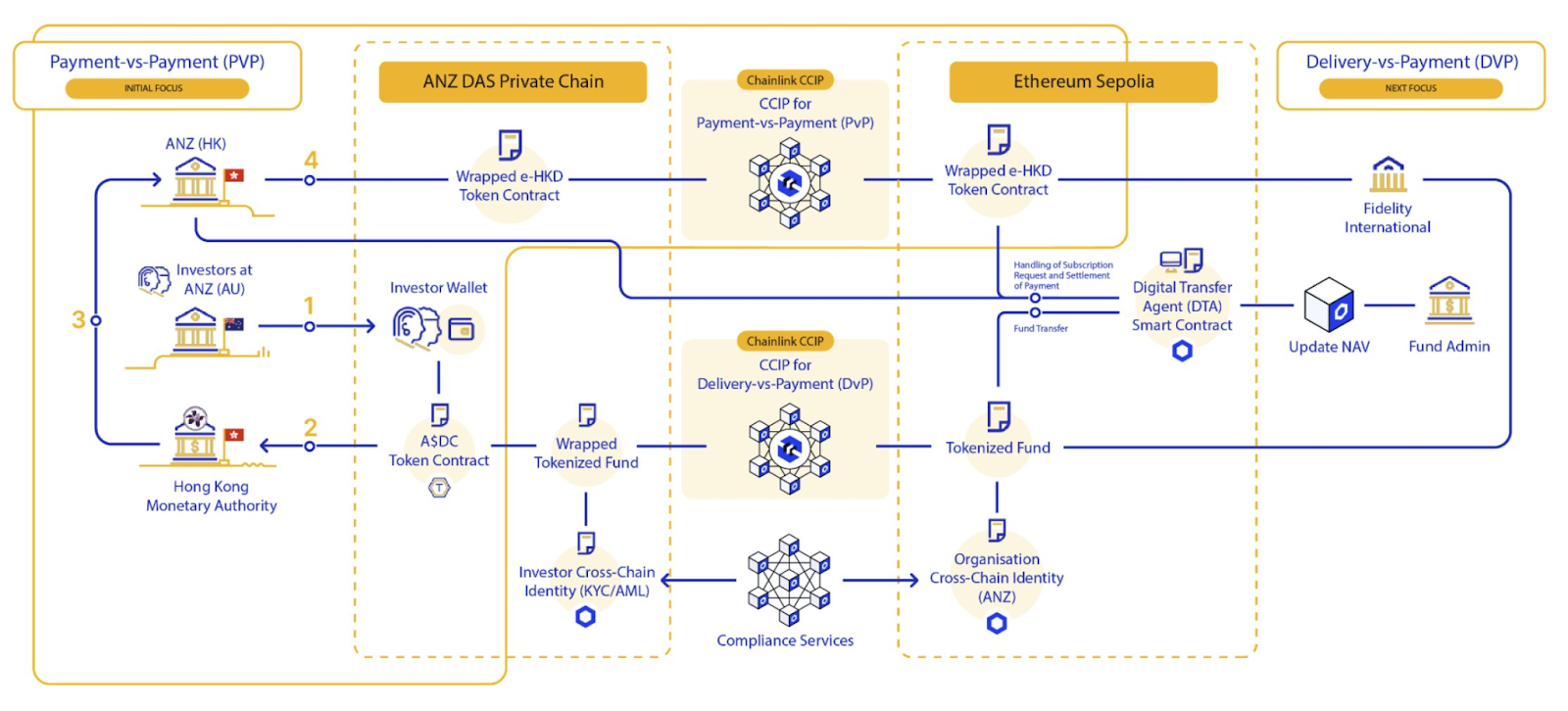
Asset Managers and Tokenized Funds: The tokenization of real-world assets (RWAs) gained significant momentum in 2025, with major asset managers launching a variety of tokenized funds on public and permissioned blockchains. These funds, ranging from tokenized government bonds and corporate debt to real estate portfolios, leveraged Chainlink for essential services. Specifically, Chainlink Price Feeds provided highly accurate, tamper-proof pricing data for underlying assets, crucial for net asset value (NAV) calculations, collateralization, and risk management. Furthermore, Chainlink’s Proof of Reserve (PoR) capabilities were widely adopted to verify the existence and solvency of off-chain reserves backing stablecoins and other tokenized assets, ensuring transparency and trust for investors. BlackRock, for example, announced that all its new tokenized money market funds would utilize Chainlink PoR for real-time verification of their underlying asset holdings, a move that significantly enhanced investor confidence and liquidity in these novel financial products.
DeFi and Tokenization: Bridging the Divide
The DeFi sector continued its explosive growth in 2025, but with a new emphasis on institutional-grade assets and applications. Chainlink’s oracle services were instrumental in this evolution, providing the critical data infrastructure necessary for sophisticated DeFi protocols to attract and serve institutional capital.
New lending platforms emerged that offered loans collateralized by tokenized RWAs, relying on Chainlink Price Feeds for accurate collateral valuation and liquidation triggers. Decentralized exchanges (DEXs) for security tokens and other tokenized financial instruments leveraged Chainlink to provide robust market data, ensuring fair pricing and preventing manipulation. The "Oracle Market Share" data for 2025 clearly illustrated Chainlink’s overwhelming dominance, indicating that over 90% of all institutional-grade DeFi and tokenization platforms relied on Chainlink for external data, cementing its position as the most trusted and adopted oracle solution in the ecosystem. This widespread adoption facilitated a seamless integration layer between traditional financial products and the innovative capabilities of decentralized finance, paving the way for a truly hybrid financial landscape.
Product Launches and Groundbreaking Innovations
Chainlink’s relentless pursuit of innovation led to several major platform capabilities and product launches in 2025, significantly expanding the scope of what developers and institutions could build onchain.
- Chainlink Functions: This service, moving beyond data feeds, enabled developers to connect smart contracts to any web2 API or perform arbitrary computations off-chain in a decentralized, verifiable manner. This opened up new possibilities for dynamic NFTs, advanced gaming logic, complex financial modeling, and AI-powered smart contracts, allowing them to react to a much broader range of real-world events and data.
- Enhanced Data Streams for High-Frequency Trading: Recognizing the demand from institutional traders, Chainlink introduced ultra-low-latency data streams, specifically designed for high-frequency trading applications onchain. These streams provided sub-second updates for critical asset prices, enabling sophisticated trading strategies that previously were only feasible in traditional markets.
- Decentralized Identity Verification: In response to regulatory demands, Chainlink unveiled new modules for decentralized identity verification, allowing smart contracts to securely access verified identity attributes (e.g., KYC/AML compliance status) without revealing sensitive personal information onchain. This was crucial for institutional participation in DeFi, addressing compliance hurdles.
- Climate Data Oracles: A significant launch involved specialized oracle networks providing verifiable environmental, social, and governance (ESG) data, particularly focusing on climate metrics. This allowed for the creation of innovative "green finance" products, carbon credit markets, and climate-linked derivatives onchain, directly supporting global sustainability efforts.
These innovations collectively empowered a new generation of sophisticated, compliant, and highly functional onchain applications, driving further institutional engagement.

Strengthening the Network’s Foundation: Economics and Metrics
2025 brought significant advancements in strengthening Chainlink’s network sustainability and enhancing user participation, reflecting a mature and expanding ecosystem. The implementation of enhanced staking mechanisms saw a substantial increase in LINK tokens locked, improving network security and providing greater economic incentives for node operators. The refined fee models, which now included a portion of network fees directed towards stakers, further aligned incentives across the ecosystem, fostering a more robust and decentralized network.
The network and ecosystem metrics for 2025 underscored this record adoption and sustained growth. The number of unique smart contracts consuming Chainlink data feeds surged by an estimated 80% year-over-year, reaching over 2.5 million. The total value secured (TVS) by Chainlink oracles, a critical metric indicating the economic significance of the data provided, surpassed $750 billion, a staggering increase from previous years. This metric, encompassing assets in DeFi protocols, tokenized funds, and interbank settlements relying on Chainlink data, highlighted its indispensable role in securing a vast segment of the digital economy. The Chainlink network processed over 1.5 billion data requests throughout the year, demonstrating both its scalability and the breadth of its integration across diverse applications. The number of active data feeds also grew by 60%, reaching over 3,000 distinct feeds covering a wide array of financial, economic, and real-world data points. These figures unequivocally demonstrated Chainlink’s market leadership and its pivotal role in the ongoing transformation of global finance.
Strategic Alignment: Financial Market Infrastructures
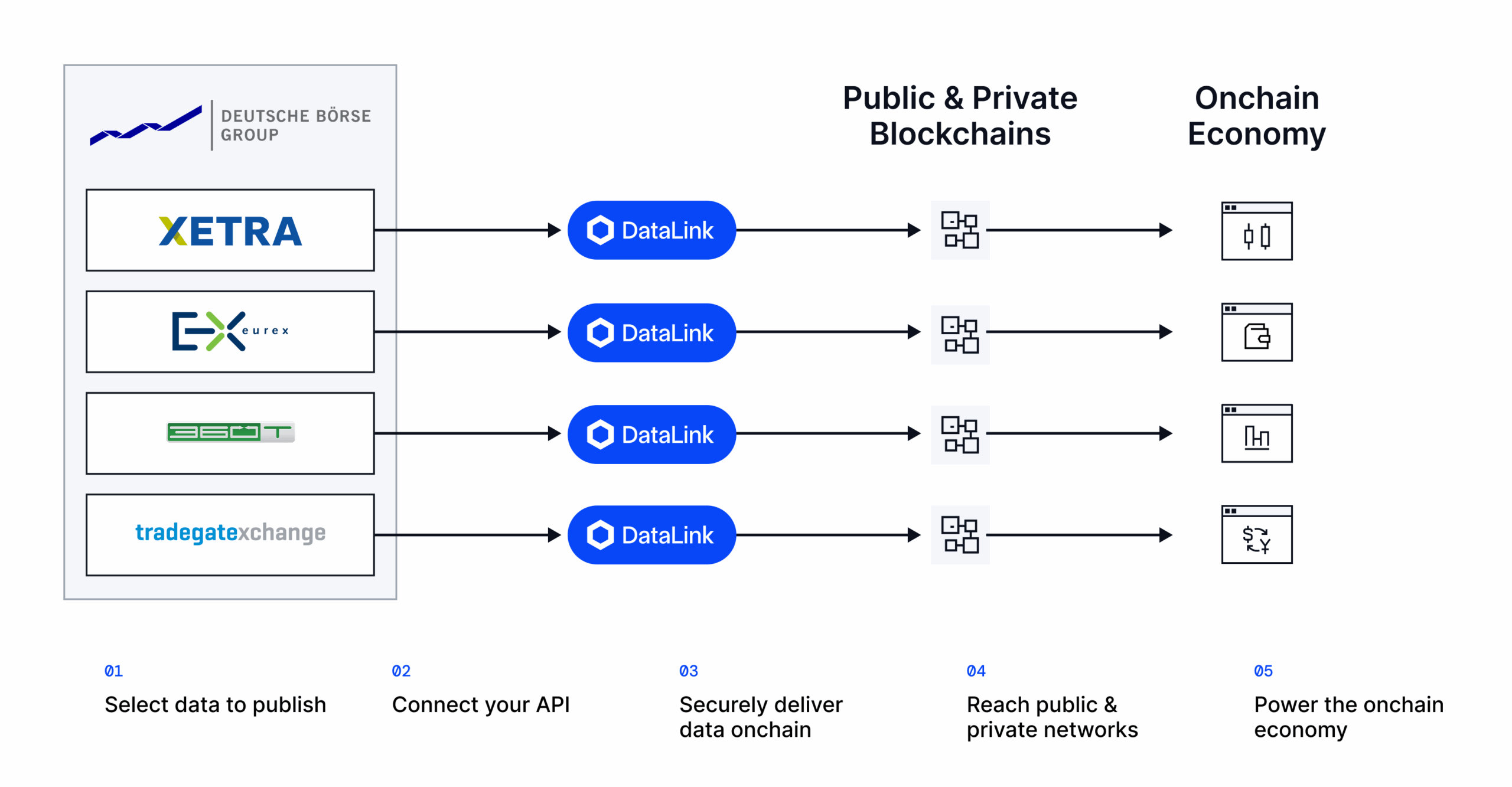
A crucial development in 2025 was the increasing alignment of traditional financial market infrastructures (FMIs) around Chainlink standards. This included exchanges, clearinghouses, and central securities depositories (CSDs) exploring and implementing Chainlink as a foundational layer for their future digital asset strategies. Many FMIs, previously hesitant to adopt public blockchain technologies, recognized Chainlink’s ability to provide the necessary reliability, security, and enterprise-grade support required for critical infrastructure. Working groups established by major financial associations, such as the International Swaps and Derivatives Association (ISDA) and the Financial Stability Board (FSB), began to publish recommendations that explicitly referenced Chainlink’s oracle framework for data integrity and interoperability in tokenized markets. This strategic alignment signaled a broad industry consensus that Chainlink offered the most viable pathway for integrating existing market structures with the emerging onchain financial ecosystem.
Continuing To Win in 2026: The Tokenization Tsunami
2025 was undeniably a defining year for Chainlink, characterized by its widespread adoption across governments, financial institutions, and market infrastructures, solidifying its position as the standard platform for bringing capital markets onchain. The groundwork laid in 2025 has created an unprecedented foundation for what is anticipated to be an even more transformative year.
Looking ahead, 2026 is poised to be the year where tokenization adoption accelerates at an exponential scale. With the regulatory landscape becoming clearer, institutional comfort levels increasing, and Chainlink’s robust infrastructure already in place, the tokenization of a vast array of real-world assets—from illiquid private equity to intellectual property—is expected to surge. Chainlink’s expanded product suite, including CCIP for cross-chain value transfer, enhanced data feeds for complex assets, and verifiable computation capabilities, will be the core infrastructure powering this global shift. The increasing demand for transparent, efficient, and globally accessible financial markets will continue to drive the adoption of onchain solutions, with Chainlink playing an instrumental role in connecting the traditional and decentralized worlds. As the financial ecosystem continues its inexorable march towards digital transformation, Chainlink is firmly positioned at its vanguard, empowering the next era of global finance.