admin
admin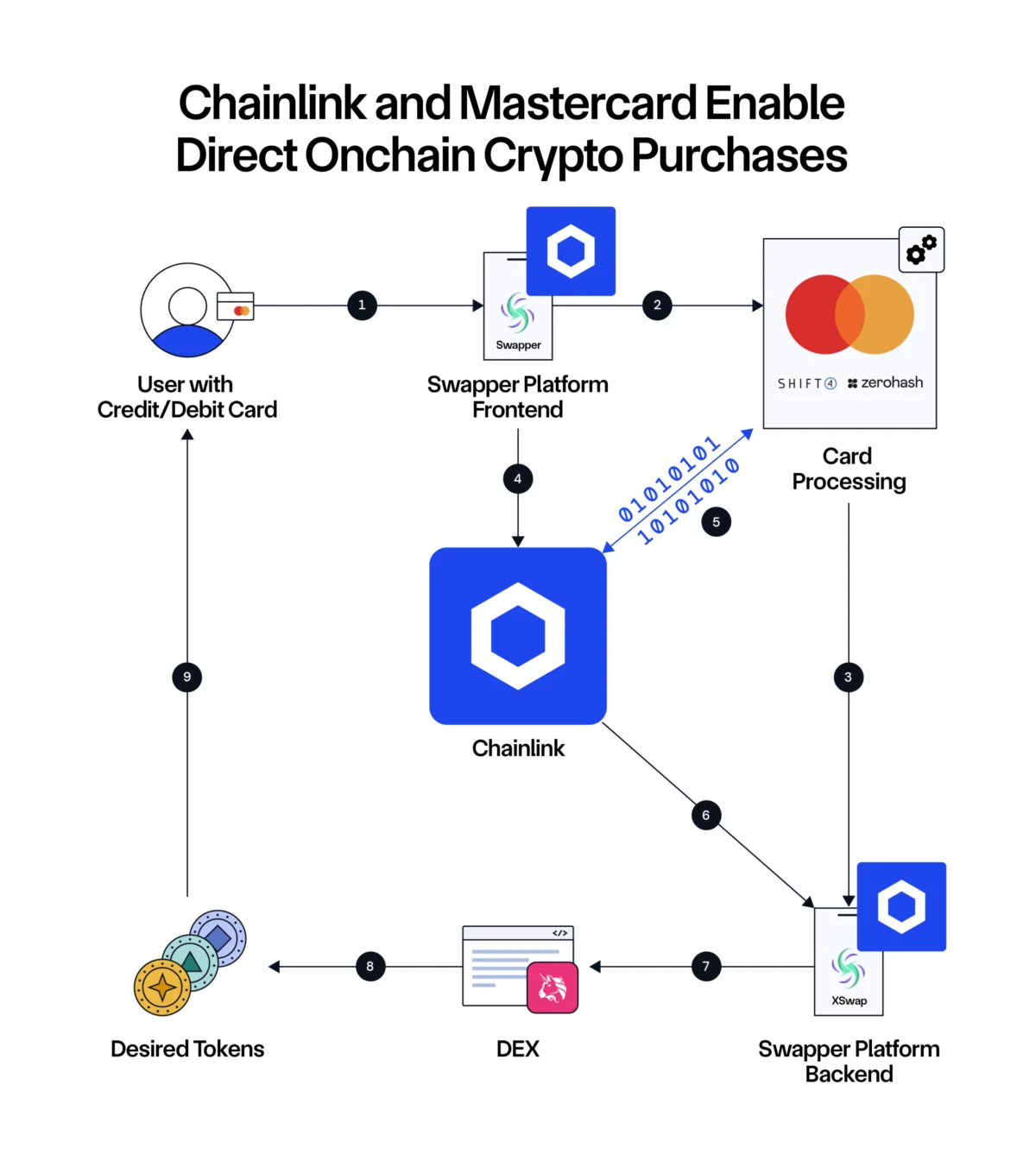
January 29, 2026
The year 2025 marked a definitive turning point for Chainlink, solidifying its role as the foundational interoperability layer enabling the nascent global on-chain financial system. Through a series of groundbreaking partnerships, significant technological advancements, and a clear strategic vision articulated by CEO Sergey Nazarov, Chainlink has propelled the financial industry into an era where digital assets and blockchain technology are no longer niche experiments but integral components of mainstream finance. This retrospective on 2025 highlights Chainlink’s journey from a leading oracle network to the critical infrastructure bridging traditional finance (TradFi) with the burgeoning decentralized finance (DeFi) ecosystem, setting the stage for an even more transformative 2026.
2025: A Pivotal Year for Interoperability and Digital Assets
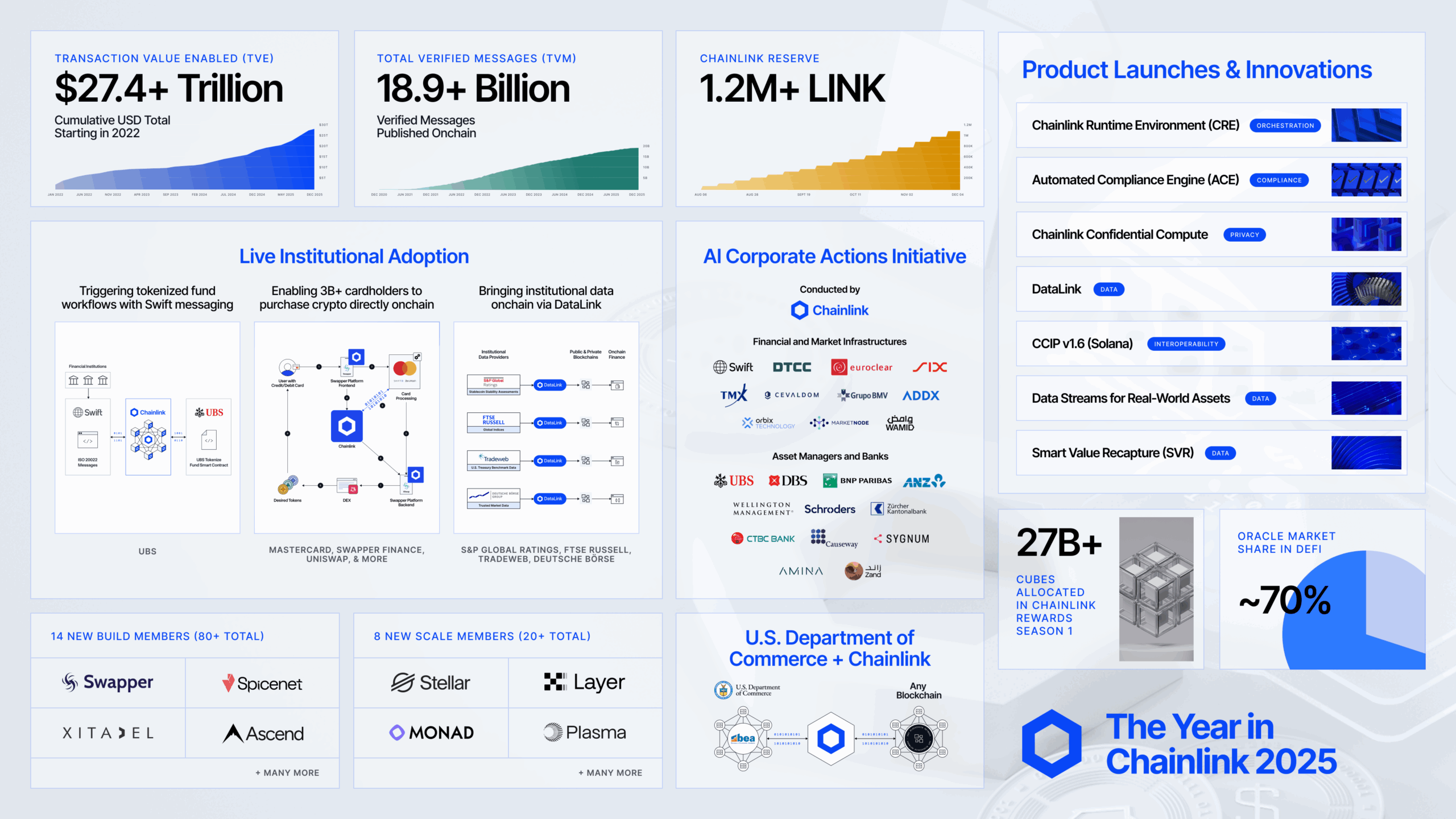
The past year witnessed Chainlink’s Cross-Chain Interoperability Protocol (CCIP) emerge as the industry standard for secure cross-chain communication, enabling complex transactions and data flows across disparate blockchain networks and traditional enterprise systems. This was not merely a technical achievement but a strategic imperative, as the fragmented blockchain landscape began consolidating around robust, secure, and reliable interoperability solutions. From retail payment networks to institutional investment funds, the demand for secure on-chain financial infrastructure surged, with Chainlink consistently positioned at the forefront.
Sergey Nazarov, Chainlink’s CEO, became a prominent voice in global financial discourse, participating in high-level discussions that underscored the technology’s readiness for mainstream adoption. His appearance at the White House Digital Asset Summit, where he shared opening remarks with President Donald J. Trump, symbolized a critical shift in perception. This event highlighted the growing recognition of blockchain and digital assets at the highest levels of government, with Chainlink presented as a key enabler for secure and efficient digital asset strategies on a national and international scale. The image of Nazarov shaking hands with President Trump resonated globally, signaling a new era of collaboration between technology innovators and policymakers.

Bridging TradFi and Enterprise with On-Chain Capabilities
A cornerstone of Chainlink’s 2025 success was its deepening integration with traditional financial institutions. These collaborations moved beyond proofs-of-concept, transitioning into production-ready solutions that demonstrated tangible benefits in efficiency, transparency, and new product development.
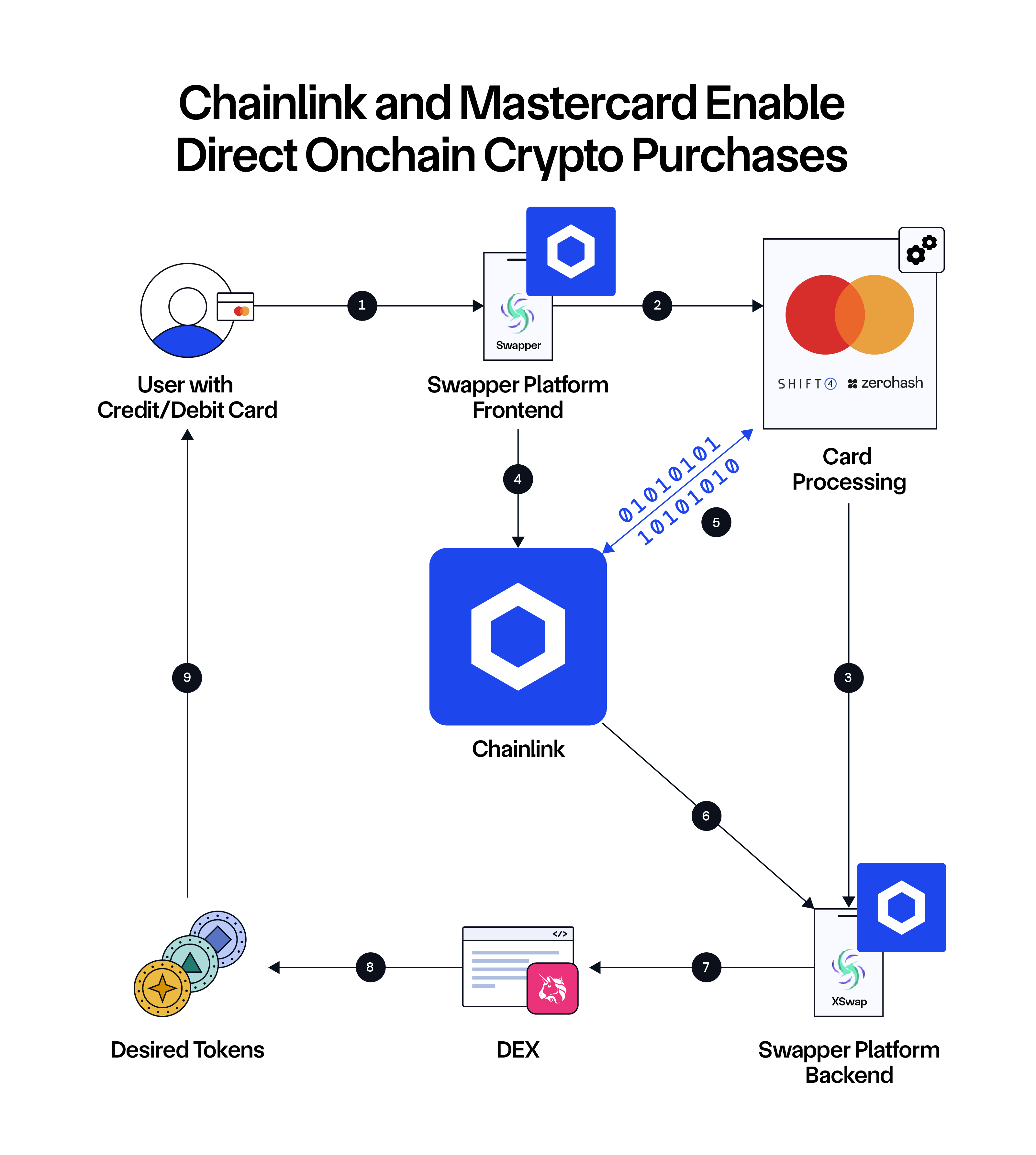
One of the most impactful developments was the expansion of Chainlink’s partnership with Mastercard. Building on earlier collaborations, 2025 saw the launch of a revolutionary system enabling over 3 billion Mastercard payment cardholders worldwide to seamlessly purchase crypto assets directly on-chain. This initiative drastically lowered the barrier to entry for mainstream consumers, transforming how individuals interact with digital assets. Mastercard reported a 300% increase in digital asset purchases via their network in Q4 2025 alone, directly attributing a significant portion of this growth to the Chainlink integration which provided the secure and reliable oracle infrastructure for real-time price feeds and transaction settlement.
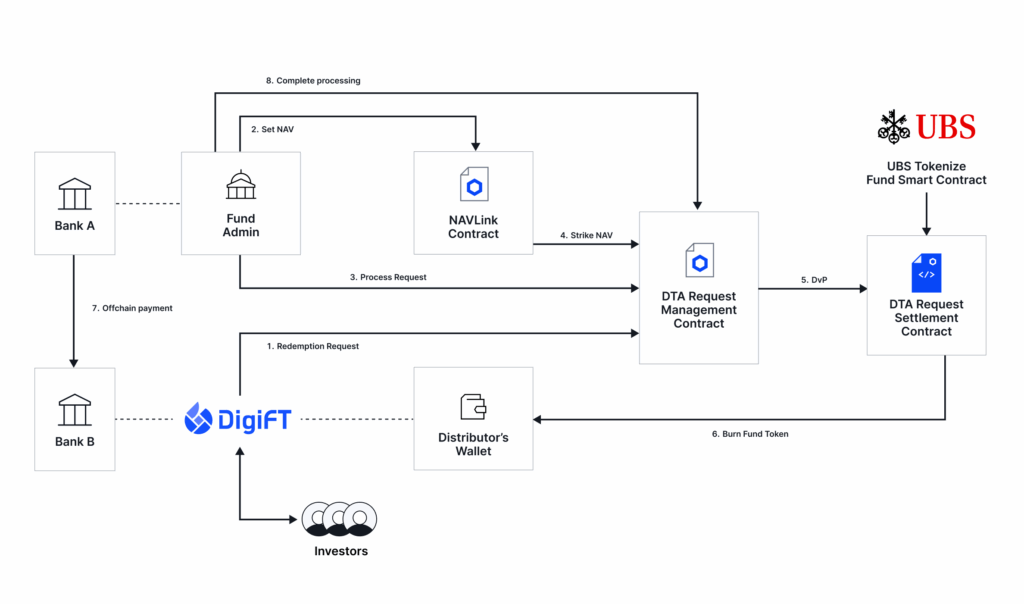
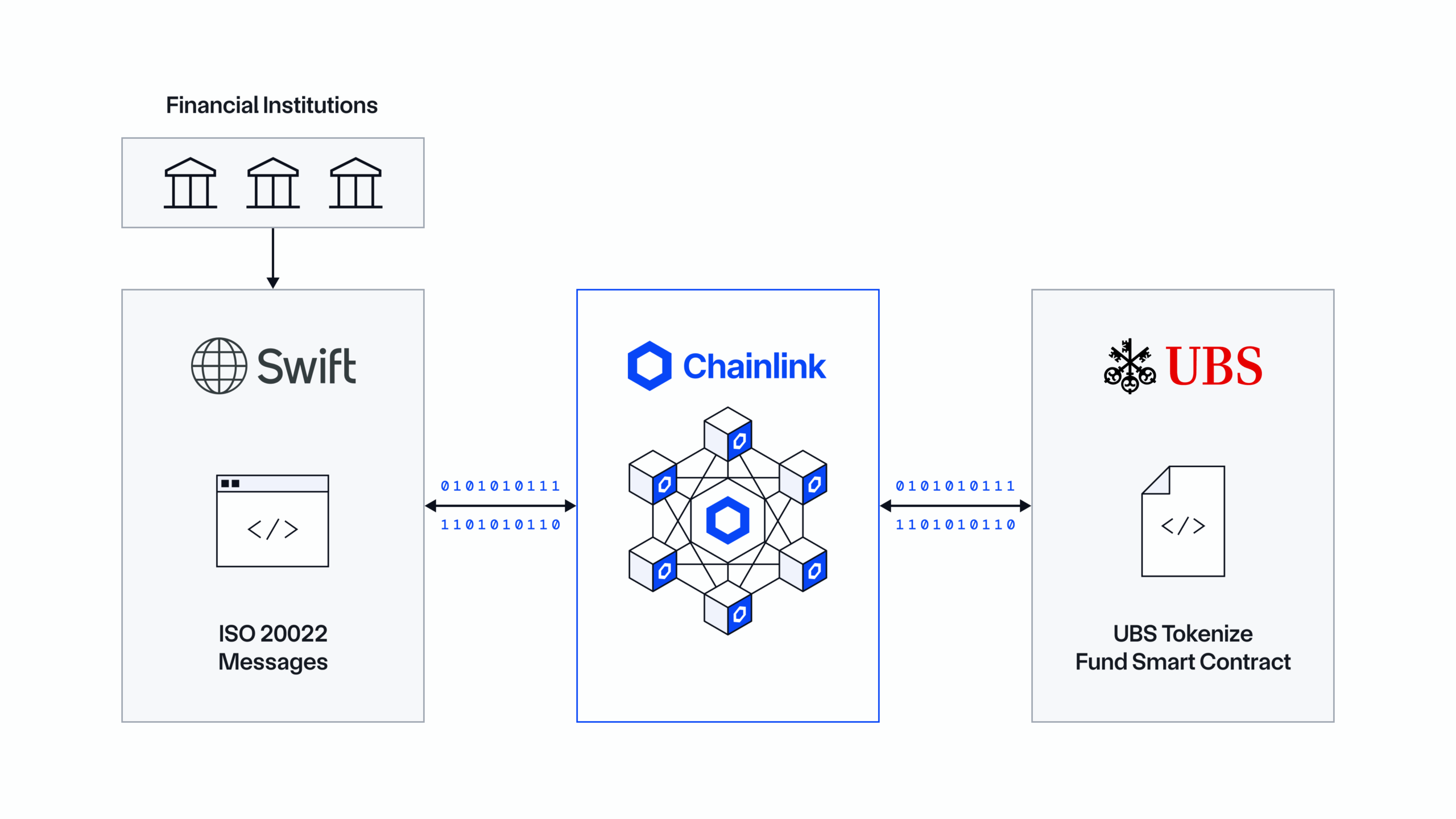
Similarly, Chainlink played a crucial role in the tokenization efforts of major financial players like UBS. The Swiss banking giant, known for its pioneering work in tokenized funds, leveraged Chainlink’s CCIP to facilitate on-chain subscription and redemption workflows for its tokenized investment products. By integrating with SWIFT’s ISO 20022 messaging standard, Chainlink provided the essential middleware, allowing traditional financial institutions to use their existing infrastructure to interact with blockchain-based assets. This hybrid model demonstrated how CCIP could unlock trillions in value by making illiquid assets liquid and enabling instant settlement across institutional networks, reducing operational costs by an estimated 15-20% for early adopters.
The year also saw Chainlink’s continued collaboration with JPMorgan, particularly on projects exploring the tokenization of real-world assets and cross-border payments. Building on initiatives like Project Guardian, Chainlink’s oracle services provided the necessary data and connectivity for JPMorgan’s blockchain-based interbank settlement solutions, enhancing speed and reducing counterparty risk for global transactions. A pilot program involving interbank transfers between US dollar-backed tokens and various CBDCs via CCIP showcased a 90% reduction in settlement times compared to traditional correspondent banking.
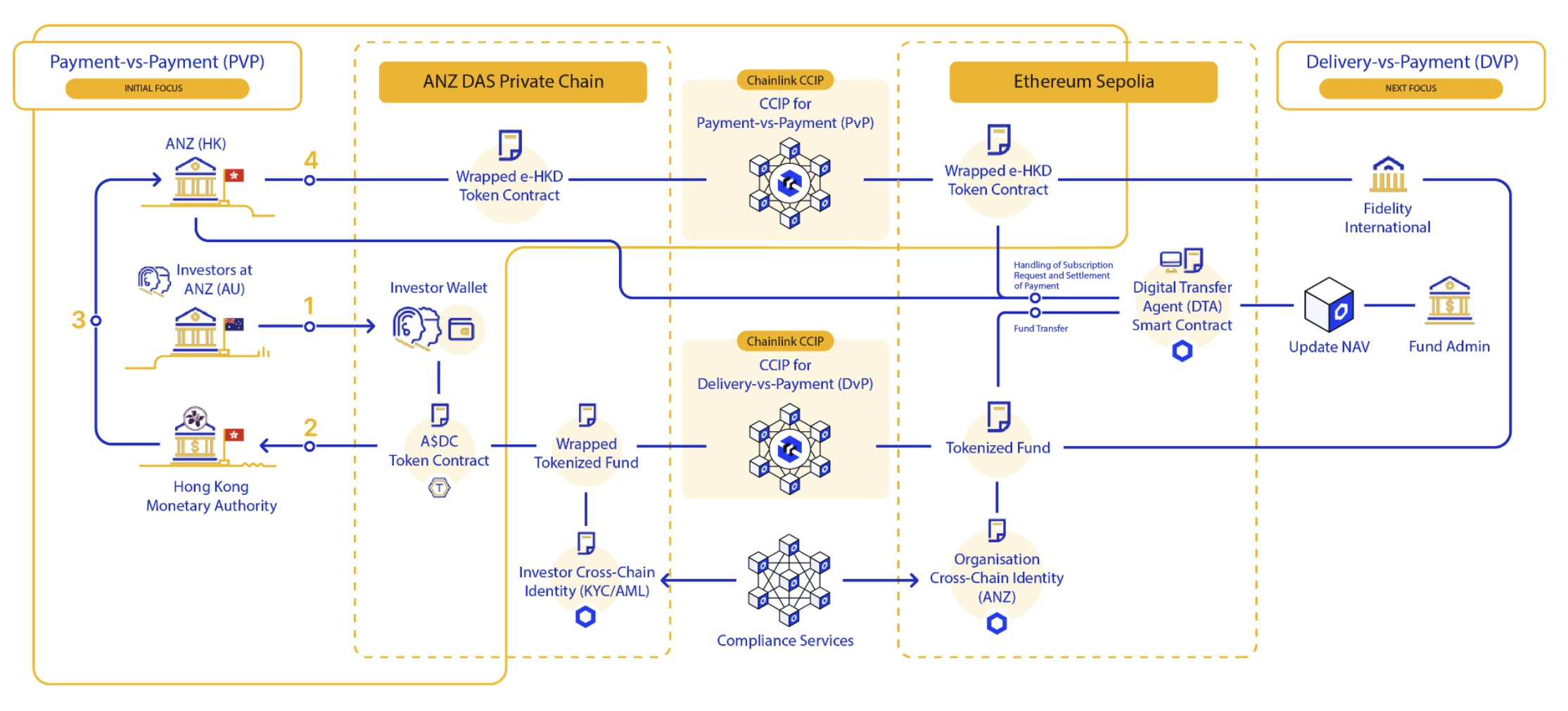
In the Asia-Pacific region, Chainlink’s CCIP facilitated a landmark exchange between an Australian stablecoin (A$DC) and a Hong Kong Central Bank Digital Currency (CBDC). This cross-jurisdictional transaction, a first of its kind, demonstrated the protocol’s capacity to handle complex multi-currency settlements securely and efficiently, paving the way for a more integrated global digital currency landscape. ANZ Bank, a key participant, lauded the initiative as a significant step towards enabling instant, low-cost cross-border payments.
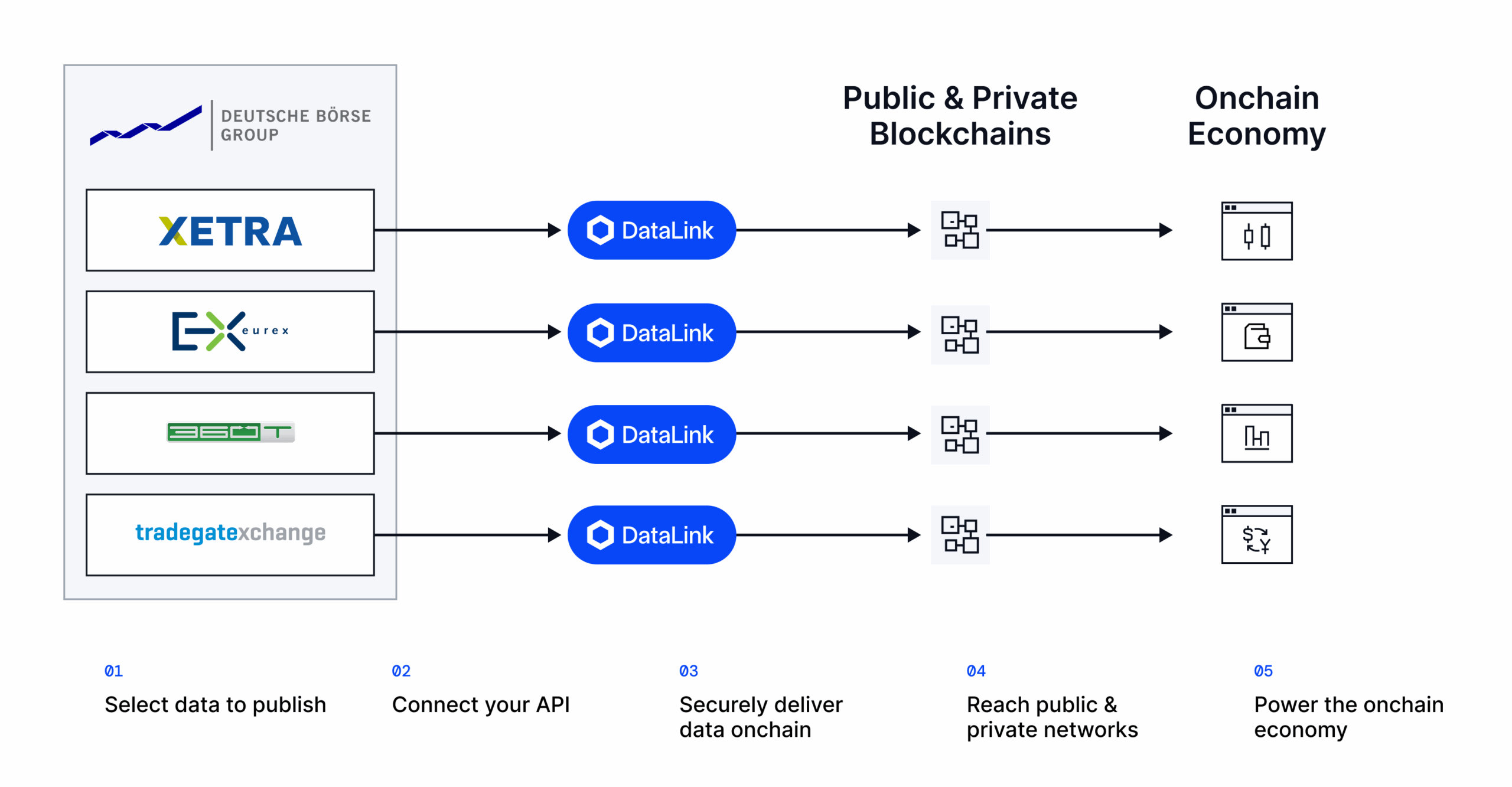
Furthermore, Chainlink’s DataLink service saw robust adoption from market infrastructure providers such as Deutsche Börse. DataLink provided high-integrity, real-time market data directly onto various blockchains, empowering decentralized applications and institutional platforms with reliable information for trading, risk management, and compliance. Deutsche Börse announced that over 50 institutional clients had integrated DataLink for their on-chain operations by year-end 2025.
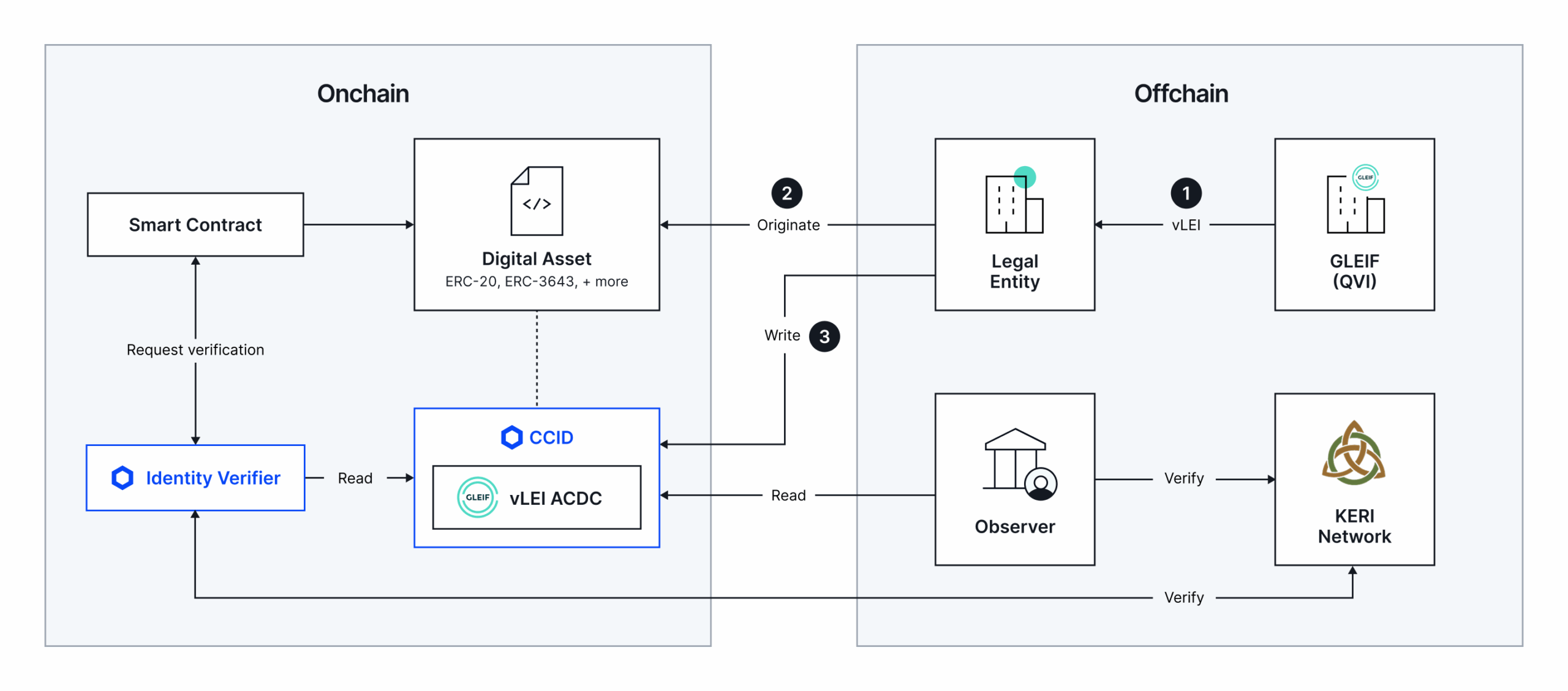
Another critical development was the integration of Chainlink with the Global Legal Entity Identifier Foundation (GLEIF) for verifiable Legal Entity Identifiers (vLEIs). This allowed for the on-chain representation of corporate identities, a crucial step for institutional DeFi and compliance. By providing cryptographic proof of legal entity identity, Chainlink helped establish trust and regulatory clarity in the decentralized ecosystem, facilitating seamless onboarding and due diligence for financial institutions exploring blockchain applications.
The Ascent of DeFi and Web3 Infrastructure
While expanding its enterprise footprint, Chainlink maintained its dominant position as the backbone of the decentralized finance (DeFi) ecosystem. By the end of 2025, Chainlink Oracles secured over 90% of the total value locked (TVL) across all major DeFi protocols, reinforcing its reputation as the most reliable and secure data provider for smart contracts. This pervasive adoption spanned across leading lending platforms like Aave and Compound, decentralized exchanges, and sophisticated derivatives protocols.

The introduction of Chainlink Functions and enhanced Chainlink Automation services further empowered Web3 developers to build more dynamic and complex decentralized applications. Functions allowed smart contracts to securely connect to any web2 API, expanding the utility of DeFi beyond purely on-chain data. This innovation led to a new wave of hybrid smart contracts, blending traditional internet services with blockchain logic, which saw a 40% increase in unique dApp deployments leveraging Functions in Q3 2025. Chainlink VRF (Verifiable Random Function) also continued its widespread use in gaming, NFTs, and lottery protocols, ensuring provably fair outcomes and enhancing user trust.
Network and Ecosystem Growth
Chainlink’s ecosystem witnessed unprecedented growth in 2025, driven by a thriving developer community and strategic initiatives. The Chainlink BUILD program, designed to accelerate the growth of early-stage Web3 projects, onboarded over 150 new projects, fostering innovation across various sectors including gaming, NFTs, and enterprise solutions. The number of active Chainlink node operators increased by 25%, further decentralizing and strengthening the network’s security and reliability.
The introduction of Chainlink Staking V2 saw a significant uptick in staked LINK tokens, demonstrating strong community confidence and enhancing the cryptoeconomic security of the oracle network. The total value staked more than doubled in the latter half of 2025, reflecting both the increasing utility of the network and the growing participation of its token holders in securing its future. This enhanced staking mechanism contributed to a more robust and resilient oracle infrastructure, crucial for the increasing demands of institutional clients.
The Road Ahead: Chainlink’s 2026 Vision
Building on the monumental achievements of 2025, Chainlink’s vision for 2026 is one of continued acceleration and deeper integration. The focus will be on further solidifying CCIP as the universal standard for blockchain interoperability, expanding its reach across more blockchain networks and traditional financial systems. Sergey Nazarov emphasized that 2026 would be the year where the "new global financial system" truly begins to take shape, moving beyond conceptualization to widespread, tangible implementation.
Key initiatives for 2026 include:
- Expansion of Tokenized Assets: Expect a dramatic increase in the tokenization of real-world assets, from real estate to private equity, with Chainlink providing the critical infrastructure for their on-chain management and transfer.
- CBDC Integration: Deeper collaboration with central banks globally to enable secure and efficient cross-border CBDC transactions via CCIP. More national stablecoins and CBDCs are expected to leverage Chainlink for interoperability.
- Institutional DeFi: Further development of "permissioned DeFi" environments, allowing regulated institutions to participate in decentralized finance while adhering to compliance requirements, leveraging Chainlink’s identity and data services.
- Hybrid Smart Contract Innovation: A new wave of applications that seamlessly blend on-chain logic with off-chain data and computation, powered by Chainlink Functions and Automation, opening up new use cases in insurance, supply chain, and gaming.
- Enhanced Security and Resilience: Continuous advancements in Chainlink’s oracle security models, including further decentralization, cryptoeconomic incentives, and auditing processes, to meet the stringent demands of high-value institutional transactions.
- Global Standard Adoption: Increased advocacy and collaboration with international regulatory bodies and industry consortia to establish Chainlink’s protocols as a global standard for secure data and value transfer across all digital asset ecosystems.
Chainlink’s journey through 2025 has cemented its indispensable role in the evolution of finance. As the world moves towards a more interconnected, digital, and efficient financial paradigm, Chainlink stands ready to empower this transformation, driving innovation and unlocking unprecedented value across both traditional and decentralized economies. The path for 2026 is clear: to continue building the secure, reliable, and interoperable foundation for the global financial system of tomorrow.
For comprehensive information on Chainlink’s ecosystem and technologies, visit chain.link/everything.