admin
admin
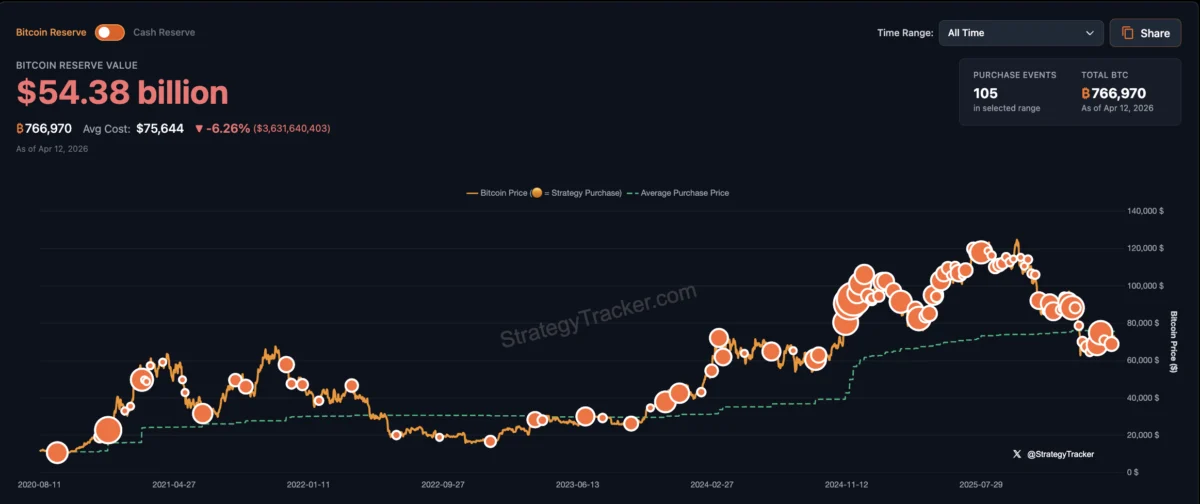
In a significant market event on Monday, Bitcoin (BTC) experienced a swift 4% surge within minutes following an announcement by US President Donald Trump indicating an intention to temporarily de-escalate the ongoing conflict in Iran and pursue diplomatic negotiations. This immediate price movement mirrored a broader market reaction, with global oil prices, specifically West Texas Intermediate (WTI) crude, tumbling by a sharp 14% to $85 per barrel, while the S&P 500 index climbed 3%. However, despite these initial positive indicators in traditional markets, a deeper analysis of Bitcoin derivatives metrics revealed a persistent undercurrent of skepticism and a notable lack of confidence among traders regarding the crucial $68,000 support level for the cryptocurrency. This divergence highlights a complex interplay of geopolitical factors, macroeconomic pressures, and lingering internal market uncertainties specifically impacting the digital asset landscape.
The Geopolitical Catalyst and Immediate Market Reactions
The announcement from President Trump came at a critical juncture, following a period of heightened tensions in the Middle East that had significantly rattled global markets. The specific details leading up to this de-escalation involved weeks of escalating rhetoric and strategic maneuvers between the US and Israel-Iran, contributing to significant volatility in energy markets and a cautious stance among international investors. Prior to Trump’s statement, the risk premium on oil had inflated considerably, reflecting fears of supply disruptions from the region. The sudden shift towards de-escalation provided instant relief, manifesting in the sharp decline in oil futures and a corresponding rally in equities as investors momentarily moved away from safe-haven assets.

For Bitcoin, the immediate 4% jump was a testament to its evolving role in the global financial ecosystem, often reacting to significant macroeconomic and geopolitical news, sometimes in tandem with traditional risk assets. However, the short-lived nature of this enthusiasm, particularly when juxtaposed against the more sustained positive reactions in the S&P 500, signaled that underlying vulnerabilities within the crypto market might be preventing a more robust recovery. This brief bullish impulse, while notable, appeared insufficient to fundamentally alter the prevailing cautious sentiment that has characterized Bitcoin trading for several months.
Underlying Bitcoin Skepticism: A Deep Dive into Derivatives
Despite the brief rally, crucial indicators within the Bitcoin derivatives market continued to paint a picture of apprehension rather than conviction. On Monday, Bitcoin futures traded at a mere 2% annualized premium relative to regular spot markets. This figure stands notably below the typical 4% to 8% range generally observed under neutral market conditions. The futures premium, often referred to as the basis, reflects the cost of holding a futures contract compared to the spot price. A lower premium suggests a lack of demand for bullish leverage, indicating that traders are not aggressively betting on higher future prices. This subdued demand from bulls has been a consistent pattern over the past month, persisting even during a recent upward movement that saw Bitcoin briefly rally toward $76,000 earlier on Tuesday. This suggests that even minor rallies are viewed with suspicion, potentially as opportunities for short-term profit-taking rather than as signals of a sustained upward trend.
Further insights into market sentiment can be gleaned from the options market. At the prominent Deribit exchange, the $80,000 Bitcoin call option for April 24 traded at a price of 0.017 BTC, equivalent to approximately $1,207. With just 31 days remaining until expiry and an implied volatility of 48%, the market was pricing in a relatively low probability—only about a 20% chance—of Bitcoin reaching the $80,000 mark by the expiration date. This low expectation for a roughly 13% monthly gain is particularly unusual in the historically volatile and often optimistic cryptocurrency markets. Typically, participants in digital asset markets exhibit a higher degree of speculative enthusiasm, making such conservative pricing a strong indicator of prevailing bearish or neutral sentiment. It underscores a significant lack of confidence in substantial near-term price appreciation, further reinforcing the skepticism evident in the futures market.

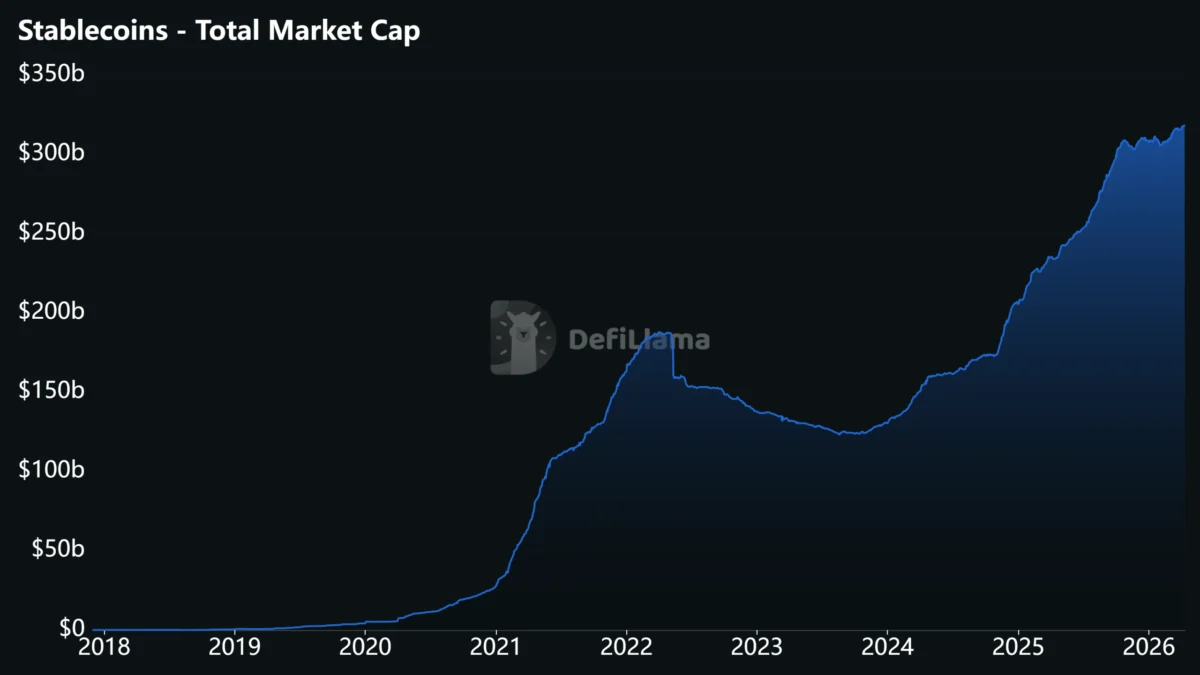
Another metric, the USD stablecoin premium/discount relative to the USD/CNY exchange rate, also offered insights into regional buying and selling pressures. On Monday, USD stablecoins traded at a 1.3% premium against the official US dollar to yuan exchange rate. While a premium indicates buying interest, this figure remained within a range that suggests no particular imbalance between buying and selling demand in the region. Typically, strong demand for cryptocurrency, especially in regions with capital controls, would push this premium above the 1.5% neutral range. Conversely, widespread panic selling often causes stablecoins to trade at a discount. The observed 1.3% premium suggests a relatively balanced, albeit cautious, market in that specific region, not indicative of a strong directional bias from retail or institutional investors.
The Lingering Shadow of the Oct. 2025 Flash Crash
The underlying pessimism permeating the Bitcoin market cannot be fully understood without acknowledging the profound impact of the flash crash that occurred on October 10, 2025. This event, which saw a rapid and severe price decline, inflicted unprecedented damage on the market. The specific causes of this flash crash, and Bitcoin’s subsequent failure to track traditional markets more closely, remain unconfirmed, fueling a pervasive sense of suspicion among traders. The incident was characterized by an astonishing $19 billion in liquidations, an amount that caused heavy losses for market makers and individual traders who had utilized cross-margin positions. Cross-margin positions, which allow traders to use their entire account balance as collateral for multiple positions, amplify both gains and losses, making them particularly vulnerable to rapid market movements. The scale of these liquidations not only erased significant capital but also severely eroded trust, leaving many participants wary of sudden, unexplained market dislocations.
The flash crash also coincided with a period of rising US import tariffs, including a drastic 100% levy on Chinese goods. This tariff escalation followed China’s decision to restrict exports of rare earth metals, critical components for numerous high-tech industries. The confluence of these geopolitical trade tensions with the internal market shock of the flash crash created a perfect storm, contributing to Bitcoin’s significant sell-off and its subsequent struggle to recover. The chart comparing S&P 500 futures and Bitcoin/USD clearly illustrates this divergence, showing the S&P 500 exhibiting a more robust recovery trajectory while Bitcoin lagged, signaling a decoupling that further fueled investor apprehension. For many, the memory of this event and the lack of clarity regarding its root causes continue to overshadow any short-term positive news, making them hesitant to re-engage with conviction.

Macroeconomic Headwinds and Broader Market Influences
Beyond the internal dynamics of the crypto market and specific geopolitical events, broader macroeconomic factors are playing a significant role in shaping investor behavior across all asset classes, including Bitcoin. The Federal Reserve’s decision to pause rate cuts has created a challenging environment for risk assets. High interest rates inherently reduce incentives for consumer financing, making borrowing more expensive for individuals and businesses alike. This tight monetary policy also creates a substantial burden for corporate capital costs, impacting investment decisions and overall economic growth. In an environment where traditional fixed-income investments offer attractive, relatively low-risk returns, investors have less incentive to allocate capital to more volatile assets like Bitcoin, especially when the outlook for economic growth remains uncertain.
The resilience observed in Bitcoin derivative markets, albeit modest, has been tested as BTC retested the $67,500 level. This comes at a time when even traditionally "safe-haven" assets have shown vulnerability. Gold, for instance, experienced a historic 21% price drop over ten days, the largest weekly fall in 43 years. This event served as a stark reminder that no asset class is entirely immune when traders are gripped by fears of an economic recession and persistent inflationary risks. The ongoing impact of elevated fuel prices is a particular concern, affecting logistics and nearly every sector of the US economy, contributing to inflationary pressures and eroding consumer purchasing power.
The 3% relief bounce in the S&P 500 on Monday, while positive, is widely considered insufficient to prompt a significant exodus of investors from their fixed-income positions. As long as the Federal Reserve provides little indication of resuming its monetary easing policy, the appeal of higher-yielding, lower-risk bonds will likely persist. This macro-level environment places a significant ceiling on the potential for sustained rallies in risk assets, including Bitcoin, which tends to perform best in periods of abundant liquidity and lower interest rates.

Investor Sentiment and Future Outlook
There is an undeniable and significant dependence on the duration of the current geopolitical conflicts for the trajectory of risk assets, including Bitcoin. While President Trump’s announcement offered a temporary reprieve, the underlying tensions and the potential for re-escalation remain. Until global oil prices revert back to $75 per barrel or lower, which would alleviate significant inflationary pressures and economic uncertainty, traders are likely to maintain a cautious stance. High oil prices directly impact transportation, manufacturing, and consumer goods, feeding into broader inflation and squeezing corporate profit margins.
However, even a sustained de-escalation and a return to lower oil prices may not be enough to fundamentally shift the current bearish sentiment surrounding Bitcoin. Additional, more potent catalysts may need to emerge for Bitcoin traders to turn decisively bullish. These could include a clear and sustained dovish pivot from the Federal Reserve, a significant technological breakthrough within the crypto ecosystem, or a renewed influx of institutional capital driven by clear regulatory frameworks. Given the persistent lack of conviction evident in both on-chain and derivatives metrics, the path to a robust and sustained recovery for Bitcoin appears challenging. The market is not merely waiting for good news; it demands compelling, long-term drivers to overcome the deep-seated skepticism cultivated by recent geopolitical instability, macroeconomic tightening, and internal market shocks. The journey ahead for Bitcoin will likely be characterized by continued volatility and a battle between short-term news-driven reactions and the deeper, more influential macroeconomic and structural forces at play.
This article does not contain investment advice or recommendations. Every investment and trading move involves risk, and readers should conduct their own research when making a decision. While we strive to provide accurate and timely information, Cointelegraph does not guarantee the accuracy, completeness, or reliability of any information in this article. This article may contain forward-looking statements that are subject to risks and uncertainties. Cointelegraph will not be liable for any loss or damage arising from your reliance on this information.