admin
admin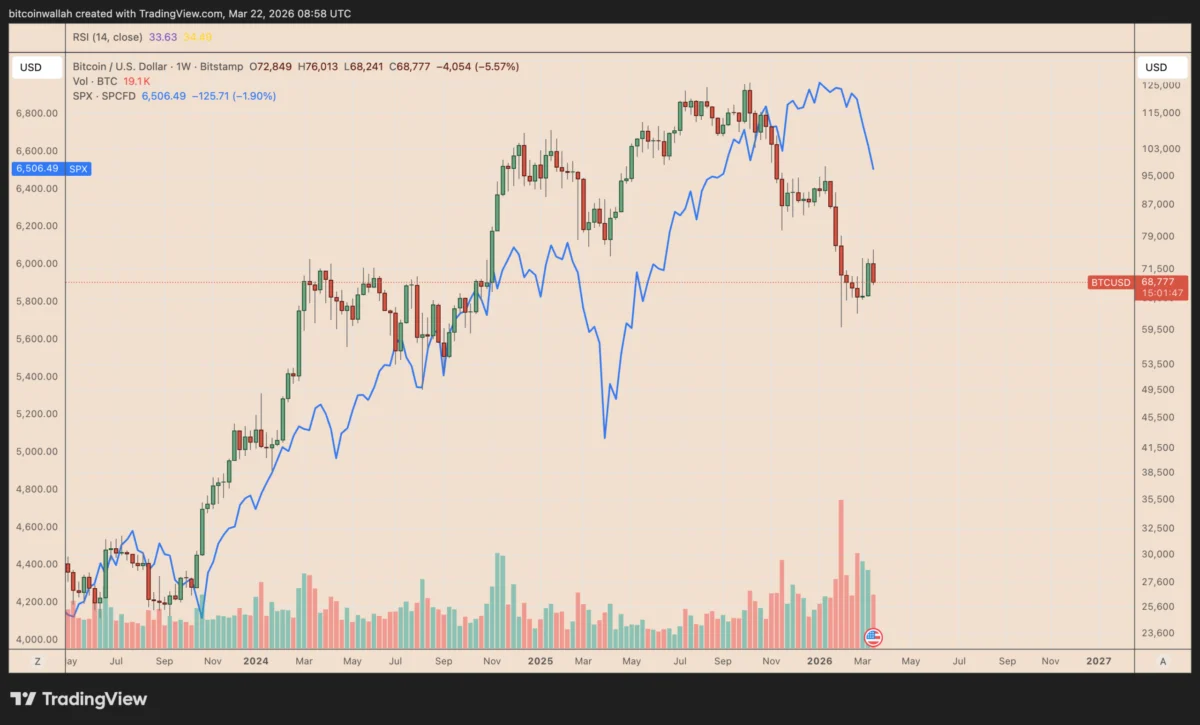
Bitcoin has conspicuously relinquished the gains it accrued during the recent surge in US-Iran geopolitical tensions, now demonstrating a pronounced return to synchronization with the broader downturn observed in risk assets, most notably US equities. This shift has raised significant concerns among market analysts, who point to historical precedents suggesting a potential for substantial further declines in the cryptocurrency market. As of Sunday, Bitcoin (BTC/USD) had registered a week-to-date depreciation of 5.65%, settling at approximately $68,700. This mirrors, albeit with greater volatility, the performance of the S&P 500 (SPX), which concluded the week with a 1.90% decline. The re-establishment of this strong positive correlation is now widely interpreted as a critical warning, signaling an elevated risk of impending downside pressure on Bitcoin’s valuation in the coming months.
The Fading "Safe Haven" Narrative Amidst Geopolitical Volatility
The initial surge in Bitcoin’s price, which saw it briefly detach from traditional risk assets, was largely attributed to its perceived role as a digital safe haven during the escalation of tensions between the United States and Iran. Following the initial drone strikes and retaliatory actions in the Middle East, a narrative emerged suggesting that Bitcoin, due to its decentralized nature and independence from traditional financial systems, could serve as a hedge against geopolitical instability and currency devaluation. This perspective fueled a temporary rally, pushing Bitcoin’s price higher even as global equity markets experienced jitters.
However, this "safe haven" thesis proved fleeting. As the immediate threat of a wider conflict appeared to subside and diplomatic efforts gained traction, investor focus quickly reverted to fundamental economic indicators and broader market sentiment. The short-lived decoupling of Bitcoin from traditional assets underscored the cryptocurrency’s evolving, yet still contested, position within the global financial landscape. While some proponents argue for its long-term potential as a store of value akin to gold, its price movements frequently remain tethered to the ebb and flow of global risk appetite, particularly concerning US equities. The recent unwinding of these war-driven gains serves as a stark reminder of Bitcoin’s sensitivity to both geopolitical events and prevailing macroeconomic conditions, often oscillating between these two influential forces.
Resurgent Correlation: Bitcoin’s Uneasy Alliance with the S&P 500
The most concerning development for Bitcoin investors is the renewed and strengthening correlation between the cryptocurrency and the S&P 500, the benchmark index for US equities. Correlation, in financial terms, measures the degree to which two assets move in relation to each other. A correlation coefficient of 1 indicates perfect positive correlation (they move in the same direction), -1 indicates perfect negative correlation (they move in opposite directions), and 0 indicates no linear relationship.
As of the close of the previous week, the 20-week rolling correlation between Bitcoin and the S&P 500 had surged to 0.13. This figure, while still relatively modest, represents a significant recovery from its recent nadir of approximately -0.5. A negative correlation of -0.5 suggested that Bitcoin was, to some extent, moving inversely to the stock market, reinforcing the safe-haven narrative or at least indicating a degree of independence. The shift back to a positive correlation, even a slight one like 0.13, signifies that Bitcoin is once again largely influenced by the same factors driving traditional risk assets.
This trend is not without historical precedent, and past patterns offer a sobering outlook. Since 2018, periods characterized by sharp recoveries in the BTC-SPX correlation have consistently preceded substantial declines in the broader Bitcoin market. These historical downturns have averaged approximately 50%, often catching investors off guard after periods of perceived stability or even minor rallies.

Financial analyst Tony Severino articulated this concern, stating unequivocally, "It is a warning sign that the stock market is going to collapse and take BTC with it." This sentiment reflects a growing apprehension that if the S&P 500 experiences a significant correction, Bitcoin, by virtue of its re-established correlation, will likely follow suit, amplifying the losses for cryptocurrency holders.
Historical Precedents and Potential Downside Targets
Examining historical data provides a clearer picture of the potential risks. In both 2020 and 2022, Bitcoin experienced significant declines that were notably preceded by similar shifts in its correlation with the S&P 500. These periods often saw Bitcoin initially rally alongside an increasing SPX correlation, creating what many analysts retrospectively identified as "bull traps." A bull trap occurs when a downtrending asset shows signs of a reversal, luring in buyers who then get "trapped" as the price reverses downward again, often with increased momentum. Following these traps, Bitcoin’s price would reverse course, wiping out prior gains and leading to protracted downturns.
For instance, in early 2020, following the initial market shock of the COVID-19 pandemic, Bitcoin saw a brief recovery while its correlation with equities began to strengthen. This preceded a significant drop in March 2020, often referred to as "Black Thursday," where Bitcoin plummeted alongside global markets. Similarly, in late 2021 and early 2022, as the Federal Reserve signaled a more hawkish monetary policy, Bitcoin’s correlation with tech stocks surged, only to be followed by a prolonged bear market that saw its value decline by over 70% from its all-time high.
Should this historical pattern repeat, a 50% drop from Bitcoin’s current trading price of approximately $68,700 would imply a downside target of roughly $34,350. This projection aligns with the forecasts of multiple analysts who have previously suggested that Bitcoin could fall to the $30,000-$40,000 range by 2026, depending on the severity and duration of a potential market downturn. Such a decline would represent a significant psychological and financial blow to investors, especially those who entered the market during the recent bull run.
Macroeconomic Headwinds Fueling Bearish Outlook
The resurgent correlation between Bitcoin and the S&P 500 is occurring against a backdrop of challenging macroeconomic conditions that are broadly bearish for risk assets. These factors collectively contribute to a cautious outlook for both traditional equities and cryptocurrencies over the coming months.
Persistent Inflation: Global inflation, particularly in the United States, remains a significant concern. Despite efforts by central banks to tame rising prices, consumer price index (CPI) data has frequently exceeded expectations. Elevated oil prices, a key component of the inflation basket, contribute directly to higher production and transportation costs, which are then passed on to consumers. This persistent inflationary pressure erodes purchasing power and can force central banks to maintain restrictive monetary policies for longer than anticipated.
Federal Reserve Policy and Interest Rates: The Federal Reserve’s stance on interest rates is perhaps the most critical factor influencing risk assets. While initial expectations for 2024 included several interest rate cuts, higher-than-expected inflation figures have significantly lowered the odds of such cuts materializing in the near term. When interest rates are high, the cost of borrowing increases, which can dampen corporate investment, reduce consumer spending, and make riskier assets like stocks and cryptocurrencies less attractive compared to safer, yield-bearing assets such as government bonds. A prolonged period of elevated interest rates typically acts as a drag on economic growth and asset valuations.

Geopolitical Instability (Beyond US-Iran): While the immediate US-Iran tensions may have subsided, broader geopolitical instability persists, including ongoing conflicts in Eastern Europe and various regional disputes. Such uncertainties tend to make investors more risk-averse, leading them to pull capital from speculative assets and allocate it to perceived safe havens, or simply to cash. This pervasive sense of caution contributes to a general downtrend in risk assets.
These macroeconomic headwinds create a challenging environment for assets that thrive on liquidity and investor confidence. The combination of persistent inflation, a hawkish Federal Reserve, and global uncertainty typically leads to a "risk-off" environment, where investors prioritize capital preservation over growth, thereby impacting both the S&P 500 and, consequently, Bitcoin.
Institutional Accumulation Pause: MicroStrategy’s Influence
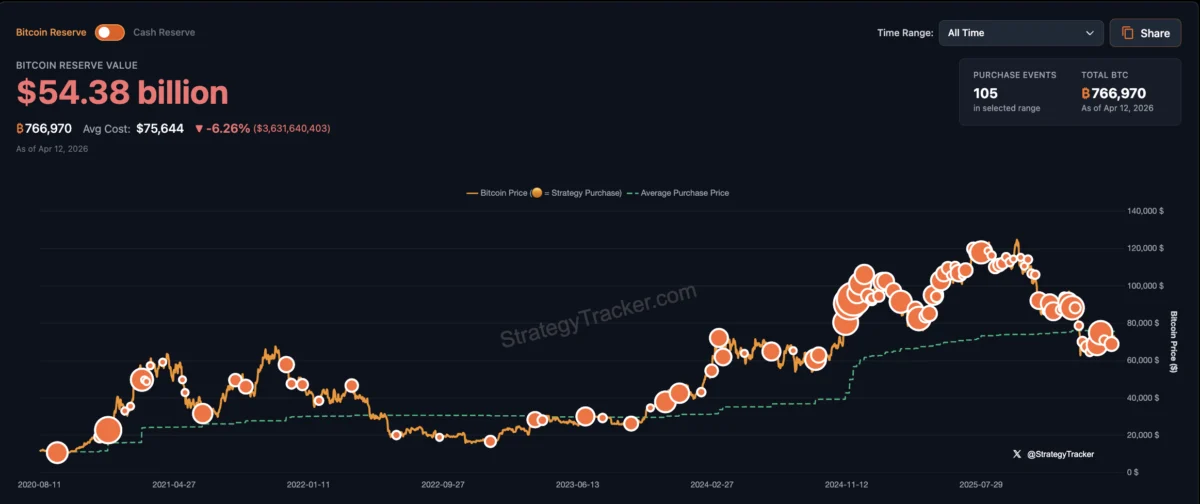
Adding another layer to the cautious outlook is the noticeable pause in corporate accumulation of Bitcoin, particularly from prominent institutional players. MicroStrategy (MSTR), a business intelligence firm that has become one of the largest corporate holders of Bitcoin, has played a pivotal role in the cryptocurrency’s recent price movements. Its aggressive acquisition strategy, often funded through convertible notes and equity offerings, has been a significant source of buying pressure in the market.
MicroStrategy’s strategy involves converting capital raised through various financial instruments into Bitcoin, signaling strong institutional confidence in the cryptocurrency as a long-term asset. Its last major acquisition, announced on March 16, saw the company add 22,337 BTC to its coffers, valued at approximately $1.57 billion at the time. This brought MicroStrategy’s total holdings to an impressive 761,068 BTC, cementing its status as a bellwether for corporate Bitcoin adoption. During the period of this acquisition, Bitcoin rallied by around 10.50%, notably outperforming US stocks.
However, according to data resource STRC.LIVE, MicroStrategy did not purchase any Bitcoin via the sales of its STRC preferred stock this past week. This pause, even if temporary, carries significant implications. MicroStrategy’s consistent buying has historically provided a crucial support level for Bitcoin, especially during periods of market uncertainty. The absence of fresh institutional demand from such a prominent player removes a key source of buying pressure, making Bitcoin more susceptible to broader market sell-offs and exacerbating the impact of the renewed correlation with equities.
This hiatus in accumulation could signify several things: MicroStrategy might be awaiting clearer market signals, reassessing its capital allocation strategy in light of current macroeconomic conditions, or simply taking a breather after a significant purchase. Regardless of the underlying reason, the immediate effect is a reduction in a reliable source of demand, leaving Bitcoin more exposed to the prevailing bearish sentiment in the wider financial markets.
Broader Market Dynamics and Investor Sentiment Indicators
Beyond the direct price correlation and institutional buying, several other indicators paint a picture of increased caution among investors.

Bitcoin Options Market Signaling Fear: The Bitcoin options market, a derivative market where traders can bet on future price movements, is currently signaling "fear." This typically implies an increase in the demand for put options (contracts that give the holder the right to sell an asset at a specified price, profiting from a decline) relative to call options (contracts to buy an asset, profiting from an increase). An options market skewed towards puts indicates that a significant number of sophisticated traders are hedging against potential downside or outright speculating on a price drop.
Relatively Low ETF Outflows (But Still Outflows): While the article notes that Bitcoin ETF outflows remain "relatively low," the fact that there are outflows at all, especially after the initial excitement surrounding their launch, is a point of concern. The introduction of spot Bitcoin ETFs in the US was widely hailed as a major catalyst for institutional adoption and increased liquidity. Sustained outflows, even if modest, suggest that some investors are withdrawing capital from these vehicles, either to lock in profits or to reduce their exposure to risk assets. This trend, if it accelerates, could further depress prices by reducing the net demand for Bitcoin through these regulated channels.
Retail vs. Institutional Investor Behavior: In volatile markets, the reactions of different investor segments can diverge. Institutional investors, with their sophisticated risk management strategies and long-term horizons, might be more inclined to "de-risk" or pause accumulation during periods of uncertainty. Retail investors, on the other hand, can be more susceptible to panic selling during sharp downturns or FOMO (Fear Of Missing Out) during rallies. The current environment, characterized by macroeconomic headwinds and a strong correlation with traditional markets, could see a blend of cautious institutional positioning and potentially reactive retail behavior, amplifying market swings.
Looking Ahead: Key Indicators and Divergent Outlooks
The immediate future for Bitcoin appears heavily influenced by the trajectory of global macroeconomic conditions and the performance of traditional equity markets. Investors will be closely monitoring several key indicators:
- Inflation Data: Upcoming Consumer Price Index (CPI) and Producer Price Index (PPI) reports will be critical. Any signs of persistent or accelerating inflation could reinforce the Federal Reserve’s hawkish stance.
- Federal Reserve Announcements: The Fed’s policy meetings and statements from its officials will be scrutinized for any hints regarding future interest rate decisions. A clear pivot towards rate cuts would likely be bullish for risk assets, while a continued hawkish stance would prolong the current pressures.
- Geopolitical Developments: While the US-Iran situation has calmed, new geopolitical flashpoints or escalations in existing conflicts could trigger renewed risk aversion.
- S&P 500 Performance: Given the renewed correlation, the performance of the S&P 500 will serve as a leading indicator for Bitcoin. A significant downturn in equities would almost certainly drag Bitcoin lower.
- Institutional Flows: A resumption of significant institutional buying, particularly from major players like MicroStrategy, could provide a much-needed boost to sentiment and demand. Conversely, continued pauses or increased outflows from ETFs would signal ongoing weakness.
While the prevailing narrative leans bearish, it is important to acknowledge that the cryptocurrency market is dynamic and prone to rapid shifts. Some long-term proponents of Bitcoin maintain that its underlying fundamentals, such as the upcoming halving event (which reduces the supply of new Bitcoin) and increasing global adoption, will eventually override short-term macroeconomic headwinds. However, in the immediate term, the strong correlation with risk assets, coupled with a challenging macroeconomic environment and a pause in institutional buying, paints a cautious picture for Bitcoin’s price trajectory.
This article does not contain investment advice or recommendations. Every investment and trading move involves risk, and readers should conduct their own research when making a decision. While we strive to provide accurate and timely information, Cointelegraph does not guarantee the accuracy, completeness, or reliability of any information in this article. This article may contain forward-looking statements that are subject to risks and uncertainties. Cointelegraph will not be liable for any loss or damage arising from your reliance on this information.