admin
admin
Australia’s Senate Economics Legislation Committee has formally endorsed proposed legislation aimed at significantly modernizing the nation’s digital assets regulatory framework. This pivotal move, detailed in a report published Monday, signals a determined effort by the Australian government to establish a robust and clear regulatory environment for the rapidly evolving cryptocurrency and broader digital asset markets. The committee’s backing reinforces a long-standing commitment to ensuring consumer protection, fostering market integrity, and mitigating risks associated with digital assets, while simultaneously aiming to position Australia as a leading hub for responsible innovation in the digital economy.
The endorsement is not an isolated event but rather the culmination of extensive consultation, research, and legislative deliberation. It builds upon Australia’s proactive stance in establishing comprehensive anti-money laundering and counter-terrorism financing (AML/CTF) rules for crypto-assets, a journey that began years ago in response to global standards set by bodies like the Financial Action Task Force (FATF). A critical component highlighted by the committee’s prior recommendations, and now implicitly supported by this endorsement, is the urgent need for introducing stringent regulatory standards for the custody arrangements of digital assets. This focus reflects a deep understanding of the vulnerabilities exposed by recent global market events and an unwavering commitment to safeguarding investor funds.
The Drive for Modernization: A Global Imperative and Local Ambition
The impetus for modernizing Australia’s digital asset regulation is multifaceted, driven by both domestic market growth and the dynamic global landscape. Over the past few years, the adoption of cryptocurrencies and other digital assets has surged dramatically within Australia. According to various market surveys, a significant percentage of the Australian population, estimated to be in the millions, has engaged with digital assets, either through investment, trading, or participation in decentralized finance (DeFi) protocols. This widespread adoption, while indicative of innovation and investor interest, has also exposed regulatory gaps and risks, particularly concerning investor protection, market manipulation, and financial crime.
Globally, the digital asset sector has experienced unprecedented volatility, punctuated by the spectacular collapses of major platforms and projects, such as Terra/Luna in May 2022 and the FTX exchange in November 2022. These events served as stark reminders of the systemic risks inherent in an unregulated or under-regulated market, leading to significant financial losses for millions of investors worldwide. Consequently, governments and regulatory bodies across major economies—including the European Union with its Markets in Crypto-Assets (MiCA) regulation, the United Kingdom, and various jurisdictions in Asia—have accelerated their efforts to establish comprehensive regulatory frameworks. Australia’s current legislative push can be seen as a strategic alignment with these global trends, aiming to prevent similar catastrophic failures within its own borders and ensure its financial system remains resilient.
Furthermore, Australia harbours ambitions to be a leader in the digital economy, fostering innovation while maintaining a robust and trustworthy financial system. A clear and comprehensive regulatory framework is considered essential to achieving this balance. It provides certainty for businesses operating in the digital asset space, encouraging investment and job creation, and offering a level playing field for both traditional financial institutions and new fintech innovators. Without such clarity, legitimate businesses face hurdles, and illicit activities can thrive in the shadows.
Australia’s Regulatory Journey: A Chronology of Deliberation
Australia’s path towards a modernized digital asset regulatory framework has been deliberate and iterative, reflecting a commitment to thorough consultation and informed policymaking.
- 2018-2020: Early Recognition and AML/CTF Integration. Australia was among the first nations to integrate cryptocurrency exchanges into its existing AML/CTF framework. The Anti-Money Laundering and Counter-Terrorism Financing Act 2006 (AML/CTF Act) was amended to bring digital currency exchanges (DCEs) under the purview of the Australian Transaction Reports and Analysis Centre (AUSTRAC), requiring them to register, identify customers, and report suspicious transactions. This early move demonstrated a recognition of the risks posed by illicit finance in the crypto space.
- 2021: Senate Committee Inquiry into "Australia as a Technology and Financial Centre." A landmark inquiry by the Senate Select Committee on Australia as a Technology and Financial Centre, chaired by Senator Andrew Bragg, produced a comprehensive report in October 2021. This report made 12 recommendations, including establishing a licensing regime for digital asset exchanges, developing a custody framework, and undertaking a "token mapping" exercise to better understand the various types of digital assets. This report laid much of the groundwork for the current legislative efforts.
- 2022: Treasurer’s Announcements and "Token Mapping." Following the change of government, Treasurer Jim Chalmers announced in August 2022 that the Australian Treasury would undertake a "token mapping" exercise. This initiative, one of the first of its kind globally, aimed to identify and categorize all types of digital assets in Australia, including cryptocurrencies, stablecoins, NFTs, and DeFi protocols. The goal was to better understand their characteristics, risks, and regulatory implications before designing tailored policy responses. This exercise concluded in early 2023.
- 2023: Consultation Papers and Legislative Proposals. Building on the token mapping exercise and prior recommendations, the Australian Treasury released several consultation papers throughout 2023, outlining potential policy approaches for licensing and regulating digital asset service providers, stablecoins, and custody arrangements. These papers invited extensive feedback from industry stakeholders, consumer groups, legal experts, and the general public.
- Late 2023/Early 2024: Introduction of Legislation and Committee Review. The proposed legislation, which is the subject of the current endorsement, was subsequently introduced, aiming to codify many of the recommendations and policy approaches developed through the consultation process. The Senate Economics Legislation Committee’s recent review and endorsement represent a critical step towards the legislation’s passage into law, indicating broad political support for the proposed reforms.
Pillars of the Proposed Framework: Enhanced Safeguards and Clarity
While the precise details of the endorsed legislation will be fully revealed upon its final passage, the committee’s report and prior government communications strongly suggest a framework built on several key pillars:
Comprehensive Custody Standards
One of the most critical aspects of the proposed framework is the introduction of stringent regulatory standards for the custody of digital assets. The recent failures of crypto exchanges underscored the severe risks associated with inadequate custody practices, where customer assets were often commingled with operational funds, lacked proper segregation, or were held with insufficient security protocols. The new framework is expected to mandate:
- Segregation of Client Assets: Requiring digital asset custodians to hold client assets separately from their own operational funds, similar to traditional financial institutions.
- Robust Security Protocols: Implementing advanced cybersecurity measures, multi-signature authentication, and regular independent audits of security infrastructure for both "hot" (online) and "cold" (offline) storage solutions.
- Capital Requirements: Ensuring custodians hold sufficient capital to absorb operational shocks and protect client interests.
- Transparency and Disclosure: Requiring custodians to provide clear information to clients about how their assets are held, the risks involved, and any insurance or compensation schemes in place.
- Licensing and Oversight: Custodial service providers will likely be required to obtain specific licenses and be subject to ongoing oversight by regulatory bodies like the Australian Securities and Investments Commission (ASIC).
Licensing Regimes for Digital Asset Service Providers
The framework is anticipated to introduce a clear and tiered licensing regime for various entities operating in the digital asset space, moving beyond the current AML/CTF registration. This could include:
- Digital Asset Exchanges: Requiring platforms facilitating the trading of cryptocurrencies to obtain licenses, subjecting them to market integrity rules, capital requirements, and consumer protection obligations.
- Brokers and Advisers: Regulating entities that provide advice on or facilitate the purchase/sale of digital assets, ensuring they act in the best interests of their clients and provide appropriate disclosures.
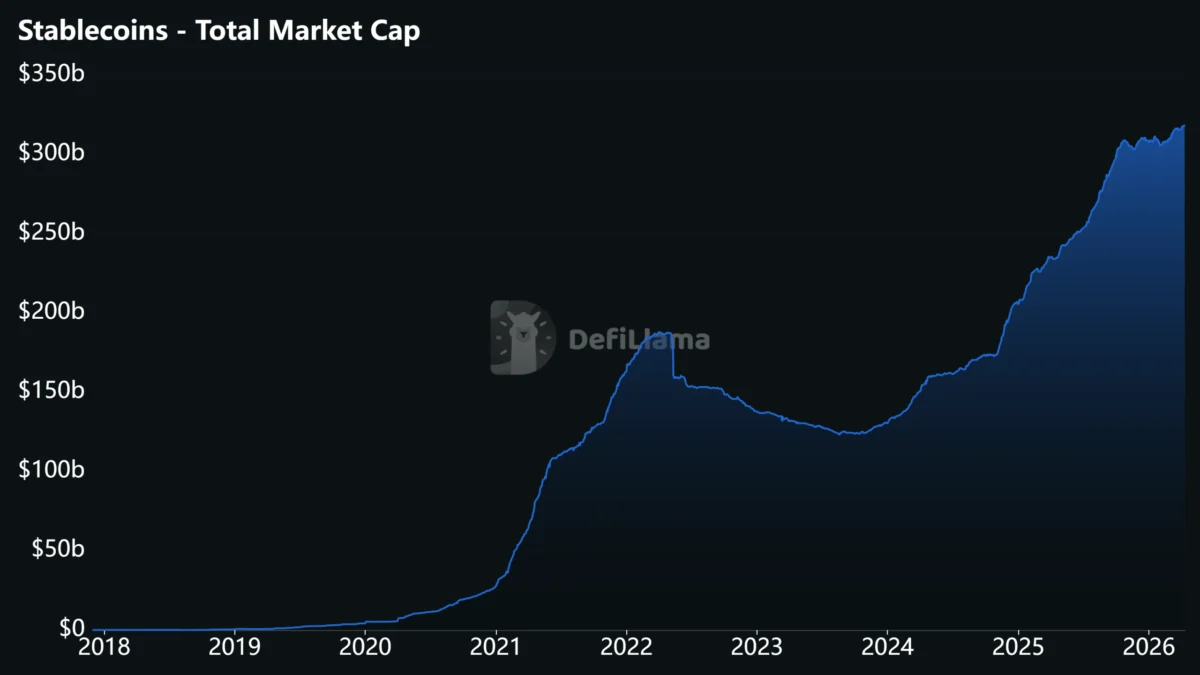
- Stablecoin Issuers: Imposing specific regulatory requirements on issuers of stablecoins, particularly those pegged to fiat currencies. This would likely include mandates for reserve backing, independent audits of reserves, and clear redemption mechanisms to ensure their stability and reliability.
- Other Service Providers: Potentially encompassing other emerging service models within the digital asset ecosystem.
Strengthening AML/CTF Compliance
While Australia already has robust AML/CTF rules for digital currency exchanges, the new framework is expected to reinforce and potentially expand these requirements, aligning more closely with the latest FATF recommendations. This could involve:
- Expanded Scope: Potentially broadening the definition of "virtual asset service providers" (VASPs) to capture a wider range of digital asset activities.
- Enhanced Reporting Obligations: Requiring more detailed or frequent reporting of suspicious transactions to AUSTRAC.
- "Travel Rule" Implementation: Mandating that VASPs collect and transmit customer information during digital asset transfers, similar to traditional wire transfers, to combat illicit finance.
Market Conduct and Consumer Protection
A core objective of the modernization is to enhance consumer protection and ensure fair market conduct. This would likely involve:
- Disclosure Requirements: Mandating clear and transparent disclosure of risks associated with digital asset investments, fees, and operational models.
- Financial Product Design: Potentially regulating the design and distribution of certain digital asset products deemed to have characteristics similar to traditional financial products.
- Dispute Resolution Mechanisms: Establishing accessible and effective avenues for consumers to resolve disputes with digital asset service providers.
- Advertising Standards: Setting clear guidelines for the advertising and promotion of digital asset products to prevent misleading claims.
Market Dynamics and the Need for Regulation: Supporting Data
The urgency for regulatory clarity is underscored by significant market data. Globally, the cryptocurrency market capitalization has fluctuated wildly, at times exceeding $3 trillion, demonstrating its substantial economic footprint. Within Australia, surveys consistently show high levels of engagement:
- Adoption Rates: Research from Finder’s Cryptocurrency Adoption Report in 2023 indicated that approximately 20% of Australian adults owned cryptocurrency, translating to millions of individuals. While this figure can fluctuate, it highlights a significant segment of the population involved in this market.
- Investment Values: While precise figures are hard to ascertain due to the decentralized nature of the market, the total value of digital assets held by Australians is estimated to be in the tens of billions of dollars, making it a substantial component of personal wealth for many.
- Incidents of Harm: Reports from consumer watchdogs and financial regulators have documented numerous instances of Australians losing funds to crypto scams, fraudulent platforms, or the collapse of unregulated entities. These incidents collectively amount to hundreds of millions of dollars in losses annually, directly impacting consumer confidence and trust.
- Economic Potential: Beyond individual investment, the digital asset sector represents a significant opportunity for economic growth. Blockchain technology, underlying many digital assets, has applications across various industries, from supply chain management to intellectual property. A well-regulated environment can attract venture capital, foster local startups, and create high-skilled jobs, potentially adding billions to Australia’s GDP over the next decade.
Comparing Australia’s approach to other jurisdictions, the EU’s MiCA framework, set to be fully implemented by 2024, provides a comprehensive blueprint for regulating digital assets across 27 member states. The UK is also progressing with its own legislative agenda, aiming to regulate stablecoins and broader crypto activities. Australia’s current efforts demonstrate a desire to maintain pace with these global leaders, ensuring its market remains competitive yet secure.
Stakeholder Reactions: Balancing Innovation and Oversight
The committee’s endorsement is expected to elicit a range of reactions from key stakeholders.
Government Officials and Regulators: Government officials, including the Treasurer and Assistant Treasurer, have consistently emphasized the dual objectives of fostering innovation and ensuring consumer protection. They are likely to welcome the committee’s endorsement as a validation of their balanced approach. Regulators like ASIC and AUSTRAC will view the legislative framework as providing them with clearer mandates and tools to supervise the digital asset sector effectively. They would emphasize the benefits of clarity for enforcement and investor confidence.
Industry Bodies: Industry associations such as Blockchain Australia and various fintech organizations are largely expected to welcome the progress. For years, the industry has called for regulatory clarity, arguing that it is essential for attracting institutional investment, driving innovation, and allowing legitimate businesses to scale. While there may be some concerns about the potential compliance burden, particularly for smaller startups, the overall sentiment is likely to be positive, recognizing that a clear rulebook is preferable to regulatory uncertainty or a fragmented approach. They would stress the importance of future consultations to ensure the framework remains agile and does not stifle emerging technologies.
Legal and Academic Experts: Legal experts specializing in financial regulation and technology law will likely commend the thoroughness of the legislative process and the comprehensive nature of the proposed framework. They would analyze its alignment with international standards and its potential impact on legal certainty for digital asset classification and ownership. Academics might highlight how Australia’s "token mapping" approach offers a unique, granular foundation for regulation, potentially serving as a model for other nations.
Consumer Advocacy Groups: Consumer advocates are expected to express cautious optimism, welcoming the enhanced protections for investors, particularly concerning custody and market conduct. They would likely stress the ongoing need for public education and accessible complaint resolution mechanisms, even within a regulated environment, given the inherent complexities and risks of digital assets.
Implications for Australia’s Digital Future
The endorsement of this modernized digital assets regulatory framework carries profound implications for Australia’s digital future across several dimensions.
For Digital Asset Businesses
For businesses operating or seeking to operate in Australia’s digital asset space, the framework will bring much-needed regulatory certainty. While it will undoubtedly introduce increased compliance costs and requirements, this certainty is a critical enabler for long-term growth. It will:
- Attract Institutional Investment: Traditional financial institutions and large corporations, which have historically been hesitant due to regulatory ambiguity, will find a clearer path to engage with digital assets, potentially leading to significant capital inflows.
- Foster Innovation: A well-defined regulatory perimeter can actually stimulate innovation by providing clear rules of engagement, allowing businesses to develop new products and services without fear of arbitrary enforcement or sudden policy shifts.
- Enhance Trust and Reputation: Businesses operating under a regulated environment can build greater trust with customers and partners, differentiating themselves from unregulated or illicit operators.
- Level the Playing Field: The framework aims to ensure that all significant players adhere to similar standards, reducing regulatory arbitrage and promoting fair competition.
For Investors and Consumers
The most immediate beneficiaries of the new framework will be Australian investors and consumers. The enhanced protections, particularly around custody and market conduct, are designed to:
- Reduce Risk of Loss: By mandating secure custody practices, capital requirements, and robust security protocols, the framework aims to significantly reduce the risk of consumer funds being lost due to platform insolvency, hacks, or mismanagement.
- Increase Transparency: Clear disclosure requirements will empower investors to make more informed decisions, understanding the risks and fees associated with different digital asset products.
- Provide Recourse: Established dispute resolution mechanisms and regulatory oversight will offer avenues for consumers to seek redress in cases of misconduct or unfair practices.
- Build Confidence: Greater trust in the regulated digital asset market can encourage broader participation from individuals who were previously wary of the unregulated nature of the space.
Australia’s Regional and Global Standing
This legislative initiative positions Australia as a proactive and responsible player in the global digital economy.
- Attracting Talent and Investment: By offering a clear and stable regulatory environment, Australia can attract global talent and investment in blockchain and digital asset technologies, competing effectively with other leading jurisdictions.
- Regional Leadership: The comprehensive nature of the framework could establish Australia as a regional leader in digital asset regulation, potentially influencing policy development in neighbouring countries and strengthening its role in international forums.
- Maintaining Financial Stability: By integrating digital assets into the broader financial regulatory landscape, Australia enhances its ability to monitor and manage potential systemic risks, contributing to overall financial stability.
Challenges and Next Steps
Despite the positive outlook, the implementation of such a comprehensive framework will not be without its challenges. Regulators will need to develop expertise, resources, and agile approaches to keep pace with the rapid technological advancements in the digital asset space. The industry will need to adapt to new compliance burdens, and continuous dialogue between policymakers, regulators, and industry stakeholders will be crucial to ensure the framework remains effective, balanced, and future-proof. The legislation will now progress through the parliamentary process, with final passage anticipated in the coming months, marking a significant milestone in Australia’s journey to embrace the digital future responsibly.