admin
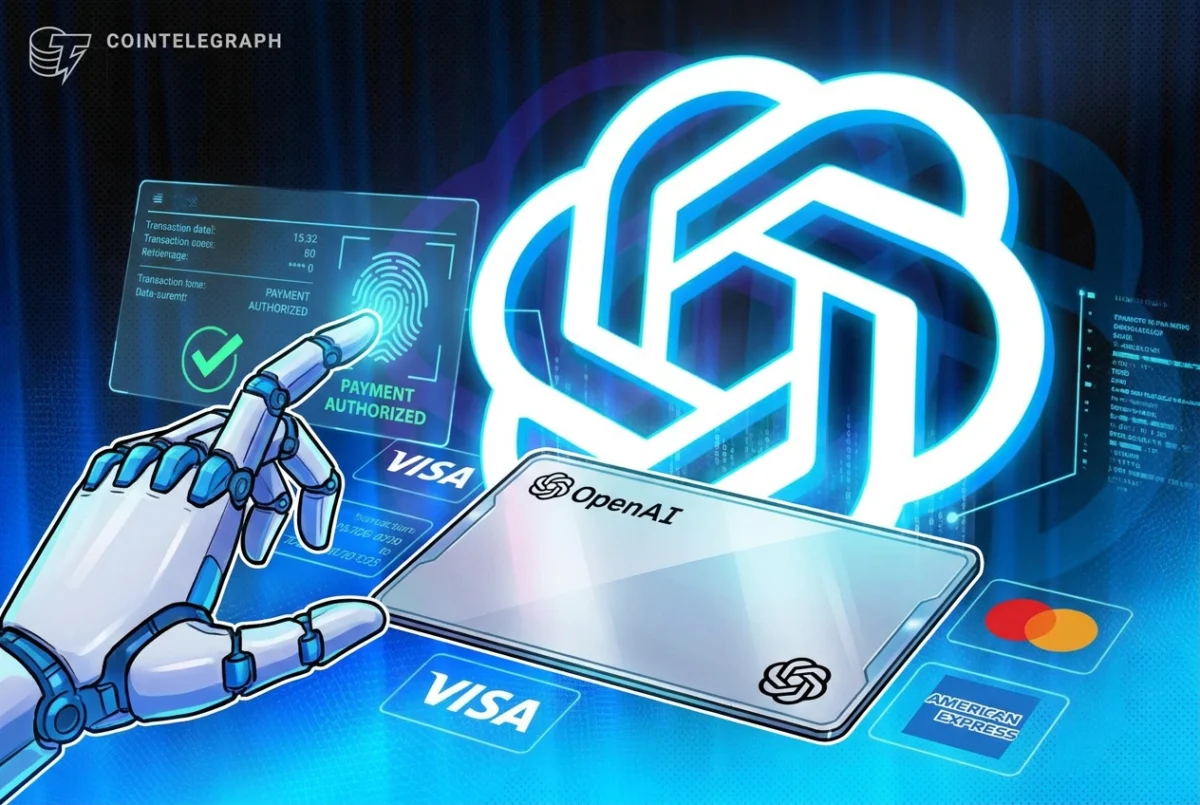
OpenAI on Friday unveiled a groundbreaking new feature, the "ChatGPT Wallet," empowering its advanced AI agents to execute direct purchases on behalf of users within the ChatGPT interface. This significant development, a collaboration with leading payment networks American Express, Mastercard, and Visa, marks a pivotal shift in the interaction between artificial intelligence and the digital economy, moving AI capabilities beyond mere recommendations to tangible transactional power. The integration is set to redefine user experiences and accelerate the burgeoning field of agentic commerce.
The Mechanics of the ChatGPT Wallet: Security and Convenience
At the core of the ChatGPT Wallet’s functionality lies a robust framework designed for both security and user convenience. Users are enabled to authorize transactions through advanced biometric verification methods, including facial recognition or fingerprint scans, leveraging existing capabilities on their devices. This step is crucial for ensuring that only the authorized user can approve a purchase initiated by the AI agent. Following successful biometric verification, the collaborating payment networks – American Express, Mastercard, and Visa – generate tokenized card credentials unique to each approved purchase. This tokenization process is a critical security measure, as it prevents users’ actual card details from being exposed to either the merchants or the AI agents themselves, thereby significantly reducing the risk of data breaches and fraud. OpenAI emphasized this security protocol in its official announcement, highlighting the commitment to protecting sensitive financial information.
The initial rollout of this innovative service is targeted at ChatGPT Pro subscribers within the United States who possess eligible cards issued in the country. This phased approach allows OpenAI to refine the system, gather user feedback, and scale the infrastructure effectively. Looking ahead, OpenAI has articulated plans to enhance the wallet’s capabilities further, including support for purchases within preset spending limits and other predefined restrictions. This future iteration aims to streamline the transaction process by potentially removing the requirement for explicit approval for every single transaction, thereby increasing convenience for users who wish to delegate recurring or low-value purchases to their AI agents. Such advancements underscore a strategic vision for AI that is deeply integrated into daily financial activities, offering a new level of autonomy and efficiency.
The Evolution of AI in Commerce: From Recommendations to Transactions
This launch by OpenAI is not an isolated event but rather a significant milestone in a broader industry trend where AI companies are actively seeking to transcend the traditional role of product recommendation engines. For years, AI has been instrumental in analyzing user preferences, browsing histories, and purchasing patterns to suggest relevant products and services. However, the introduction of transactional capabilities represents a qualitative leap, enabling AI to not just advise but to act. This transition has profound implications for how consumers will interact with online merchants, potentially automating significant portions of the purchasing journey.
The concept of "agentic AI" — where AI systems can plan, execute, and monitor complex tasks autonomously or semi-autonomously — has been a long-standing goal in artificial intelligence research. The ChatGPT Wallet brings this concept closer to everyday reality, allowing AI agents to perform real-world actions with financial consequences. OpenAI’s collaboration with established payment processors and fraud prevention firms is a testament to the industry’s recognition of the need for robust, secure infrastructure to support these evolving AI capabilities. This ensures that AI purchases can seamlessly integrate with existing checkout systems, minimizing disruption for merchants and maximizing reliability for users.
A Chronology of Innovation in Agentic Payments
OpenAI’s entry into the agentic payments space places it within a rapidly expanding competitive landscape, where major tech players and innovative fintech firms are vying to establish foundational infrastructure for AI-initiated transactions. The timeline of recent developments highlights the accelerating pace of innovation in this sector:
- 2025 (Projected): Google’s Agent Payments Protocol: Google, a formidable competitor in AI and digital services, introduced its Agent Payments Protocol. While specific details on its public launch and features are anticipated, this initiative underscores Google’s commitment to enabling AI agents to handle transactions, likely within its vast ecosystem of services.
- Ongoing Initiatives: Visa and Mastercard: These global payment giants have been at the forefront of digital payment innovation for decades. Their ongoing initiatives to support AI-initiated transactions include investments in tokenization, secure payment APIs, and partnerships with AI developers. Their collaboration with OpenAI on the ChatGPT Wallet is a direct manifestation of these broader strategies.
- 2025 (Projected): Coinbase’s x402 Protocol: The cryptocurrency sector is also actively developing payment infrastructure for AI agents. Coinbase, a leading crypto exchange, introduced its x402 protocol. This protocol is designed to enable autonomous stablecoin payments for digital services, leveraging the inherent programmability and efficiency of blockchain technology. The focus on stablecoins provides a less volatile medium for AI-driven transactions compared to traditional cryptocurrencies.
- May (Current Year): Circle’s Agent Stack: Circle, the issuer of the USDC stablecoin, launched its "Agent Stack." This platform allows AI agents to hold and spend USDC within predefined limits, offering a dedicated framework for integrating stablecoin payments into AI applications. Circle’s move emphasizes the potential of decentralized finance (DeFi) solutions for agentic commerce, providing programmable money that AI can manage.
- Crossmint’s Hybrid Approach: Crossmint, a provider of stablecoin infrastructure, has taken a distinct approach by combining stablecoin wallets with traditional card networks. This hybrid model aims to bridge the gap between the nascent crypto payment ecosystem and the established financial infrastructure, offering flexibility and broader acceptance for AI-driven transactions.
These developments collectively illustrate a concerted industry effort to build the technological and financial rails necessary for AI agents to participate actively and securely in the global economy.
Supporting Data and Market Projections: The Trillion-Dollar Opportunity
The strategic importance of agentic commerce is underscored by compelling market projections. According to an April report from Juniper Research, the global agentic commerce transaction value is projected to reach an astounding $1.5 trillion by 2030. This represents a monumental increase from an estimated $8 billion in 2026, indicating an exponential growth trajectory for AI-driven transactions over the next several years.
This rapid expansion is driven by several factors:
- Increasing AI Sophistication: The continuous improvement in AI models, particularly in natural language understanding and task execution, makes AI agents more capable of handling complex purchasing decisions.
- Digital Transformation: The ongoing shift towards digital-first consumer behaviors, accelerated by global events, has normalized online transactions and made consumers more receptive to innovative payment methods.
- Demand for Convenience: Consumers increasingly seek frictionless experiences. AI agents that can anticipate needs, compare prices, and execute purchases autonomously offer unparalleled convenience.
- Enterprise Adoption: Businesses are exploring AI agents for procurement, supply chain management, and automated customer service, further fueling the growth of agentic commerce.
The $1.5 trillion figure by 2030 places agentic commerce on par with significant segments of the global digital economy, signaling a profound structural change in how goods and services are bought and sold.
Official Responses and Industry Perspectives
While direct, specific statements from all collaborating parties are often reserved for joint announcements, their involvement inherently communicates their strategic alignment and support for this initiative.
- OpenAI’s Vision: OpenAI’s statements consistently emphasize empowering users with advanced AI tools while prioritizing security and user control. The ChatGPT Wallet aligns perfectly with this ethos, providing a powerful new utility while implementing robust safeguards like biometric verification and tokenization. Their focus on future features like spending limits reflects a commitment to responsible AI deployment in financial contexts.
- Payment Networks (American Express, Mastercard, Visa): These networks have long been proponents of innovation in digital payments, investing heavily in technologies like tokenization, secure authentication, and fraud prevention. Their collaboration with OpenAI signals a proactive approach to integrating their established secure payment infrastructure with emerging AI technologies. For them, agentic commerce represents a significant new frontier for transaction volume and a validation of their ongoing efforts to make digital payments ubiquitous and safe. Their participation underscores their role not just as transaction facilitators but as enablers of future commerce paradigms.
- Industry Analysts: Analysts generally view this development as a logical and inevitable progression of AI capabilities. They highlight the potential for increased efficiency and convenience but also point to the necessity of addressing ethical considerations, data privacy, and the potential for new forms of fraud. The consensus is that robust regulatory frameworks and continuous security enhancements will be critical for widespread adoption and trust.
Broader Impact and Implications
The introduction of the ChatGPT Wallet carries far-reaching implications across various sectors:
For Consumers:
- Enhanced Convenience: AI agents could automate routine purchases (e.g., groceries, subscriptions) or assist with complex ones (e.g., booking travel, finding deals), saving time and effort.
- Personalization: AI agents, with access to user preferences and purchasing history, can offer highly personalized recommendations and make decisions aligned with individual needs.
- Security Paradox: While tokenization and biometrics enhance security, users must trust the AI agent’s decision-making and ensure their biometric data is securely managed. Concerns around control and potential for impulse purchases without direct human oversight may arise.
For Merchants:
- New Sales Channels: AI agents open up entirely new avenues for customer acquisition and engagement, potentially increasing conversion rates by simplifying the purchase journey.
- Integration Challenges: Merchants will need to ensure their e-commerce platforms and payment gateways are compatible with AI-initiated transactions, potentially requiring updates to APIs and backend systems.
- Data Insights: Interactions with AI agents can provide merchants with richer data on consumer preferences and purchasing behaviors, enabling more targeted marketing and product development.
- Fraud Prevention: While tokenization helps, new fraud vectors related to AI agent manipulation or impersonation might emerge, necessitating advanced fraud detection systems.
For the Payment Industry:
- Increased Transaction Volume: Agentic commerce is expected to drive substantial growth in digital payment volumes, benefiting payment networks and processors.
- Demand for Innovation: The need for highly secure, scalable, and interoperable payment solutions for AI agents will spur further innovation in areas like tokenization, biometric authentication, and real-time payments.
- New Revenue Streams: Payment companies can develop specialized services and APIs tailored for AI commerce, offering new revenue opportunities.
- Regulatory Scrutiny: As AI gains financial agency, regulators globally will likely increase their scrutiny of AI payment systems, focusing on consumer protection, data privacy, and financial stability.
For AI Development and Ethics:
- Accelerated Autonomy: This move pushes AI closer to full autonomy in daily tasks, necessitating more sophisticated ethical guidelines and control mechanisms for AI agents.
- Trust and Transparency: Building user trust in AI agents that handle financial transactions will require transparency in their decision-making processes and robust accountability frameworks.
- Security Protocols: The financial implications of AI actions will drive the development of even more stringent security protocols and auditing capabilities for AI systems.
Economic Impact:
- Job Market Shifts: While AI automates certain purchasing tasks, it could also create new jobs in AI development, cybersecurity, and specialized agent management.
- New Business Models: The ability of AI to execute transactions autonomously could foster entirely new business models and services centered around AI agent assistance.
Conclusion: The Dawn of a New Economic Paradigm
OpenAI’s introduction of the ChatGPT Wallet represents a seminal moment in the convergence of artificial intelligence and finance. By enabling AI agents to make secure purchases directly within ChatGPT, the company is not just adding a new feature; it is helping to lay the groundwork for a fundamentally new economic paradigm. The collaboration with established payment giants like American Express, Mastercard, and Visa, coupled with a strong emphasis on security through biometrics and tokenization, positions this initiative as a serious and credible step towards widespread agentic commerce.
As the global agentic commerce transaction value is projected to soar into the trillions of dollars by the end of the decade, the implications for consumers, merchants, and the entire financial ecosystem are profound. While challenges related to security, privacy, and ethical AI deployment remain, the momentum behind AI-driven transactions is undeniable. OpenAI’s move underscores the rapid evolution of AI from a tool for information processing to an active participant in the global economy, setting the stage for a future where AI agents play an increasingly integral role in our daily financial lives.