admin
On November 4, 2026, the technology ecosystem will converge at the SoWa Power Station in Boston for the TechCrunch Founder Summit, an event specifically engineered to address the most pressing challenges facing modern entrepreneurs. Moving away from the traditional, high-volume conference model, this summit prioritizes curated, high-utility interactions designed to facilitate peer-to-peer learning and strategic mentorship. Central to this mission is the deployment of Braindate, a sophisticated networking platform that replaces serendipitous "coffee line" encounters with intentional, topic-driven meetings. As the startup landscape faces evolving pressures in fundraising and operational scaling, the Founder Summit serves as a critical junction for founders, investors, and operators to synchronize strategies and share institutional knowledge.
The Evolution of Strategic Networking in the Startup Ecosystem
The shift toward intentional networking reflects a broader trend within the global tech industry. For decades, the value of a professional conference was often measured by the sheer number of attendees. However, in the current economic climate, founders have expressed an increasing need for specialized knowledge that can only be gained through direct engagement with those who have navigated similar hurdles. The TechCrunch Founder Summit 2026 addresses this by providing a framework where the "best connection" is redefined. Rather than meeting a random peer, attendees are encouraged to seek out the specific founder who has already navigated a Series B crunch, the investor who can provide a rigorous critique of a pitch deck, or the operator who has managed the complexities of hyper-growth.
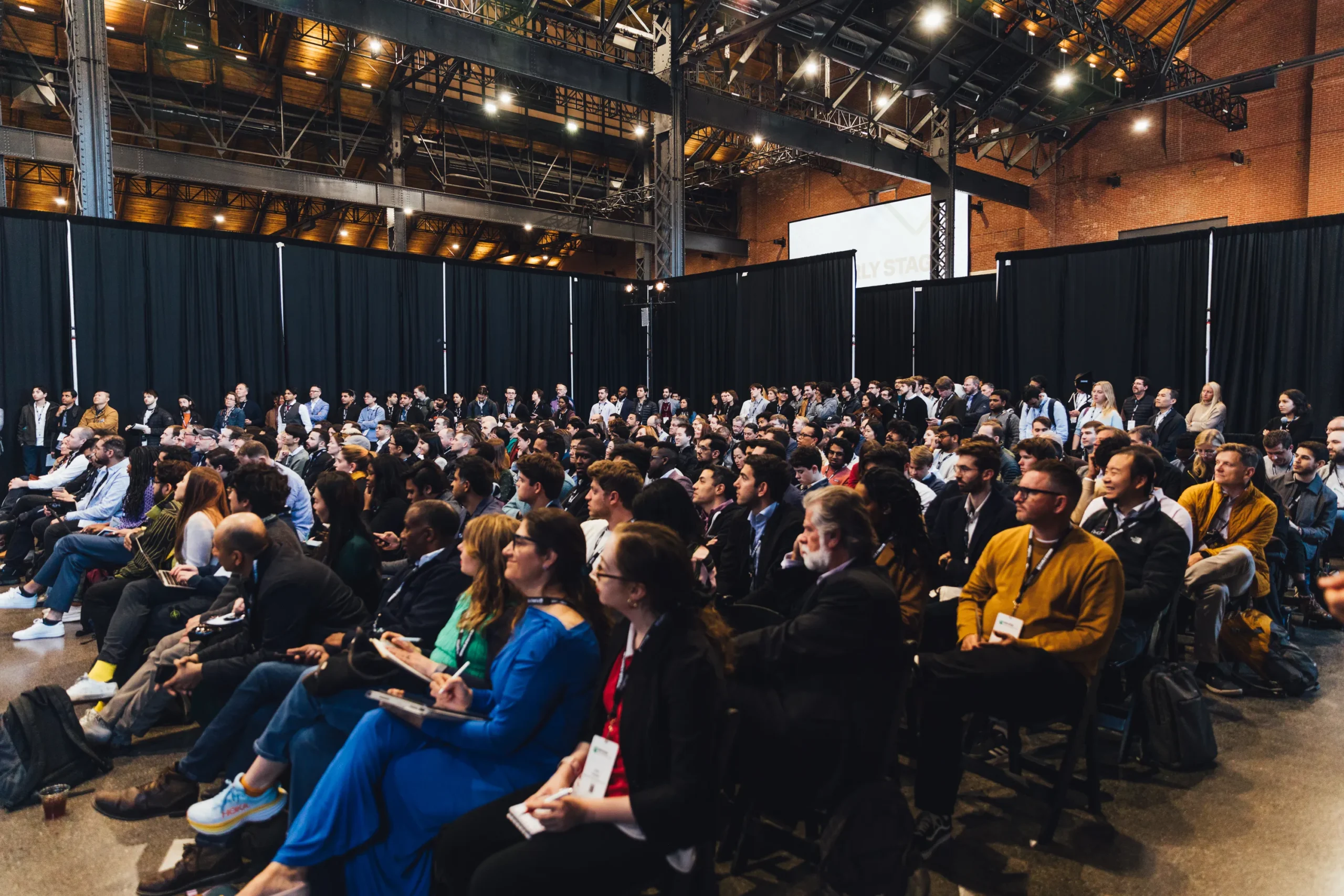
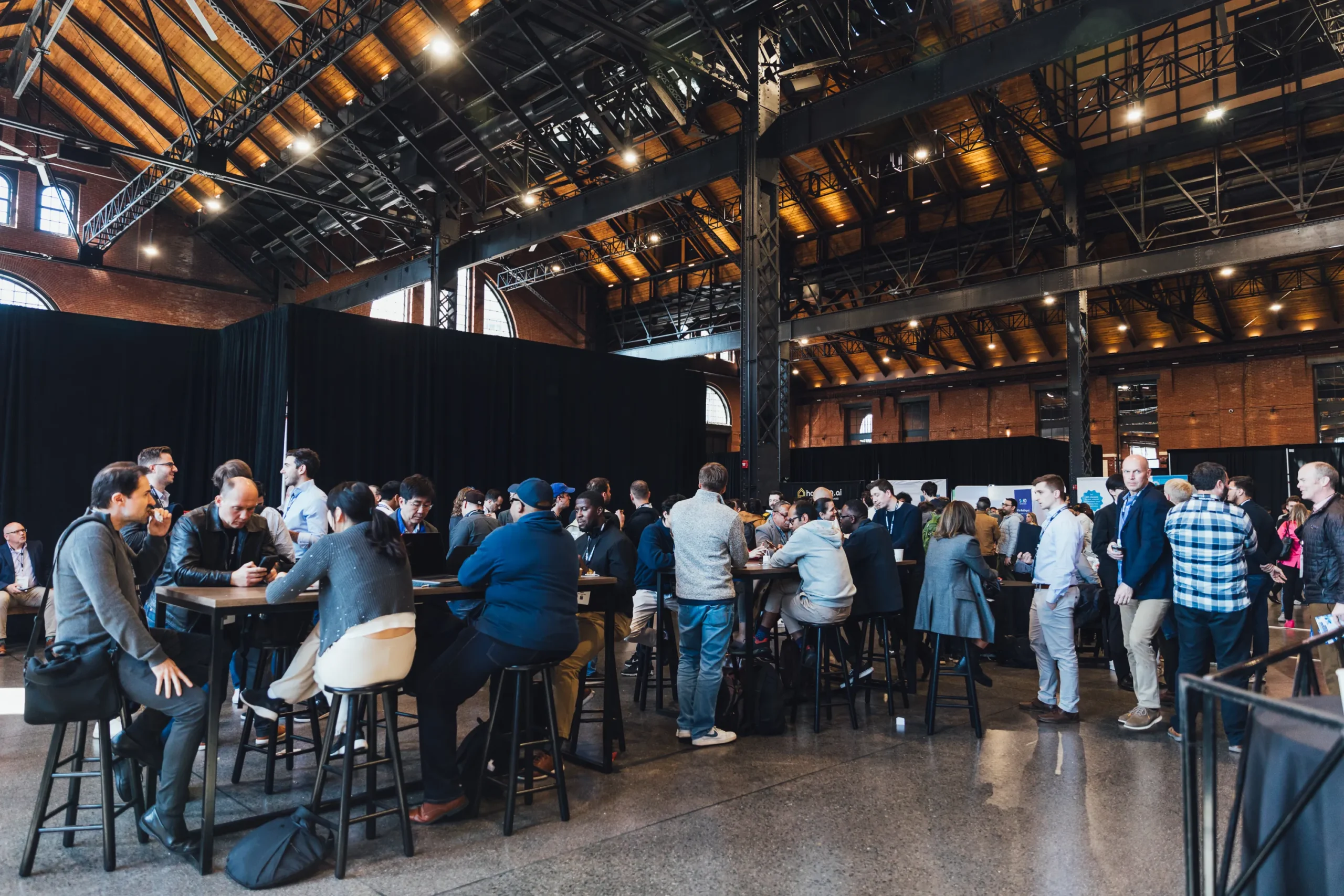
The choice of Boston as the host city is equally strategic. As a Tier-1 hub for biotechnology, artificial intelligence, and enterprise software, Boston provides a backdrop of academic excellence and venture capital density. The SoWa Power Station, a historic industrial venue, offers a layout that balances large-scale stage presentations with intimate "roundtable" zones and a dedicated Networking Lounge. This physical architecture is essential for fostering the "Braindates" that form the core of the event’s value proposition.
Braindate Methodology: Moving Beyond the Pitch
The integration of Braindate technology at the Founder Summit represents a move toward data-driven networking. The platform allows attendees to browse a directory of topics posted by their peers and schedule 1:1 or small-group meetings focused on specific problem-solving. This methodology eliminates the awkwardness of traditional networking by providing an immediate, shared agenda.

Participants are encouraged to bring specific challenges to the table, such as optimizing product-market fit, navigating the nuances of enterprise sales, or managing executive hiring during periods of rapid expansion. By shifting the focus from "selling" to "learning," the summit fosters an environment of radical transparency. Historical data from similar curated events suggests that founders who engage in topic-based networking are 40% more likely to form long-term mentorship bonds compared to those who rely on unstructured mixers.
Keynote Insights and Speaker Contributions
The 2026 agenda is structured around the "Build" and "Impact" stages, featuring a roster of speakers who represent the full spectrum of the venture lifecycle. Each session is designed to be a catalyst for subsequent Braindate discussions, ensuring that the insights shared on stage are immediately translated into actionable peer conversations.
Kent Bennett of Bessemer Venture Partners is scheduled to lead a deep dive into the mechanics of product-market fit. Bessemer, one of the oldest and most successful venture capital firms in the world, brings a wealth of data on what constitutes a sustainable business model in 2026. Bennett’s session is expected to challenge founders to look beyond vanity metrics and focus on core unit economics—a theme that will likely dominate the afternoon’s networking sessions.
Dave Balter, representing True Ventures and Edisyl, will address the psychological and tactical elements of the investor pitch. In an era where venture capital is increasingly concentrated in high-conviction rounds, Balter’s perspective on what earns a "second meeting" is highly anticipated. His involvement underscores the summit’s commitment to providing founders with direct access to the gatekeepers of capital.
Steve Fredette, co-founder of Toast, will provide a case study in scaling. As a leader of one of Boston’s most prominent tech success stories, Fredette offers firsthand experience in navigating market shifts and expanding a sales organization from the ground up. His session will likely resonate with founders currently caught in the "valley of death"—the precarious growth stage between initial traction and global scale.

Supporting Data: The Current State of Founder Support
The necessity for an event like the Founder Summit is supported by recent industry data regarding founder burnout and the "loneliness of leadership." According to a 2025 survey of early-stage CEOs, over 70% reported that peer-to-peer advice was more valuable to their daily operations than formal board meetings. Furthermore, the "Series A Gap"—the statistical difficulty of moving from a seed round to a Series A—has widened, with only approximately 20% of seed-funded startups successfully making the transition.
The summit’s focus on enterprise sales and hiring is also backed by market trends. As the cost of customer acquisition (CAC) continues to rise, the ability to land enterprise-level contracts early in a company’s lifecycle has become a primary indicator of long-term viability. The Founder Summit provides a forum where founders can compare notes on "founder-led selling" versus building a massive sales team prematurely—a mistake that remains a leading cause of startup failure.
Event Chronology and Operational Flow
The Founder Summit is designed as a high-intensity, single-day experience to respect the time constraints of its attendees. The day is expected to follow a rigorous schedule:
- Morning Plenary: The event opens with high-level keynotes on the "Build" stage, setting the tone for the day’s intellectual inquiry.
- Networking Blocks: Mid-morning and mid-afternoon periods are explicitly reserved for Braindate sessions in the Networking Lounge.
- Interactive Roundtables: Concurrent with the main stage, these smaller sessions allow for Q&A-heavy discussions on niche topics like regulatory compliance, IP strategy, and remote team culture.
- Live Pitch Testing: Founders will have the opportunity to present their pitches to a panel of experts in a "stress-test" environment, receiving immediate, constructive feedback.
- The Expo Hall: Throughout the day, exhibitors offering scaling solutions—from cloud infrastructure to legal services—will be available to consult with attendees.
- Closing Materials: Following the event, all attendees receive a comprehensive package of session materials and contact summaries to ensure the day’s momentum continues.
Analysis of Broader Impact and Industry Implications
The TechCrunch Founder Summit 2026 arrives at a pivotal moment for the technology sector. As artificial intelligence continues to disrupt traditional business models, the "human element" of entrepreneurship—mentorship, ethical leadership, and community building—has never been more vital. By facilitating deep-tissue networking, the summit helps to fortify the social fabric of the tech community.
From a macroeconomic perspective, events that accelerate the knowledge transfer between successful "exiters" and new founders contribute to the overall health of the innovation economy. When a founder avoids a common scaling mistake because of a 30-minute Braindate, it saves capital, preserves jobs, and speeds up the delivery of new technologies to the market. This "multiplier effect" is the ultimate goal of the Founder Summit.

Furthermore, the summit’s "Bring a Guest" (BOGO) initiative is a calculated move to encourage diversity of thought. By allowing founders to bring co-founders or key operators at no additional cost, TechCrunch is ensuring that the entire leadership team is aligned. In the high-stakes environment of 2026, where team cohesion is often the deciding factor in a company’s survival, this collaborative approach is essential.
Logistics and Participation
The TechCrunch Founder Summit 2026 will take place at the SoWa Power Station in Boston on November 4. Tickets currently include a promotional offer where the purchase of one pass grants a second pass for free, facilitating the participation of co-founders or strategic partners. Passes provide full access to all stages, the Braindate platform, the Networking Lounge, and the Expo Hall. As the event is intentionally kept smaller than a general conference to maintain the quality of interactions, availability is limited.
By focusing on the questions founders are already asking—how to scale, how to hire, and how to win—the TechCrunch Founder Summit 2026 positions itself as a vital resource for those building the next generation of industry leaders. The value of the day is not merely in the information presented on stage, but in the specific, high-stakes conversations that happen between sessions, facilitated by a platform that understands the true power of a well-timed connection.