admin
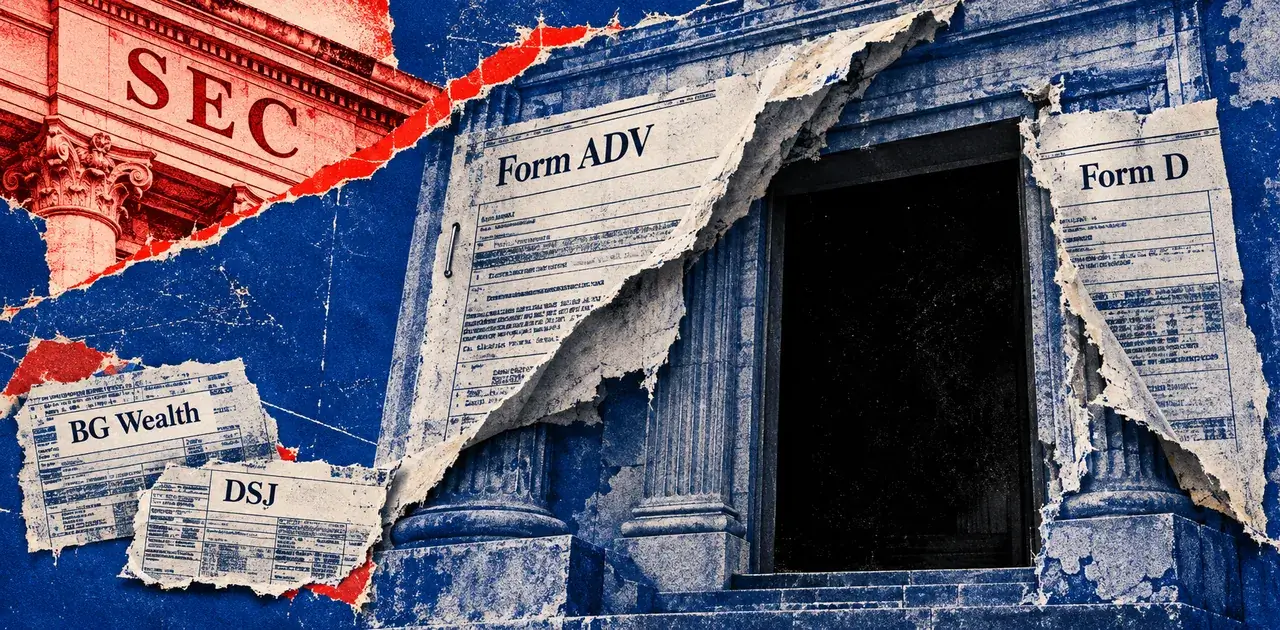
The US Securities and Exchange Commission (SEC) has taken swift action, removing regulatory filings from its public databases that were allegedly exploited by two entities, BG Wealth Sharing and DSJ Exchange, to perpetrate a sophisticated $130 million cryptocurrency investment fraud. These companies are accused of falsely presenting their submissions to the SEC as a form of government endorsement, thereby deceiving tens of thousands of investors across the United States and internationally. The scheme, which promised astronomically high monthly returns of at least 60% and claimed investors could double their capital within a mere 40 days with no risk, has reportedly resulted in losses exceeding $100 million for its victims.
Unveiling the Deceptive Facade: How SEC Filings Became a Tool for Fraud
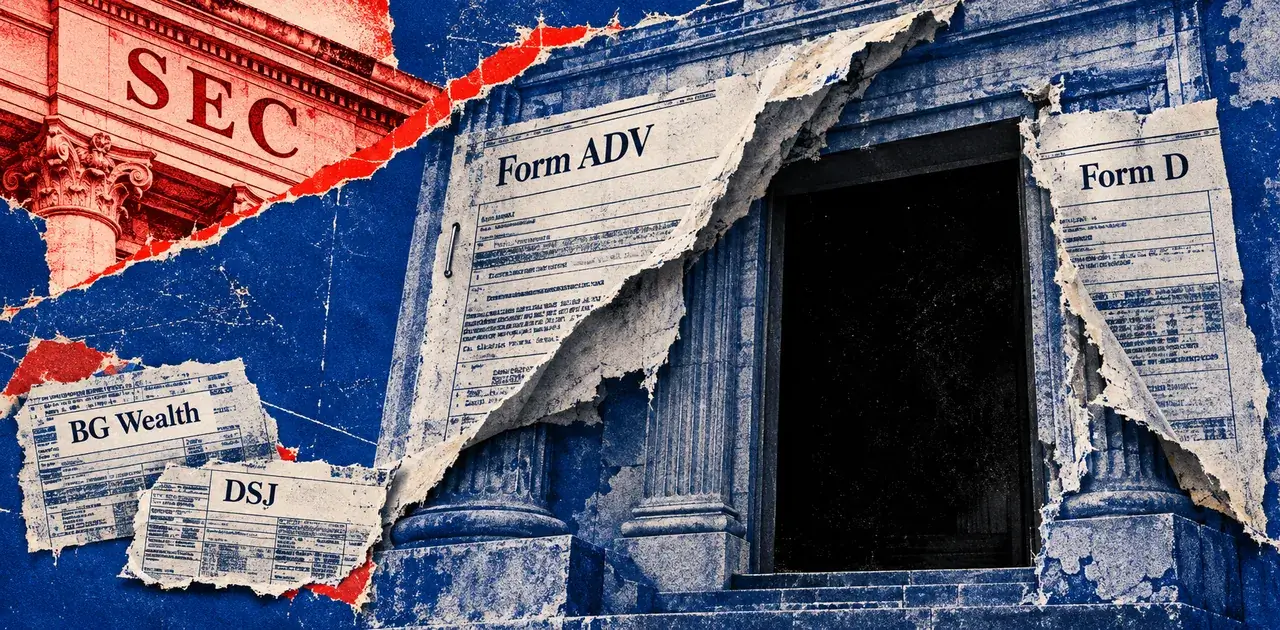
The core of this alleged fraudulent operation lay in its masterful exploitation of the SEC’s own transparent disclosure system. BG Wealth Sharing and DSJ Exchange are accused of submitting falsified documents to the SEC’s public databases. Specifically, BG Wealth allegedly filed a Form ADV, a document typically used by investment advisers to register with the SEC or state securities authorities, claiming "exempt reporting adviser" status. Concurrently, DSJ Exchange is reported to have filed a Form D, a notification of a securities offering that is typically filed with the SEC when a company is raising capital.
These filings, once processed and made publicly accessible through the SEC’s Investment Adviser Public Disclosure (IAD) system and the EDGAR database, were then presented by the promoters as irrefutable evidence of their legitimacy and government oversight. Prospective investors, seeking to conduct due diligence, would have encountered these filings on official SEC platforms, leading them to believe that BG Wealth and DSJ Exchange were authorized and regulated entities. This tactic created a powerful illusion of credibility, a critical element in convincing individuals to part with substantial sums of money.
Adding another layer to the deception, the companies allegedly produced fabricated registration certificates. These counterfeit documents bore the SEC’s official seal and identifiers directly linked to their fraudulent filings, further solidifying the false impression of government sanction. It is crucial to note, as the SEC has emphasized, that neither BG Wealth nor DSJ Exchange were registered with or licensed by the SEC, and the submission of these forms did not, under any circumstances, constitute regulatory approval.
The Lure of Unrealistic Returns: A Classic Ponzi Scheme in Disguise
The allure of BG Wealth Sharing and DSJ Exchange was built on the promise of extraordinary financial gains. Investors were reportedly enticed with claims of guaranteed monthly returns of at least 60%. This rate of return is astronomically high and far exceeds what is typically achievable in legitimate investment markets, even for high-risk ventures. The scheme further boasted that investors could double their money within a mere 40 days, a timeframe that is virtually impossible to achieve through conventional or even aggressive investment strategies without incurring immense risk. The explicit claim of "without risk" was a particularly egregious falsehood, designed to disarm potential investors and bypass their natural caution.
According to the SEC’s civil complaint, the operation ran from at least October 2025 through June 2026. During this period, BG Wealth portrayed itself as the "world’s largest hedge fund" and an SEC-licensed investment adviser, amplifying its supposed authority. DSJ Exchange, meanwhile, claimed to operate a secure cryptocurrency trading platform capable of executing highly profitable trades.
However, the reality, as alleged by investigators, was starkly different. The promised trading activity was entirely fictitious. Instead of investing the capital as advertised, the companies are accused of diverting the vast majority of investor deposits for their own illicit purposes. The SEC’s investigation revealed that the defendants received more than $130 million from over 223,000 blockchain addresses between March and early June 2026. Of this substantial sum, the SEC alleges that no more than $25 million was returned to addresses likely belonging to investors, primarily through what appear to be Ponzi-like payments to earlier investors with funds from newer ones. The remaining hundreds of millions are believed to have been misappropriated.
A Timeline of Deception and Escalating Exploitation
The alleged fraud unfolded over a period of several months, with a clear pattern of increasing deception and obfuscation as the scheme progressed.
- October 2025 – June 2026: BG Wealth Sharing and DSJ Exchange operate, actively soliciting investments. During this period, they submit fraudulent filings to the SEC and promote the investment program with exaggerated return promises.
- March 2026 – Early June 2026: The companies receive substantial influx of funds, exceeding $130 million, from a large number of blockchain addresses.
- Ongoing Recruitment: The operation utilizes a multi-pronged approach to attract participants, including aggressive social media campaigns, communication through encrypted messaging platforms, weekly video conferences to build community and trust, and recruitment incentives designed to encourage existing investors to bring in new ones, a hallmark of pyramid and Ponzi schemes.
- Investor Withdrawal Attempts: As investors began to seek to withdraw their funds, the companies allegedly began to implement obstructive tactics. These included imposing hefty fees, reportedly up to 20% of the withdrawal amount, and deliberately delaying the processing of withdrawal requests.
- Escalation of Deception: When withdrawal attempts were met with further delays or outright denial, the defendants allegedly began demanding additional "tax payments" from investors. In a further attempt to obscure the truth and potentially move funds to less traceable avenues, they also encouraged investors to transfer their assets to another platform, HQI Exchange, without ever restoring access to their original funds. This move likely aimed to create a smokescreen and make the recovery of stolen assets even more challenging.
- October 29, 2026: The SEC announces its charges and the removal of the fraudulent filings. This marks the public revelation of the alleged scheme and the regulatory body’s intervention.
Beyond Regulatory Filings: The Wider Ecosystem of the Fraud
The deception employed by BG Wealth and DSJ Exchange extended far beyond merely leveraging SEC filings. The companies actively cultivated an image of technological sophistication and operational excellence to bolster their credibility. BG Wealth claimed to possess proprietary trading technology capable of generating trading signals with an astonishing 99.6% accuracy. This level of predictive accuracy is unheard of in financial markets and serves as a significant red flag.
DSJ Exchange, in parallel, presented fabricated data to its users, displaying fictitious trades, profits, and steadily increasing account balances. These visual representations were designed to create a powerful psychological effect, reinforcing the perception of success and encouraging investors to remain in the scheme, or even invest more, driven by FOMO (fear of missing out) and the illusion of guaranteed returns.
The scheme’s operational methods were also designed for mass appeal and rapid dissemination. The use of social media platforms allowed for widespread reach, while encrypted messaging services provided a veneer of privacy and security, appealing to a demographic often interested in cryptocurrency. Regular video conferences served to build a sense of community and provide a platform for the perpetrators to reinforce their false narratives and answer investor questions in a controlled environment. The recruitment incentives, a classic pyramid scheme tactic, further fueled the growth of the investor base by leveraging the trust and influence of existing participants.
The SEC’s Response: Swift Action and Legal Recourse
In response to the alleged elaborate fraud, the SEC has taken decisive action. The regulatory filings submitted by BG Wealth Sharing (Form ADV) and DSJ Exchange (Form D) have been removed from the SEC’s public websites. This prevents the perpetrators from continuing to use these documents as a basis for their deception.

Furthermore, the SEC has initiated a civil lawsuit in the Northern District of California. The lawsuit seeks to achieve several key objectives:
- Permanent Injunctions: The SEC is asking the court to issue permanent injunctions against BG Wealth and DSJ Exchange, legally prohibiting them from engaging in further fraudulent activities.
- Financial Penalties: The regulator is seeking substantial financial penalties against the defendants to punish their alleged misconduct.
- Disgorgement of Unlawful Gains: A crucial aspect of the lawsuit is the demand for the disgorgement of all allegedly unlawful gains obtained through the fraudulent scheme. This aims to recover the ill-gotten profits for the benefit of the victims.
- Prejudgment Interest: The SEC is also seeking prejudgment interest on the disgorged funds, further increasing the financial liability for the defendants.
- Prohibition of Future Filings: Specifically targeting BG Wealth, the SEC has requested that the court prohibit the company from submitting future Form ADV filings as an exempt reporting adviser. This aims to prevent them from re-entering the regulated financial advisory space.
The SEC’s swift removal of the filings and its immediate pursuit of legal action underscore the seriousness with which the agency views the exploitation of its regulatory framework for fraudulent purposes.
Broader Implications: Trust, Vigilance, and the Future of Crypto Regulation
This case highlights a critical vulnerability: the potential for bad actors to weaponize the very systems designed to foster trust and transparency in financial markets. The SEC’s public databases are intended to be a resource for investors, a tool to verify the legitimacy of entities and offerings. When these systems are compromised, the integrity of the entire regulatory ecosystem is called into question.
The alleged fraud serves as a stark reminder for investors to exercise extreme caution and skepticism, particularly when presented with promises of unusually high returns. Legitimate investments carry inherent risks, and any guarantee of substantial profit with no risk should be considered a major red flag. Thorough independent research, beyond what is presented by the entity soliciting funds, is paramount. Verifying registrations and licenses directly with regulatory bodies, rather than relying on documents provided by the company, is an essential step.
For the cryptocurrency industry, this incident underscores the ongoing challenges in establishing robust regulatory frameworks that can effectively protect investors without stifling innovation. The SEC and other regulatory bodies are continually adapting to the evolving landscape of digital assets, but sophisticated fraudsters will always seek to exploit loopholes.
The long-term implications of such schemes include not only the financial devastation for victims but also a potential erosion of public trust in both the cryptocurrency market and regulatory oversight. As the SEC continues to pursue enforcement actions, these cases will likely inform future regulatory strategies and underscore the importance of investor education and vigilance in an increasingly complex financial world. The effective prosecution of BG Wealth and DSJ Exchange, and the recovery of funds for investors, will be crucial in demonstrating the continued commitment of regulatory bodies to safeguarding the integrity of the financial markets.