admin

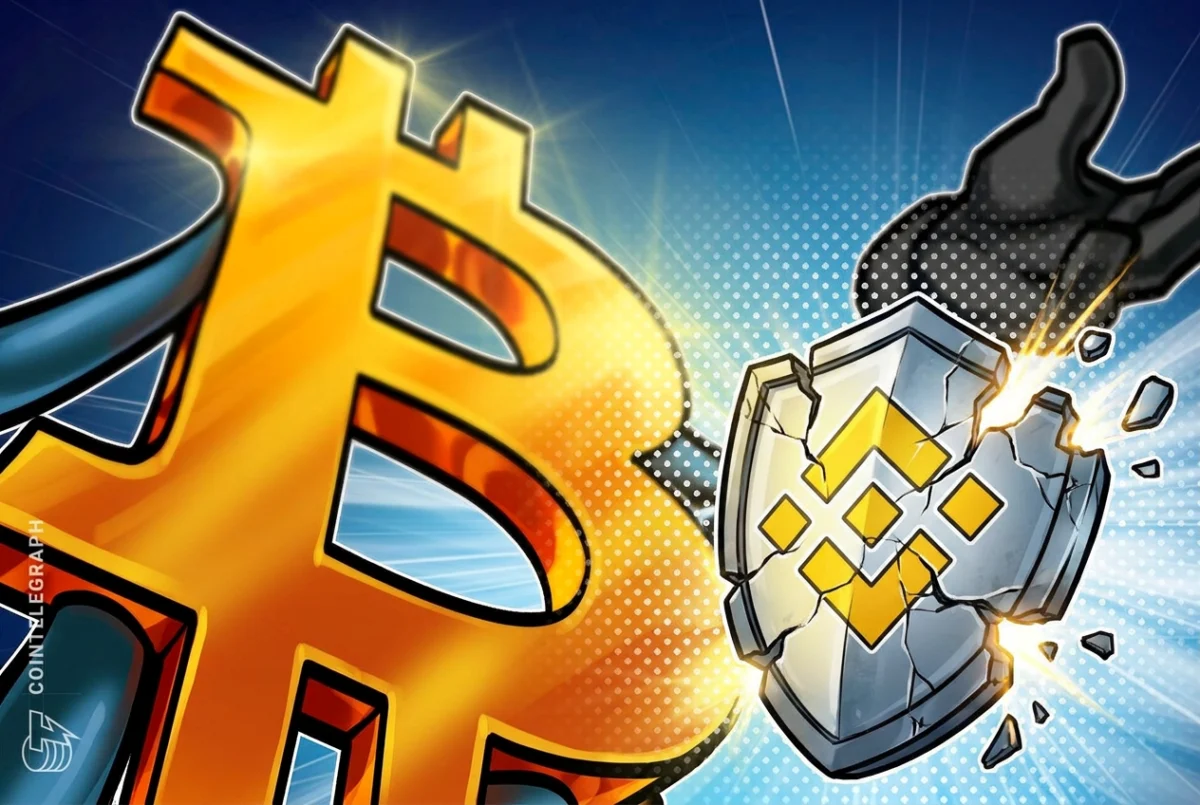
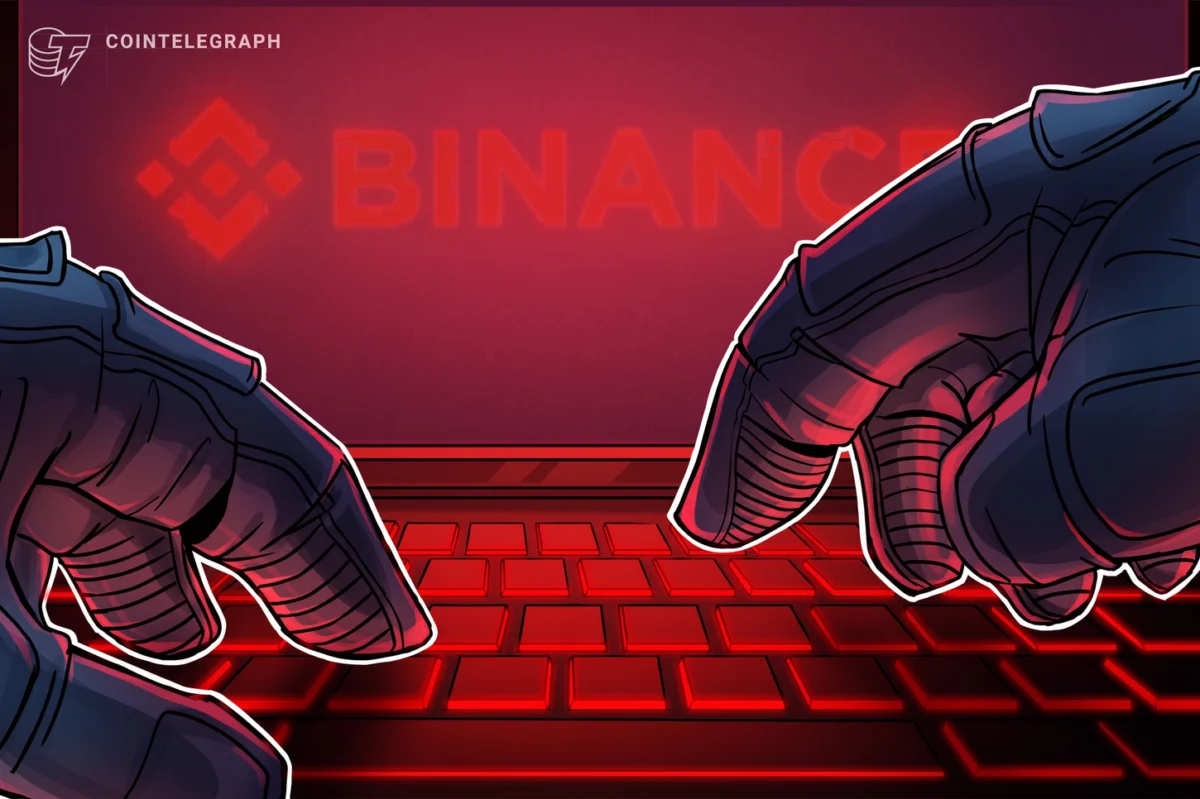
In an unprecedented blow to the global cryptocurrency ecosystem, Binance, the world’s largest digital asset exchange, was targeted in a sophisticated cyberattack on October 29, 2026, resulting in the theft of approximately $6.3 billion in various cryptocurrencies. This monumental breach, now recognized as the largest crypto theft on record, has not only triggered widespread market volatility but has also ignited fresh concerns about the fundamental security of centralized exchanges and the persistent threat of state-sponsored cybercrime. Blockchain analytics firms, including TRM Labs and Chainalysis, have swiftly pointed fingers at North Korea’s state-linked hacking group, TraderTraitor, as the likely perpetrator, adding a geopolitical dimension to an already complex incident. Binance has moved quickly to reassure its vast user base, pledging to fully cover all losses and initiating collaborative efforts with industry partners to trace and recover the stolen assets.
The Unprecedented Breach: A Detailed Account of the Attack
The meticulously planned heist unfolded with breathtaking speed, primarily within a 20-minute window on the evening of October 29, 2026. Attackers managed to illicitly transfer funds from Binance-controlled hot wallets across a staggering 10 distinct blockchain networks to addresses under their command. The sheer scale and multi-chain execution of the operation underscore a level of sophistication rarely seen, suggesting a deep understanding of Binance’s internal infrastructure and the broader crypto landscape.
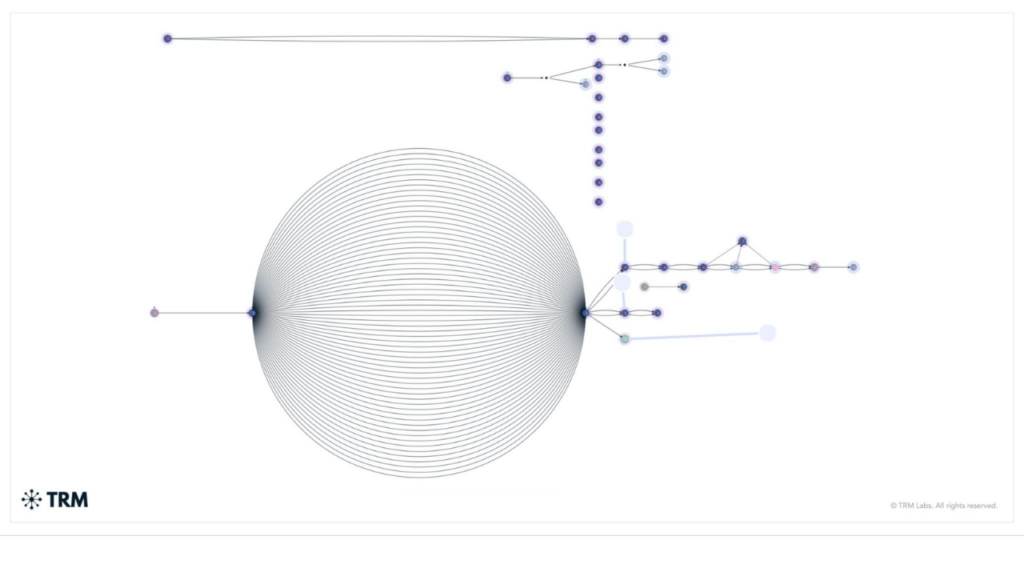
According to forensic analysis by TRM Labs, the perpetrators engaged in extensive preparatory activities for at least 36 hours leading up to the main breach. This pre-operational phase reportedly involved small, incremental withdrawals from Tornado Cash, a cryptocurrency mixing service often utilized to obfuscate transaction trails, alongside rigorous testing of malicious code. Such meticulous preparation indicates a highly organized and resourced adversary, a hallmark often associated with state-sponsored actors.
Initial investigations into the root cause of the breach have pointed towards a potentially compromised laptop belonging to a Binance engineer. This vector could have served as the initial entry point, granting the hackers unauthorized access to critical internal systems responsible for authorizing transactions. TRM Labs’ findings further suggest a broader compromise impacting Binance’s hot wallet signing infrastructure. Hot wallets, while essential for facilitating rapid transactions and withdrawals on exchanges, are internet-connected and thus inherently more susceptible to cyber threats compared to their offline "cold storage" counterparts. The attackers’ ability to manipulate this core infrastructure allowed them to orchestrate simultaneous fund movements across disparate networks like Bitcoin, Tron, Solana, XRP Ledger, Arbitrum, Avalanche, Optimism, Base, and Polygon, indicating a comprehensive breach of the exchange’s transaction authorization mechanisms.
A particularly sophisticated aspect of the attack involved the exploitation of EIP-7702 on the Ethereum network. This feature, designed to allow a wallet to delegate transaction execution to smart contract code via a signed authorization, was reportedly weaponized by the hackers. They prepared an astonishing 50 authorizations in advance, strategically increasing the probability that at least one would remain valid and active when submitted. Once activated, the compromised Binance wallet was coerced to execute a contract controlled by the attackers, enabling them to systematically drain its assets. This method alone saw approximately 167,464 ETH, along with dozens of other tokens, siphoned from the affected wallet. Disturbingly, any additional funds that subsequently flowed into this compromised wallet were also immediately swept into the attacker-controlled addresses, demonstrating continuous control over the compromised system.

The Shadow of Pyongyang: North Korea’s Digital Footprint
The swift attribution of the attack to North Korea by leading blockchain analytics firms, TRM Labs and Chainalysis, has cast a long shadow over the incident. Both firms expressed high confidence in identifying TraderTraitor, a state-linked hacking group also known as Lazarus Group, as the likely perpetrator. This attribution is based on several factors, including the operational tactics, techniques, and procedures (TTPs) employed, which bear striking resemblances to previous high-profile cyberattacks linked to Pyongyang.
TRM Labs drew a direct parallel between the Binance hack and the $1.5 billion Bybit hack in February 2025, an incident that the U.S. Federal Bureau of Investigation (FBI) explicitly attributed to North Korea. The recurring patterns of sophisticated social engineering, exploitation of supply chain vulnerabilities, and the use of mixing services like Tornado Cash to launder stolen funds are consistent across these attacks. North Korea has long been accused by international authorities of leveraging a vast network of state-sponsored cybercriminals to generate illicit revenue, primarily to circumvent stringent international sanctions and fund its illicit weapons programs. These funds are crucial for the regime’s economic survival and its continued development of nuclear and ballistic missile capabilities.
Despite overwhelming evidence and consistent international accusations, Pyongyang has steadfastly denied any involvement in such cybercriminal activities. However, the international community, particularly intelligence agencies and cybersecurity firms, remains resolute in its assessment of North Korea’s role as a prolific and highly capable state actor in the realm of cyber warfare and financial crime. While Binance has yet to independently confirm the identity of the attackers, stating that its investigation remains ongoing, the consensus among blockchain intelligence experts adds significant weight to the North Korean attribution.
Binance’s Response and Collaborative Recovery Efforts
In the immediate aftermath of the breach, Binance moved to temporarily suspend withdrawals across several affected networks to contain the damage and facilitate its investigation. Co-CEO Richard Teng quickly stepped forward to reassure customers, unequivocally stating that "user funds were safe" and pledging that the exchange "would cover every loss." This commitment is bolstered by Binance’s Secure Asset Fund for Users (SAFU), a dedicated emergency insurance fund established to protect customers in extreme circumstances. The SAFU fund, which held approximately $1 billion in Bitcoin as per Binance’s 2025 annual report, serves as a crucial safety net. However, the sheer scale of the $6.3 billion theft significantly exceeds the SAFU fund’s current value, indicating that Binance will need to draw upon its substantial corporate reserves to fulfill its pledge. Teng explicitly confirmed this, stating the company would utilize "its own funds alongside existing protection mechanisms" to ensure full compensation.
A remarkable aspect of the response has been the rapid and coordinated action from across the cryptocurrency industry, which significantly hampered the attackers’ ability to fully capitalize on their gains. This unprecedented level of cooperation between cryptocurrency companies and blockchain networks played a pivotal role in freezing a substantial portion of the stolen assets, preventing them from being moved beyond recovery efforts.
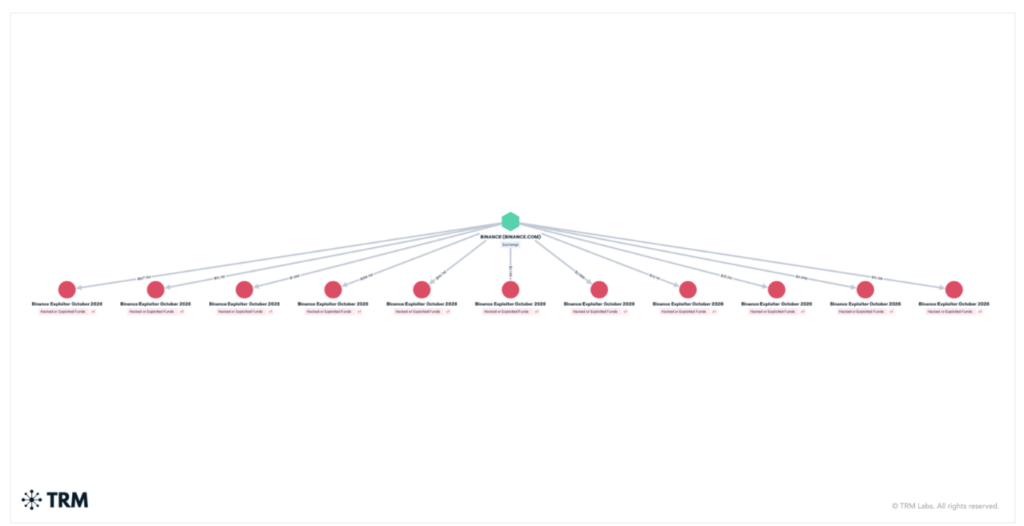
According to TRM Labs, approximately $2.7 billion in assets was successfully frozen through these coordinated actions. Stablecoin issuers, critical components of the crypto economy, were particularly instrumental. Tether, the issuer of the world’s largest stablecoin, USDT, accounted for the largest share, freezing an estimated $1.77 billion in USDT. Circle, the issuer of USDC, blocked approximately $825 million, while Ripple froze around $40.5 million in its RLUSD stablecoin. Even newer entrants like World Liberty Financial contributed, freezing approximately $27.8 million in its USD1 stablecoin. Beyond stablecoins, the Arbitrum Security Council independently intervened, successfully removing approximately $30 million in ETH and ARB tokens from the attacker’s control, demonstrating the decentralized governance mechanisms’ ability to respond to emergencies.
Despite these significant recovery efforts, the sophisticated nature of the attackers meant they moved quickly to convert some stablecoins into less traceable assets that cannot be directly frozen by centralized issuers. TRM Labs identified large transactions involving decentralized exchanges (DEXs), market makers, and lending protocols like Aave, highlighting the challenges of asset recovery in the decentralized finance (DeFi) space. Following these movements and the successful freezing efforts, it is estimated that the attackers still retain more than 420,000 ETH and 18,270 BTC, collectively valued at approximately $2.4 billion. The ongoing challenge for investigators will be to track these remaining assets across the complex and often opaque landscape of the blockchain.
Market Tremors: A Blow to Investor Confidence
The record-breaking breach sent immediate shockwaves across an already fragile cryptocurrency market, prompting a broad sell-off as investors reassessed the inherent risks of holding digital assets on centralized platforms. Bitcoin, the market’s bellwether, experienced a sharp decline, plummeting to $76,368, its lowest level in six weeks. Ethereum, the second-largest cryptocurrency, also saw a significant drop of over 3%, falling to approximately $2,178. Binance’s native exchange token, BNB, which is intrinsically linked to the platform’s performance, declined by around 5% within 24 hours, trading at $709.70, according to CoinGecko data.
The repercussions extended beyond the cryptocurrencies themselves, impacting publicly traded companies with significant exposure to the digital asset space. Shares of Coinbase Global, a major U.S.-based cryptocurrency exchange, fell by 4.8%. Similarly, Strategy, a prominent corporate Bitcoin holder, saw its shares decline by nearly 6% in extended U.S. trading, reflecting investor anxiety regarding the broader market stability and security.
Market analysts were quick to warn of the potential long-term damage to investor confidence. Tim Sun, a senior researcher at Hong Kong-based HashKey Group, articulated the prevailing sentiment, noting that the breach "could dampen investor risk appetite and prompt market participants to reassess the safety of assets held on centralized exchanges." This incident adds significant pressure to an industry already grappling with a challenging macroeconomic environment, characterized by elevated U.S. interest rates and a softer demand for cryptocurrency investment products. The timing could not have been worse, as institutional investors, whose increasing exposure has been a key narrative for crypto adoption, are now forced to confront heightened security risks. The incident underscores that while the promise of digital assets remains strong, the infrastructure supporting them requires continuous and rigorous fortification.
The Broader Implications: Security, Regulation, and the Future of Crypto
The Binance breach is far more than an isolated incident; it is a critical juncture that will undoubtedly intensify scrutiny of security standards, wallet management, and transaction authorization systems across the entire cryptocurrency industry. With approximately 335 million registered users globally and around $162.8 billion in assets under custody as per its 2025 annual report, Binance’s security posture has direct implications for a significant portion of the crypto world.
The scale of the theft starkly highlights the growing security challenges confronting the industry. TRM Labs estimated that in 2025 alone, approximately $2.9 billion in digital assets was stolen across nearly 150 attacks. This latest event dwarfs those figures and serves as a sobering reminder that while industry cooperation can mitigate losses, the threat landscape is constantly evolving and becoming more sophisticated, particularly with state-sponsored actors involved. The fact that the $1 billion SAFU fund was insufficient to cover the losses raises broader questions about the adequacy of existing safeguards and whether current protection mechanisms can truly safeguard the rapidly growing volume of digital assets entrusted to centralized platforms.
This incident will inevitably fuel the ongoing debate between the perceived convenience and liquidity offered by centralized exchanges versus the enhanced security and censorship resistance inherent in decentralized finance (DeFi) protocols and self-custody solutions. While centralized exchanges strive to offer user-friendly interfaces and robust customer support, their very nature as honey pots of value makes them prime targets for sophisticated attackers.
Looking ahead, regulators globally are likely to leverage this incident to push for stricter mandates regarding cybersecurity protocols, independent security audits, and more transparent reporting of breaches. The focus will likely be on enforcing robust multi-factor authentication, advanced intrusion detection systems, rigorous employee background checks, and compartmentalized access to critical systems. The challenge for the industry will be to innovate and adapt quickly, demonstrating that it can mature its security practices at a pace commensurate with the growing value and complexity of the assets it manages. The Binance hack, while a significant setback, may ultimately serve as a catalyst for a more secure and resilient cryptocurrency ecosystem in the long run, forcing a fundamental re-evaluation of how digital assets are protected and managed on a global scale.