admin
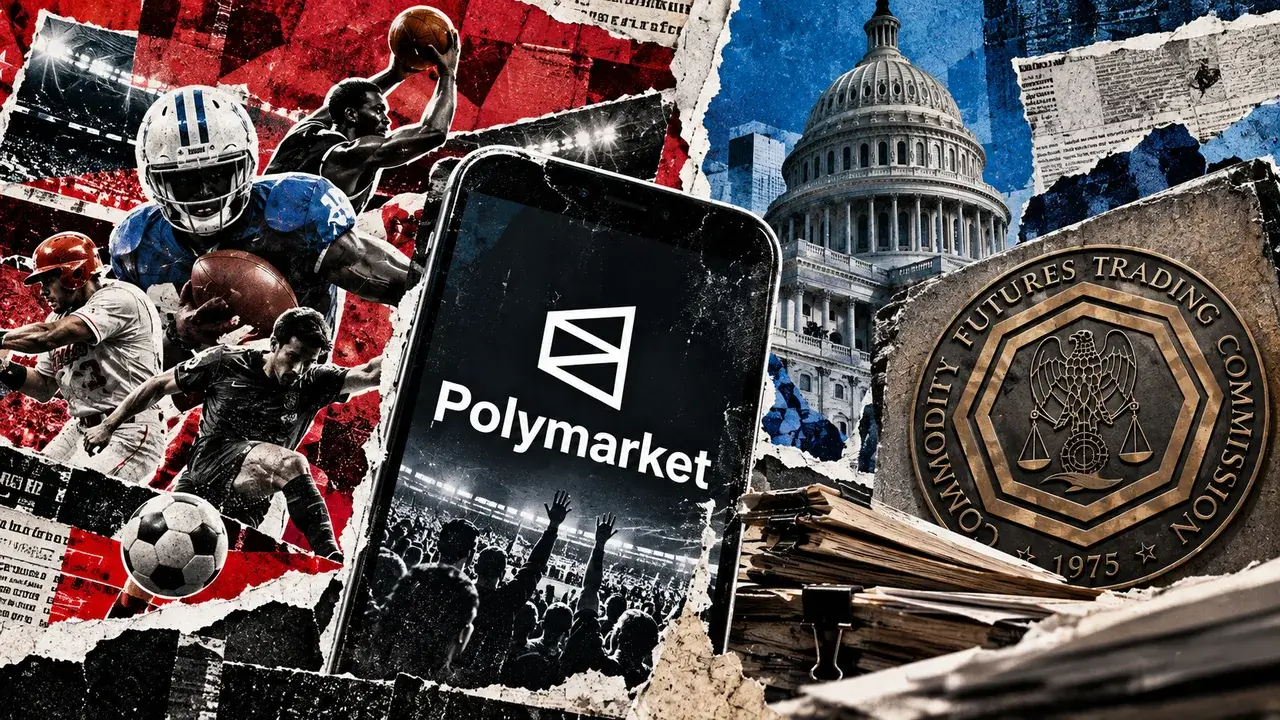
Polymarket’s burgeoning US prediction exchange has recorded approximately $13.7 billion in contract-face-value trading over the 30 days leading up to October 26th. This substantial figure, however, is overwhelmingly dominated by sports-related contracts, which constitute a staggering 98.2% of the total turnover, according to data compiled by DeFi Rate. This intense concentration on sports betting markets places Polymarket’s American expansion in a precarious position, directly exposed to the ongoing and complex legal battles over whether such event contracts fall under the purview of federal derivatives regulations or state-level gambling laws.
The latest trading figures from Polymarket US arrive at a critical juncture, coinciding with a Reuters report on October 27th detailing the Commodity Futures Trading Commission’s (CFTC) renewed examination of the exchange’s compliance with a 2022 settlement. This settlement had imposed restrictions on US access to Polymarket’s offshore platform. The Reuters report further delved into the onboarding processes and customer protection measures implemented at Polymarket’s newer US-based exchange, citing insights from two individuals with direct knowledge of the matter.
These developments are unfolding against a broader regulatory landscape that is actively grappling with the definition and oversight of prediction markets. In a significant move on October 27th, the CFTC announced legal action against Utah, adding to its existing proceedings against nine other states, underscoring the escalating federal-state jurisdictional disputes in this nascent market.
Measuring Polymarket’s US Expansion: A Tale of Two Metrics
DeFi Rate’s analysis provides two distinct lenses through which to view Polymarket US’s growth. In the 30-day period from September 27th to October 26th, the exchange’s contract-face-value turnover surged by an impressive 78% compared to the preceding month. Sports contracts were the primary engine of this growth, accounting for approximately $13.5 billion of the total volume.
It is crucial to understand how contract-face-value turnover is calculated. This metric assigns a $1 face value to each contract, irrespective of the price at which it was traded. For instance, a contract purchased for $0.10 that pays out $1 upon a correct prediction contributes $1 to the headline volume and only $0.10 to the actual dollars exchanged. This method, while indicative of the sheer scale of potential payouts, offers a different perspective than the "dollars paid" metric, which reflects the actual capital invested by traders. Both metrics serve as vital indicators of trading activity, but they highlight different facets of the market’s dynamics.
A comparative analysis of matching venues, as presented by DeFi Rate, reveals how the chosen measurement can influence the perceived dominance of Polymarket’s various operations.
| Period | Contract-Face-Value Turnover | Dollars Paid |
|---|---|---|
| Polymarket US | $13.7 billion | $3.4 billion |
| Polymarket International | $4.8 billion | $2.4 billion |
| US Share of Combined | Approximately 74% | Approximately 59% |
While the US venue emerges as the leader under both measurement frameworks, its market share appears less pronounced when contracts are weighted by the actual prices traders paid. This suggests that while the potential value of contracts traded in the US is higher, the actual capital deployed might be proportionally less compared to its international counterpart, relative to the face value.
Polymarket operates with a clear distinction between its US and international platforms, explicitly stating that US users are prohibited from engaging with its offshore operations. The current regulatory inquiry centers on the compliance of these restrictions with the terms of the 2022 settlement. Reuters reported that the renewed investigation is scrutinizing Polymarket’s controls for verifying user locations and its marketing practices within the United States. Sources familiar with the matter indicated that past control mechanisms and operational processes are under particular examination.
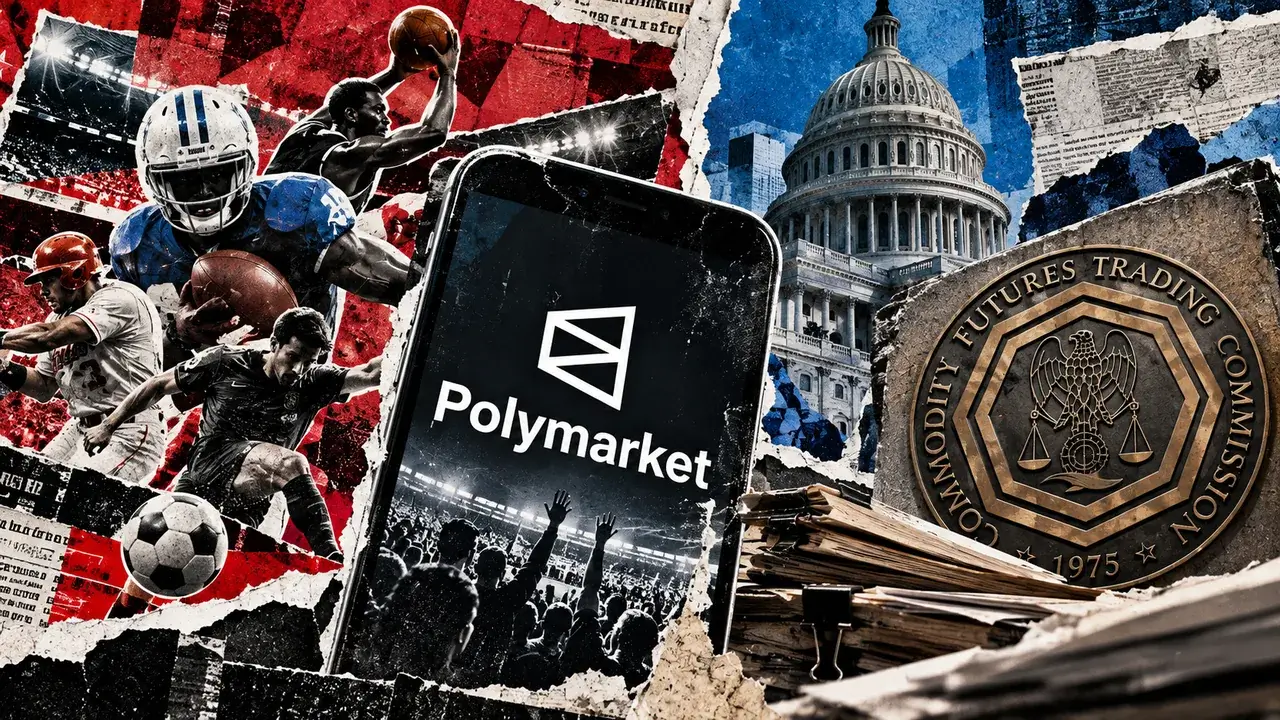
The foundational event for this regulatory focus is the CFTC’s settlement with Polymarket on January 3, 2022. This resolution involved a $1.4 million penalty, the mandatory wind-down of non-compliant markets, and an agreement to cease the alleged violations. While the CFTC had closed earlier probes into Polymarket in July 2025, a broader and more intense phase of scrutiny commenced in June 2026, indicating a sustained interest in the platform’s regulatory adherence.
The Nexus of Sports Betting Growth and Regulatory Battlegrounds
The CFTC’s recent announcement regarding Utah on October 26th underscores its assertion of exclusive federal jurisdiction over registered prediction markets. This action was precipitated by Utah’s Attorney General, who alleged that sports and other event contracts offered by Kalshi, a competing prediction market, violated state gambling laws. The state is seeking to prohibit such offerings within Utah.
The legal challenge in Utah specifically targets Kalshi. However, its implications for Polymarket are significant, hinging on how courts ultimately resolve the complex federal-state jurisdictional dispute. The outcome of this case could set a crucial precedent for the regulation of prediction markets nationwide.
In a notable development on October 26th, the National Basketball Association (NBA) designated both Polymarket and Kalshi as preferred prediction market exchanges. This endorsement, while potentially beneficial for business, also places these platforms under a watchful eye regarding market integrity. Separately, the CFTC and the NBA announced an information-sharing memorandum on the same day, specifically aimed at enhancing integrity within basketball-related prediction markets. This partnership highlights the growing concern over potential manipulation or unfair practices in these evolving markets.
For Polymarket US, the heavy reliance on sports contracts directly correlates to its exposure to potential regulatory restrictions. Any broad restrictions on sports-betting contracts could significantly impact the vast majority of its recent face-value turnover, particularly if this dominant trading mix persists. Conversely, more narrowly defined restrictions would depend on the specific types of contracts and the jurisdictions involved.
Looking Ahead: Regulatory Hurdles and Market Evolution
The coming months will be critical for Polymarket and the broader prediction market industry. Key developments to monitor include:
- Enforcement Outcomes: Any forthcoming enforcement actions or rulings stemming from the CFTC’s renewed inquiry into Polymarket’s compliance with its 2022 settlement.
- Geographic Access and Onboarding Controls: Potential changes to Polymarket’s geographic access policies and customer onboarding procedures in response to regulatory pressures.
- Judicial Decisions on Jurisdictional Disputes: Court rulings that define the boundaries of state gambling laws and their applicability to prediction markets, particularly in cases like the one initiated by Utah.
- Shifting Trading Mix: The next comparable trading period will be crucial in determining whether non-sports-related activity gains traction on Polymarket US. A sustained over-reliance on sports contracts will continue to make its business model vulnerable to regulatory changes affecting those specific markets.
The current data paints a clear picture: Polymarket US is experiencing rapid growth, primarily fueled by sports betting. However, this success is intrinsically linked to a regulatory environment that remains fluid and contentious. The platform’s ability to sustain its current trajectory will undoubtedly depend on its capacity to navigate these evolving legal and regulatory challenges and potentially diversify its market offerings beyond the dominant sports sector. The platform’s future viability in the US market will be shaped by how effectively it can adapt to the complex interplay between technological innovation, user demand, and the established frameworks of financial and gambling regulation.