admin
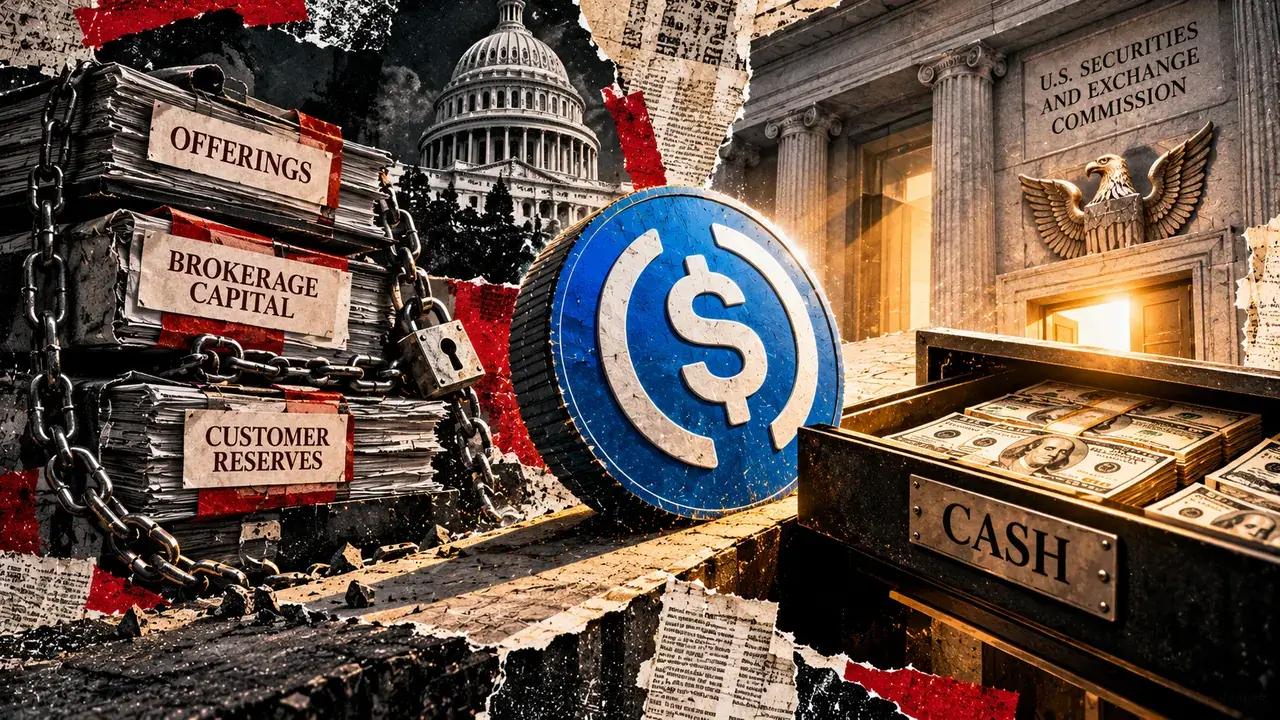
Circle, the prominent issuer of the USD Coin (USDC) stablecoin, is actively lobbying the U.S. Securities and Exchange Commission (SEC) to reclassify regulated stablecoins as equivalent to cash within the realm of securities markets. This strategic push, detailed in a comprehensive Oct. 28 statement and a preceding Oct. 20 letter, aims to dismantle existing regulatory barriers and foster deeper integration of stablecoins like USDC into traditional financial infrastructure. By treating qualifying stablecoins on par with cash for critical functions such as securities fundraising, brokerage capital calculations, and customer reserve requirements, Circle anticipates a significant expansion of institutional adoption for its digital dollar.
The core of Circle’s proposal lies in amending the SEC’s proposed "Regulation Crypto Assets," which outlines a new framework for companies seeking to raise capital through certain cryptocurrency offerings. While Circle generally supports this initiative, it argues for a crucial clarification: that payment stablecoins issued under robust regulatory standards, such as those envisioned by the proposed GENIUS Act, should be unequivocally recognized as cash when investors participate in these offerings. This distinction is vital, as the current proposal, while allowing permitted stablecoins to count towards fundraising totals, doesn’t extend the same procedural leniency to issuers receiving these tokens as they would with traditional cash contributions.
Circle’s formal submission, a detailed comment letter dated October 20th and publicly released, directly addresses the SEC’s proposed regulatory framework. This framework, designed to provide clearer pathways for crypto asset fundraising, includes two primary exemptions from the stringent traditional securities registration requirements. The first exemption allows companies to raise up to $5 million over a four-year period, while a more substantial second exemption permits annual offerings of up to $75 million, contingent upon meeting specific disclosure and other regulatory mandates. Circle’s advocacy centers on ensuring that the digital dollar, when utilized within these exempted offerings, is not subject to differential treatment or added compliance burdens simply because it operates on a blockchain.
The Case for Stablecoin Cash Equivalence
Circle’s argument for treating regulated stablecoins as cash hinges on several key points. Firstly, they contend that issuers receiving qualifying stablecoins should be afforded the same operational flexibility as if they had received conventional cash. This means streamlining processes related to fund management, accounting, and reporting. Without this clarity, companies could face disparate regulatory obligations based solely on the payment method chosen by investors – a scenario Circle views as inefficient and potentially hindering innovation.
Furthermore, Circle is advocating for qualifying dollar-denominated stablecoins, which maintain a one-to-one redeemability with the U.S. dollar, to be valued precisely at their face value. This would eliminate the need for additional valuation assessments that might arise simply due to the digital nature of the asset. The implication here is that the inherent stability and backing of these tokens should negate the requirement for a "haircut" or discount that is often applied to less liquid or more volatile assets.
A critical component of Circle’s plea is that the acceptance of stablecoins as a form of payment should not automatically subject these tokens or their issuers to the full spectrum of securities obligations that govern the underlying assets being sold. This seeks to prevent a situation where a stablecoin, functioning as a mere medium of exchange, is inadvertently burdened with the regulatory complexities associated with a security.
These proposals are deeply intertwined with the anticipated implementation of the GENIUS Act (Government-Enabled Nurturing of Innovation and Entrepreneurship Act), a legislative effort aimed at establishing a comprehensive federal framework for stablecoin issuance, reserve management, redemption processes, and supervisory oversight. The Office of the Comptroller of the Currency (OCC) has already finalized its implementing rules for this legislation, with both the act and its associated regulations slated to take effect on January 18, 2027. Circle posits that the robust safeguards mandated by the GENIUS Act—including stringent reserve requirements, transparent redemption mechanisms, and robust consumer protections—provide a solid foundation for regulators to recognize compliant stablecoins as legitimate payment and settlement instruments across the broader financial ecosystem. However, they acknowledge that the issuer requirements within the GENIUS Act do not automatically translate to how stablecoins should be treated under every existing securities regulation. Circle’s current engagement with the SEC is precisely to bridge this gap and secure additional regulatory recognition.
Expanding Stablecoins’ Role in Traditional Finance
Beyond the immediate context of crypto fundraising, Circle’s strategic ambitions extend to making stablecoins a more integral and attractive component of Wall Street’s operational toolkit. One of the most impactful proposals targets how securities firms calculate their regulatory capital. This capital calculation is a critical determinant of a financial institution’s capacity to absorb potential losses and support its trading activities.
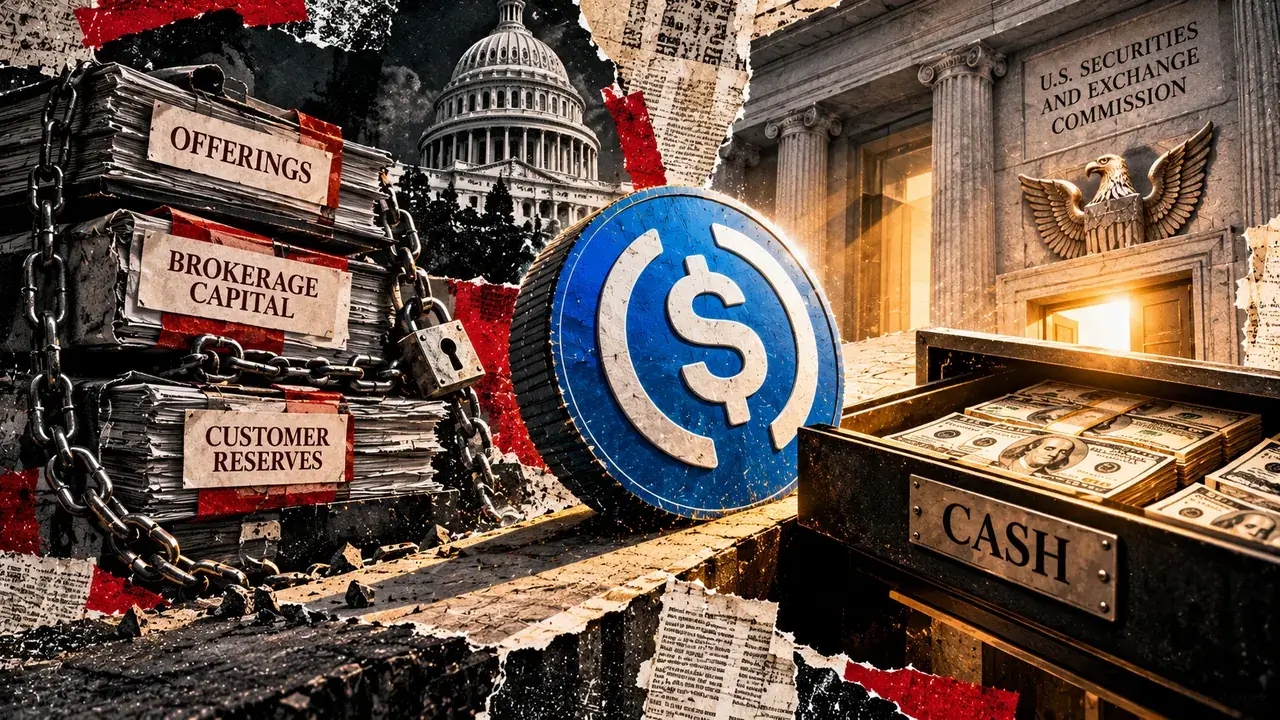
Under current SEC staff guidance, updated in February, broker-dealers are permitted to apply a modest 2% haircut to qualifying stablecoin positions held on their proprietary accounts when calculating their net capital. This haircut effectively reduces the recognized value of these assets for regulatory purposes. For instance, a broker holding a $1 billion proprietary position in qualifying stablecoins would experience a $20 million reduction in its calculated net capital under this 2% treatment. Circle’s proposal seeks to eliminate this deduction entirely for payment stablecoins that adhere to the GENIUS Act’s stringent requirements.
The rationale behind this request is that the comprehensive reserve, redemption, liquidity, and consumer protection standards embedded within the GENIUS Act provide a level of assurance that warrants more favorable regulatory treatment compared to other digital assets. By removing the 2% haircut, Circle believes that broker-dealers holding substantial stablecoin inventories would see their available regulatory capital freed up, thereby making these digital assets more appealing for institutional deployment and operations. It is important to note that the existing 2% haircut is derived from non-binding SEC staff guidance rather than a formal Commission rule. Therefore, achieving a zero haircut would necessitate a more definitive regulatory pronouncement from the SEC. The tangible benefits for financial institutions would also be contingent on the volume of stablecoin assets they choose to hold.
In parallel, Circle is pursuing a distinct amendment to the SEC’s customer protection rules. Specifically, Rule 15c3-3 mandates that broker-dealers maintain qualifying assets in reserve accounts to safeguard customer funds. These requirements currently encompass traditional cash and a defined list of qualified securities. Circle aims to secure clarification from the SEC that compliant payment stablecoins can indeed be utilized to satisfy these reserve obligations. This would pave the way for financial firms to hold a portion of their required customer reserves in digital dollars, thereby broadening the institutional use cases for USDC. However, such recognition would require separate regulatory action and the establishment of appropriate safeguards to ensure customer protection.
The Regulatory Landscape and Potential Impact
The SEC’s proposed "Regulation Crypto Assets" represents a significant attempt to bridge the gap between nascent digital asset markets and established financial regulations. By introducing tiered exemptions for capital raising, the SEC is signaling a willingness to accommodate certain crypto-related activities, albeit with strict conditions. The inclusion of a 2% haircut for stablecoins, while not ideal for issuers like Circle, indicates a degree of acknowledgment of their unique characteristics compared to other digital assets.
Circle’s aggressive advocacy for cash equivalence reflects a broader industry trend: the quest for regulatory clarity and parity with traditional financial instruments. The success of these proposals could have far-reaching implications. For issuers, it would unlock new avenues for growth and adoption by making their stablecoins more palatable to institutional investors and financial intermediaries. For traditional financial institutions, it would simplify the integration of stablecoins into their operations, potentially leading to increased efficiency, reduced costs, and innovative new product offerings.
The potential impact on the broader market is substantial. If regulated stablecoins are treated as cash, they could become a preferred settlement asset for a wider range of transactions, from securities trading to cross-border payments. This could lead to a significant increase in demand for stablecoins like USDC, further solidifying their role in the digital economy. The market for stablecoins has already experienced exponential growth, with total market capitalization soaring from under $30 billion in early 2021 to over $130 billion by late 2023, according to data from CoinMarketCap. This growth underscores the increasing reliance on these digital assets for various financial activities.
However, the path forward is not without its challenges. The SEC operates under a mandate to protect investors, maintain fair and orderly markets, and facilitate capital formation. Any significant regulatory shift, especially one that reclassifies an asset class, requires meticulous consideration of potential risks. Concerns regarding the stability of stablecoin reserves, the potential for runs, and the adequacy of redemption mechanisms will undoubtedly remain at the forefront of the SEC’s deliberations.
Industry analysts suggest that Circle’s proactive engagement is a strategic move to influence the regulatory narrative before definitive rules are set in stone. By clearly articulating the benefits and safeguards associated with regulated stablecoins, Circle aims to preemptively address regulatory concerns and build a compelling case for their integration into the traditional financial system. The company’s consistent emphasis on adhering to robust compliance frameworks, including those mandated by the GENIUS Act, serves as a testament to its commitment to operating within a regulated environment.
The SEC’s response to Circle’s proposals will be closely watched by the entire cryptocurrency and traditional finance industries. It will signal the extent to which regulators are prepared to embrace digital assets and adapt existing frameworks to accommodate their unique characteristics. The outcome of this lobbying effort could very well define the future trajectory of stablecoins in the global financial landscape, potentially ushering in an era where digital dollars operate seamlessly alongside traditional fiat currencies in the most sophisticated of financial markets. The ongoing dialogue between Circle and the SEC highlights a critical juncture in the evolution of digital finance, where innovation meets regulation in the pursuit of a more inclusive and efficient financial future.