admin
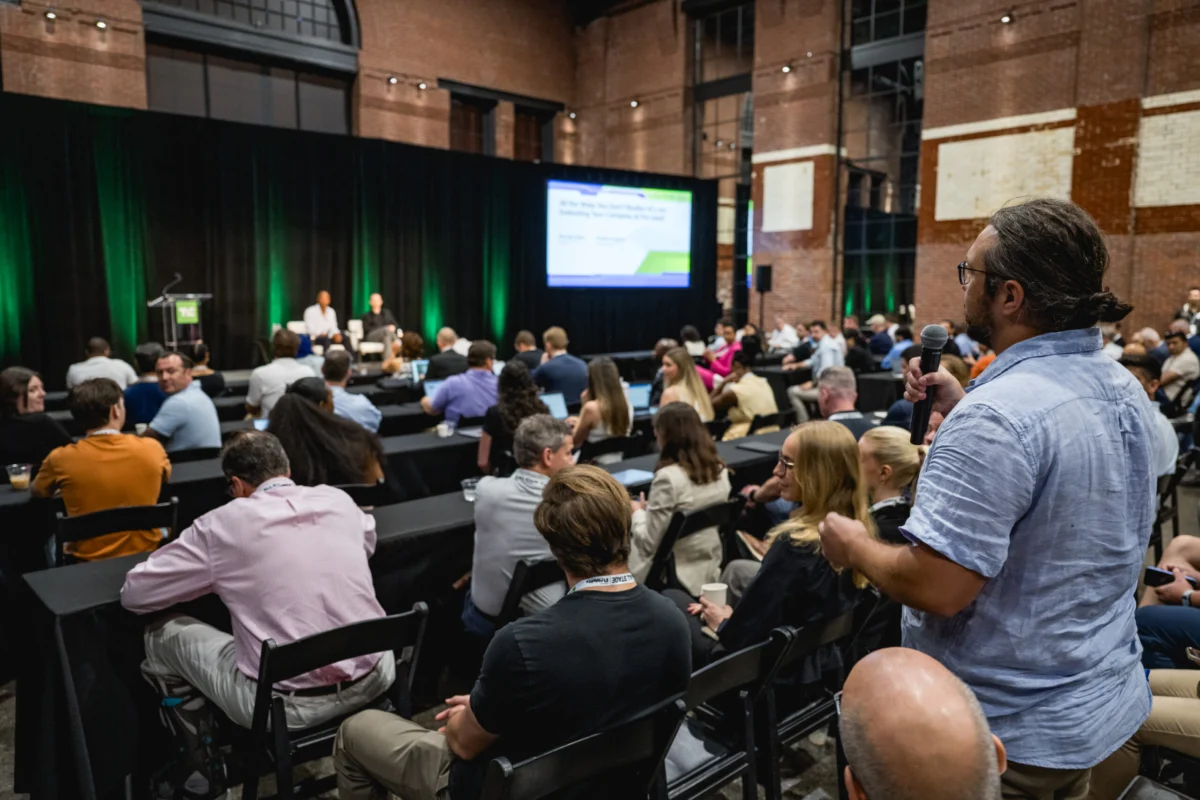
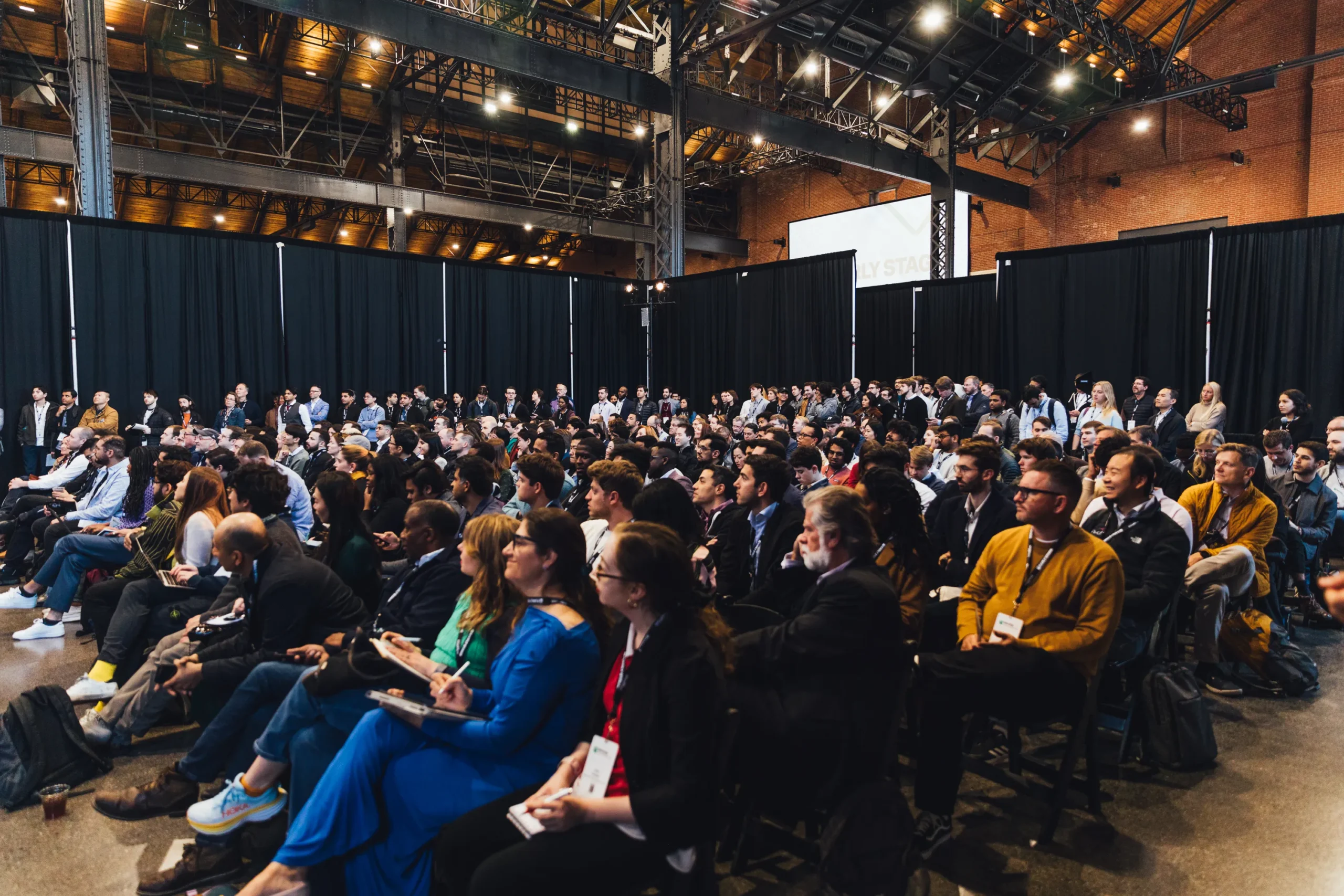
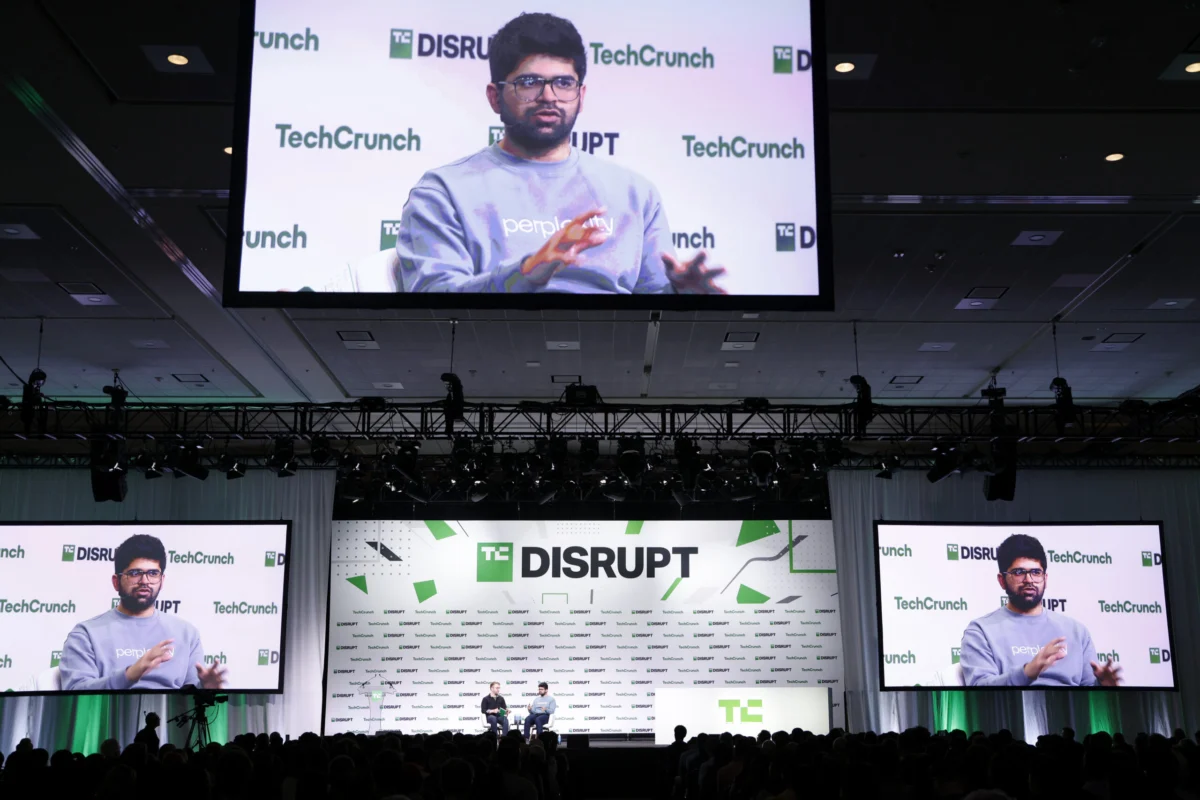
The TechCrunch Founder Summit 2026 is set to convene in Boston on November 4, marking a significant milestone in the annual calendar for the global startup ecosystem. This flagship event, specifically curated for early-stage and scaling entrepreneurs, serves as a centralized platform for founders to engage with peers, industry operators, and institutional investors. As the venture capital landscape continues to evolve under the pressures of shifting interest rates and emerging technologies like generative artificial intelligence, the summit aims to provide actionable strategies for navigating the complexities of modern business growth. Organizers have announced that the Early Bird registration window, which offers a discount of up to $190 per pass, is scheduled to close on June 26 at 11:59 p.m. PT. This deadline represents a critical juncture for startups looking to optimize their professional development budgets while gaining access to high-level networking opportunities.
Strategic Significance of the Boston Tech Ecosystem
The selection of Boston as the host city for the 2026 summit is a strategic move that reflects the city’s status as a premier global hub for innovation. Historically anchored by world-class academic institutions such as the Massachusetts Institute of Technology (MIT) and Harvard University, the Boston-Cambridge corridor has consistently ranked among the top three venture capital markets in the United States. In recent years, the region has seen a massive influx of capital into sectors including biotechnology, robotics, and climate tech.
By hosting the Founder Summit in this environment, TechCrunch facilitates a direct connection between visiting founders and the dense concentration of talent and capital inherent to the New England region. Data from previous fiscal quarters indicates that Boston-based startups often benefit from a more resilient funding environment compared to more volatile tech markets. For attendees, this means the summit is not merely a series of lectures but an immersion into a high-performance ecosystem where the proximity to major venture firms like Glasswing Ventures and Underscore VC can lead to tangible partnership outcomes.
Chronology of Event Milestones and Participation Deadlines
The roadmap leading to the November 4 summit is structured to maximize community engagement and financial accessibility for lean startups. The current phase of the event timeline is focused on the "Early Bird" registration cycle. Until the June 26 deadline, individual passes are available at a significantly reduced rate, with additional incentives provided for teams. Groups of four or more are eligible for discounts of up to 30%, a move intended to encourage entire leadership teams to attend together, thereby ensuring that the insights gained can be implemented across various departments of a growing company.

Following the close of the Early Bird window, the event’s "Call for Content" phase will take center stage. This unique aspect of the TechCrunch Founder Summit allows the community to submit topics for breakout sessions and roundtables. This democratic approach to agenda-setting ensures that the discussions remain relevant to the immediate challenges faced by founders in 2026. Once submissions are finalized, the TechCrunch audience participates in a voting process to determine which sessions will be featured on the main stage and in specialized breakout rooms. This ensures that the programming is not dictated solely by corporate interests but is instead reflective of the genuine needs of the entrepreneurial community.
Core Pillars of the Founder Summit: Practicality and Peer Learning
The fundamental philosophy of the Founder Summit is predicated on the idea that founders do not grow in isolation. The event is structured around three primary pillars: peer-to-peer learning, operator insights, and investor relations. Unlike traditional conferences that may focus on high-level theoretical discussions, the Founder Summit is designed to deliver "take-home" value that can be applied to a startup’s operations the following day.
Peer-to-Peer Learning
The summit prioritizes candid conversations between founders who are facing similar hurdles. Whether a company is navigating its first seed round or managing the growing pains of a Series B expansion, the opportunity to share experiences regarding talent retention, burn rates, and product-market fit is invaluable. These interactions often occur in moderated roundtable discussions, where the Chatham House Rule is frequently applied to foster an environment of radical honesty.
Operator Insights
Scaling a business requires a different skill set than starting one. To address this, the summit brings in seasoned operators—individuals who have served as COOs, VPs of Engineering, or Heads of Sales at unicorn-status companies. These experts provide granular advice on building robust internal systems. Past sessions have covered critical topics such as:
- Developing scalable sales pipelines in a B2B environment.
- The logistics of international market expansion.
- Managing technical debt while maintaining rapid deployment cycles.
- Hiring for culture-fit during periods of hyper-growth.
Investor Relations
A core draw for many attendees is the presence of high-profile investors. The 2026 summit is expected to host representatives from some of the world’s most prestigious venture capital firms. By providing a structured environment for networking, the event lowers the barrier to entry for founders who may not have existing inroads into Silicon Valley or the Boston VC scene.

Data-Driven Analysis of the Current Startup Climate
The 2026 summit arrives at a time when the "growth at all costs" mentality of the previous decade has been largely replaced by a focus on sustainable unit economics and profitability. According to recent venture activity reports, while total deal volume has stabilized, the diligence process has become significantly more rigorous. Investors are increasingly looking for founders who demonstrate not just a vision for the future, but a mastery of their current financial metrics.
In this context, the Founder Summit’s focus on fundraising strategies is particularly pertinent. Previous speakers from Greylock and Sequoia Capital have emphasized that the modern founder must be as adept at financial modeling as they are at product development. The breakout sessions planned for the Boston event will likely delve into the nuances of "down-rounds," bridge financing, and the increasing role of private equity in the later stages of a startup’s lifecycle.
Furthermore, the integration of AI across all industry verticals has created a "knowledge gap" that many founders are struggling to close. Data suggests that companies utilizing AI to optimize internal workflows can reduce operational costs by up to 20%. The 2026 agenda is expected to feature heavy emphasis on how non-technical founders can leverage these tools to remain competitive without necessitating a massive increase in headcount.
Inferred Industry Reactions and Broader Implications
While official statements from the 2026 speaker lineup are still being finalized, the tech community’s reaction to previous TechCrunch summits provides a reliable barometer for expectations. Industry analysts suggest that events like the Founder Summit serve as essential "pulse checks" for the economy. When 1,000 of the most innovative minds in the country gather, the resulting exchange of ideas often foreshadows the major market shifts of the coming years.
Prominent venture capitalists have often noted that the most successful investments frequently trace their origins back to casual networking events or chance encounters at conferences. For the Boston tech scene, the summit represents a validation of its continued growth. For the founders, it represents an investment in their own human capital. The $190 savings offered during the Early Bird period is viewed by many as a negligible cost compared to the potential ROI of securing a lead investor or finding a co-founder for a new venture.

The Path to November 4: What Attendees Can Expect
As the 2026 agenda takes shape, TechCrunch has indicated that more names will be added to the speaker roster, which has historically included luminaries such as Jon McNeill, whose experience at Tesla and Lyft has provided founders with a blueprint for scaling complex operations. Other past participants have represented firms like NFX, Precursor Ventures, and Wing Venture Capital, ensuring a diverse range of perspectives from both the "east coast" and "west coast" investment styles.
The physical layout of the summit in Boston will be designed to facilitate movement and spontaneous interaction. Beyond the main stage, numerous "networking lounges" and "expert bars" will be available, allowing founders to book short consultations with legal experts, financial advisors, and veteran entrepreneurs. This holistic approach ensures that every facet of the startup journey—from the legalities of incorporation to the psychological toll of leadership—is addressed.
In summary, the TechCrunch Founder Summit 2026 is positioned to be more than a mere networking event; it is a rigorous professional development intensive. With the Early Bird deadline of June 26 approaching, the urgency for founders to secure their place in the Boston cohort is high. As the global economy continues to navigate a period of rapid technological and structural transformation, the insights and relationships forged at this summit may well define the next generation of industry-leading companies. Participants are encouraged to register early to take advantage of the financial incentives and to begin the process of shaping the agenda through the Call for Content portal, ensuring their specific challenges are represented in the national conversation on entrepreneurship.