admin
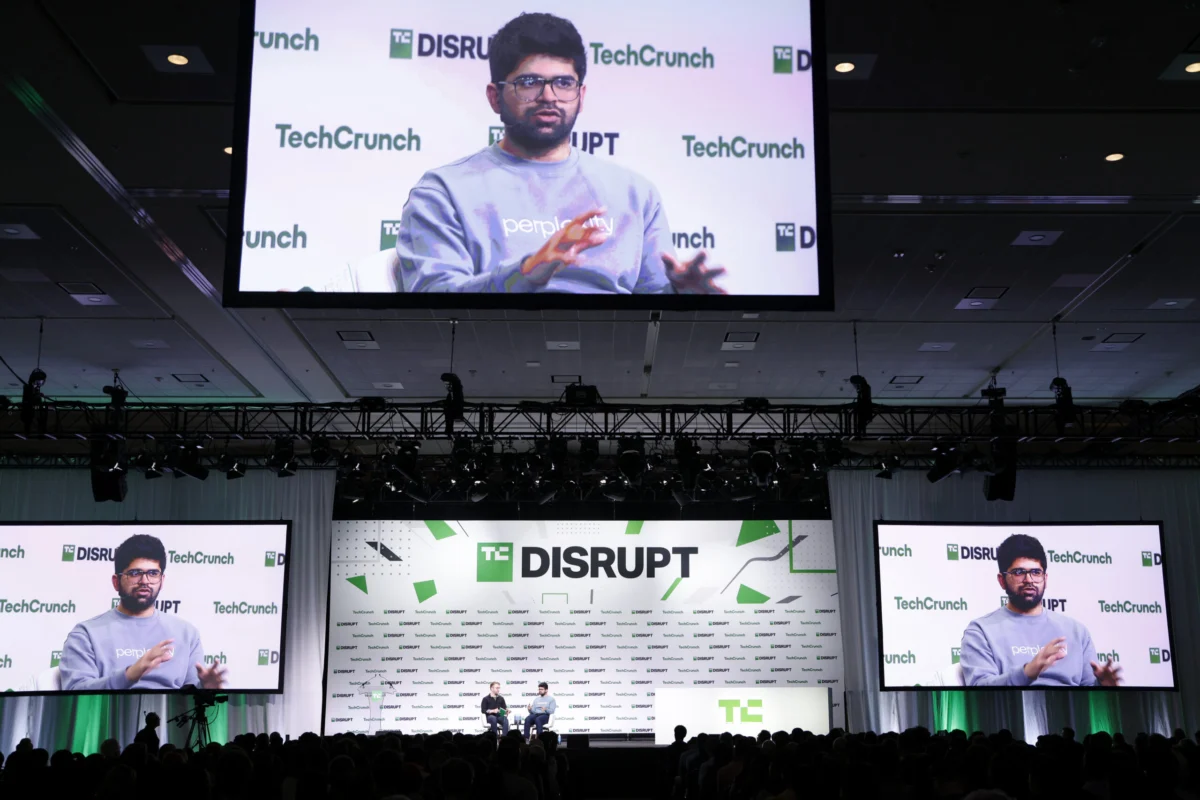
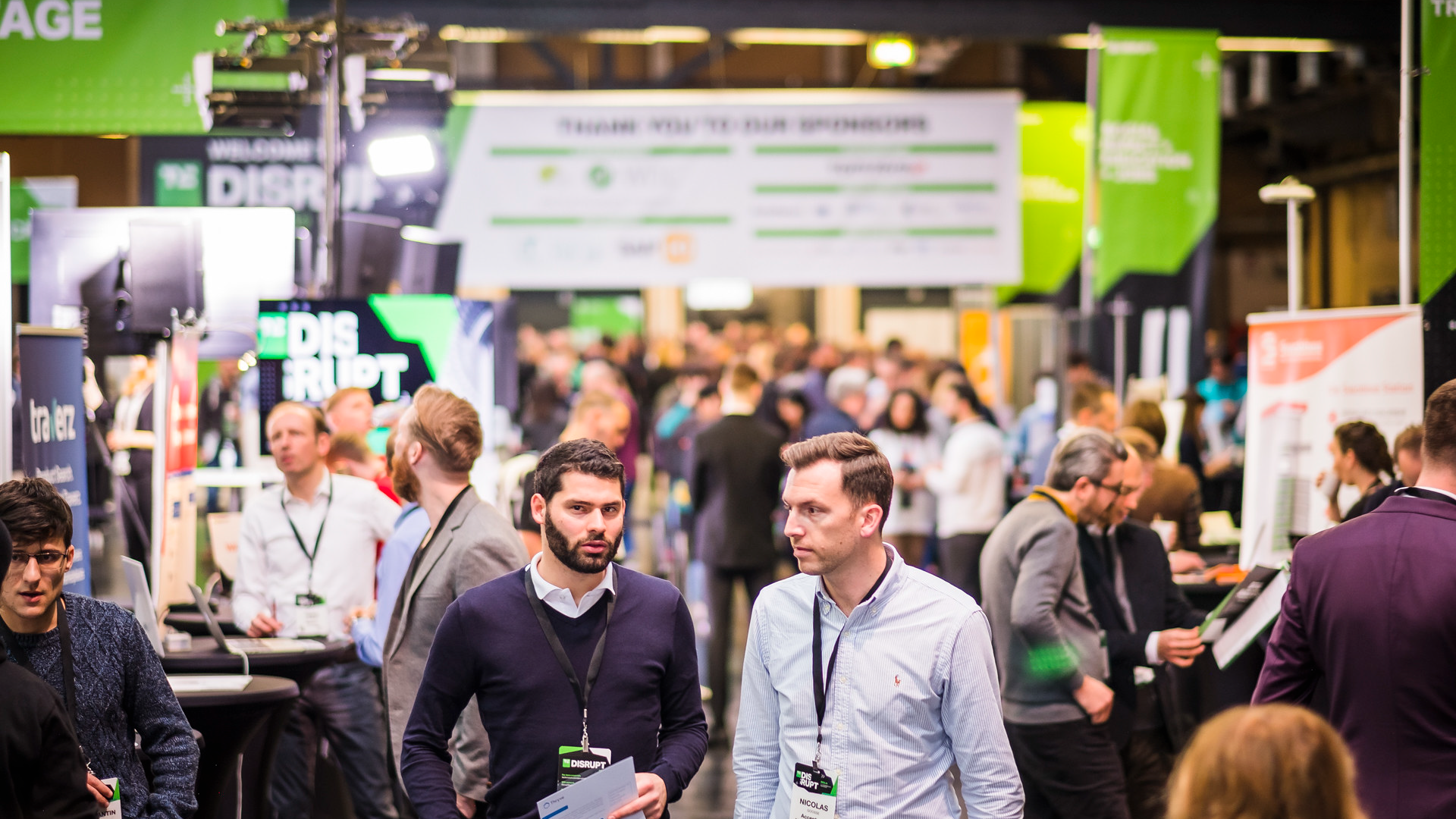
In less than 48 hours, the doors of San Francisco’s Moscone West will open to host TechCrunch Disrupt 2026, the premier global event for the startup and venture capital ecosystem. Scheduled to take place from October 13 to October 15, the conference is expected to draw a capacity crowd of more than 10,000 founders, investors, and industry executives. As the final preparations conclude, organizers have signaled that this year’s iteration will focus heavily on the maturation of artificial intelligence, the resurgence of climate technology, and the evolving landscape of fintech and robotics.
The event serves as a critical barometer for the health of the technology sector, providing a platform for early-stage companies to secure funding and for established leaders to outline the strategic direction of their industries. With more than 250 speakers scheduled to appear across six stages, the three-day summit will feature over 200 sessions, ranging from high-level keynote addresses to intimate roundtable discussions and technical breakouts.
Strategic Programming and the Speaker Lineup
The 2026 agenda reflects a tech industry in transition, moving past the speculative cycles of previous years toward a focus on "building at scale." The speaker list includes a diverse array of figures from the worlds of engineering, venture capital, and entertainment, illustrating the increasingly interdisciplinary nature of modern technology.

Among the headliners is RJ Scaringe, the founder and CEO of Rivian. His appearance comes at a pivotal time for the electric vehicle (EV) industry, as manufacturers grapple with infrastructure challenges and shifting consumer demand. Scaringe is expected to discuss the intersection of robotics and sustainable transportation. Joining him is Mark Wahlberg, representing the growing trend of high-profile individuals leveraging their personal brands to influence venture capital and startup growth.
From the technical and infrastructure side, the event will feature Andrew Feldman, CEO of Cerebras Systems, and Cat de Jong of Anthropic. These sessions are anticipated to delve into the "compute wars," discussing the hardware requirements for the next generation of large language models and the safety protocols necessary as AI becomes more integrated into enterprise workflows. Other notable speakers include Alexa von Tobel, co-founder and managing partner of Inspired Capital, who will provide insights into the current state of fintech and early-stage investment, and Les Karpas of NVIDIA, who will likely address the role of GPUs in driving the robotics and AI revolution.
The Startup Battlefield 200: A Legacy of Innovation
A central pillar of TechCrunch Disrupt is the Startup Battlefield 200, a curated cohort of early-stage companies selected from a global pool of thousands of applicants. These 300+ startups represent the "next wave" of technological breakthroughs. Historically, the Startup Battlefield has served as a launchpad for some of the most recognizable names in technology, including Dropbox, Fitbit, and Cloudflare.
The 2026 cohort has been hand-picked by TechCrunch’s editorial team, focusing on companies that demonstrate not only innovative technology but also sustainable business models. These startups will have the opportunity to showcase their products in the Expo Hall, a high-traffic environment designed to facilitate direct interaction between founders and potential investors. The competition culminates in the Battlefield Cup, where a final group of startups pitches to a panel of expert judges for a $100,000 equity-free grand prize.

The inclusion of 200 specific "Battlefield" startups ensures that the Expo Hall remains a hub of discovery. For investors, the hall provides a concentrated look at emerging trends in sectors such as decentralized finance (DeFi), agtech, and healthtech.
Chronology of the Event and Registration Deadlines
The timeline for TechCrunch Disrupt 2026 is strictly structured to maximize networking and educational opportunities.
- October 11–12: Final pre-event preparations and early badge pick-up.
- October 13, 8:00 a.m. PT: Doors officially open at Moscone West. Registration rates increase to "at-the-door" pricing.
- October 13–15: Full conference programming, including keynote sessions, the Startup Battlefield competition, and Expo Hall hours.
- October 15, Afternoon: Announcement of the Startup Battlefield winner and closing remarks.
Prospective attendees have been urged to register before the October 13 deadline to avoid price hikes. Currently, the event offers several tiers of access, including the "Layoff to Liftoff" program, which provides $75 Expo+ passes to tech workers recently affected by industry downsizing—a move aimed at maintaining the ecosystem’s talent density during a period of corporate restructuring.
Industry Context: Why 2026 is a Critical Year
The 2026 summit occurs against a backdrop of complex economic signals. While venture capital deployment reached record highs in the early 2020s, the subsequent "correction" of 2023 and 2024 led to a more disciplined investment environment. Analysts suggest that the 2026 event will be defined by "quality over quantity," with investors looking for startups that can prove a path to profitability rather than just user growth.

Supporting data from recent market reports indicates that while total deal volume has stabilized, the average size of Series A and Series B rounds has increased for companies in the AI and climate sectors. This suggests that capital is concentrating around proven technologies. TechCrunch Disrupt 2026 provides the physical venue where these high-stakes negotiations and due diligence processes often begin.
Furthermore, the location of the event at Moscone West is symbolic. Despite ongoing debates regarding the future of urban tech hubs, San Francisco remains the epicenter of AI development. The city’s ability to draw 10,000 participants for Disrupt 2026 reinforces its status as the primary node in the global technology network.
Accessibility and Economic Impact
Recognizing the financial barriers to entry for many early-stage founders, TechCrunch has implemented several discount structures. Beyond the $100 savings on standard tickets, the event offers a "Buy One, Get One 50% Off" promotion for second passes of the same ticket type. Group discounts are also available for teams of four or more, a strategy designed to encourage collaborative attendance from emerging venture firms and startup accelerators.
The "Layoff to Liftoff" ticket program is particularly noteworthy. By offering a $75 entry point for displaced workers, the conference seeks to facilitate the "re-skilling" and "re-networking" of the tech workforce. This initiative has received positive reactions from industry observers, who view it as a necessary support mechanism in a volatile labor market.

The economic impact of the event on the city of San Francisco is also substantial. With 10,000 attendees occupying local hotels and utilizing the city’s service infrastructure, Disrupt 2026 provides a significant boost to the local economy, particularly in the South of Market (SoMa) district.
Broader Implications and Expected Outcomes
The conversations held at Disrupt 2026 are expected to shape the tech narrative for the following eighteen months. As the industry moves toward "Agentic AI"—AI systems capable of taking autonomous action—the sessions at Disrupt will likely focus on the ethical and regulatory frameworks governing these technologies.
Additionally, the presence of leaders from companies like Rivian and Cerebras suggests a renewed interest in "hard tech." Unlike the software-as-a-service (SaaS) boom of the last decade, the next era of innovation appears to be rooted in physical infrastructure, from specialized silicon chips to advanced battery chemistry. Disrupt 2026 serves as the forum where the software world and the hardware world converge.
In summary, TechCrunch Disrupt 2026 is positioned as more than just a networking event; it is a strategic summit designed to navigate the complexities of a maturing tech landscape. Between the high-level insights offered on the six stages and the grassroots innovation on display in the Expo Hall, the event provides a comprehensive overview of where the industry stands and where it is headed. For the 10,000 participants arriving in San Francisco this week, the next 48 hours represent a critical window to influence the trajectory of the global startup ecosystem.